
Daily Costs: How the Numbers Actually Stack Up
Raw daily spending is where these two cities diverge most clearly. In Mexico City, a budget-conscious traveler eating at fondas (local lunch canteens), using the Metro, and staying in a mid-range hostel or guesthouse can realistically manage on $35–$55 USD per day. Bangkok, by contrast, consistently allows a similar quality of experience for $25–$45 USD per day — sometimes less if you're disciplined about eating from street stalls.
The cost gap narrows when you factor in flights. From cities like Chicago, Houston, or Los Angeles, round-trip airfare to Mexico City regularly comes in well below what you'd pay to reach Bangkok. For travelers based in North America, the total-trip math often favors Mexico City despite its slightly higher daily rate.
| Criterion | Mexico City | Bangkok |
|---|---|---|
| Estimated daily budget (budget traveler) | $35–$55 USD | $25–$45 USD |
| Typical street meal cost | $1.50–$4 USD | $1–$2.50 USD |
| Hostel dorm bed (per night) | $12–$20 USD | $8–$14 USD |
| Metro/transit fare | ~$0.25 USD | $0.45–$1.65 USD |
| Round-trip airfare from US (approximate range) | $150–$350 USD | $500–$900+ USD |
| English signage & ease of navigation | Moderate | Good in tourist areas |
| Regional travel hub potential | Moderate | Strong (SE Asia access) |
Before committing to either destination, it's worth running a proper pre-trip budget check. The framework for evaluating destination costs covers how to factor in hidden fees and realistic daily variance — not just headline figures.
Food: Where Your Meal Budget Goes Furthest
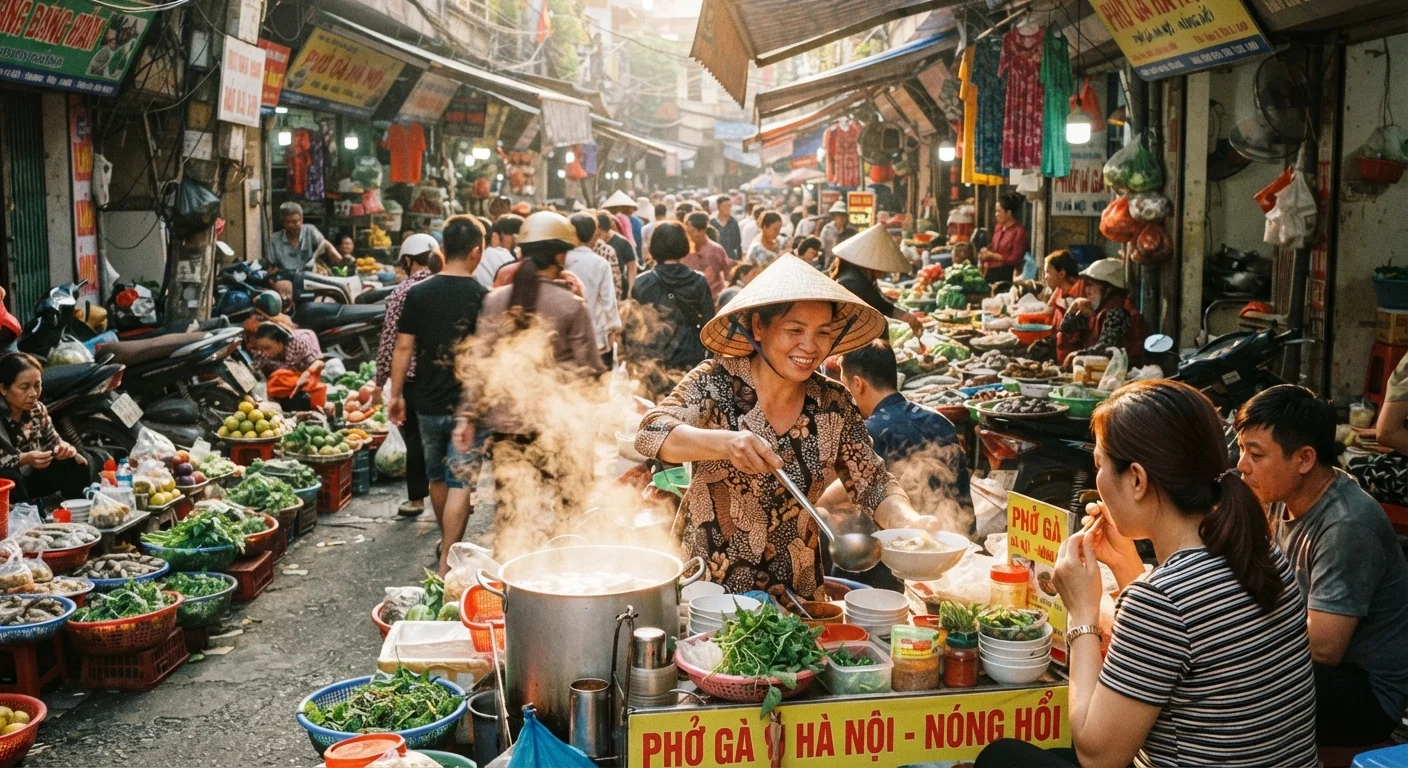
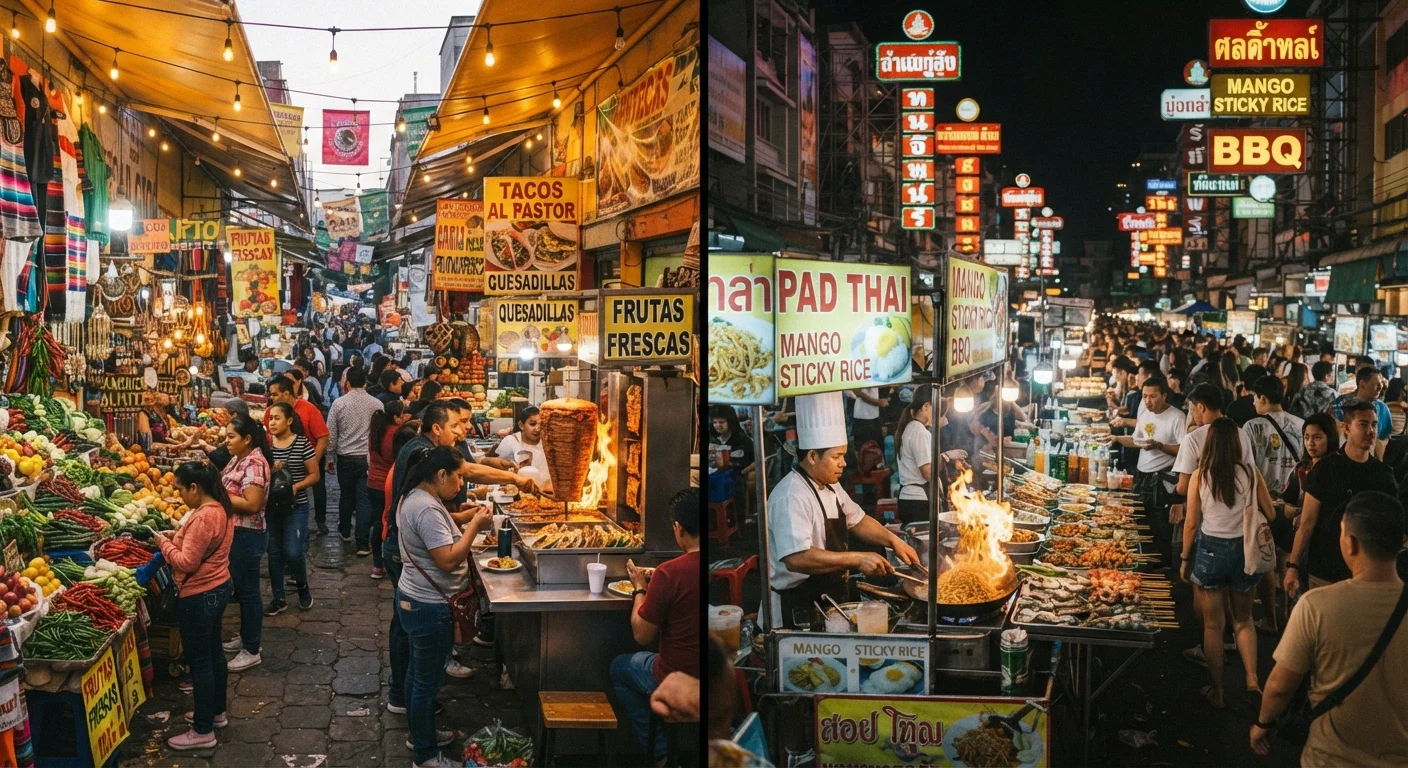
Both cities are legitimately extraordinary food destinations, but Bangkok's street food ecosystem is in a category of its own for pure affordability. Pad Thai, som tam, and rice dishes from roadside stalls frequently cost 40–80 Thai baht ($1.10–$2.20 USD). A full sit-down meal at a local restaurant rarely exceeds $5–$7. Mexico City is competitive but not quite as cheap — a solid comida corrida (set lunch) at a neighborhood fonda runs $4–$8 USD, while tacos from a street stand cost $0.75–$1.50 each.
$1–$2.50
Typical Bangkok street meal cost (USD)
Based on commonly reported traveler spending data for local street stall meals in Bangkok's non-tourist districts.
$0.25
Mexico City Metro single fare (USD approximate)
Mexico City's Metro is one of the most heavily subsidized and affordable urban transit systems in the Western Hemisphere.
~$500+
Typical US–Bangkok round-trip airfare savings gap
Flights from major US cities to Mexico City frequently cost $300–$600 less than equivalent routes to Bangkok, a meaningful factor in total trip budgeting.
The key in both cities is the same: move away from tourist corridors. In Mexico City, that means neighborhoods like Doctores or Tepito's market edges rather than Condesa. In Bangkok, it means following locals rather than TripAdvisor lists. Our guide on where budget travelers find good food breaks down the venue types worth prioritizing in both contexts.
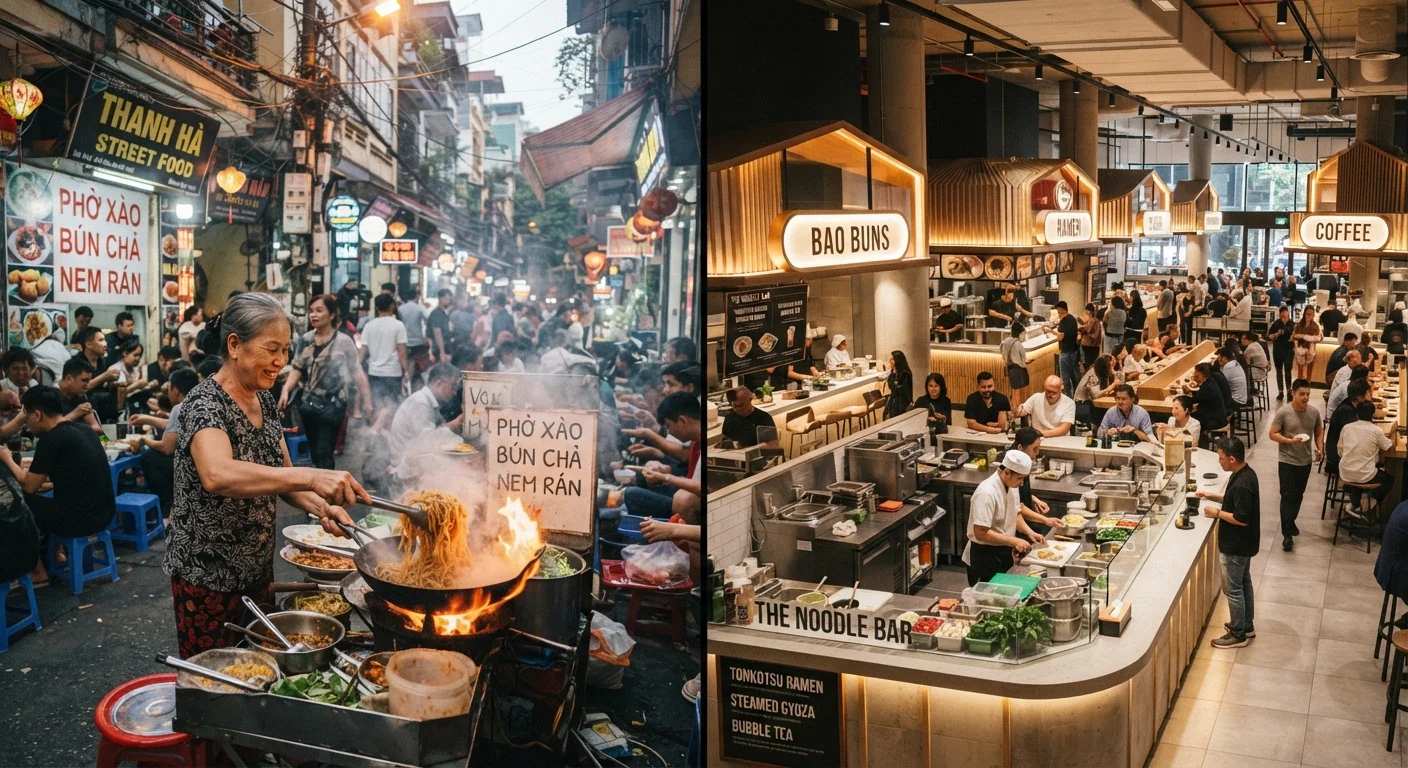
One tactical note: Bangkok's food courts inside shopping malls are a frequently overlooked middle ground — air-conditioned, hygienic, and often cheaper than tourist-facing street stalls. For a full breakdown of that trade-off, see food halls vs. street stalls.
Accommodation and Transport: Moving Around Without Overspending
In both cities, public transit is the obvious budget move — and both systems are genuinely good. Bangkok's BTS Skytrain and MRT metro cover most tourist-relevant areas, with fares typically running 16–59 Thai baht ($0.45–$1.65 USD). Mexico City's Metro is even cheaper at around 5 pesos ($0.25 USD) per ride, making it one of the most affordable urban transit systems in the world.
For accommodation, Bangkok's guesthouse and hostel market is exceptionally competitive. Dorm beds in well-reviewed hostels run $8–$14 USD per night; private rooms start around $20–$30. Mexico City's hostel market is solid but slightly pricier in popular colonias like Roma and Condesa — expect $12–$20 USD for dorms and $30–$50 for private rooms. Budget further from tourist hubs drops costs meaningfully in both cities.
Choosing the right accommodation type has real cost implications beyond the nightly rate. The accommodation trade-offs guide covers what each format — hostel, guesthouse, home exchange — actually costs and concedes, which applies directly to decisions in both cities.
One practical consideration: taxis and rideshares in both cities are inexpensive by Western standards, but Mexico City's Metro so thoroughly undercuts rideshare costs that it's worth learning the system even for a short visit. Bangkok's traffic congestion also makes the Skytrain a smarter time-and-money choice on most routes. See how experienced budget travelers use local transit for a broader look at this principle.
Travel conditions, prices, safety, and entry requirements change frequently. Always verify current travel advisories, visa requirements, and health guidance with your government's official travel portal and relevant authorities before booking or traveling.