

What 'Booking Far in Advance' Actually Means
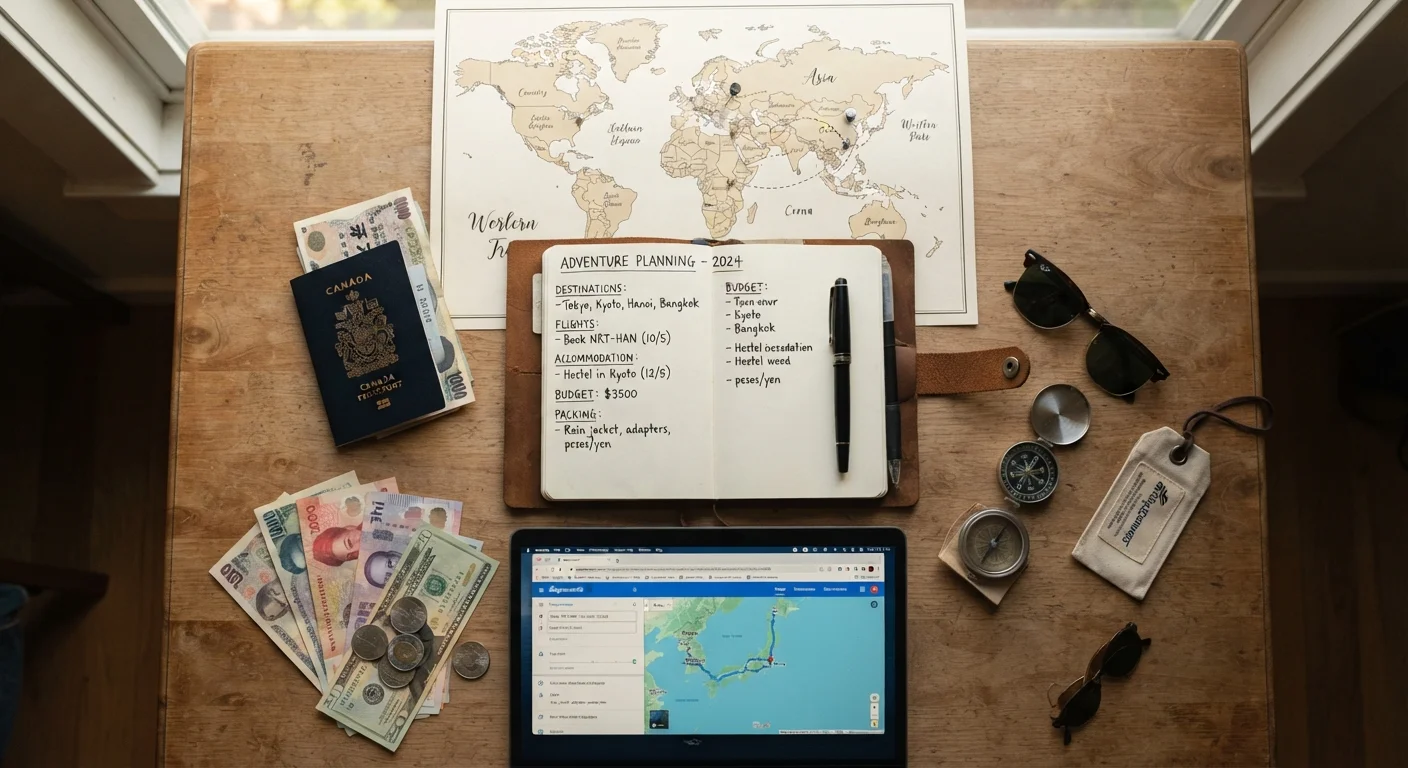
There's no universal definition, but most travel researchers use 'advance booking' to mean committing to flights or accommodation more than 60 days before departure — and often 3 to 6 months out for international trips. The assumption is that earlier equals cheaper, but the reality is more nuanced than that simple rule suggests.
Pricing on flights follows demand curves, not countdown clocks. A seat booked 180 days out isn't automatically cheaper than one booked 90 days out — what matters is how much inventory remains at each price tier. That said, booking within a broadly defined early window does statistically improve your odds of landing a lower fare, particularly for peak-season travel when demand is predictable and supply is finite.
If you're weighing the timing question for a multi-stop itinerary, the strategies for multi-city trip budgeting are worth reviewing before you commit to a booking sequence.
The Genuine Advantages of Booking Early
The strongest case for advance booking isn't always price — it's availability. For high-demand destinations during peak periods, the choice set narrows dramatically as departure approaches. Travelers who wait often find that the accommodation options matching their budget and preferences are simply gone.
Lower fares on flights and accommodation
Airlines and hotels typically price inventory lower when availability is high. Research from travel fare aggregators consistently shows that booking domestic flights 1–3 months out and international flights 3–6 months out tends to capture lower average fares before demand-driven price increases kick in.
Secures availability at popular properties
Highly rated hostels, boutique guesthouses, and unique stays in sought-after destinations frequently sell out weeks or months in advance. Booking early gives you access to the full range of options rather than whatever is left.
Easier budgeting with confirmed costs
Knowing your major travel costs upfront lets you set a realistic trip budget and save toward it intentionally, rather than scrambling to cover unpredictable late-stage prices.
Reduced stress leading up to departure
Having flights, accommodation, and key activities confirmed removes a significant source of pre-trip anxiety, particularly for travelers managing work deadlines or family logistics alongside planning.
Access to capacity-limited experiences
Popular tours, national park permits (such as timed entry passes), and guided excursions often have limited slots that disappear quickly. Advance booking is frequently the only way to access them at all.
Price predictability is the other major win. When you know your flight and hotel costs months ahead, you can build a realistic daily spending budget rather than guessing. This matters more than it sounds: arriving without a clear cost baseline is one of the most common reasons travelers overspend.
See also: what to verify before committing to a budget destination, including visa costs and local transport expenses that often get overlooked during the booking stage.
The Real Costs of Locking In Early
The downsides of advance booking are often underestimated because they're contingent — they only bite when something changes. But that 'something' happens more often than travelers expect. Job schedules shift, family situations evolve, and personal finances can look very different six months after a booking was made.
Non-refundable deposits and change fees
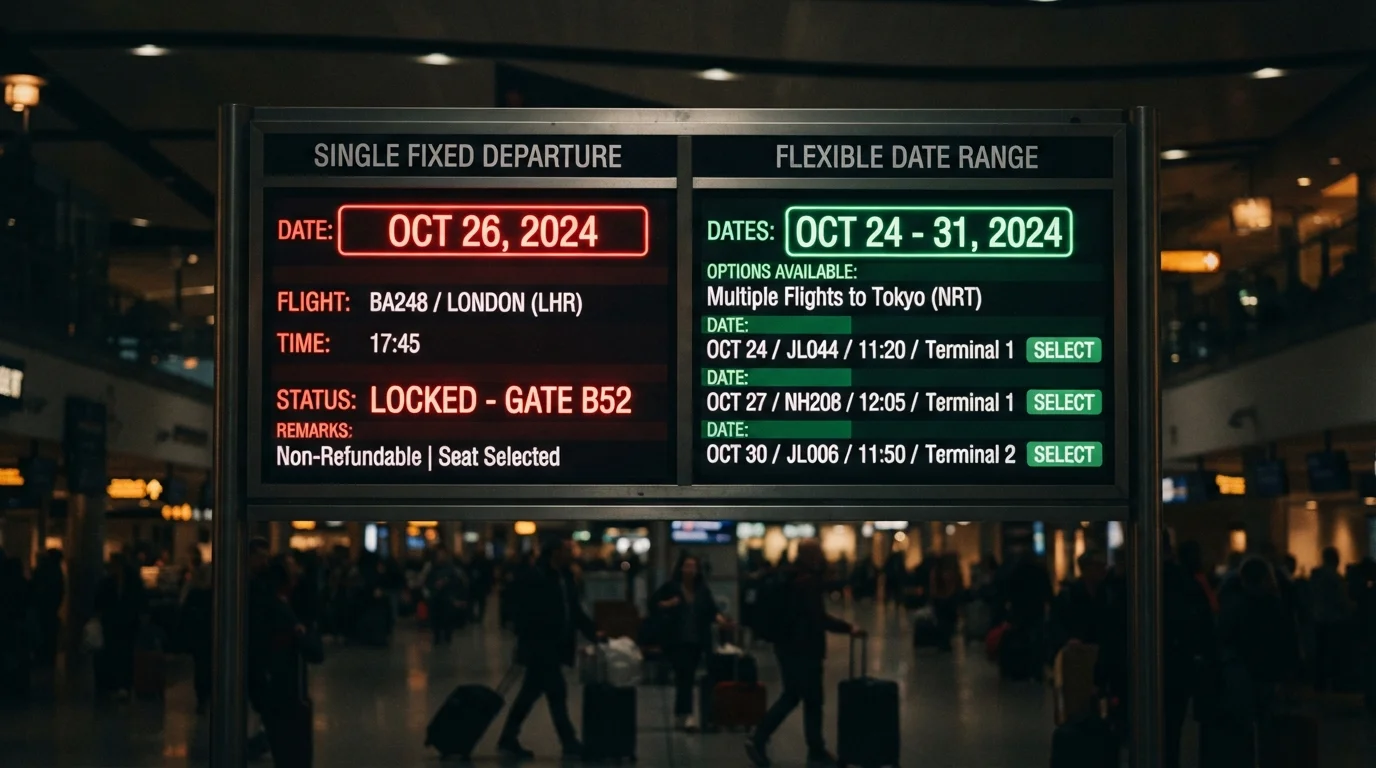
Many discounted fares and advance-rate hotel bookings are non-refundable or carry substantial change fees. If your plans shift — due to work, health, or personal circumstances — those deposits can be lost entirely.
You may miss better deals closer to the date
Airlines occasionally release last-minute fare sales or seat promotions, and hotels may drop rates to fill rooms. Booking early means you commit before seeing whether prices fall further, though this outcome is far from guaranteed.
Life changes can make plans obsolete
A new job, a family situation, or an unexpected expense can make a trip planned six months out impractical. Advance bookings carry the risk of wasted money when circumstances shift unpredictably.
Destination conditions are harder to predict
Seasonal weather patterns, local events, or travel advisories can look very different by the time you actually arrive. Booking far ahead locks you into a destination before you can confirm conditions will match your expectations.
Travel insurance adds to overall cost
Prudent advance bookers typically purchase travel insurance to protect non-refundable costs, which adds 4–10% to total trip spend — partially offsetting the savings achieved through early booking.
Refundable vs. Non-Refundable Rates
Many booking platforms offer both refundable and non-refundable rate options for the same hotel room, often with a price difference of 10–20%. If there's any chance your plans could change, running that comparison before committing is worth the extra few minutes. The refundable rate may cost slightly more upfront but eliminates the risk of losing the full amount. Always read the cancellation policy carefully before confirming.
The comparison with flexible-date booking is instructive here. If your schedule allows it, building date flexibility into your search is one of the highest-leverage tools a budget traveler has. The impact of departure timing on airfare can be significant — sometimes more impactful than how far in advance you book.
When Early Booking Makes Strategic Sense
Advance booking earns its advantages most clearly in specific situations: peak-season travel to high-demand destinations, trips involving rare or capacity-limited experiences, and itineraries where multiple travelers need to coordinate schedules. In these cases, the trade-off of reduced flexibility is genuinely worth accepting.
47 days
Average ideal advance booking window for domestic US flights
Analysis by fare-tracking platforms suggests domestic fares are frequently at their lowest roughly 3–7 weeks before departure, though this varies by route and season.
4–10%
Typical cost of travel insurance as a share of trip spend
Industry data from US travel insurance providers indicates premiums generally fall in this range, depending on traveler age, trip length, and coverage level.
For travelers with fixed vacation windows — a common reality for full-time employees with limited PTO — early booking is less of a choice and more of a necessity. Waiting for a hypothetical last-minute deal is a higher-risk strategy than it appears, and the stress of uncertainty adds a real cost that doesn't show up in fare comparisons.
If you're still in the research phase for your destination, evaluating whether a destination fits your budget before booking can help you confirm the fundamentals before committing any deposits. Accommodation trade-offs are also worth understanding early — the accommodation options and what each costs and concedes vary more than most travelers realize at the planning stage.