
Why a Pre-Purchase Inspection Is Worth Every Dollar
Buying a used car without a pre-purchase inspection (PPI) is like signing a lease without reading it. You might get lucky - or you might inherit someone else's expensive problem. A PPI is a professional evaluation performed by an independent mechanic before money changes hands. It's one of the few places in the car-buying process where spending a little upfront reliably saves a lot later.
The typical cost runs between $100 and $200 depending on your market and the shop. Compare that to an average transmission repair of $1,500-$3,500, or a timing chain replacement that can exceed $2,000. One flagged issue can pay for the inspection many times over - or give you concrete grounds to negotiate a lower price.
This checklist covers what a qualified mechanic should examine during a PPI. If you're still in the earlier stages of the car-buying process, see the first-timer's car-buying walkthrough for how this step fits into the full purchase sequence.
A Seller Who Refuses an Inspection Is a Red Flag
Any legitimate private seller or dealer should have no objection to a pre-purchase inspection by an independent mechanic. Refusal - or pressure to skip it - is one of the clearest warning signs that the vehicle has problems the seller doesn't want discovered. Walk away from any deal where a PPI is not permitted. No price discount is worth the risk of inheriting a vehicle with hidden structural or mechanical damage.
What to Do Before the Inspection Appointment
Prep work matters. Before the mechanic even lifts the hood, there are steps you should complete to make the inspection as useful as possible.
VIN History Report Service
Provides title status, reported accident history, odometer records, and prior ownership data before the inspection begins.
OBD-II Scanner
Reads stored diagnostic trouble codes from the vehicle's computer - the mechanic should use one, but you can also bring a basic unit to run your own scan.
Independent ASE-Certified Mechanic
The qualified professional who performs the physical inspection - must be unaffiliated with the seller.
Printed or Digital Inspection Checklist
Ensures you can confirm with the mechanic that every major system has been evaluated before you receive the report.
Pull a vehicle history report using the car's VIN (Vehicle Identification Number). This won't substitute for the physical inspection, but it flags title issues, reported accidents, and odometer discrepancies that shape what the mechanic should pay close attention to. Do your own research before visiting any seller so you arrive informed.
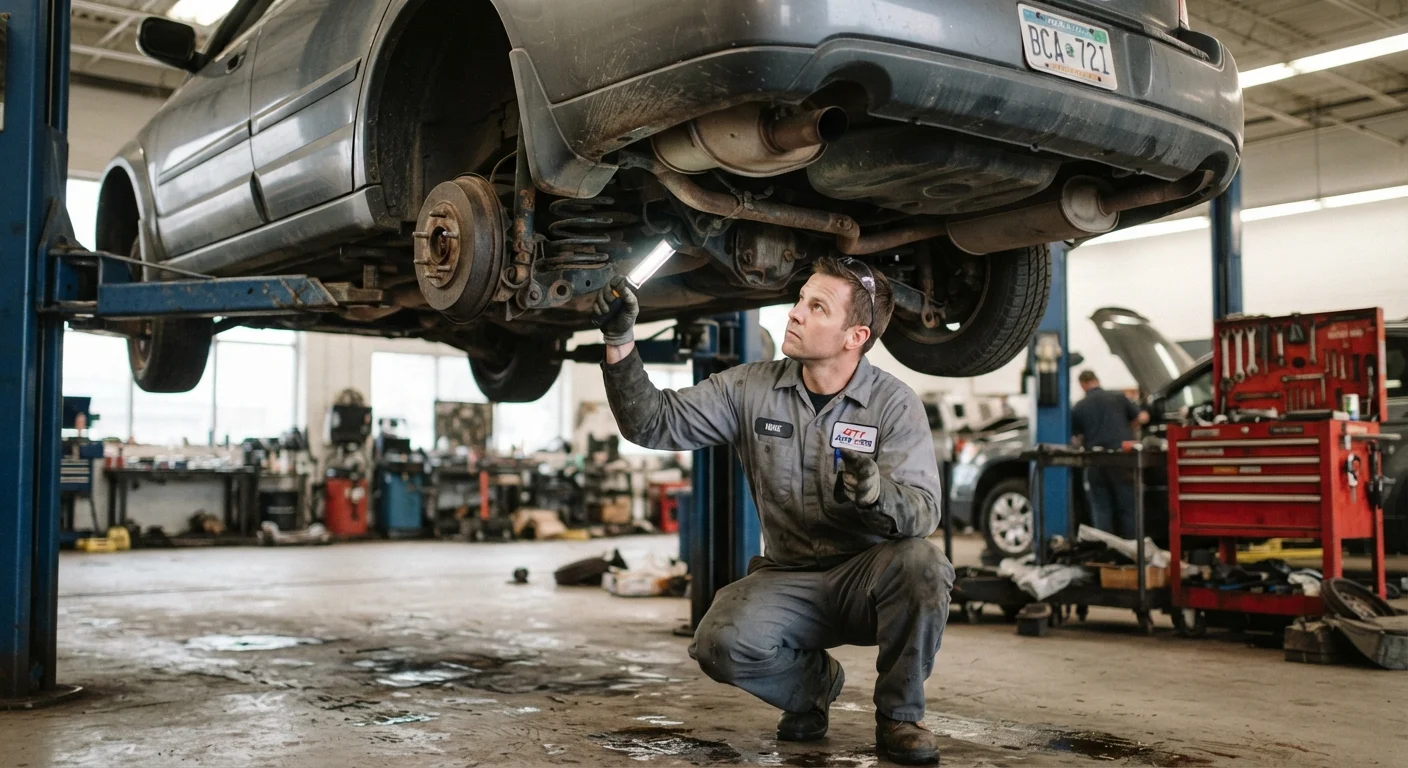
Choose your own mechanic - not one the seller suggests. Search for ASE-certified independent shops in your area. If you can't bring the car to a shop, some mobile inspection services will come to the vehicle's location, though a lift inspection gives the mechanic significantly better access to the undercarriage.
The Full Inspection Checklist
The following groups cover the complete scope of what a thorough PPI should include. Print this out or pull it up on your phone when you speak with the mechanic - it helps ensure nothing is skipped.
Under the Hood
Transmission and Drivetrain
Brakes and Suspension
Frame, Body, and Undercarriage
Electrical and HVAC Systems
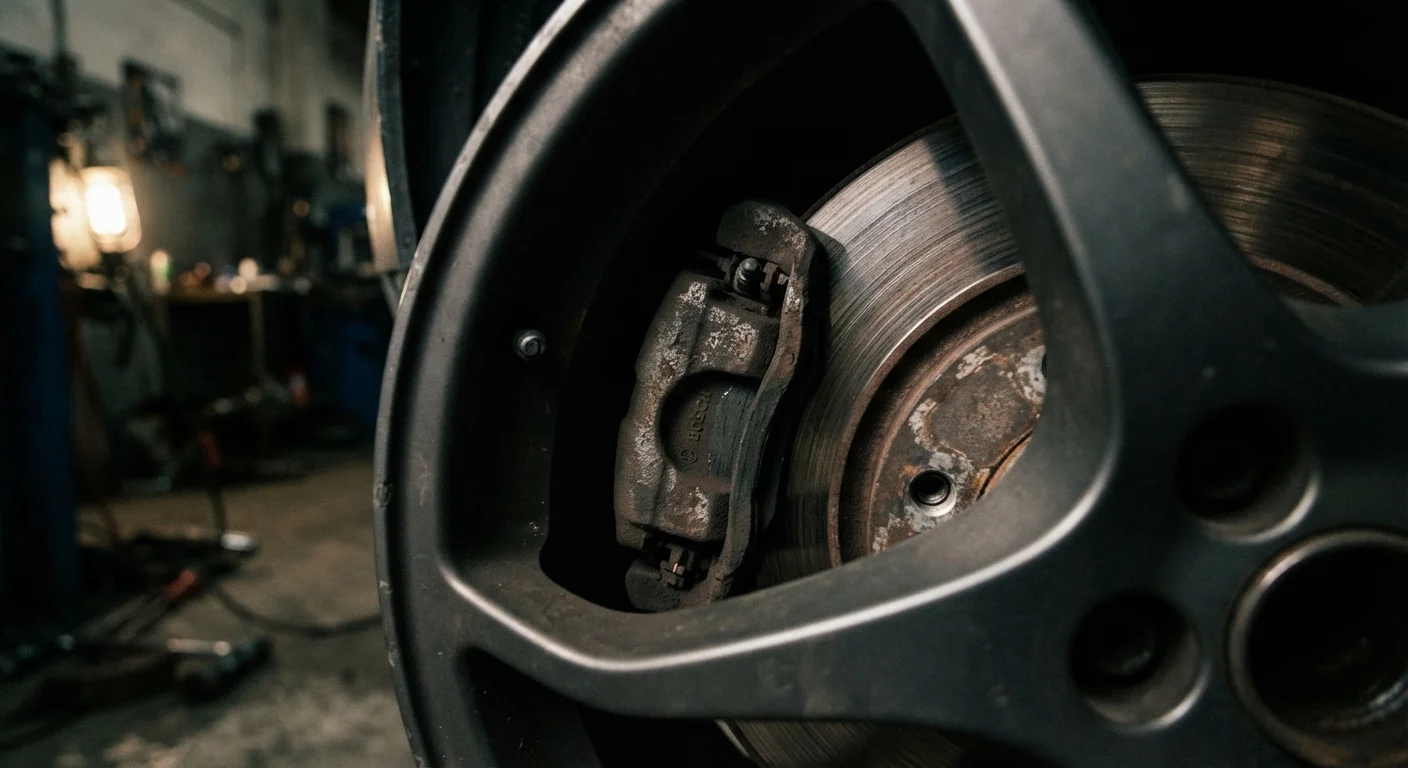
Pay particular attention to brake condition. Worn or uneven pads and rotors are among the most common issues discovered during used-car inspections, and repair costs add up quickly. Our guide on recognising brake wear signs explains what those early indicators look like if you want to understand what the mechanic is describing.
Never Skip the Undercarriage Check
Many used-car buyers focus on what they can see - the interior and engine bay - and skip asking about the undercarriage. This is where structural rust, frame damage, and fluid leaks hide. Insist on a lift inspection at a shop; a visual check from ground level alone is insufficient. If a seller says a lift inspection isn't possible, that's a reason to pause and reconsider.
After the Inspection: How to Use the Report
A good mechanic will provide a written summary of findings, often with photos. Don't let it overwhelm you - categorise the issues into three buckets: safety-critical items that must be fixed immediately, maintenance items that are due soon, and minor cosmetic or wear items that you can monitor.
Use safety-critical and near-term maintenance findings to renegotiate the price. If the inspection reveals $800 in deferred maintenance, that's a legitimate basis to ask the seller to reduce the price by at least that amount or to fix the items before sale. If they refuse both, factor those costs into your own decision.
If the car passes cleanly, you'll also benefit in the long run: once you own it, you'll know its starting condition. That makes it much easier to build the kind of maintenance habits that protect your investment from day one. For a broader look at keeping ownership costs down, the cutting car costs hub has practical strategies worth bookmarking.