

Why Pre-Visit Research Changes Everything
Most car buyers spend more time picking a restaurant than preparing for a purchase that can cost tens of thousands of dollars. The result is predictable: decisions made on incomplete information, under time pressure, in someone else's environment. Sellers - whether a dealership or a private individual - hold the advantage the moment you show up uninformed.
Doing your homework in advance levels that playing field. It means you arrive knowing what a vehicle is actually worth, what it typically costs to insure and maintain, and exactly what your budget can absorb. If you're buying your first car, the first-timer's complete walkthrough is a useful companion to this guide - it covers the full arc from budgeting to paperwork.
The practices below are not complex. They are disciplined. That discipline is what separates buyers who feel good about their purchase six months later from those who don't.
Best Practices for Pre-Purchase Research
Build your research process around these habits before you contact a single seller.
Establish your all-in budget before you look at a single listing
Sticker price is only part of what a car costs. Sales tax, registration fees, insurance, fuel, and expected maintenance can add thousands to year-one costs. Without a clear ceiling that accounts for all of these, it's easy to stretch into a vehicle that strains your finances every month.
Research fair market value using multiple independent pricing sources
No single pricing tool has the full picture. Cross-referencing several sources - including published market guides and active listings in your local area - gives you a realistic range rather than a single figure that could be outdated or skewed. This range is the anchor for every price conversation you'll have.
Run a vehicle history report on any used car before arranging a viewing
A vehicle history report - available through federally authorized services using a vehicle's VIN - can reveal prior accidents, odometer discrepancies, title issues, and the number of previous owners. This information can disqualify a vehicle entirely or inform how aggressively you negotiate.
Get pre-approved for financing through your own bank or credit union before visiting dealers
When you walk into a dealership without financing lined up, the finance office controls the conversation. They can present monthly payments instead of total price, obscuring the true cost of add-ons and interest. A pre-approval letter gives you a known rate to compare against any dealer offer - and often prompts a better one.
Research ownership costs for specific makes and models, not just purchase price
Depreciation, insurance rates, and repair frequency vary significantly by vehicle. A lower-priced vehicle with high insurance premiums or above-average repair costs can be more expensive to own over three years than a pricier alternative. Resources published by insurance industry groups and independent reliability surveys provide this data without requiring any technical knowledge.
Write down your must-haves and absolute deal-breakers before any viewing
Showrooms and listings are designed to be appealing. Without a written reference, it's easy to rationalize past deal-breakers in the moment - 'it's just slightly over budget' or 'I can live without the backup camera.' A written list acts as a commitment device that keeps your pre-visit reasoning intact when emotions are running higher.
Start Acting on These Today
You don't need to have a specific car in mind to begin. The groundwork you lay now - on financing, on budget, on market pricing - applies to every vehicle you'll consider.
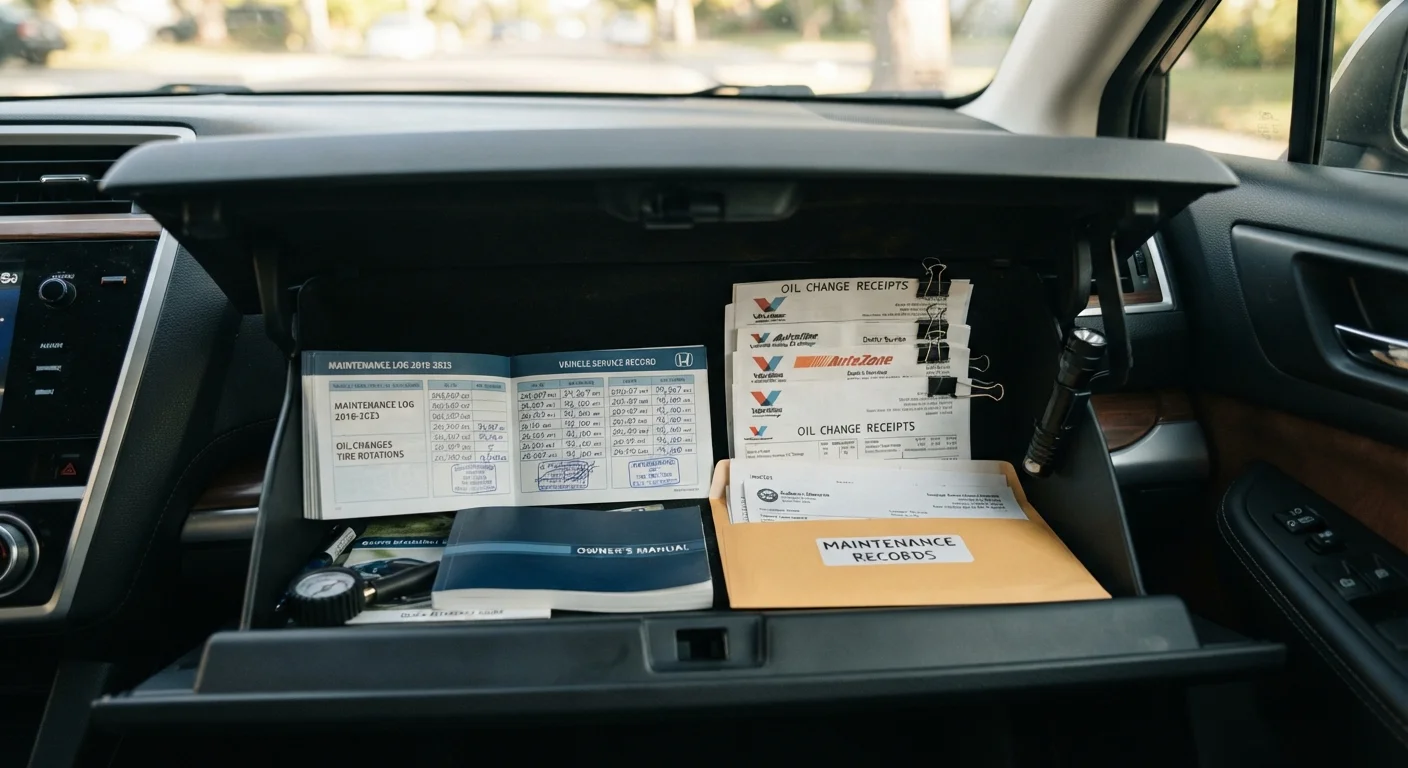
One area buyers routinely overlook: the service history of any used vehicle they're considering. A well-documented maintenance record is meaningful evidence of how a car was treated. Our guide on what a service log should contain explains exactly what to look for.
Once your research is complete and you're ready to talk numbers, see our guidance on negotiating a car price without feeling pressured so you can hold your ground confidently.