
What a Car Service Log Actually Is
A car service log is a running record of every maintenance task and repair performed on a vehicle, from routine oil changes to brake replacements. It captures what was done, when it was done, how many miles were on the odometer, what parts were used, and who performed the work - whether that was a shop, a dealership, or you in your own driveway.
Think of it as a medical chart for your car. Without it, a prospective buyer or mechanic has no way to verify what care the vehicle has received. With it, there's a clear, credible trail that answers the questions every careful buyer will ask.
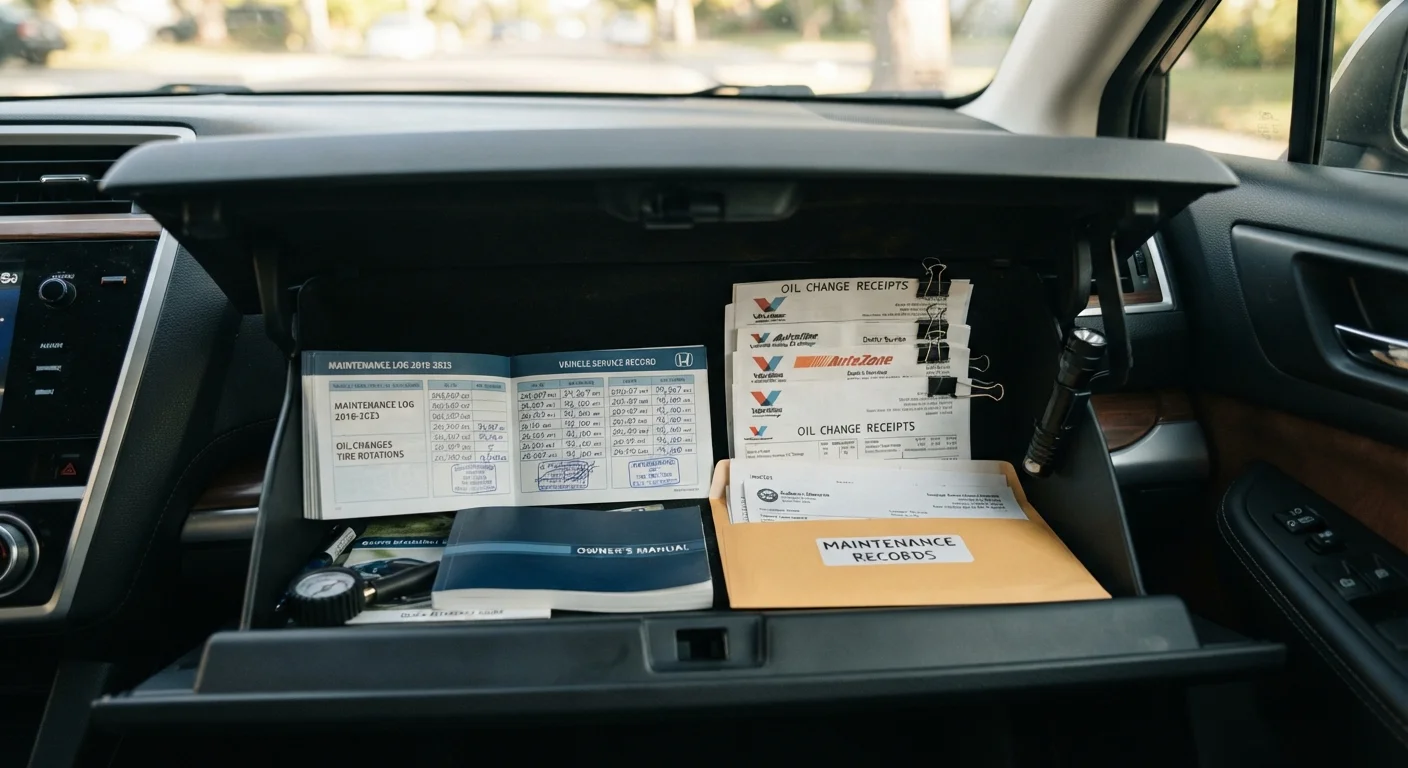
A log can be physical - a dedicated notebook kept in the glovebox - or digital, using a notes app, spreadsheet, or one of several free mileage-tracking apps. Format matters less than consistency. What you're building is verifiable, dated evidence of responsible ownership.
Vehicle history report services capture some of this data automatically when work is done at a licensed shop, but they have real gaps. Learn what those reports miss - and why a personal log fills those gaps more completely.
Why It Has a Real Impact on Resale Value
When someone is deciding how much to pay for a used car, uncertainty is their enemy - and yours. A car with no service history forces a buyer to assume the worst: skipped oil changes, neglected filters, deferred repairs. That assumption costs you money at negotiation time.
A complete service log removes that uncertainty. It shifts the conversation from "I hope this car was taken care of" to "I can see this car was taken care of." Private sellers and dealers both recognize this. According to industry data cited by automotive valuation sources, a documented full-service history can add a meaningful premium to a vehicle's private-sale price - particularly for cars over five years old or with higher mileage.
Up to $500+
Estimated resale premium for full service history
Automotive valuation analysts consistently note that verifiable maintenance records positively affect private-sale negotiations, particularly on vehicles over five years old.
~30%
Used-car buyers who prioritize service records
Consumer surveys on used-car buying behavior routinely show that a significant share of buyers rank documented maintenance history among their top purchase criteria.
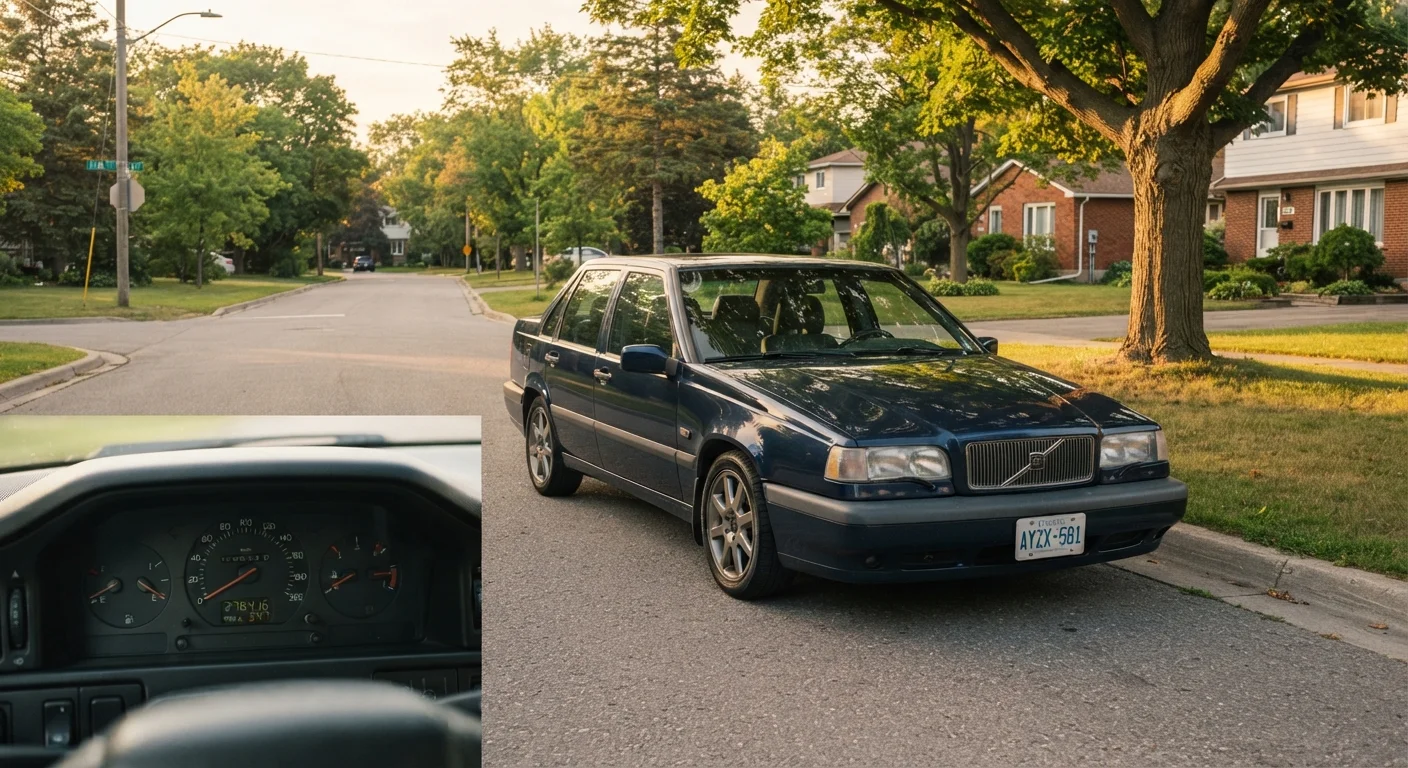
This matters even more if you plan to keep a car long-term before eventually selling. The longer you own a vehicle, the more service events accumulate - and the more a thorough log distinguishes your car from one that's been neglected.
High-mileage cars in particular benefit from documented history. A high-odometer car with full records is often a stronger buy than a lower-mileage car with none.
Best Practices for Building and Maintaining Your Log
Record every service event within 48 hours of completion.
Memory fades and receipts go missing. Logging promptly ensures accuracy and prevents gaps that a savvy buyer will notice. A consistent, gap-free record is far more credible than one with unexplained lapses.
Store physical receipts and take a photo of each one immediately.
Thermal paper receipts fade over years and become unreadable. A photo backup in cloud storage ensures your documentation survives even if the paper doesn't.
Log DIY work with the same detail as professional service.
Work you do yourself counts just as much as a shop visit. Without documentation, it's invisible to a future buyer. A clear entry with parts receipts proves the work happened.
Include the mileage at every single entry, not just the date.
Buyers and mechanics think in mileage intervals, not calendar months. Mileage entries let anyone verify that intervals were followed correctly and predict when the next service is due.
Keep the log with the car, not just at home.
A service log is most useful at the point of sale or inspection. If it lives only in a desk drawer, it won't be available when a buyer asks during a test drive.
If you're following your manufacturer's recommended intervals, your owner's manual maintenance schedule is the backbone of what your log should reflect. Every item on that schedule - oil changes, tire rotations, fluid flushes, filter replacements - deserves its own dated entry.
What to Do If You're Starting Late
Bought a used car with no records? Don't let perfect be the enemy of good. Start logging from today. Note the current mileage, any work you have done immediately, and any receipts you can gather from the previous owner. Even a partial history is better than none.
If you've already owned the car for a while without a log, pull together whatever receipts or invoices you've held onto and reconstruct what you can. Most shops can also print a service history from their records if you were a returning customer - it's worth calling to ask.
When you eventually sell, be straightforward about when documentation begins. Buyers appreciate honesty, and a partial log paired with a transparent explanation still signals that you're a careful owner. That credibility has value.
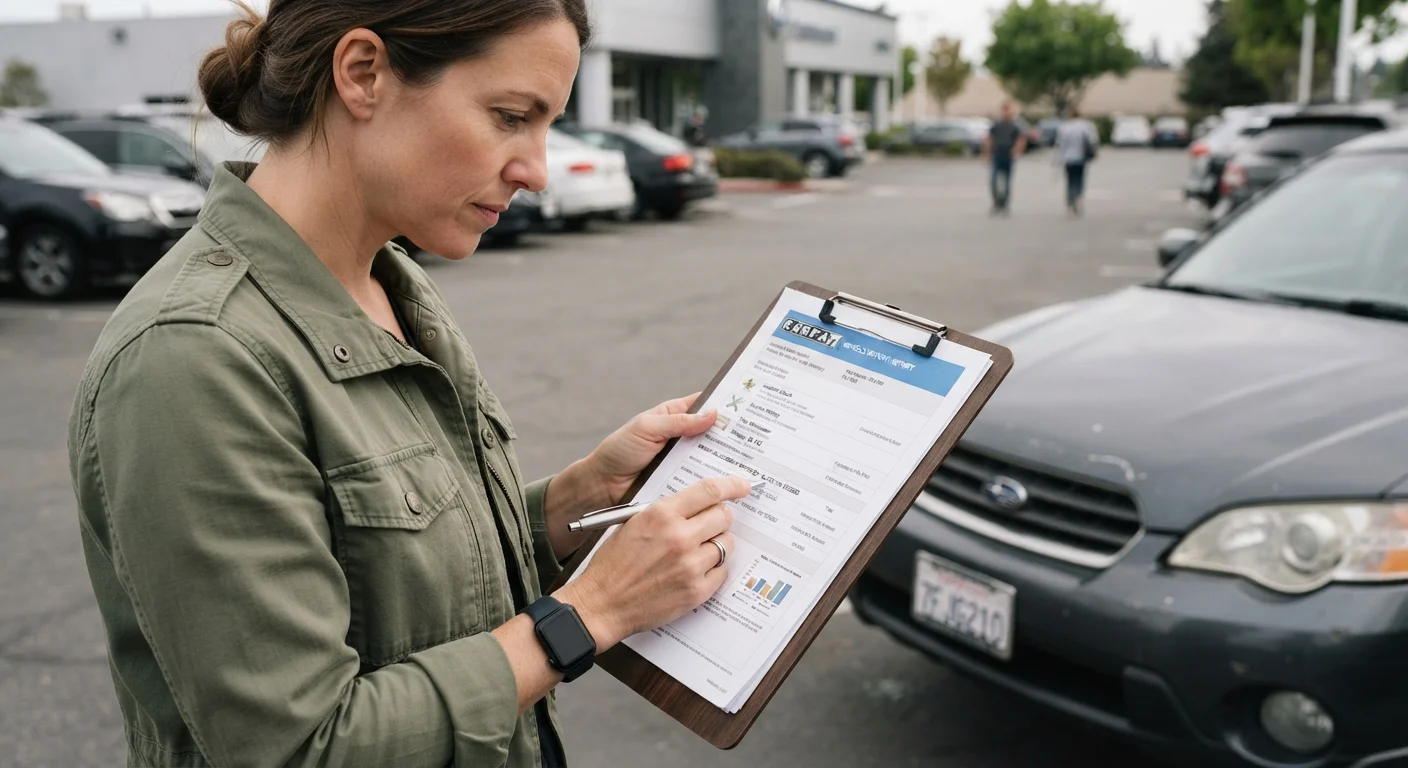
Before your next purchase, apply the same logic from the buyer's side: research thoroughly before approaching any seller, and always ask to see whatever service records exist.