
Why Seasonal Checks Are Worth Your Time
Temperature swings are hard on mechanical systems. Cold thickens engine oil, saps battery voltage, and makes rubber brittle. Heat accelerates fluid breakdown, pushes tyres toward over-inflation, and strains cooling systems that already run close to their limits. The result: the two highest-risk periods for breakdowns in the US are late fall and early summer - precisely when most drivers aren't thinking about their car until something goes wrong.
Running through a seasonal checklist takes under an hour and costs nothing beyond basic supplies you likely already own. Compare that with the average cost of a roadside tow (typically $75-$125 for short distances) or an emergency repair that could have been a $15 fix if caught early. For budget-conscious drivers, prevention is one of the highest-return habits in car ownership.
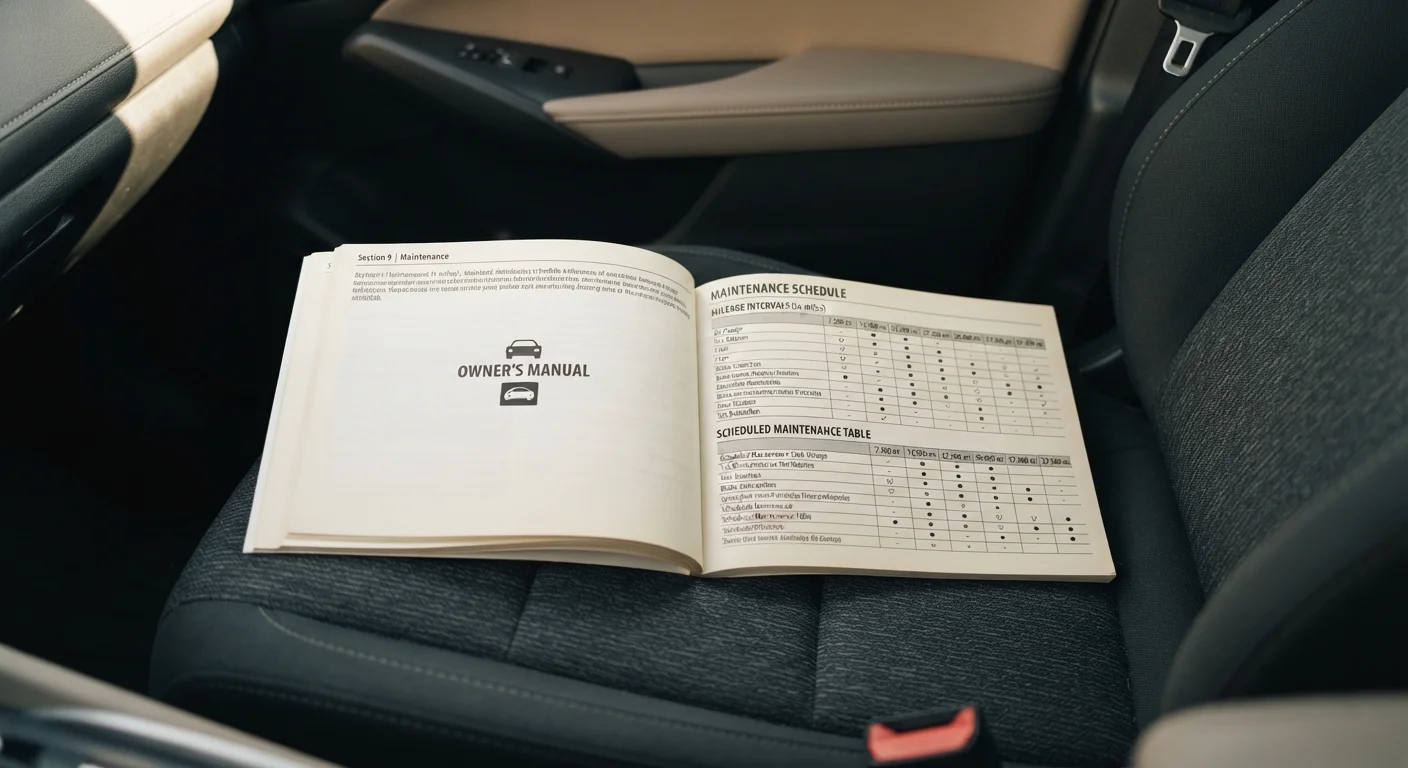
Before diving into the checklist, pull out your owner's manual - specifically the maintenance schedule section. As explained in our guide on reading your owner's manual, the manufacturer's intervals are calibrated for your specific vehicle and are more reliable than generic timelines. Use this checklist alongside that schedule, not instead of it.
Tyres
Battery
Fluids
Cooling System
Brakes and Lights
Wipers and Visibility
Tools and Supplies You'll Need
Most of these checks require simple, inexpensive tools - many of which double as emergency kit items worth keeping in your car year-round. Having them on hand means you can act on what you find rather than scheduling a separate trip.
Tyre pressure gauge
Accurately measure tyre inflation - digital gauges are more precise than stick-type and typically cost under $15.
Antifreeze tester
Measures the freeze protection level of your coolant mix in seconds - a basic float-type costs around $5-$10.
Multimeter
Tests battery voltage (12.6V fully charged at rest) and can check defroster element continuity.
Flashlight or work light
Lets you see clearly under the hood and inspect tyre sidewalls without relying on ambient light.
Baking soda and an old toothbrush
Cleans battery terminal corrosion safely and cheaply without commercial sprays.
Owner's manual
Your definitive reference for fluid specifications, tyre pressure, and service intervals specific to your vehicle.
Critical Checks Before Winter
Never Ignore Brake Warning Signs
Grinding, squealing, or a soft/spongy brake pedal are not sounds to monitor - they are signals to stop driving and have the system inspected by a qualified mechanic before the vehicle is used again. Brake failure is one of the most dangerous and preventable mechanical emergencies. Do not attempt to inspect or repair brake components unless you have confirmed mechanical training and the appropriate equipment.
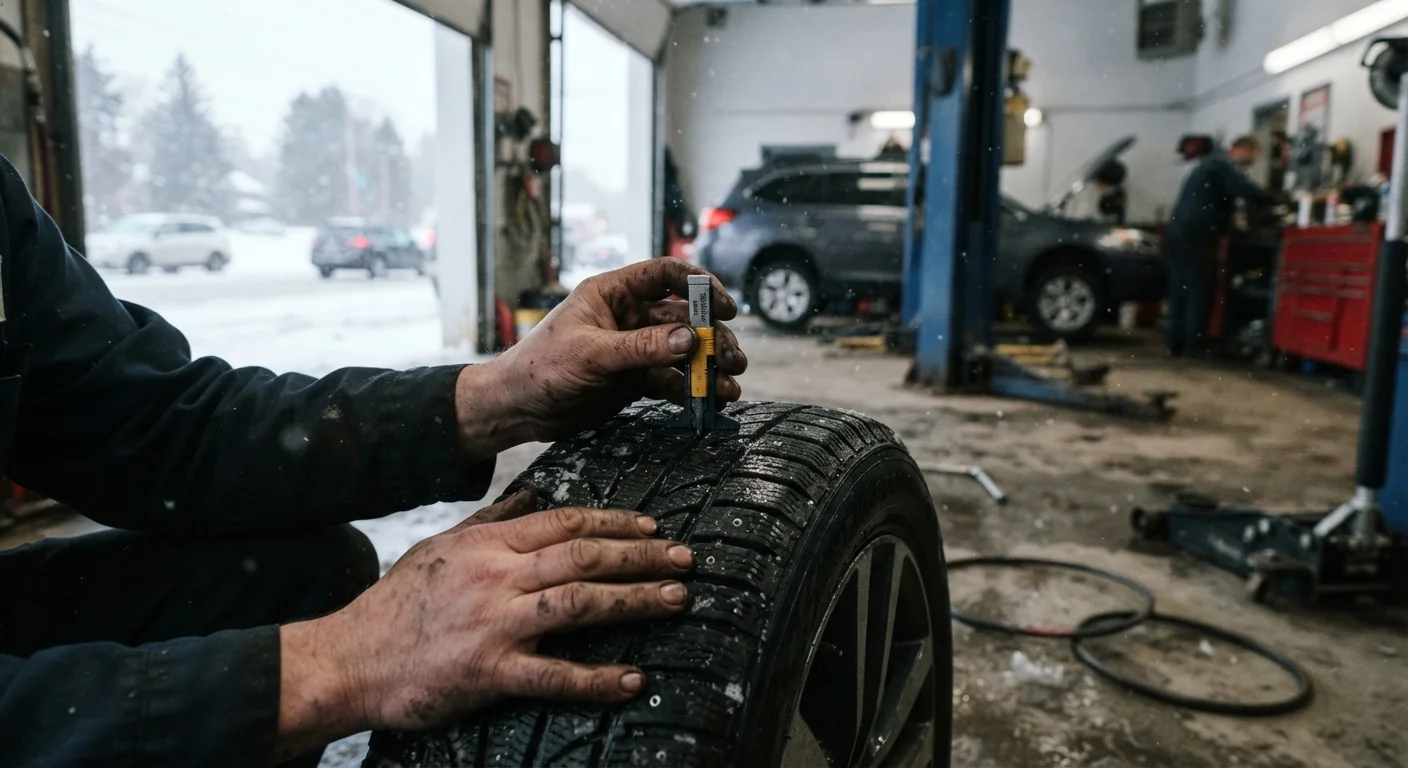
Winter checks are primarily about preventing failure in conditions where a breakdown is dangerous - freezing temperatures, reduced visibility, and roads that may be far from help. Prioritize battery and tyre checks above everything else.
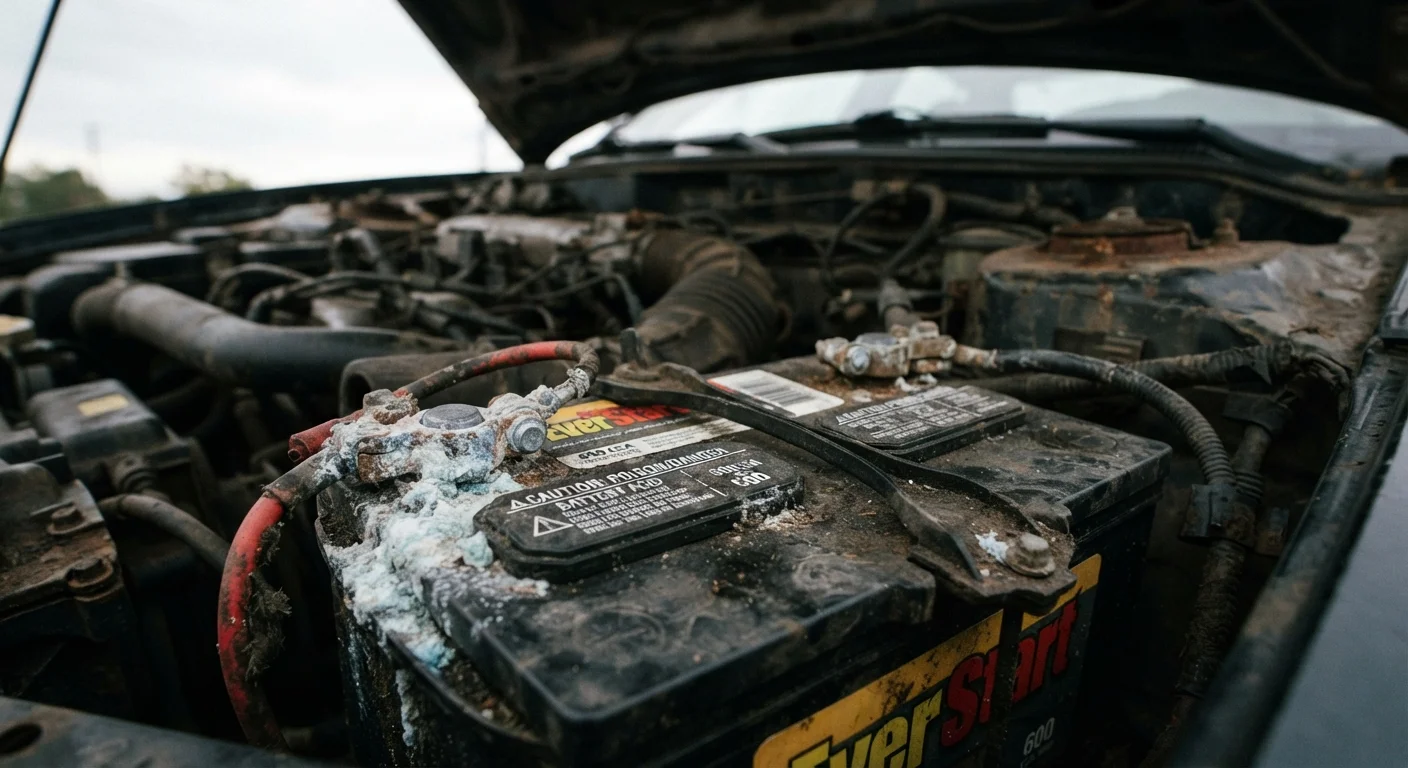
Battery health deserves special attention heading into cold months. Cold weather reduces a battery's effective output, and a battery that seems fine in September may not crank reliably at 20°F. See our detailed breakdown in car battery health guide for signs of a weakening battery and how to interpret a load test result.
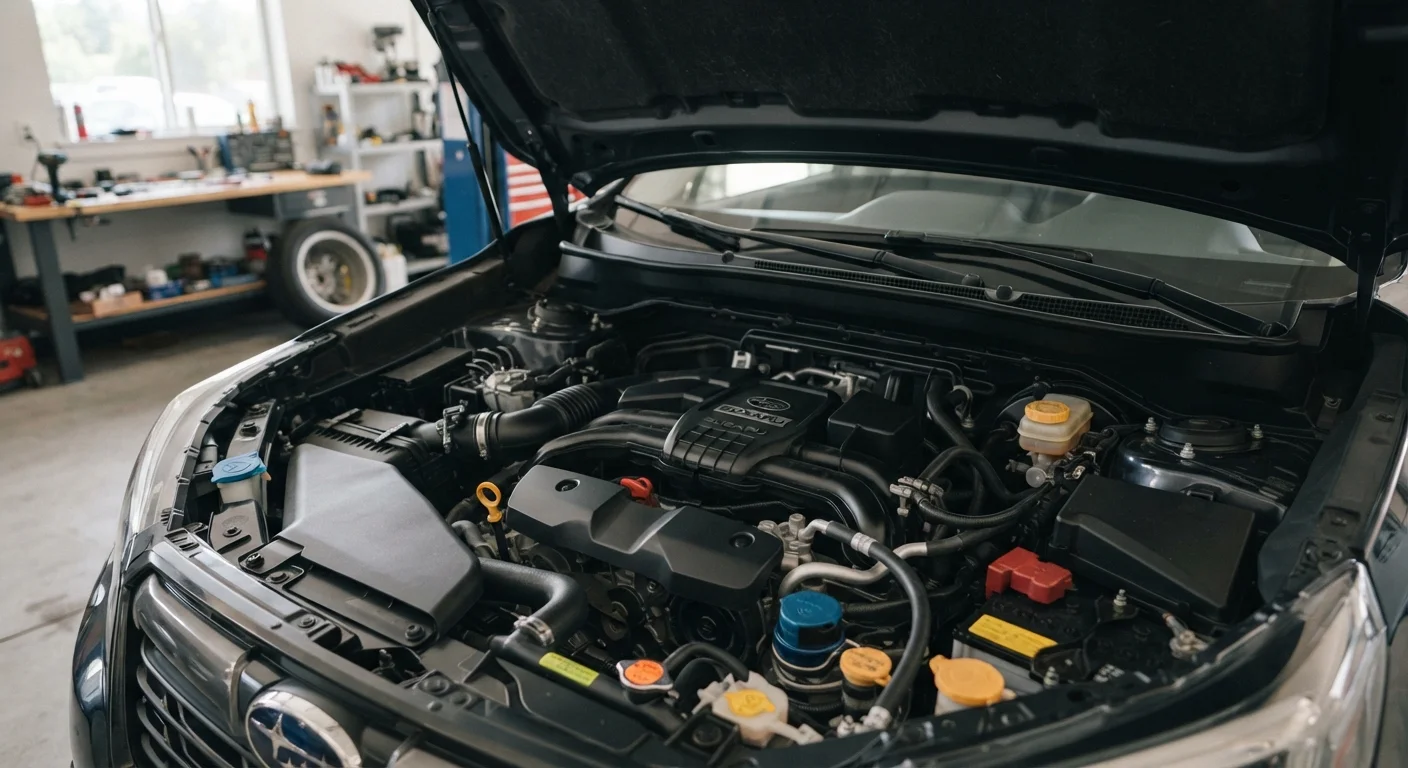
Fluids are equally critical - particularly coolant (also called antifreeze), which must be mixed at the right concentration to prevent freezing in the cooling system. Check our full guide to fluids under your hood for what each fluid does and the risks of neglecting them. A basic antifreeze tester (typically under $10) tells you the freeze protection level of your current coolant in about 30 seconds.
Critical Checks Before Summer
Don't Check Coolant on a Hot Engine
Never open the radiator cap or coolant reservoir when the engine is hot - pressurized coolant can spray and cause serious burns. Always let the engine cool completely (at least 30-45 minutes after driving) before inspecting the cooling system. If you notice steam or a sweet smell while driving, pull over safely and call for assistance rather than opening the hood immediately.
Summer places the most strain on your cooling system. An engine that runs fine in mild weather can overheat when ambient temperatures push past 90°F and you're stuck in stop-and-go traffic with the A/C on full. Check coolant level and hose condition before temperatures climb - a cracked hose or low coolant reservoir is cheap to fix proactively and expensive to ignore.
Tyre pressure also needs attention in hot weather. Air expands as it warms, and tyres can become over-inflated during summer heat waves if they were set to the correct pressure in cooler conditions. Check pressure in the morning before driving, when tyres are cold, using the PSI value on the sticker inside your driver's door jamb - not the maximum PSI printed on the tyre sidewall, which is the tyre's structural limit, not the recommended operating pressure.
These seasonal checks are one piece of the broader picture. If you want to audit every recurring vehicle expense in one sitting, the annual car running cost audit is a useful companion - it covers insurance, fuel, registration, and servicing costs in addition to maintenance.