
Why the Maintenance Schedule Section Gets Ignored
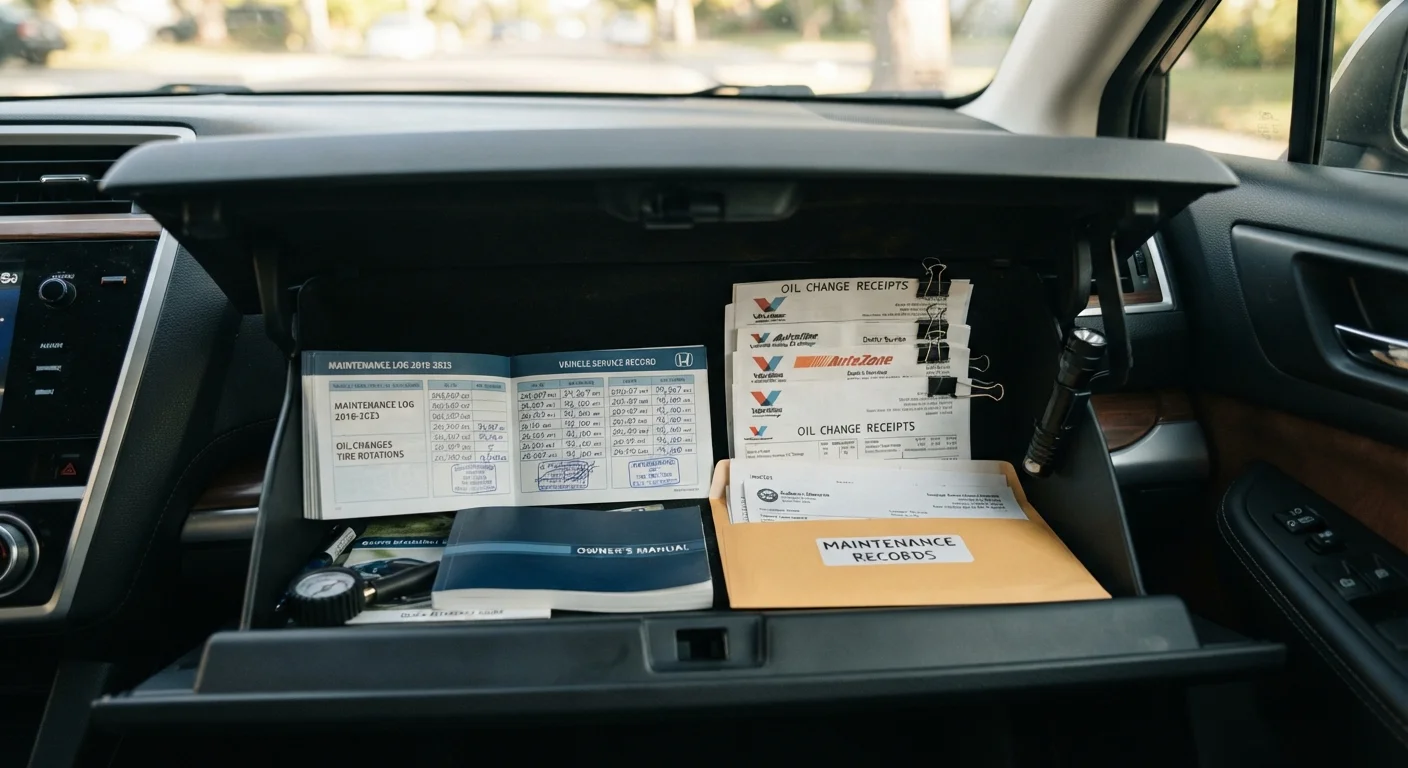
Most drivers reach into their glove box once - to find proof of insurance during a traffic stop - and never open the owner's manual again. That's an expensive habit. The maintenance schedule buried inside is the single most vehicle-specific document you'll ever have access to, written by the engineers who designed your engine, tested your transmission fluid under load, and determined exactly how long your coolant stays effective.
What you get instead, in most cases, is a sticker on your windshield from the last oil change shop, or a flashing dashboard reminder calibrated to a generic mileage interval. These aren't bad in the sense that they cause harm - but they're not tailored to your car. Following maintenance advice that isn't matched to your vehicle often means servicing things too frequently and spending money you don't need to spend.
The manufacturer's schedule is the baseline that actually matters. Everything else is noise.
What You'll Need Before You Start
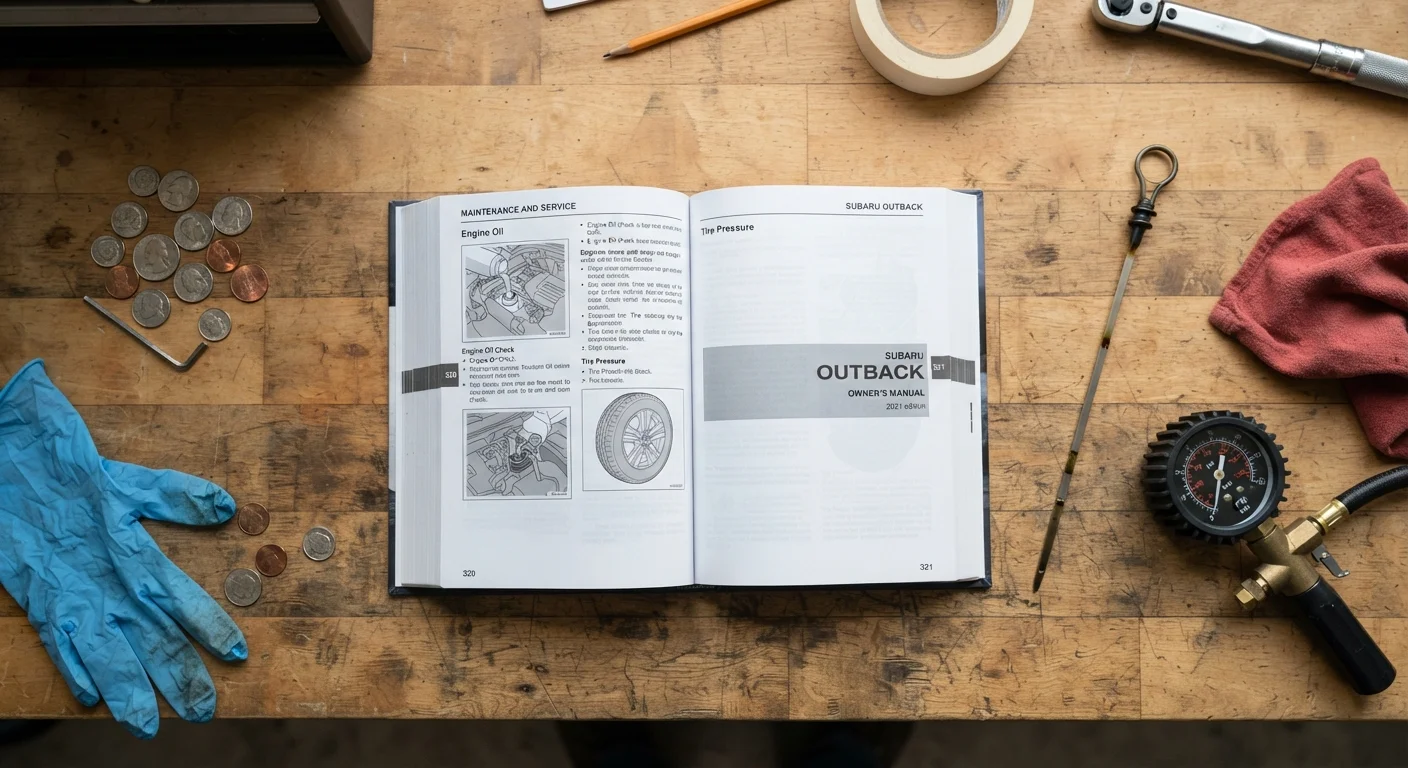
What you will need
Once you have these on hand, the process of reading and applying your maintenance schedule takes less than half an hour - and pays off every time you're at a service counter.
How to Find and Read Your Maintenance Schedule
Locate the maintenance schedule section
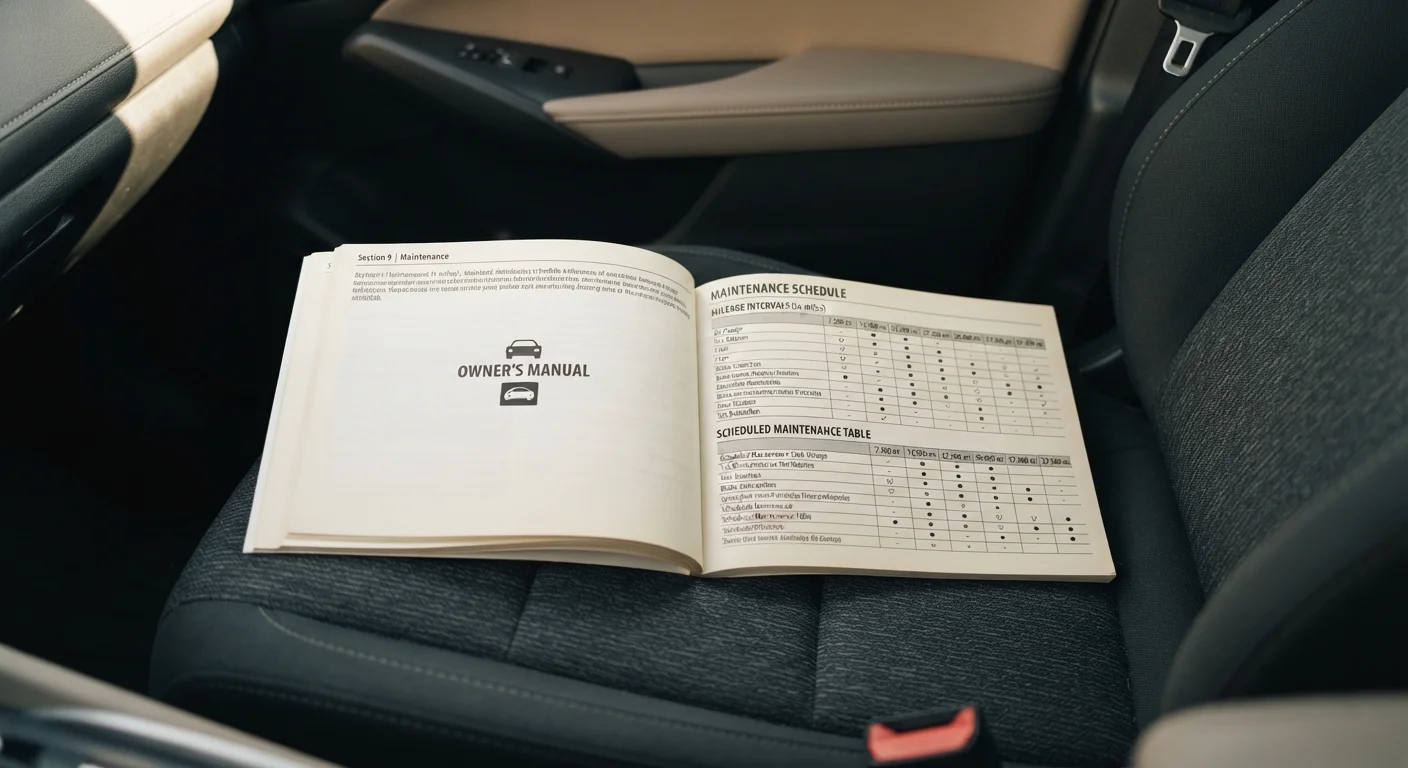
Open your owner's manual and check the table of contents for terms like 'Maintenance Schedule,' 'Scheduled Maintenance,' or 'Service Intervals.' In most manuals this section falls in the final third of the book. If you're using a PDF, use the search function to find it quickly.
Identify your driving condition category
Before reading the service intervals, find the section that defines normal versus severe driving conditions. Read both definitions carefully and honestly assess which category matches how you actually use the car - not how you'd like to use it.
Read the mileage and time-based intervals
Most schedules list services by mileage (e.g., every 5,000, 15,000, or 30,000 miles) and sometimes by time elapsed (e.g., every 12 months), whichever comes first. Note both. Common items you'll find include engine oil and filter, tire rotation, air filter, cabin air filter, spark plugs, brake fluid, transmission fluid, and coolant.
Compare the schedule to your current mileage
Write down your current odometer reading and, using your service history, note the mileage at which each item was last completed. Calculate how far away each upcoming service is. This gives you a clear, prioritized list rather than a vague sense that 'the car is probably due for something.'
Record your findings somewhere actionable
Transfer your upcoming service milestones to a place you'll check regularly - a phone note, calendar alert, or a written service log kept with the car. Set reminders roughly 1,000 miles before each service is due so you can plan ahead, especially for larger-ticket items like transmission fluid or spark plugs.
Once you've located and read through the schedule, record the upcoming service milestones somewhere you'll actually see them. A note on your phone, a calendar reminder, or a physical car service log all work. The point is to stop relying on a shop's reminder system as your primary source of truth.
Normal vs. Severe Driving Conditions: Know Which One You Are
Almost every owner's manual contains two service tracks: one for normal driving and one for severe or special operating conditions. This distinction is where many drivers accidentally over-spend. Severe conditions typically include:
- Frequent short trips under 5 miles, especially in cold weather
- Towing, hauling heavy loads, or frequent trailer use
- Driving in sustained stop-and-go traffic for extended periods
- Operating in extreme heat, cold, or dusty environments
If your daily commute is a 20-minute highway drive in a moderate climate, you almost certainly qualify as a normal-condition driver - which means the less frequent service intervals apply to you. Shops that default everyone to severe-condition schedules aren't necessarily being dishonest, but it's worth knowing what your manual actually says before agreeing to additional services.
When In Doubt, Default to the Manual
If a service advisor recommends something that isn't listed in your maintenance schedule for your current mileage, it's reasonable to ask why it's needed now. Some recommendations are valid - but some are standard upsells. Knowing your schedule gives you the information to ask the right question without being confrontational.
For drivers who do fall into severe conditions, the more frequent schedule genuinely matters. Skipping scheduled maintenance compounds into bigger bills faster than most people expect, particularly for transmission fluid and coolant.
Putting the Schedule to Practical Use
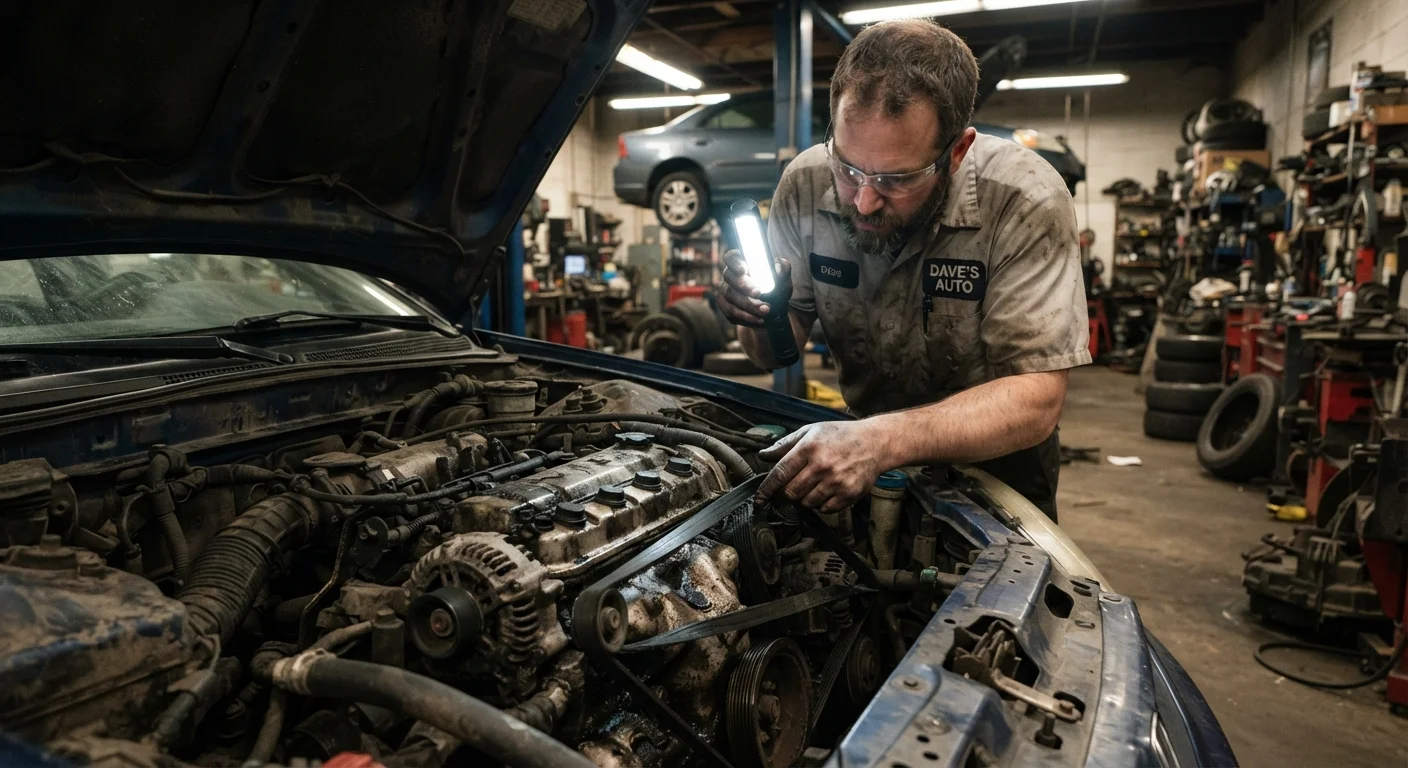
Reading the schedule is only useful if you act on it. Cross-reference your current mileage and the last date each service was performed - this tells you which items are coming up and which may already be overdue. If you've bought a used car without full service records, the condition of the fluids under your hood can help you estimate where things stand.
When you take your car in for a scheduled service, bring your notes from the manual. Knowing exactly what the manufacturer calls for at your current mileage puts you in a much stronger position to evaluate what a shop recommends versus what's actually due. For tasks that fall within your skill level, our guide to DIY versus garage maintenance can help you decide what's worth handling yourself.
The owner's manual doesn't make you a mechanic - but it does make you an informed customer, which is worth a great deal when you're standing at a service counter.