
Why Car Fluids Matter More Than Most Drivers Realize
Your car is essentially a collection of systems that would destroy themselves through heat, friction, and pressure if not for a handful of liquids doing quiet, thankless work. Neglecting these fluids is one of the most common - and most preventable - causes of expensive repair bills. Unlike worn tires or a cracked windshield, low fluid levels are largely invisible until something goes wrong.
The good news: checking most fluids takes under five minutes and costs nothing. Understanding what each one does - and what happens when it runs low - puts you in control of a maintenance routine that most people hand entirely (and expensively) to a shop. See our guide to building good maintenance habits for a broader starting framework.
| Number of key fluids to monitor | 6 (oil, coolant, brake fluid, power steering, transmission, washer fluid) |
| Recommended oil check frequency | Monthly or before long trips |
| Typical engine overheating repair cost | $1,500+ for a warped cylinder head (General mechanic industry estimates) |
| Automatic transmission repair cost range | $1,800-$3,500+ (General mechanic industry estimates) |
| Time needed to check all fluids | Under 10 minutes |
| Power steering pump replacement cost | $200-$500 (hydraulic systems) (General mechanic industry estimates) |
The Six Fluids Every Driver Should Know
Engine Oil
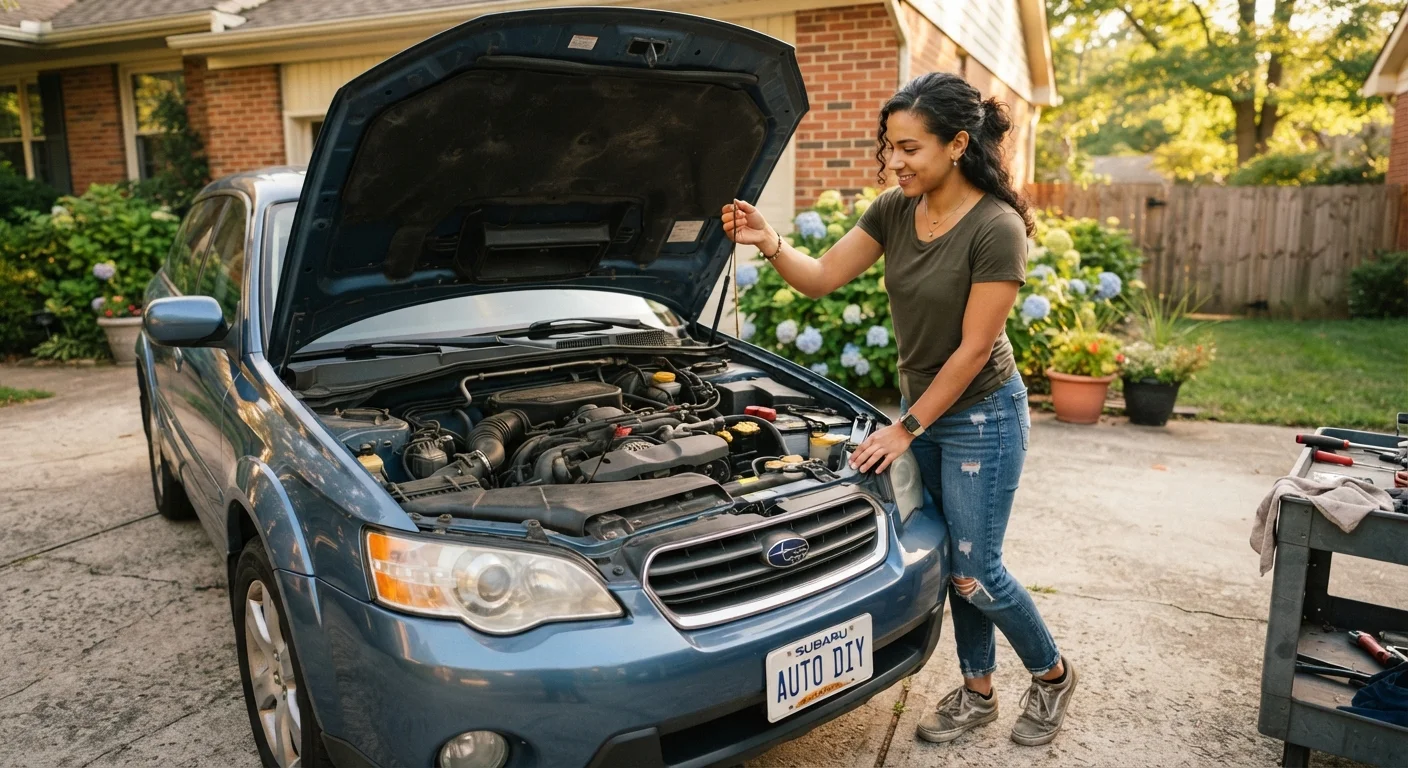
Oil lubricates the hundreds of moving metal parts inside your engine, reducing friction and carrying heat away from critical components. When oil runs low or degrades, metal grinds against metal. The result can be scored cylinder walls, damaged bearings, or a seized engine - repairs that routinely cost thousands of dollars. Check the dipstick monthly when the engine is cold. Oil that looks black and gritty is overdue for a change.
Coolant (Antifreeze)
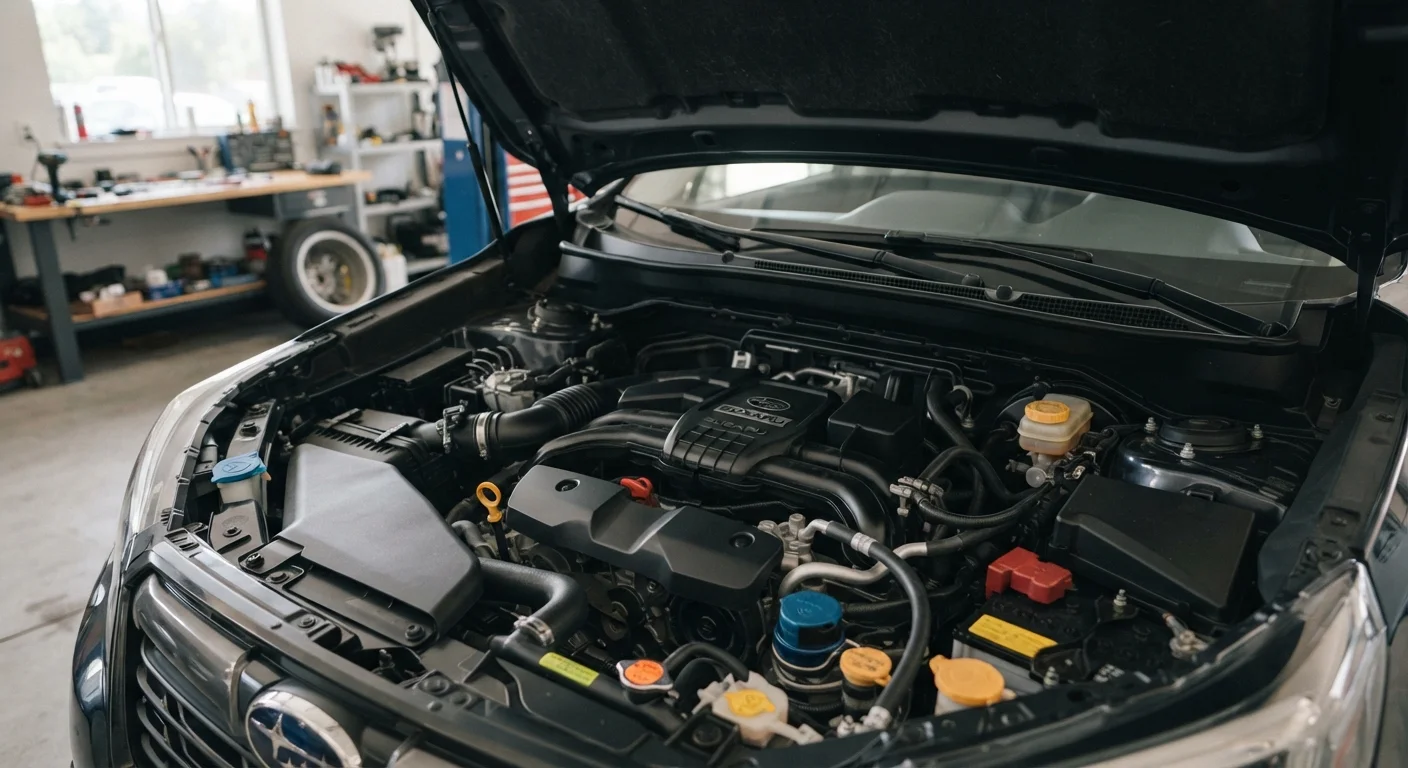
Coolant circulates through your engine and radiator to regulate temperature, preventing both overheating in summer and freezing in winter. A low coolant level can cause your engine to overheat within minutes of driving. Sustained overheating warps cylinder heads - a repair that can exceed $1,500. Check the translucent overflow reservoir; the level should sit between the MIN and MAX marks. Never open a hot radiator cap.
Brake Fluid
Brake fluid transmits the force of your foot on the pedal through a hydraulic system to the brake calipers. It absorbs moisture over time, which lowers its boiling point and can cause brake fade or a spongy pedal feel. Critically low brake fluid often indicates a leak - a situation that warrants immediate professional inspection. If your brake warning light activates, do not ignore it. See what dashboard warning lights are telling you for more context.
Power Steering Fluid
Vehicles with hydraulic power steering use this fluid to assist wheel turning. Low levels make steering feel heavy and can damage the power steering pump - a component that typically costs $200-$500 to replace. Note: many newer vehicles use electric power steering and have no fluid to check.
Transmission Fluid
Transmission fluid lubricates the gears and clutches inside your gearbox, whether automatic or manual. Low or degraded fluid causes rough shifting, slipping, and eventually transmission failure. Automatic transmission repairs are among the most expensive in automotive maintenance, often ranging from $1,800 to $3,500 or more. Your owner's manual will specify the correct check procedure and change interval.
Windshield Washer Fluid
The only fluid on this list that won't damage your engine if it runs dry - but running out in winter or during a muddy highway stretch is a real visibility hazard. Use a proper washer fluid rated for freezing temperatures in cold climates; water alone will freeze in the reservoir and lines.
Hydraulic system
A mechanism that uses pressurized liquid to transmit force. Your brakes and some power steering systems rely on hydraulics - which is why fluid leaks in these systems are immediately safety-critical.
Coolant concentration
The ratio of antifreeze to water in your cooling system. The correct concentration determines both the freeze point and the boiling point of the mixture, and should be checked with an inexpensive test strip.
Brake fade
A temporary reduction in braking power caused by overheated or moisture-contaminated brake fluid. It typically feels like a spongy or unresponsive pedal and is a warning sign that the fluid needs attention.
Dipstick
A long, thin metal rod inserted into the engine oil reservoir that lets you measure oil level and inspect its condition without specialized tools. Most engines have one; some newer models use an electronic oil monitor instead.
Transmission fluid
A specialized oil that lubricates and cools the internal components of your vehicle's transmission. Automatic and manual transmissions typically require different fluid types, so always check your owner's manual before adding any.
How to Build a Simple Fluid Check Routine
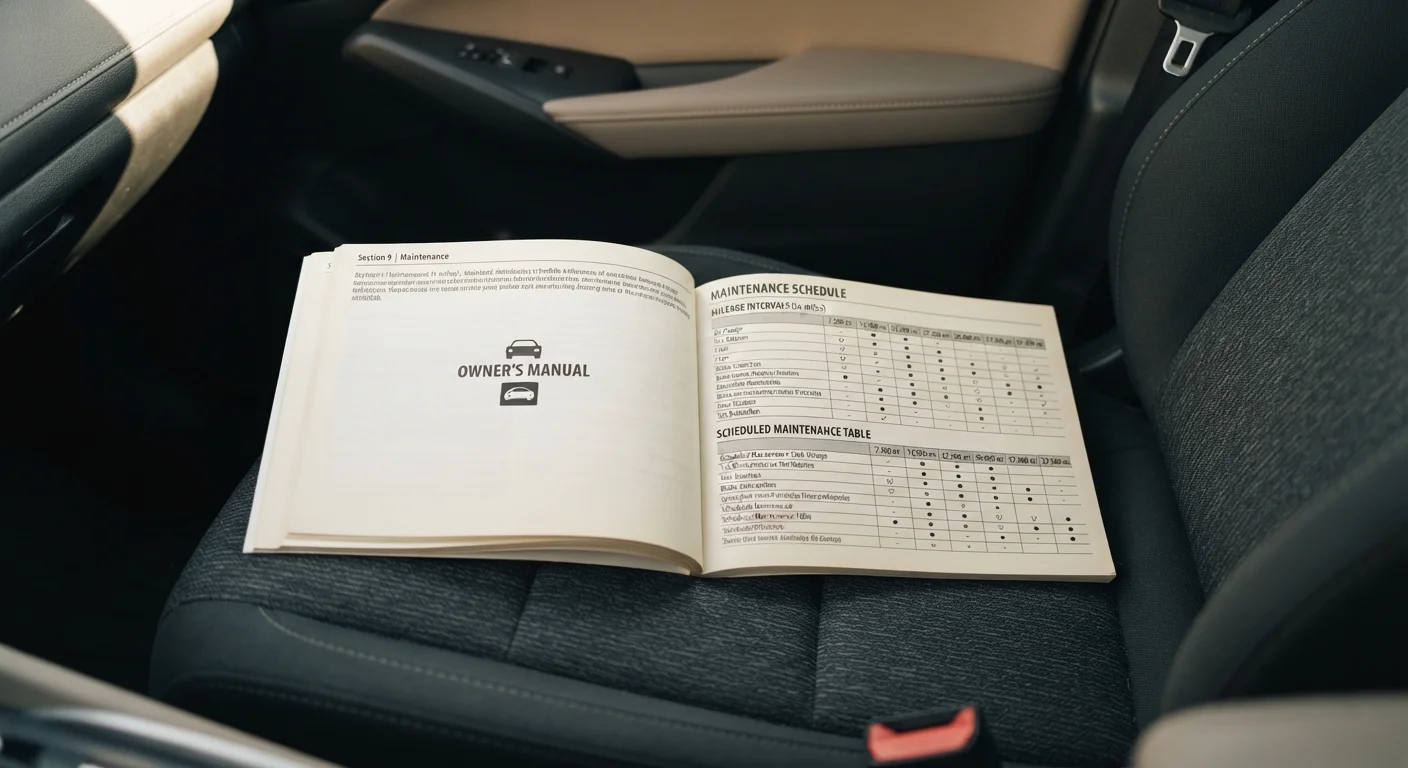
Most fluids only need a visual check once a month and after any long road trip. Park on a level surface, let the engine cool for at least 30 minutes, and work through each reservoir systematically. Your owner's manual maintenance schedule specifies exact change intervals for each fluid - these vary significantly by vehicle and should always override generic advice.
Pairing fluid checks with seasonal preparation is particularly effective. Seasonal maintenance checks before winter and summer are natural moments to inspect coolant concentration, brake fluid condition, and washer fluid freeze rating.
Staying on top of fluids is also one of the lower-cost areas of car maintenance. Topping off or replacing most fluids yourself - where it is safe and practical to do so - can meaningfully reduce your annual maintenance spend. For a broader look at where automotive costs can be trimmed without cutting corners on safety, see automotive expenses you can reduce without risk.
This article is for general informational purposes. For any brake system concerns or fluid leaks, consult a qualified mechanic before driving. Always follow the safety guidance in your vehicle's owner's manual.