
Why Fuel Myths Are So Sticky - and So Costly
Fuel costs are one of the most visible and recurring expenses in car ownership, which makes drivers highly motivated to find savings. That motivation creates fertile ground for myths: half-truths, outdated advice, and plausible-sounding logic that doesn't survive scrutiny. Acting on bad information doesn't just fail to save money - it can cost more, whether through unnecessary premium fuel spending, accelerated wear, or wasted time.
The myths below are among the most widely repeated. Each one has a grain of logic behind it, which is exactly why they persist. Understanding why they're wrong is more useful than simply being told they are. For a broader look at how misconceptions affect spending decisions, see our piece on frugality myths that cost more than they save.
Myth
Using premium (high-octane) fuel in any car will improve performance and fuel economy.
Fact
Premium fuel only benefits engines specifically engineered to require it. For vehicles designed for regular fuel, there is no measurable gain.
Octane rating measures a fuel's resistance to 'knocking' - the premature ignition that can damage high-compression engines. Modern engines designed for regular fuel use sensors to automatically adjust ignition timing, meaning premium fuel delivers no additional power or efficiency. You are simply paying more per litre for no return. Check your owner's manual: if it says 'recommended' rather than 'required,' regular fuel is fine. This is one of the most persistent myths also covered in our car maintenance myths guide.
Myth
You should idle your engine for several minutes before driving in cold weather to warm it up.
Fact
Fuel-injected engines - standard in virtually all vehicles made after the mid-1990s - warm up faster and more efficiently when driven gently, not idled.
The extended warm-up routine made sense for older carburettor engines that needed time to regulate fuel mixture. Modern fuel-injected engines reach operating temperature significantly faster under a light driving load than sitting still. Idling for several minutes burns fuel with zero forward progress, adds engine wear, and in some jurisdictions may carry legal restrictions. A 30-second idle in extreme cold is reasonable; anything beyond that is waste. For habits that genuinely improve efficiency, see our guide on fuel economy in everyday driving.
Myth
Filling up in the morning gets you more fuel because petrol is denser in cooler temperatures.
Fact
Fuel is stored in underground tanks where temperature remains stable year-round. The density difference at the pump is negligible.
This myth has circulated for decades, rooted in a real physical principle - liquids do expand slightly with heat. The problem is that petrol at retail outlets is stored underground, where ambient temperature changes have almost no effect. The variation in fuel density between a cool morning and a warm afternoon at the pump is so small it cannot be measured in a normal fill. Adjusting your schedule to fill up at 6 a.m. will not save you money.
Myth
Keeping your tank close to empty reduces weight and therefore improves fuel economy.
Fact
A full tank of fuel adds roughly 40-50 kg to a vehicle - a difference too small to register meaningfully on fuel consumption.
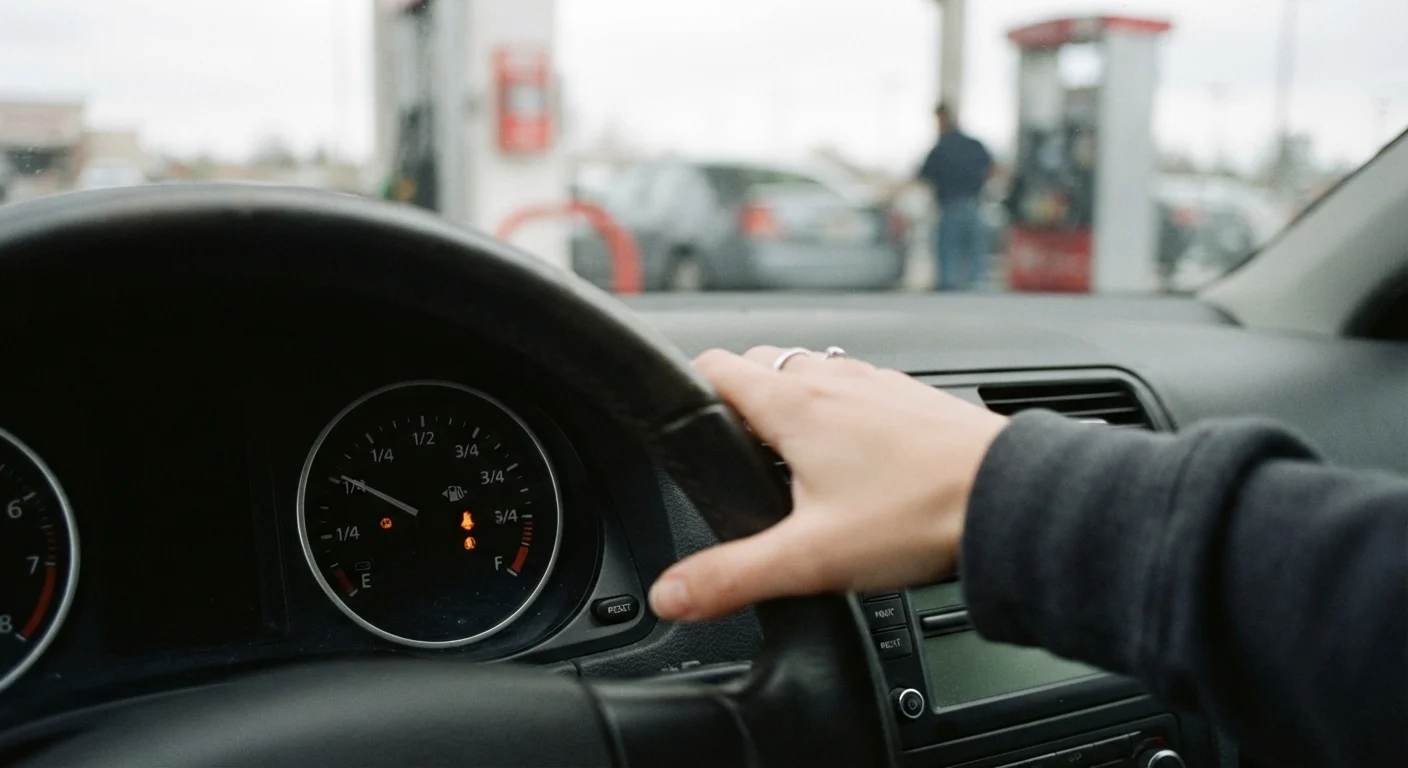
Weight does affect fuel economy, but the relationship is modest for small mass changes. A full tank versus a near-empty one represents a weight difference that has a trivial effect on consumption for a typical passenger vehicle. Running habitually low, however, carries real risks: it can draw sediment from the bottom of the tank through the fuel pump, shortening pump life, and leaves you exposed if unexpected traffic or detours extend your journey. Keep at least a quarter tank as a practical buffer.
Myth
Tyre pressure doesn't significantly affect how much fuel your car uses.
Fact
Under-inflated tyres increase rolling resistance, which forces the engine to work harder and measurably raises fuel consumption.
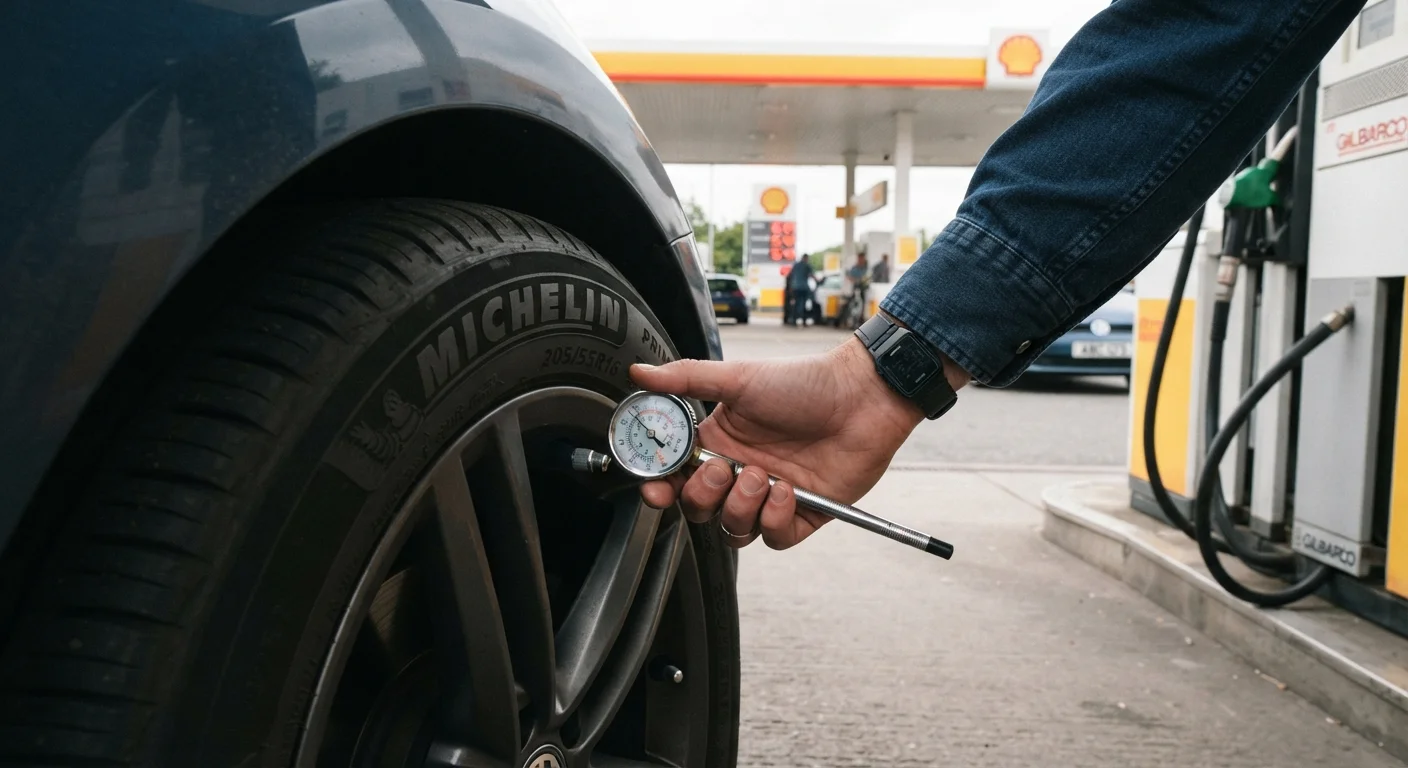
Rolling resistance is the friction a tyre generates as it deforms against the road surface. Under-inflation increases that deformation, and the engine must compensate with more power - and more fuel. Research from the U.S. Department of Energy has indicated that for every 1 PSI drop in pressure across all four tyres, fuel economy can decrease by around 0.2%. Tyres that are consistently 10 PSI low across four wheels can reduce efficiency by roughly 2-3%. Correct tyre pressure is one of the simplest, free maintenance steps a driver can take. Our dedicated article on tyre pressure and fuel costs explains exactly what to check and how.
Myth
Cruise control always saves fuel, regardless of road conditions.
Fact
Cruise control improves efficiency on flat highways but can actually increase fuel use on hilly or variable terrain.
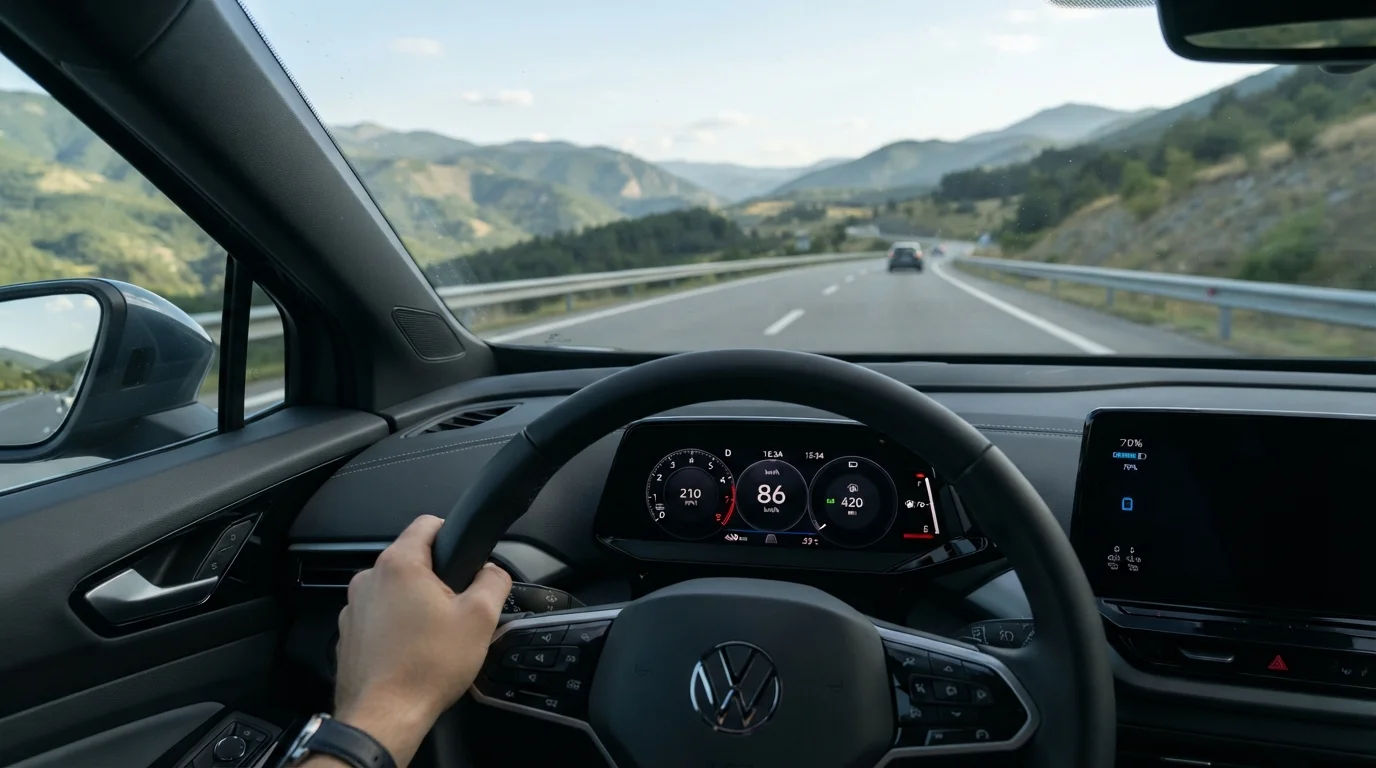
On a level motorway, cruise control smooths out the small speed variations that human drivers naturally introduce, which does reduce fuel consumption. On undulating roads, however, cruise control maintains a set speed by accelerating up inclines - often more aggressively than a driver would - burning more fuel than a gentle, anticipatory approach. On hilly routes, manually easing off before a rise and using momentum on the descent is generally more fuel-efficient than letting cruise control hold speed up every gradient.
What Actually Moves the Needle on Fuel Costs
Once the myths are cleared away, the genuine fuel-saving levers are less glamorous but far more effective. Driving smoothly - anticipating stops, accelerating gradually, and coasting to decelerate - has a larger impact on consumption than almost any fuel or timing trick. Tyre pressure, as the data shows, is a free and repeatable gain that many drivers overlook.
~2-3%
Fuel economy lost to under-inflated tyres
The U.S. Department of Energy estimates roughly 0.2% efficiency loss per 1 PSI drop in tyre pressure across all four wheels.
Up to 40%
Fuel consumption increase from aggressive driving
The U.S. Department of Energy notes that aggressive acceleration and hard braking can lower fuel economy by 15-40% in stop-and-go conditions.
30 seconds
Adequate cold-weather idle time for modern engines
Automotive engineers broadly agree that fuel-injected engines need minimal idling - driving gently warms them faster than prolonged stationary running.
Route planning also matters. Short cold-start trips - driving less than five minutes before shutting the engine off - are disproportionately hard on fuel economy and engine wear because the engine never reaches full operating temperature. Consolidating errands into a single trip rather than several short ones genuinely reduces both fuel use and wear. These evidence-based habits are explored in depth in our guide to everyday driving habits that cut fuel costs.
Check Your Owner's Manual First
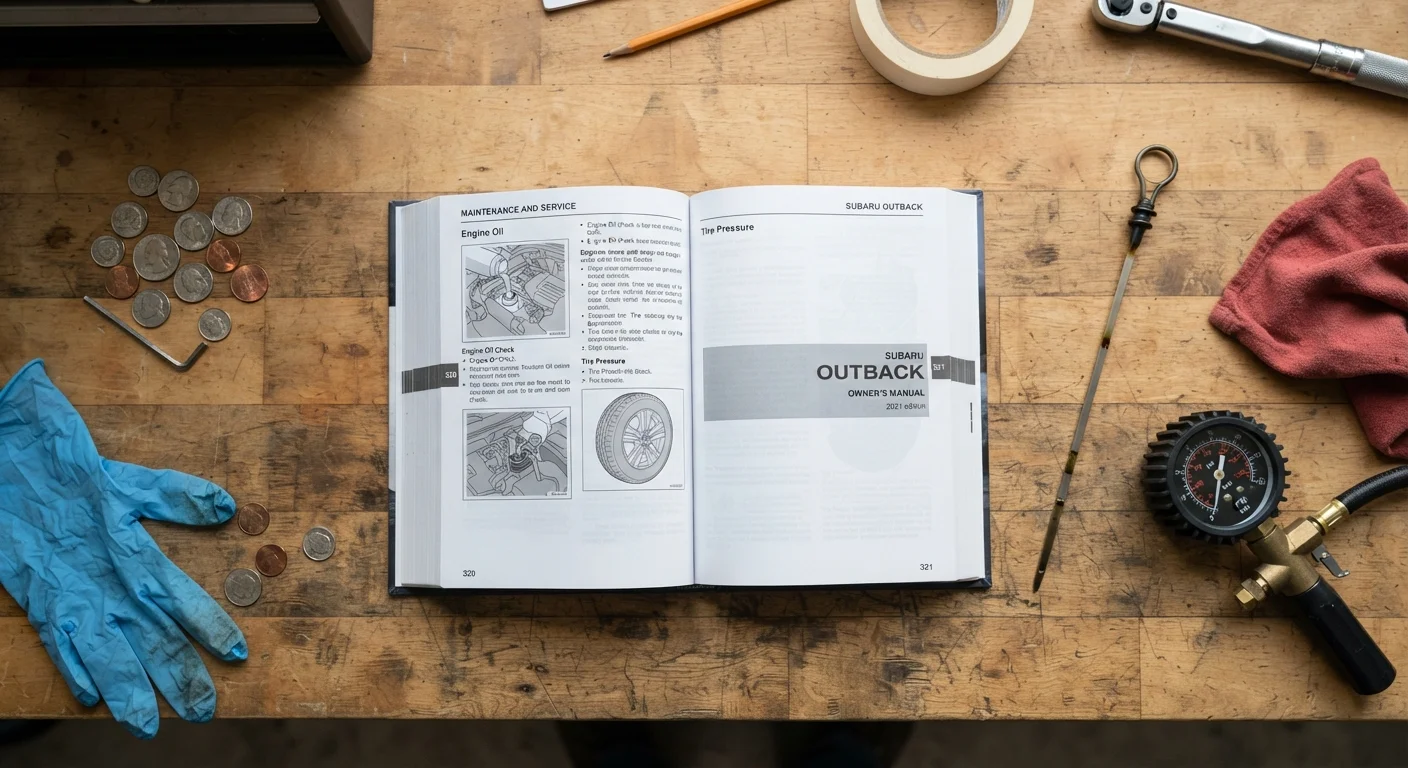
Every vehicle has specific fuel and maintenance requirements outlined by the manufacturer. Before changing any fuel-related habit, consult your owner's manual to understand what your engine actually needs. Following manufacturer guidance - not popular belief - is the most reliable way to protect your engine and your budget.
Chasing myths wastes both money and mental energy. The real savings come from understanding how your specific vehicle works and building consistent, low-effort habits around it. If you're also questioning advice you've received about general car upkeep, our car maintenance myths article covers the broader landscape of outdated automotive wisdom.
Prolonged Idling Can Harm Your Engine
Extended idling doesn't just waste fuel - it can cause incomplete combustion, leading to carbon deposits on cylinder walls and spark plugs over time. If you're stationary for more than 60 seconds in a safe and legal setting, turning the engine off is typically the better choice. Always follow local road rules about engine idling.