
What Third-Party Insurance Actually Covers
Third-party car insurance is the legal minimum required to drive in most US states, though the specific minimums vary by state. It covers damage or injury you cause to other people - their vehicle, their property, and their medical bills if you're at fault in a collision.
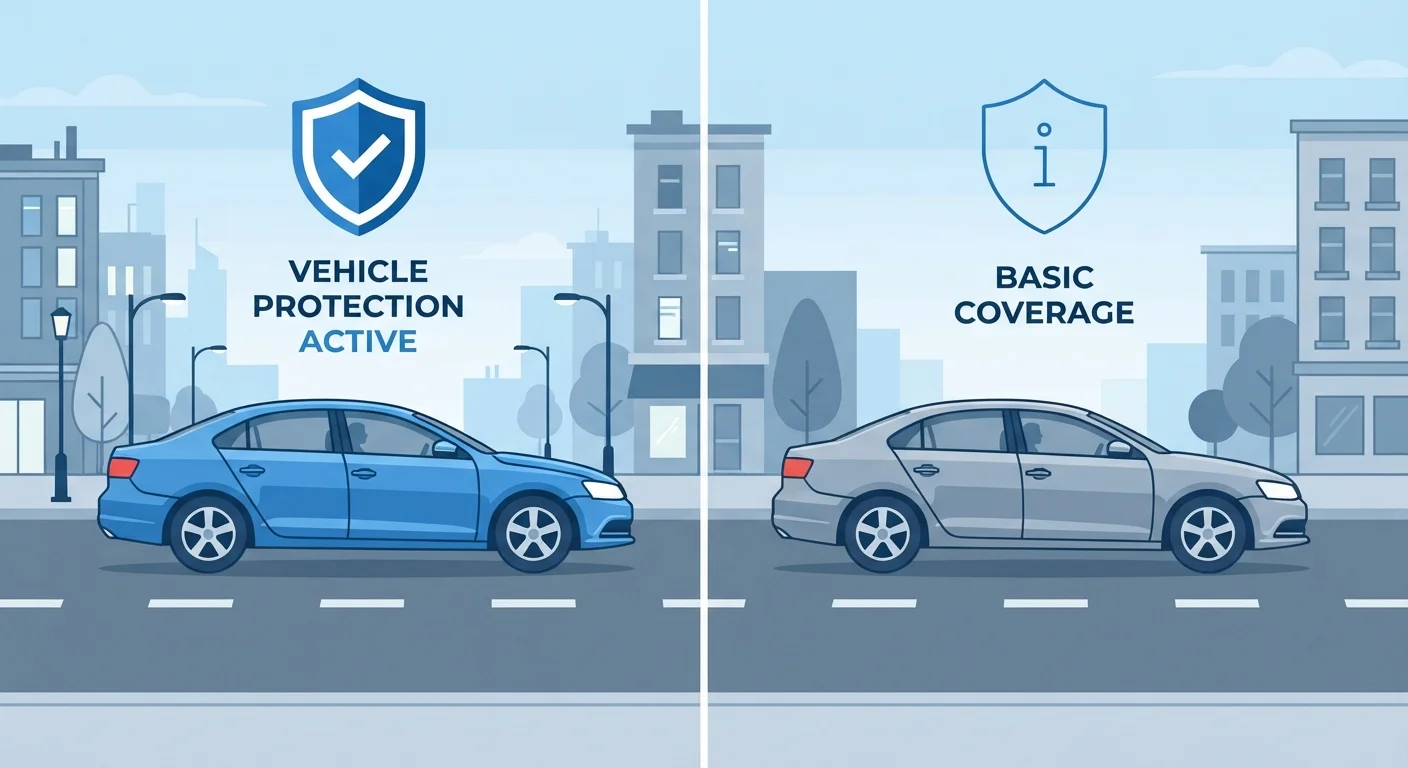
What it does not cover is your own vehicle. If you run into a wall, get hit by an uninsured driver, or wake up to find your car stolen, a standard third-party policy leaves those costs entirely to you. This is the single most important distinction budget-conscious drivers often misunderstand.
Most basic policies split into two components: bodily injury liability (covering medical costs for people you injure) and property damage liability (covering repairs to vehicles or structures you damage). Some states also require uninsured/underinsured motorist coverage, which provides a limited buffer if you're struck by a driver who lacks adequate insurance.
To understand what quietly inflates your premium, it helps to first understand what each tier actually includes - because many drivers are paying for coverage they assumed came standard.
What Comprehensive Insurance Adds
Despite the name, 'comprehensive' doesn't mean unlimited. It means your own vehicle is covered in a wider range of scenarios, in addition to what third-party liability provides.
Comprehensive typically adds coverage for: theft or attempted theft, fire damage, weather events (hail, flooding, falling trees), vandalism, and collision damage - sometimes as a separate 'collision' add-on. It also usually covers windshield and glass damage, which is one of the most common claims filed.
Crucially, comprehensive covers collision damage regardless of who caused the accident, including single-vehicle incidents. If a deer runs into your car at night or you slide on ice, a third-party-only policy won't touch the repair bill.
| Criterion | Comprehensive Insurance | Third-Party Insurance |
|---|---|---|
| Damage to other vehicles | Covered | Covered |
| Injury to other people | Covered | Covered |
| Damage to your own car (collision) | Covered | Not covered |
| Theft of your vehicle | Covered | Not covered |
| Weather or fire damage | Covered | Not covered |
| Windshield/glass damage | Often covered | Not covered |
| Typical annual premium | Higher | Lower |
| Required for financed vehicles | Yes (by lenders) | No |
Your deductible - the amount you pay out-of-pocket before the insurer covers the rest - is a lever you can adjust to lower your premium. A higher deductible reduces your monthly cost but increases your exposure if you do make a claim. How you drive also affects what you're quoted, so it's worth understanding the full picture before locking in a policy.
How to Decide Which Tier Makes Financial Sense
The most useful frame is simple: compare your vehicle's current market value against the annual cost of upgrading to comprehensive. A commonly cited rule of thumb is that if your annual comprehensive premium (minus your deductible) exceeds 10% of your car's current market value, the math starts to work against you.
Look up your vehicle's current value using a reputable pricing reference such as Kelley Blue Book or NADA Guides - not what you paid for it originally. A car purchased for $14,000 three years ago may now be worth $7,000, and the insurance math changes significantly at that point.
~$767
Average annual comprehensive premium (US)
According to National Association of Insurance Commissioners data, the average expenditure for comprehensive coverage in the US has hovered around this figure in recent reporting periods.
10%
Rule-of-thumb premium-to-value threshold
Many personal finance resources suggest reconsidering comprehensive coverage when annual premiums exceed roughly 10% of a vehicle's current market value.
If your car is financed or leased, you typically don't have a choice - lenders require comprehensive coverage contractually. Dropping below that threshold voids your loan agreement and can expose you to serious financial and legal risk.
For drivers who own their car outright and are questioning whether to step down coverage, consider what you could realistically afford to pay out-of-pocket to repair or replace the vehicle. If that number would genuinely cause financial hardship, keeping comprehensive makes sense even on a modest-value car. If you have an accessible emergency fund that could absorb it, third-party may be the more efficient choice. See also our broader look at smart car ownership decisions for context on managing total vehicle costs.
This article provides general insurance education and is not personalised financial or legal advice. Coverage requirements vary by state. Consult a licensed insurance professional to understand the options appropriate for your specific situation.