
Why Insurers Care About How You Drive
Car insurance is fundamentally a bet an insurer is making about your likelihood of costing them money. Every premium you pay reflects their best estimate of that risk. Your driving behaviour is one of the most direct inputs into that calculation - and unlike your age or ZIP code, it's something you can actually influence.
Insurers don't follow you around, but they do use several data points to infer how you drive: your claims history, traffic violations on your motor vehicle record, and - increasingly - real-time telematics data if you opt into a usage-based program. Understanding what they're looking for puts you in a better position to manage your costs over time.
See our guide to overlooked premium factors for a broader look at what quietly inflates your bill.
20-30%
Typical premium increase after one speeding ticket
Rate increases vary by state, insurer, and violation severity, but a single speeding conviction commonly triggers increases in this range at renewal.
3-5 years
How long an at-fault accident affects your rate
Most US insurers apply surcharges for at-fault accidents for three to five years, depending on state regulations and individual policy terms.
Up to 30%
Potential discount through telematics programs
Usage-based insurance programs advertise savings of up to 30% for top-scoring drivers, though actual discounts depend on the insurer and individual driving data.
Specific Behaviours That Move Your Premium
Not all driving habits carry equal weight. These are the factors with the most direct, documented impact on what you pay:
- At-fault accidents: Filing a claim where you're found at fault is the single biggest behavioural premium driver. Expect your rate to rise at renewal and to remain elevated for three to five years.
- Traffic violations: Speeding tickets, running red lights, and reckless driving convictions all appear on your motor vehicle record. Insurers pull this record at renewal. Multiple violations in a short window signal elevated risk - and premiums reflect that.
- Annual mileage: More miles driven means more exposure to potential accidents. If your commute has shortened or you've shifted to remote work, informing your insurer about your new annual mileage estimate can sometimes reduce your rate.
- Time of day and driving patterns: Telematics programs track when you drive. Late-night hours between midnight and 4 a.m. carry the highest accident risk per mile driven, so frequent trips during those hours can reduce any safe-driver discount you'd otherwise earn.
- Hard braking and rapid acceleration: These are direct telematics signals. They indicate aggressive driving regardless of whether a violation or accident occurs, and insurers treat them as predictors of future risk.
How Telematics Programs Work - and Whether They're Worth It
Usage-based insurance (UBI) programs have expanded across most major insurers. They work through a smartphone app or a small OBD-II device that plugs into your car's diagnostic port. The program monitors speed, braking, acceleration, cornering, and sometimes phone distraction during trips.
For genuinely safe drivers, the discount potential is real - programs typically advertise savings ranging from 10% to 30% for high scorers, though actual results vary by insurer and individual record. The trade-off is transparency: you're sharing detailed driving data with your insurer.
Before You Enroll in a Telematics Program
Run a few weeks of consciously smooth driving before opting in - establishing the habit first means your early scores, which some programs weight heavily, reflect your best driving. Also confirm with your insurer whether a low score can raise your base premium or only reduces the potential discount ceiling.
One important caveat: some programs can raise your rate if your score is poor. Always read the terms before enrolling - specifically whether a low score affects your base premium or only your potential discount. If you're a mixed driver (mostly safe but with occasional aggressive trips), the math may not favour enrollment.
For a broader framework on trimming insurance and other automotive costs, the complete guide to cutting car costs is a useful reference.
Building Habits That Work in Your Favour
The most durable way to keep insurance costs down is to drive in a way that keeps your claims and violations record clean. That sounds obvious, but it has practical implications beyond just obeying traffic laws.
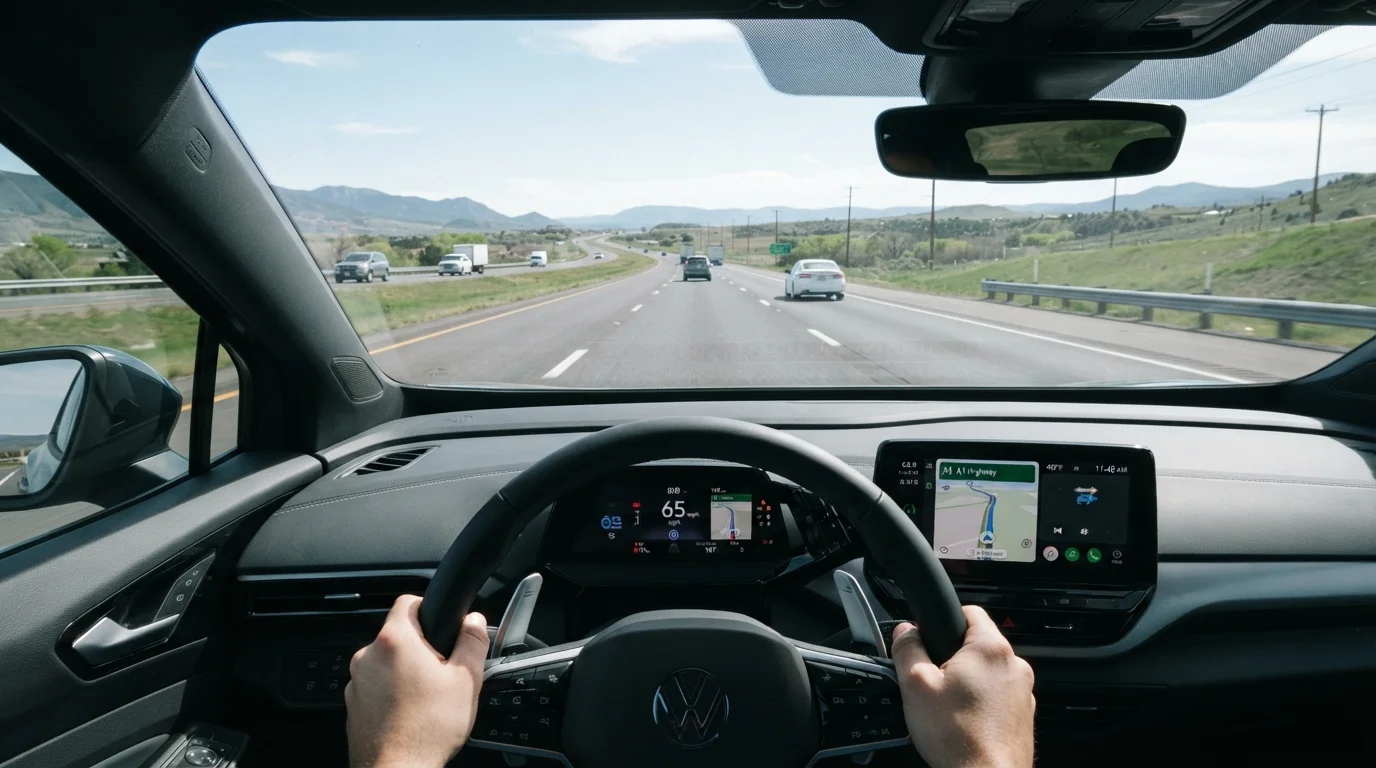
Smooth, predictive driving - maintaining safe following distances, braking gradually, avoiding aggressive lane changes - reduces accident risk and scores well under telematics systems. Consolidating trips to reduce annual mileage and avoiding driving during the highest-risk hours where possible are also habits that compound over time.
It's also worth knowing that your driving record is cumulative. A clean record built over several years earns you lower base rates independent of any telematics program. Many insurers offer a good driver discount for drivers who go claim-free for a defined period. If you've maintained a clean record, it's worth explicitly asking whether this discount is applied to your policy at renewal.
New drivers building these habits from the start have the most to gain. Our guide for new drivers covers how early choices - including insurance - shape long-term costs. And for a look at which car costs are negotiable without compromising safety, see our article on automotive expenses you can trim.
This article is for general informational purposes only and does not constitute personalised insurance or financial advice. Premium outcomes vary by insurer, state, and individual circumstances. Consult a licensed insurance professional for guidance specific to your situation.