

Why Insurance Premiums Creep Up Without Warning
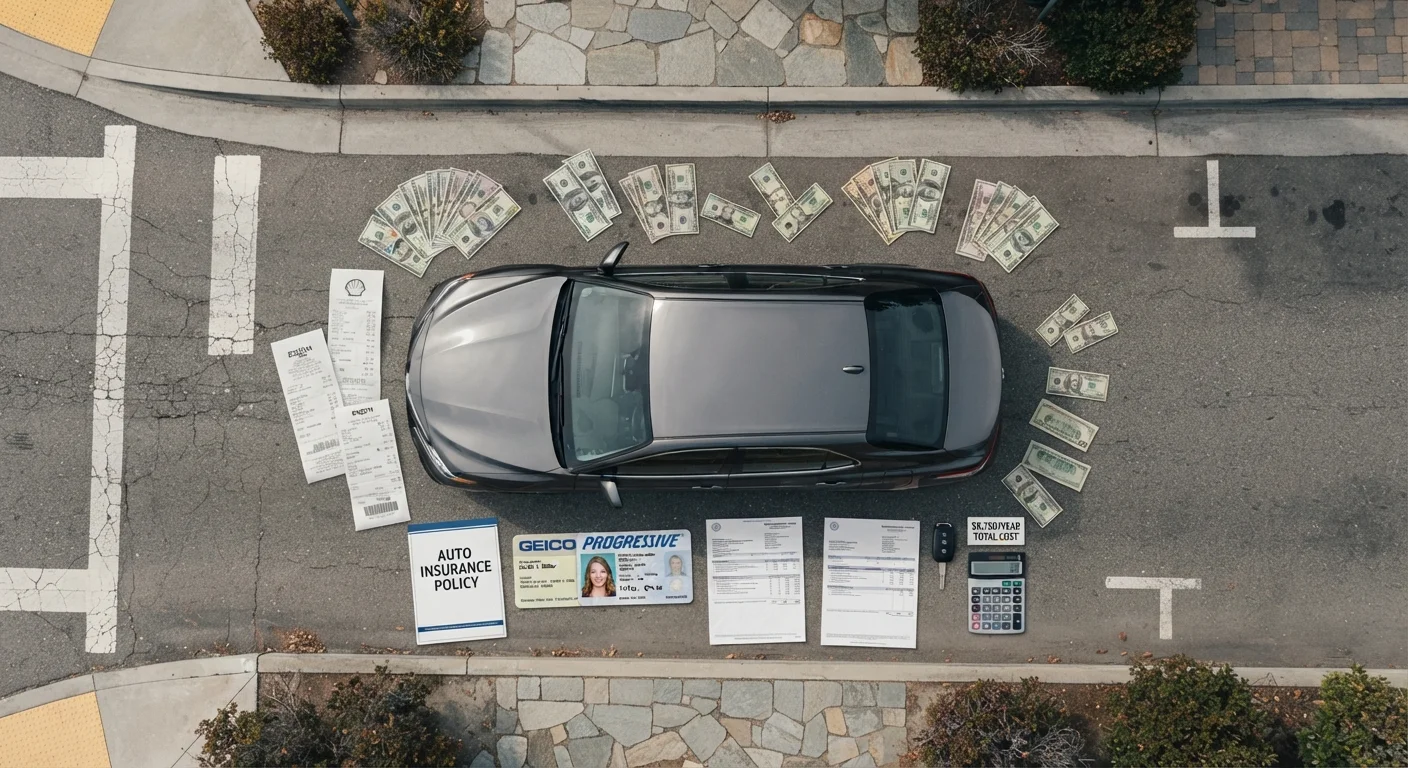
Car insurance is one of the larger fixed costs of vehicle ownership, yet most drivers pay it without questioning whether the number is accurate - or fair. Insurers reassess risk factors at each renewal, meaning your premium can climb even if you haven't filed a claim or changed your driving habits. Understanding why this happens is the first step toward doing something about it.
As part of the broader picture of what car ownership actually costs, insurance sits alongside fuel and depreciation as one of the expenses most drivers underestimate over time. The mistakes below are the most common reasons drivers overpay - and each one is correctable.
Not shopping your policy at every renewal cycle.
Why it happens: Switching insurers feels like a hassle, so most drivers auto-renew without comparing rates. Insurers know this and factor loyalty into their pricing models - not always in your favor.
Carrying a deductible that's lower than you actually need.
Why it happens: A low deductible feels safer, but most drivers never file small claims for fear of premium increases. Paying for a $250 deductible when you'd never actually file a claim under $1,000 means overpaying every month.
Ignoring how your credit score affects your rate.
Why it happens: Many drivers don't realize that in most U.S. states, insurers use a credit-based insurance score as part of their risk assessment. A lower score can translate to a noticeably higher premium.
Failing to report a significant drop in annual mileage.
Why it happens: Life changes - remote work, a shorter commute, a second car - often reduce how much a vehicle is actually driven, but drivers rarely notify their insurer. Premiums are partly based on mileage estimates set at policy inception.
Missing available discounts you're already eligible for.
Why it happens: Insurers don't always proactively apply every discount. Common ones - for bundling home and auto, completing a defensive driving course, or vehicle safety features - often require the policyholder to ask.
Carrying full comprehensive and collision coverage on an older, low-value vehicle.
Why it happens: Coverage tiers chosen when a car was new often remain unchanged for years. As a vehicle depreciates, the maximum payout from a total-loss claim may no longer justify the added premium cost.
What You Can Actually Do About It
Identifying the mistake is only half the work. Taking action means auditing your current policy line by line: check your deductible, confirm your annual mileage estimate is accurate, and look at which discounts are currently applied. Then get at least two or three quotes from other insurers before your next renewal date - not after.
~$2,150
Average US annual car insurance premium
According to the National Association of Insurance Commissioners, average annual car insurance expenditure in the US has risen steadily over recent years, with significant variation by state and driver profile.
Up to 20%
Potential savings from bundling policies
Industry data consistently shows that bundling auto with renters or homeowners insurance can reduce total premium costs, though exact discounts vary widely by insurer and state.
Your driving habits also play a larger role than most people realize. Insurers increasingly use telematics programs and driving history data to set rates. How your driving behaviour affects your premium is worth understanding before you opt into - or decline - those programs.
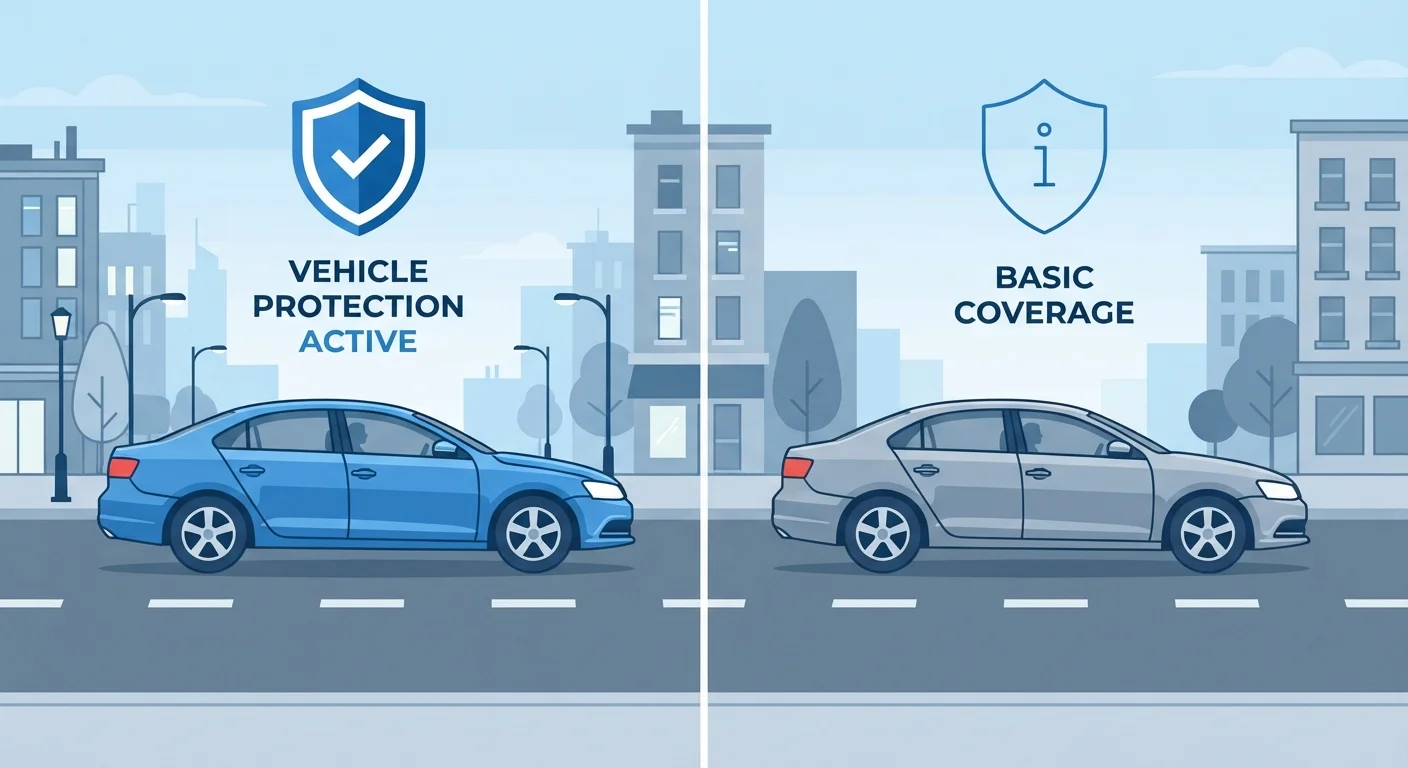
Finally, consider whether your current coverage tier still makes sense for your vehicle's age and value. Comprehensive versus third-party coverage is not a one-size-fits-all decision, and overpaying for a policy that doesn't match your actual risk exposure is one of the most common - and easiest to fix - errors on this list. For a broader look at where car costs can be trimmed without cutting corners, see automotive expenses you can reduce safely.
This article provides general information about car insurance factors and is not personalised financial or insurance advice. Consult a licensed insurance professional for guidance specific to your situation.