

Why Retail Discounts Follow a Calendar
Retailers don't discount randomly. Price cuts are driven by inventory pressure, supplier contracts, and competitive positioning - all of which follow annual rhythms. When a summer clothing line hasn't sold by mid-July, retailers must clear it to receive fall shipments. When a new appliance model arrives in October, last year's version needs to move. These are structural pressures, and they produce the most reliable, genuine discounts in retail.
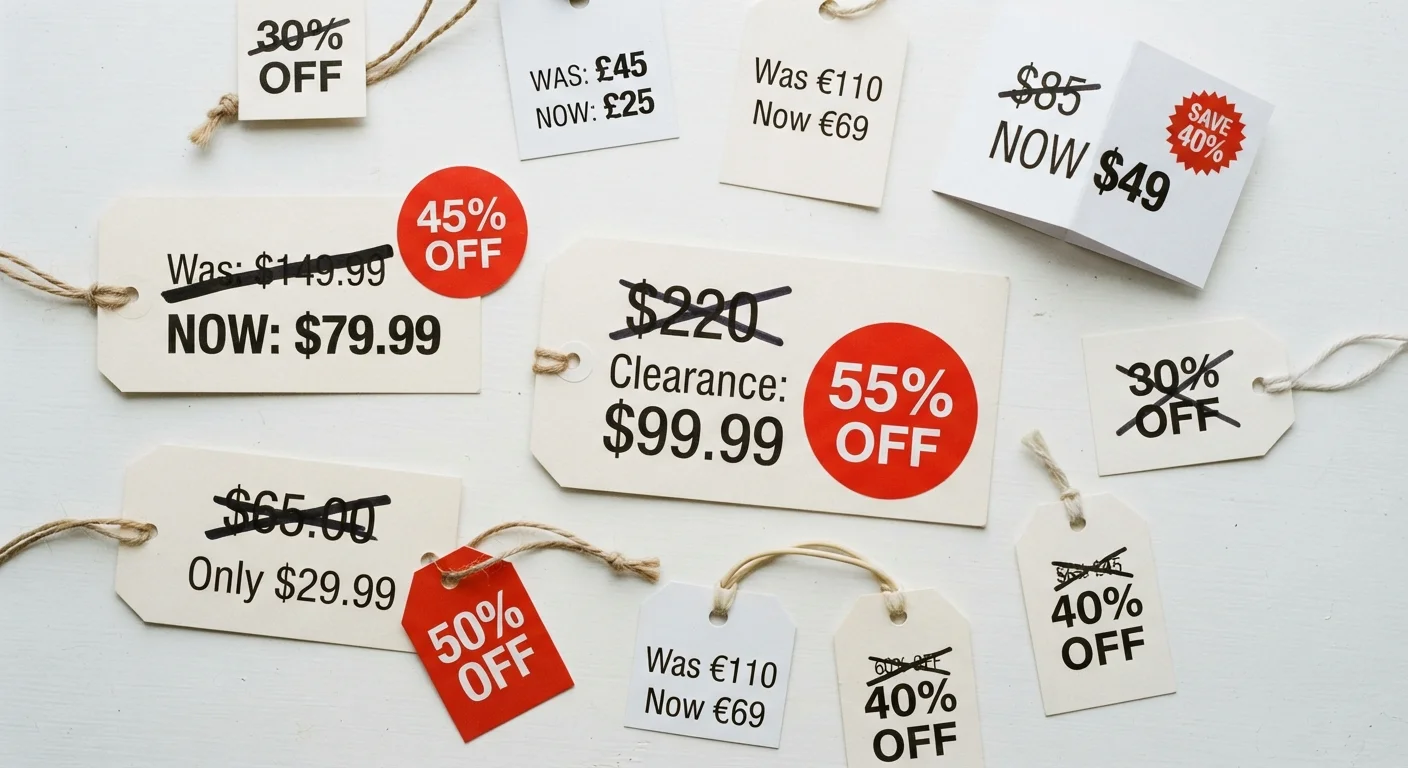
The problem is that manufactured promotions - events with names like "Summer Spectacular" or "Members Only Preview" - have trained shoppers to expect perpetual sales. Phantom markdowns and artificial urgency crowd out the calendar windows where real savings actually occur. Knowing the difference means you spend less time chasing noise and more time acting on signal.
| Appliances: Best Month to Buy | September-October (model-year clearance) and January (post-holiday surplus) (Consumer Reports purchasing guidance, general retail pattern) |
| Electronics: Lowest Annual Prices | November (Black Friday window) and February (post-Super Bowl on TVs) (Historical retail pricing research, widely documented) |
| Apparel: Deepest Off-Season Discounts | January-February (winter clearance) and July-August (summer clearance) (Standard retail markdown cadence across US department stores) |
| Furniture & Mattresses: Predictable Sale Windows | Presidents' Day, Memorial Day, Labor Day, and Black Friday weekends (Industry-standard promotional calendar, furniture sector) |
| Outdoor & Lawn Equipment: Seasonal Flush Timing | Late August through September as summer product lines clear (General home improvement retail pattern) |
| Holiday Décor: Steepest Post-Season Discount | December 26-January 2 (commonly 50-75% off remaining stock) (Standard seasonal inventory flush, major US retailers) |
| Gym Memberships: Lowest Negotiating Leverage | January (peak demand) - best pricing is typically June-August (Fitness industry enrollment data, general pattern) |
| Travel: Shoulder Season Value | Varies by destination; generally spring shoulder (April-May) and fall shoulder (September-October) (See our shoulder season guide for details) |
The Genuine Discount Calendar, Category by Category
Different product categories have distinct cycles. Here's where the structural pressure is real:
Apparel
The most predictable markdowns in retail. Winter lines clear in January and February; summer lines clear in July and August. Retailers follow a markdown cadence - typically reducing prices every one to two weeks on unsold stock until it moves. Shopping at the tail end of a season means genuine discounts, though selection thins out. For a full breakdown of how this compares across categories, see category-by-category deal patterns.
Electronics and Appliances
Televisions reliably hit annual lows in November, tied to Black Friday competition, and again in February following Super Bowl inventory builds. Major appliances follow model-year clearance cycles, making late summer through early fall the structurally sound window. These aren't manufactured events - new product lines create real pressure to move existing stock.
Furniture and Mattresses
This category relies heavily on holiday weekends: Presidents' Day, Memorial Day, Labor Day, and Black Friday. These windows are industry-wide, meaning competition between retailers tends to keep discounts meaningful rather than purely theatrical. Everyday low pricing stores in this category behave differently - check that guide before assuming a sale is additive.
Outdoor, Garden, and Seasonal Goods
Seasonal inventory flush drives genuine savings here. Lawn equipment drops in late August and September. Holiday décor hits its deepest discounts in the days immediately after the relevant holiday. These markdowns are real because the merchandise has zero demand value to the retailer once the season ends.
Price History Matters More Than the Tag
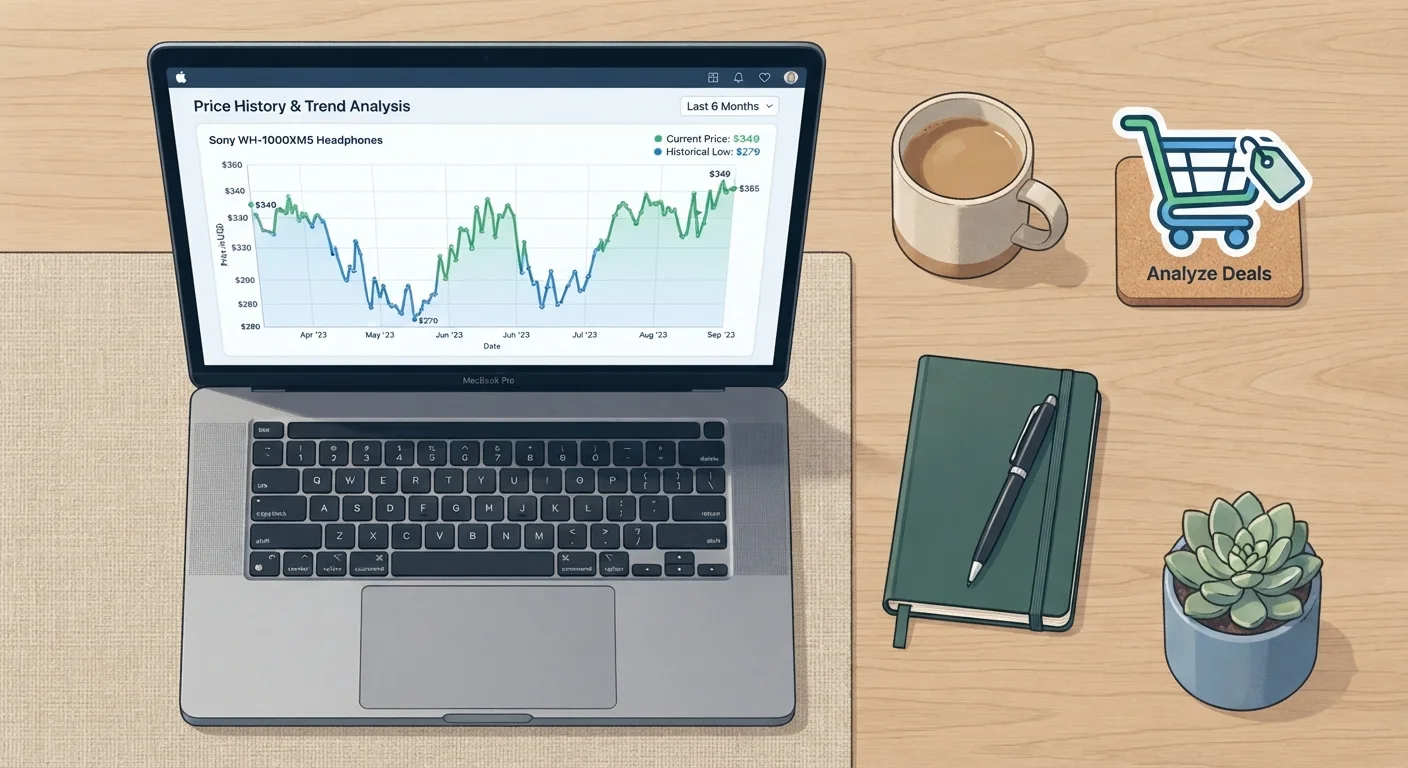
A discount is only meaningful relative to a product's actual price history, not its listed 'original' price. Before acting on any sale, check historical pricing using a price tracker. Our guide to price history tools explains how to read that data accurately.
Using the Calendar Without Letting It Use You
Knowing when discounts are structurally real is only useful if you combine it with honest self-assessment. Buying a discounted item you didn't need isn't savings - it's a purchase you rationalized. Before timing a purchase to a sale window, confirm the need is genuine and that the item is on your actual shopping list.
Price history verification is non-negotiable. A retailer can inflate a reference price to make any markdown look compelling. Cross-check any claimed discount against historical data before deciding. Our guide on evaluating any discount before it tempts you provides a practical decision framework you can apply immediately.
~30%
Average TV price drop in the weeks surrounding Black Friday
Historical price tracking data consistently shows televisions hit annual lows in November, with deeper cuts on prior-year models.
6-8 weeks
Typical apparel markdown cycle from full price to clearance
Most US apparel retailers move unsold seasonal stock to clearance within six to eight weeks of the season's start, following a predictable schedule.
January & July
Peak clearance months for clothing across US retail
These two months represent the deepest and most structurally driven clothing discounts, tied to seasonal inventory flush rather than manufactured promotions.
If you want to layer additional savings on top of a genuinely timed purchase, combining cashback and promo codes can amplify real savings - but only when the underlying price is already fair. Stack on top of a phantom markdown and you're still overpaying.
This article provides general consumer education about retail pricing patterns. Specific discounts vary by retailer, region, and year. Always verify current pricing independently before making a purchase.