
How Each Pricing Model Actually Works
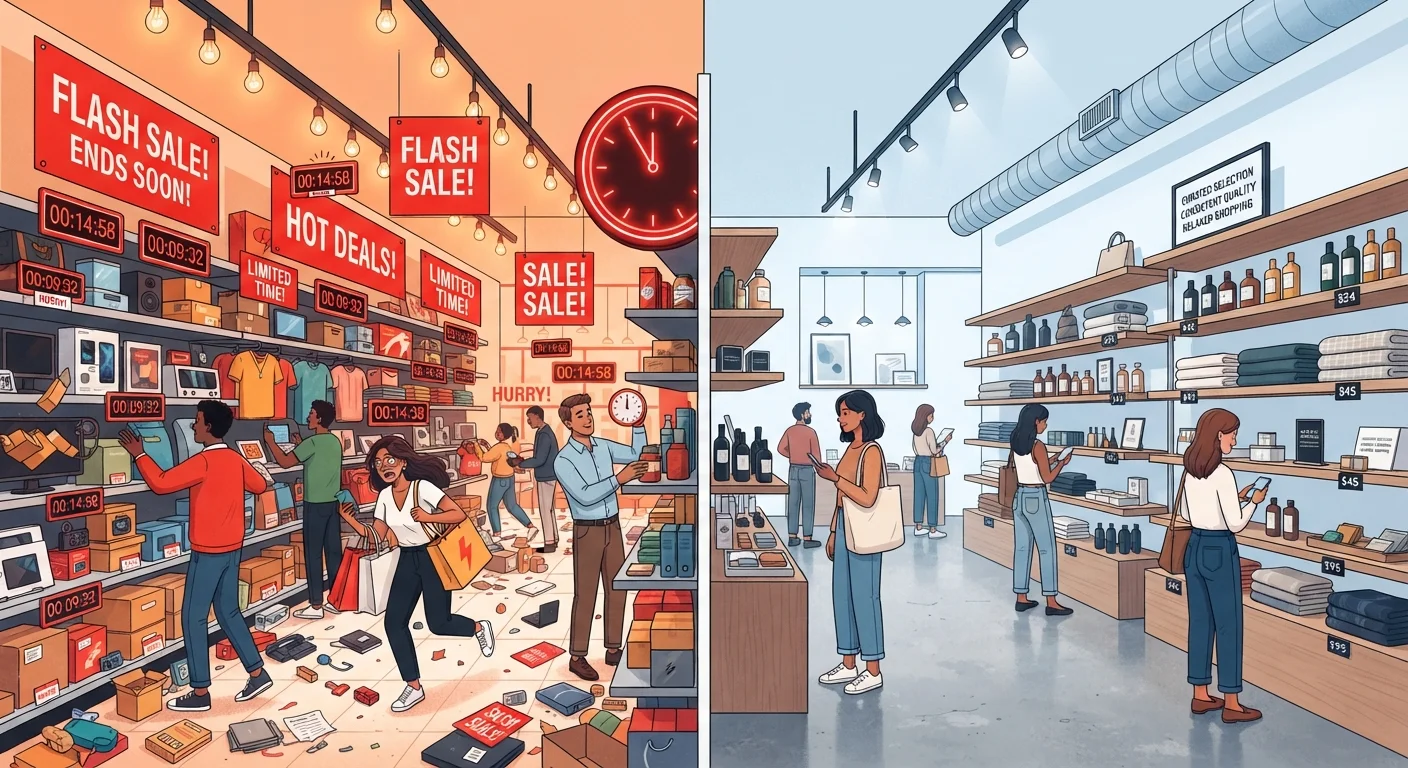
Flash sales are time-limited promotions - often 24 to 72 hours - where retailers advertise steep percentage-off discounts. The urgency is the point: scarcity and countdown timers are deliberate psychological tools designed to compress your decision time. Everyday Low Pricing, or EDLP, is the opposite philosophy. Retailers using this model set stable, consistent prices year-round and avoid constant promotional cycles.
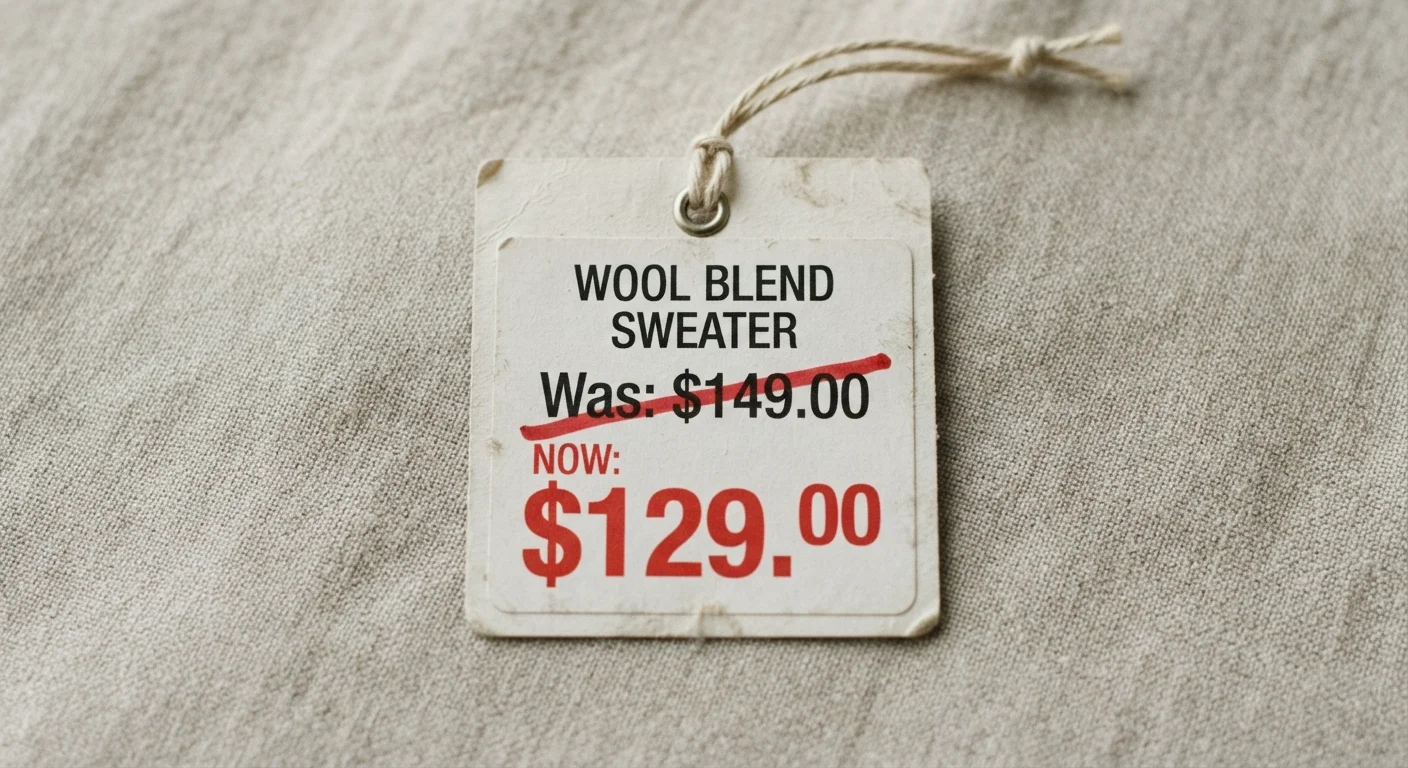
The catch with flash sales is that the "original" price used to calculate the discount is often set artificially high before the event. This practice, sometimes called reference pricing or anchor pricing, means a "40% off" tag can obscure a final price that's merely average for the market. Our related piece on why 'Was $99, Now $49' doesn't always mean you're saving money explains this mechanism in detail.
EDLP retailers, meanwhile, build their margin into stable shelf prices rather than cycling between inflated and discounted tags. That consistency is genuinely useful for budgeting - but it doesn't automatically mean you're getting a market-low price. A stable price can still be higher than a competitor's regular price.
| Criterion | Flash Sales | Everyday Low Pricing (EDLP) |
|---|---|---|
| Price consistency | Volatile; spikes before events | Stable year-round |
| Risk of impulse spending | High - urgency is built in | Low - no time pressure |
| Depth of discount (verified) | Variable; often overstated | Modest but genuine |
| Budget predictability | Low | High |
| Best product categories | Electronics, appliances, apparel | Groceries, household staples |
| Effort required from shopper | High - needs price research | Low - no deal-hunting needed |
| Clearance/end-of-line savings | Can be significant | Rare; stable pricing limits markdowns |
The Psychology Behind Flash Sale Spending
Flash sales are engineered to make waiting feel expensive. Phrases like "only 3 left" or "sale ends in 2:47:30" activate loss aversion - the well-documented tendency for people to feel the pain of missing out more sharply than the pleasure of gaining something. Retailers understand this, which is why flash sale events frequently drive purchases of items shoppers had no prior intention of buying.
Research in consumer behavior consistently shows that time pressure reduces the quality of purchase decisions. When you're racing a clock, you're less likely to compare prices elsewhere, check whether you already own something similar, or ask whether you actually need the item. The result: flash sales often generate spending, not saving.
64%
Flash sale shoppers who bought unplanned items
A survey by Shopify found that roughly 64% of consumers have made an unplanned purchase during a flash sale event.
~5-7%
Typical genuine flash sale discount vs. market price
Consumer research from price-tracking analyses suggests the real savings over market price - once reference-price inflation is removed - often falls in the single digits.
30 days
Common pre-sale price inflation window
Multiple investigative reports have documented retailers raising prices in the 30 days before a major sale event to inflate the apparent markdown percentage.
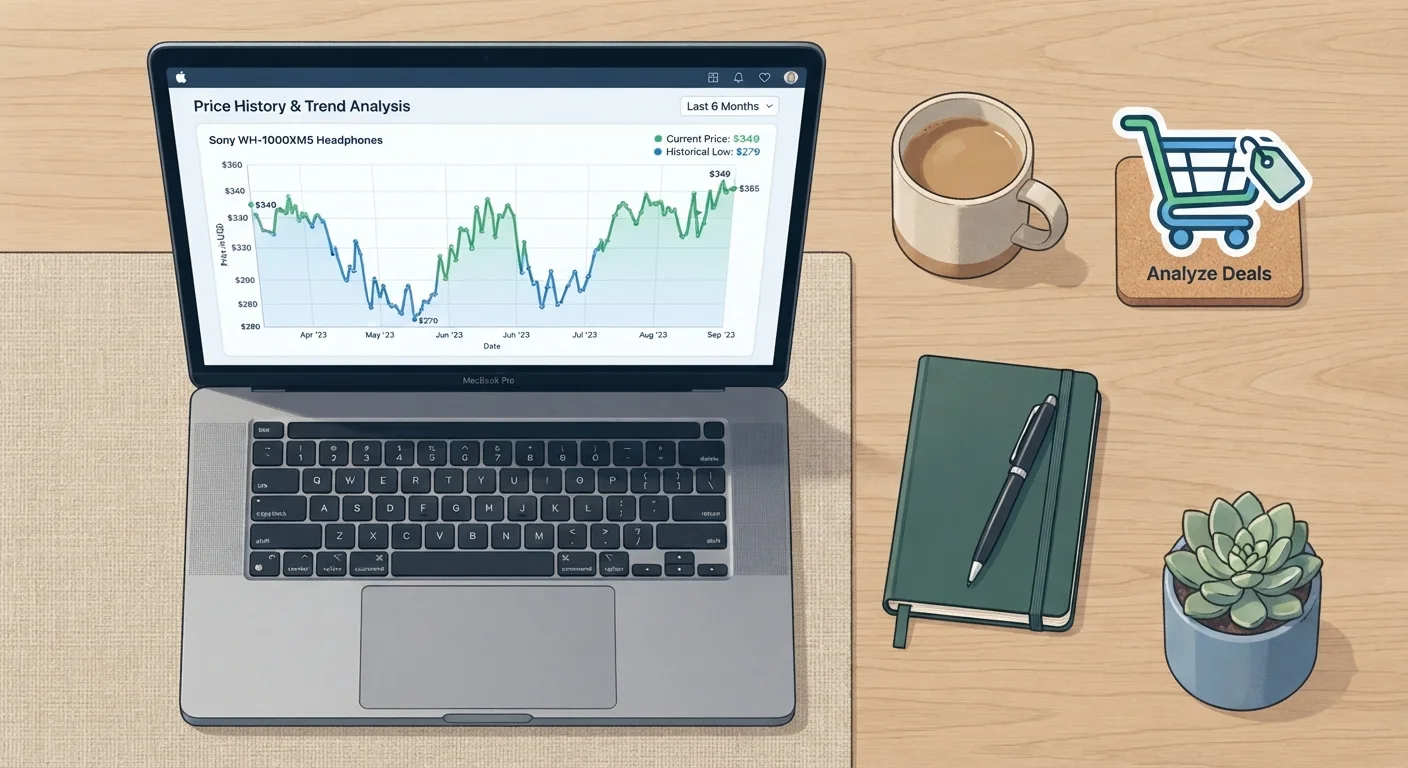
This doesn't make flash sales worthless - it makes preparation essential. If you've already decided you need a specific item, tracked its price history using a tool like a browser extension or price-tracking site (see our guide to price history tools and what they actually tell you), and confirmed the sale price is genuinely below the item's typical market price, a flash event can deliver real savings. Without that groundwork, the urgency works against you.
Where EDLP Falls Short
Everyday low pricing is often marketed as a consumer-friendly antidote to promotional gimmicks - and in some respects it is. Shoppers with predictable needs can plan spending confidently, and there's no risk of buying out of manufactured urgency. But EDLP has real limitations worth understanding.
First, "everyday low" is a relative claim. A retailer can set a stable price that is consistently above competitors' standard prices. Without cross-shopping or price comparison, you may be paying a premium for the convenience of not hunting deals. Second, EDLP retailers often reduce price flexibility on individual items - meaning you're unlikely to find that retailer dropping a product to clearance levels when a new model arrives. Flash-sale retailers, paradoxically, sometimes offer steeper clearance discounts on outgoing inventory.
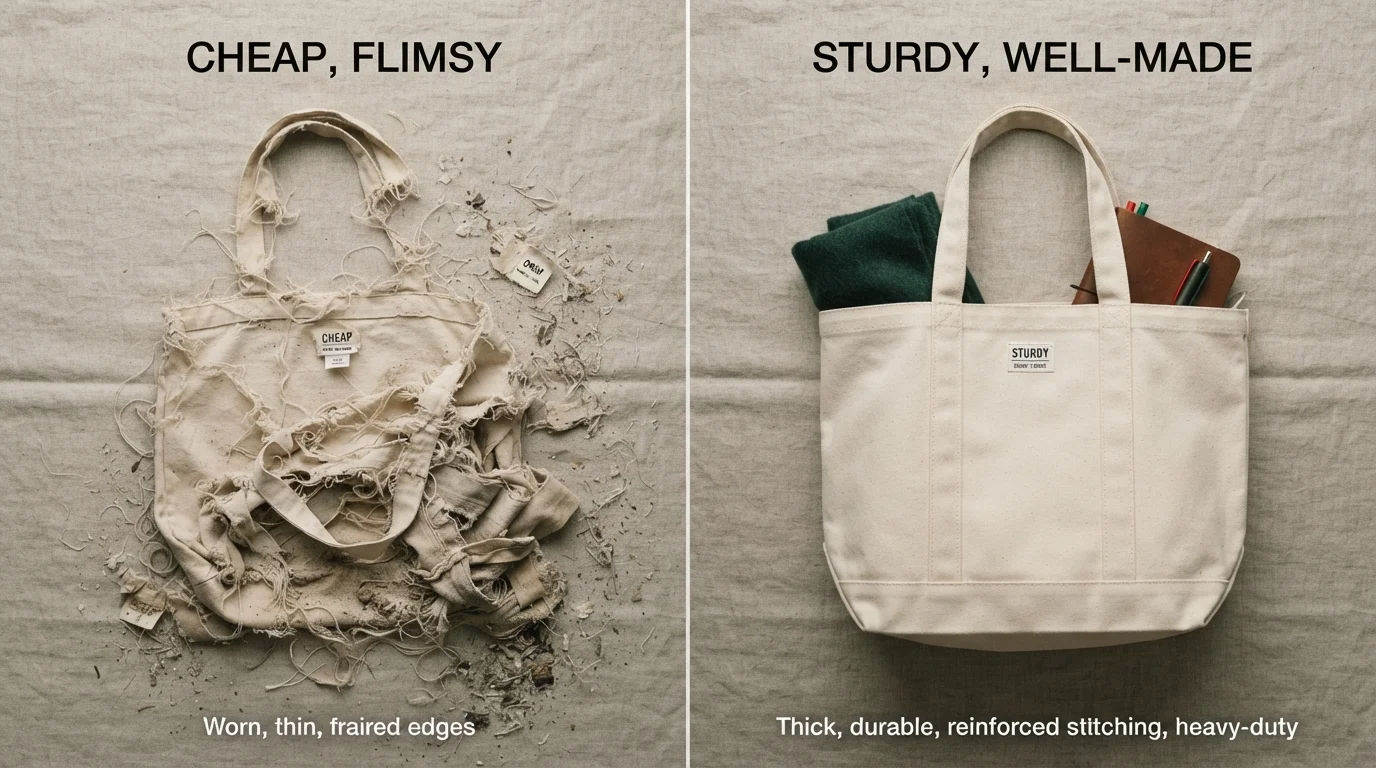
Third, EDLP can mask quality trade-offs. To maintain stable low prices, some retailers carry products manufactured to lower specifications than comparable items at other stores. This is especially common in categories like appliances, mattresses, and footwear - areas where skimping quietly costs more over time.
A Practical Framework for Evaluating Either Approach
Neither flash sales nor EDLP is inherently superior - the right choice depends on what you're buying, how often you need it, and how disciplined you can be under promotional pressure. A few principles help regardless of the retail environment:
- Establish a benchmark price before engaging with any sale. Use price history tools or a quick cross-retailer search. If you don't know the item's normal market price, you can't evaluate any claim of savings.
- Distinguish planned from unplanned purchases. Flash sales on items you already intended to buy can be valuable. Flash sales that create the desire to buy something are a cost, not a saving.
- Check what "low" actually means at EDLP stores. Pull up competing prices on your phone before assuming the shelf price is competitive. Stable doesn't mean cheap.
- Understand the fine print. Flash sale exclusions, minimum purchase thresholds, and limited stock clauses can significantly shrink headline savings - our guide to reading sale terms and conditions covers the most common traps.
For a broader look at how retailers construct pricing illusions across both models, see our breakdown of fake sale tactics decoded. And for category-specific patterns - because electronics, clothing, and groceries behave very differently - seasonal sales calendars maps out when prices in each category genuinely drop.