
What Values-Based Budgeting Actually Means
Most budgeting advice starts with a spreadsheet. Values-based budgeting starts with a question: What do I actually want my money to do? The mechanics of tracking income and expenses come second - and only after you've decided which spending categories genuinely improve your life.
The core idea is simple. Every dollar you spend on something you don't care about is a dollar unavailable for something you do. Rather than trimming across every category equally, you identify which spending areas rank lowest in your personal hierarchy and cut there first. The result isn't deprivation - it's precision. As spending smarter explains, blind cost-cutting and value-driven spending are meaningfully different habits with different outcomes.
Values-based budgeting
A personal finance approach where you decide which spending categories genuinely improve your life before allocating any money, rather than tracking all expenses equally.
Spending audit
A review of past transactions - typically three months of statements - to map where money actually went versus where you intended it to go.
Reallocation
Moving dollars away from low-priority spending categories and intentionally directing them toward categories that rank higher in your personal value hierarchy.
Impulse purchase
An unplanned buy triggered by emotion or marketing rather than a deliberate decision that aligns with your spending priorities.
Friction (behavioral)
Any small obstacle deliberately placed between you and a spending decision - such as a waiting period or an extra checkout step - that reduces unintentional purchases.
Step 1 - Identify What Actually Matters to You
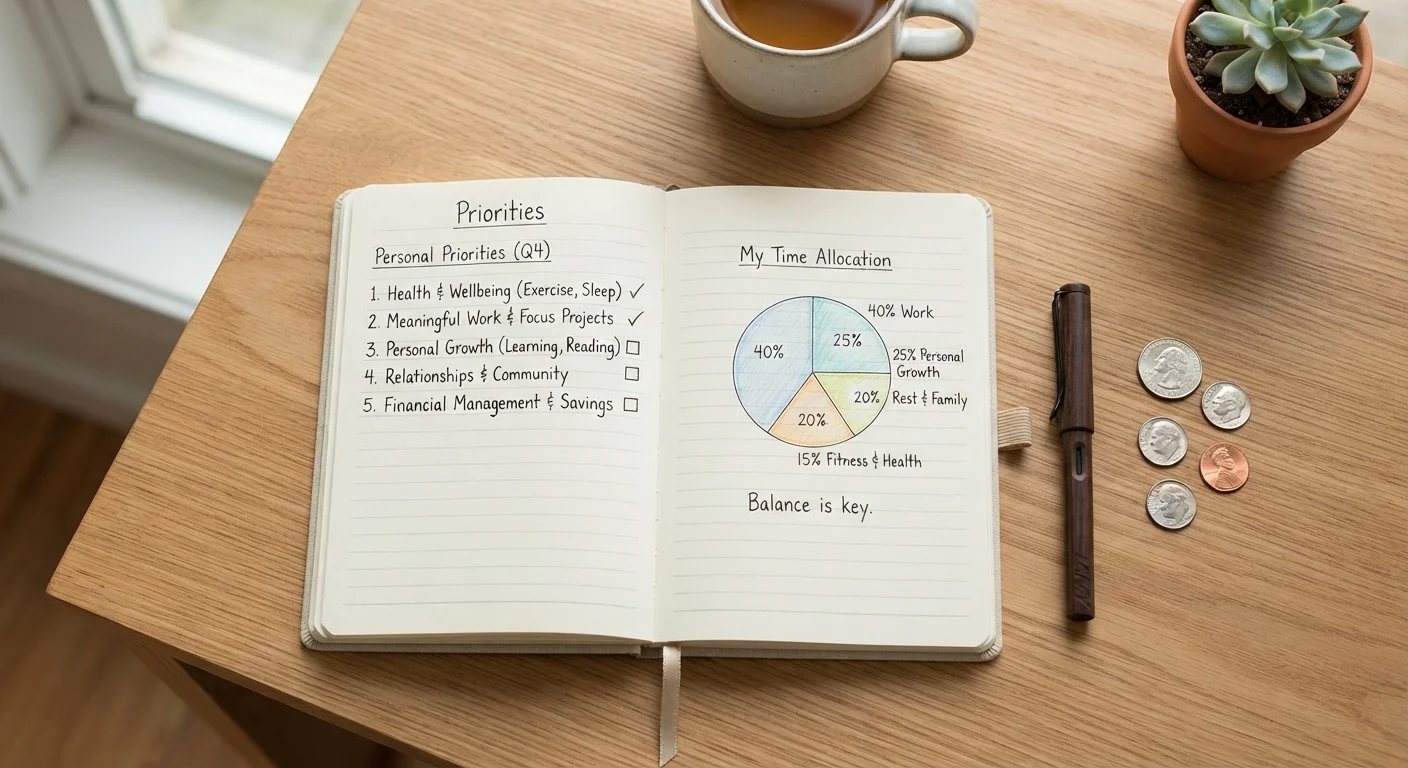
Before touching your budget, write down - on paper or in a notes app - the five to seven things in your life that generate the most genuine satisfaction or peace of mind. These might be time with family, physical health, creative pursuits, travel, financial security, or something else entirely. The list is personal and doesn't need to look virtuous.
Next, translate each item into spending categories. If 'physical health' makes your list, that might map to a gym membership, quality groceries, or a bike for commuting. If 'financial security' ranks highly, that maps to an emergency fund contribution or debt paydown. This translation step is where abstract values become actionable budget lines.
Be honest about the difference between what you think you value and what your behavior suggests. Most people overestimate how much they care about dining out or subscription services until they actually examine the receipts.
Step 2 - Audit Where Your Money Is Going Right Now
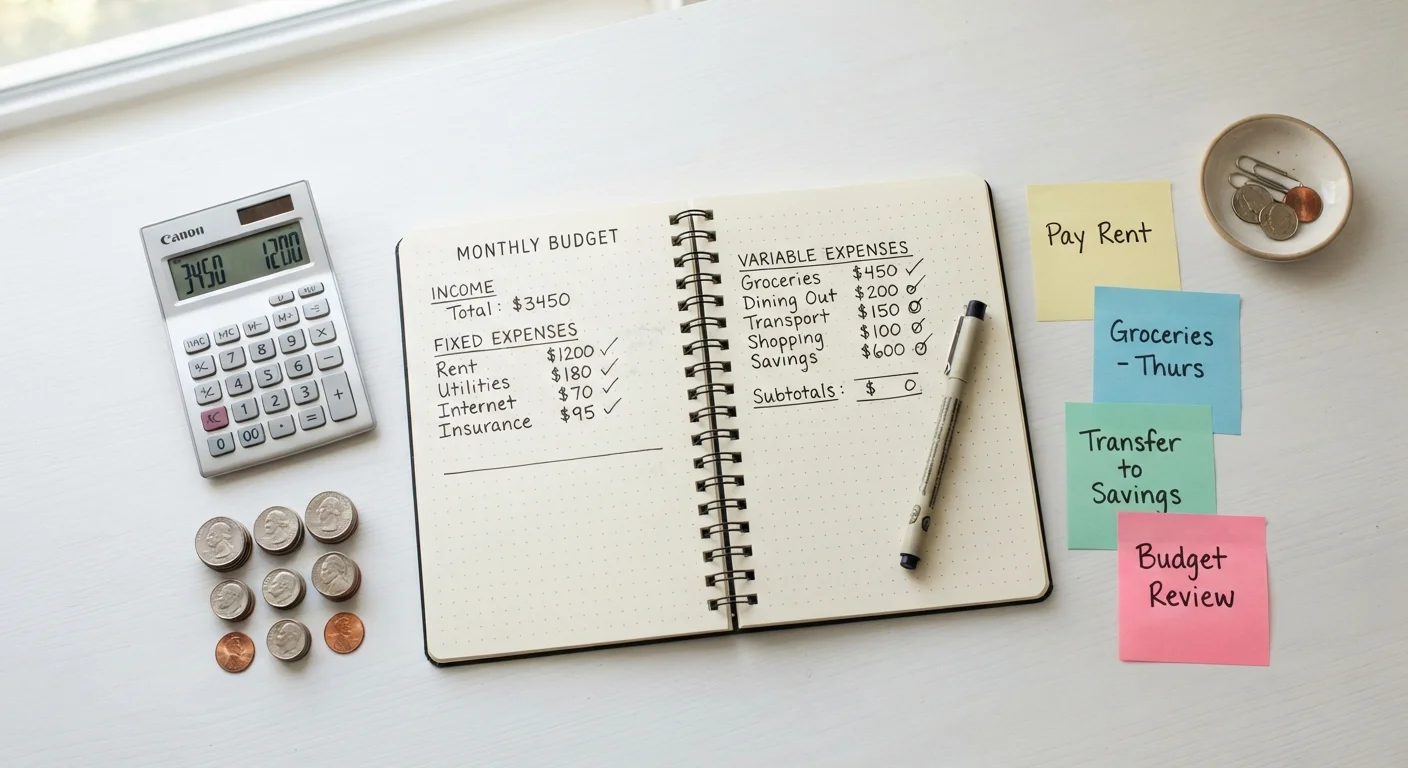
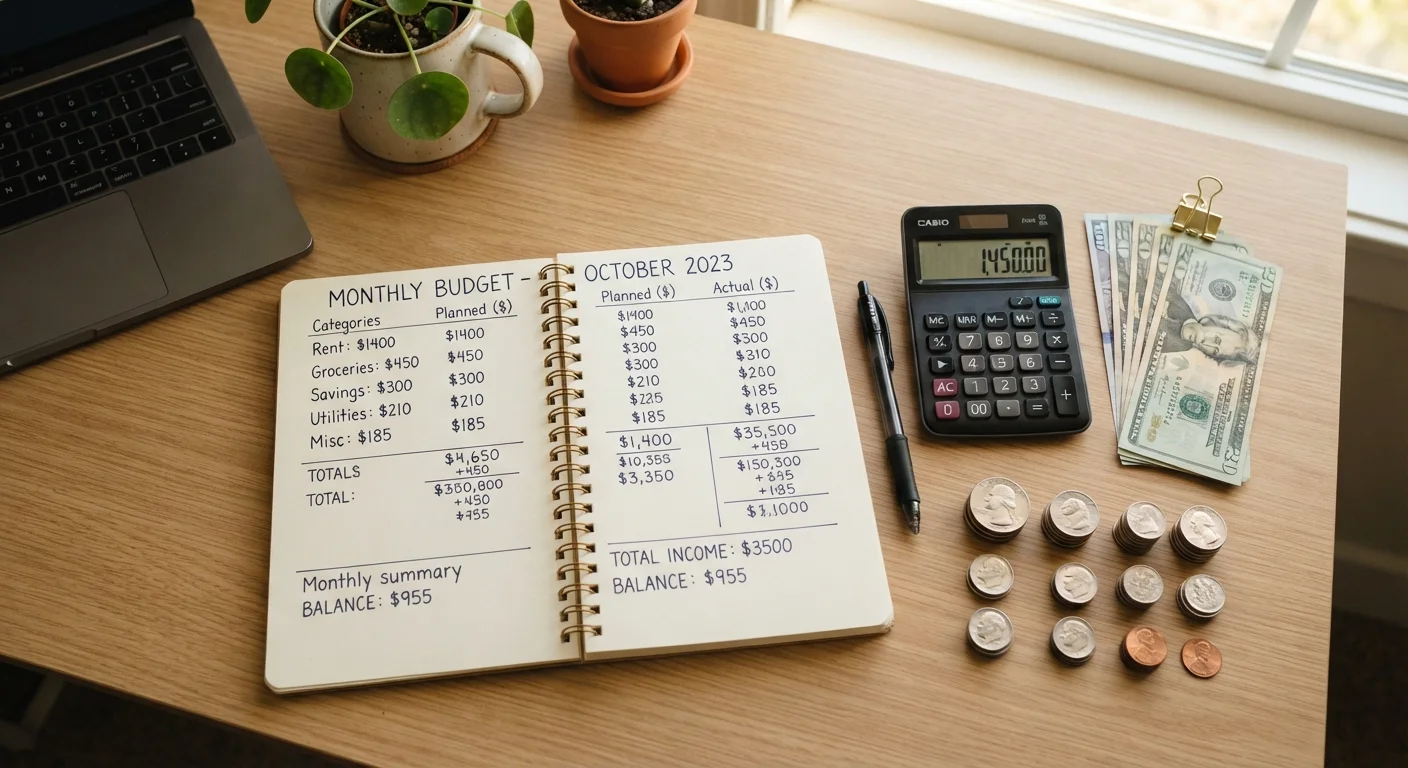
Pull three months of bank and credit card statements. Categorize every transaction - not to judge, but to map. Common categories include housing, transportation, groceries, dining, subscriptions, clothing, entertainment, and personal care.
Once categorized, compare the totals against the priority list you made in Step 1. You're looking for two things: (1) categories where spending is high but the value ranks low, and (2) categories that ranked high on your list but are receiving almost no money. Both gaps represent opportunities.
For example, you might discover you're spending a meaningful amount on a streaming bundle you rarely open while consistently skipping the weekend farmers market you genuinely enjoy. That misalignment is where values-based reallocation begins. For a category-specific example, see structuring a weekly grocery budget - a practical application of this same audit logic.
Use a Simple Three-Column Table
During your audit, a three-column layout - Category / Monthly Spend / Value Rank (1-5) - makes the misalignments immediately visible. You don't need budgeting software; a piece of paper works fine. The goal is a clear visual that shows which categories are over-funded relative to how much you actually care about them.
Step 3 - Redirect Spending Toward Your Priorities
Armed with your values list and your audit results, make a single targeted decision: identify one or two low-value categories where you'll reduce spending this month, and designate where that money goes instead. Keep the change narrow and specific - trying to overhaul every category at once rarely holds.
Some categories are structurally easy to cut - subscriptions, impulse retail purchases, and brand-premium items in categories you don't care about. Low-stakes spending categories are a useful reference for identifying where cheaper options carry no meaningful trade-off.
The freed-up dollars should have a named destination before you cut, not after. If $40 freed from an unused subscription goes to 'savings' in the abstract, it often dissipates. If it goes specifically to a named savings goal or a spending category you prioritized, it sticks. This is exactly the logic behind formal budgeting frameworks - purpose-assignment is what separates plans from intentions.
Behavioral Habits That Make It Stick
Realigning a budget once is easy. Maintaining that alignment when impulse moments hit requires behavioral structure, not willpower. A few habits that research in consumer behavior consistently supports:
- A 48-hour pause on non-essential purchases over a set threshold - even $30 - breaks the impulse-to-purchase loop without permanently blocking the buy.
- A monthly 15-minute values check-in where you compare last month's spending against your priority list catches drift early before it becomes entrenched.
- Removing friction from high-value spending and adding friction to low-value spending - for instance, deleting saved card details from low-priority retailers while setting up automatic transfers to priority savings goals.
These habits work because they externalize the decision-making rather than relying on in-the-moment judgment. The budget basics contains additional frameworks for automating and reinforcing these kinds of spending decisions.
Values-based budgeting isn't a rigid system with fixed percentages or prescribed categories. It's a filter you apply to every spending decision - does this reflect what I actually care about? When the answer is consistently yes, spending less on what doesn't matter stops feeling like sacrifice and starts feeling like clarity.