
Why a Framework Beats Willpower
Trying to spend less at the grocery store through sheer discipline rarely works. You enter the store without a number in mind, browse without a plan, and leave with a receipt that surprises you. The problem isn't motivation - it's the absence of structure.
A grocery budget framework replaces ad-hoc decisions with a repeatable system. Instead of reacting to what looks good on the shelf, you make spending decisions before you walk in. That shift - from reactive to proactive - is where real savings happen, consistently, week after week.
This guide walks through a practical, nutrition-first approach to structuring your weekly grocery spend. It won't ask you to eat less. It will show you how to spend less while eating well. For a broader look at how food fits into your overall financial picture, see our smarter spending habits hub.
Set a Realistic Weekly Number First
Before anything else, you need a specific dollar target. Not a vague intention to "spend less" - an actual number written down before you plan a single meal.
A useful starting point: track what you currently spend over two to three weeks, then identify a reduction that feels achievable - typically 10-20% below your average. Dramatic cuts tend to backfire because they make the plan feel like deprivation, which leads to abandonment.
Your weekly number should cover all grocery-category food purchases: produce, protein, pantry staples, dairy or alternatives, and household food items. It does not need to be perfectly equal every week - some weeks will run slightly over, others under. What matters is the rolling average over a month.
Start With Your Actual Spend
Before setting a target, spend two to three weeks tracking exactly what you buy and what it costs - including small mid-week top-up trips. Most people underestimate their real weekly grocery number by 15-25%. Knowing your actual baseline makes any reduction feel concrete rather than arbitrary.
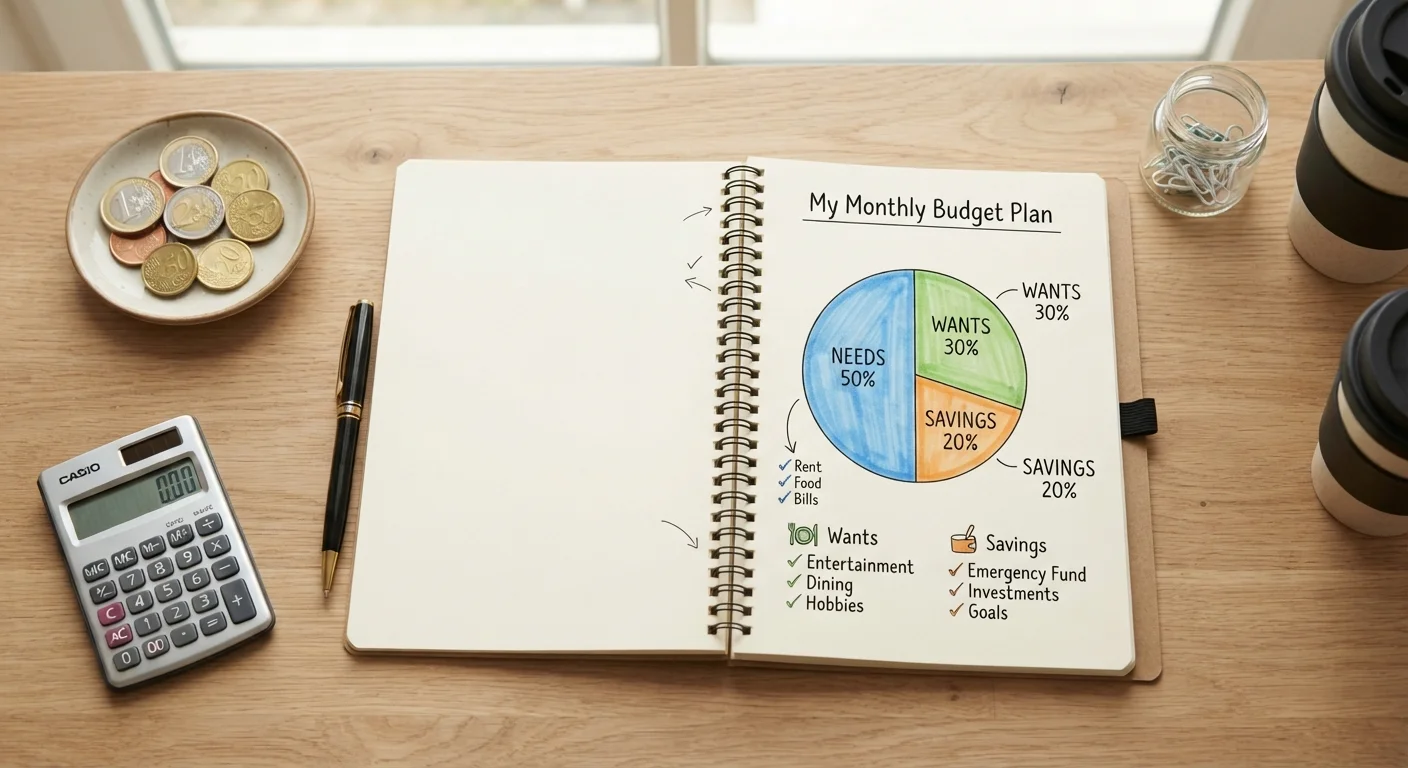
For context on how food spending fits within a broader monthly budget, our article on when the 50/30/20 budgeting rule works walks through how to allocate needs versus wants across income levels.
Allocate Your Budget Across Food Categories
Once you have a weekly total, divide it across food categories. This prevents a common failure mode: spending most of the budget on one or two appealing items and ending up with nutritional gaps - or running out of money before the week ends.
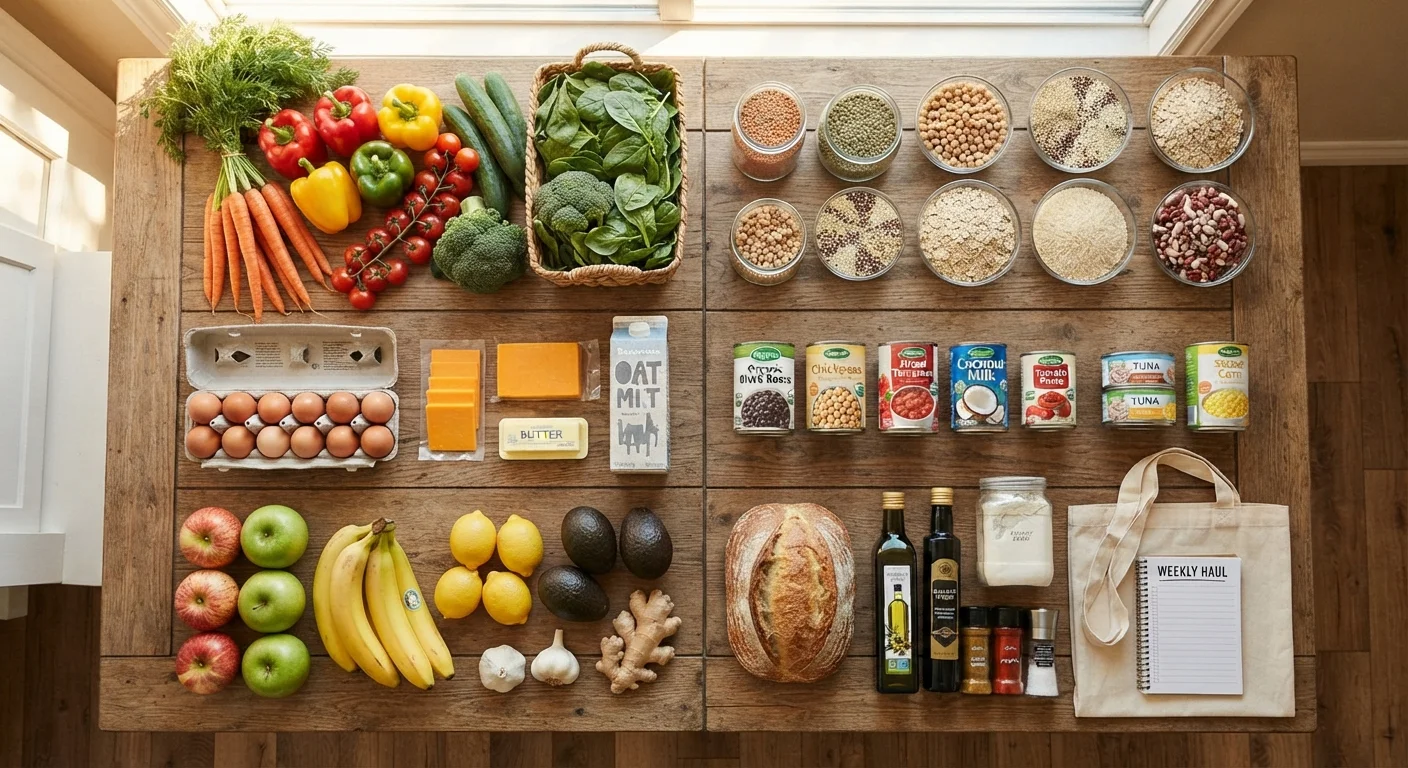
A rough allocation that many household budgeters find workable looks like this:
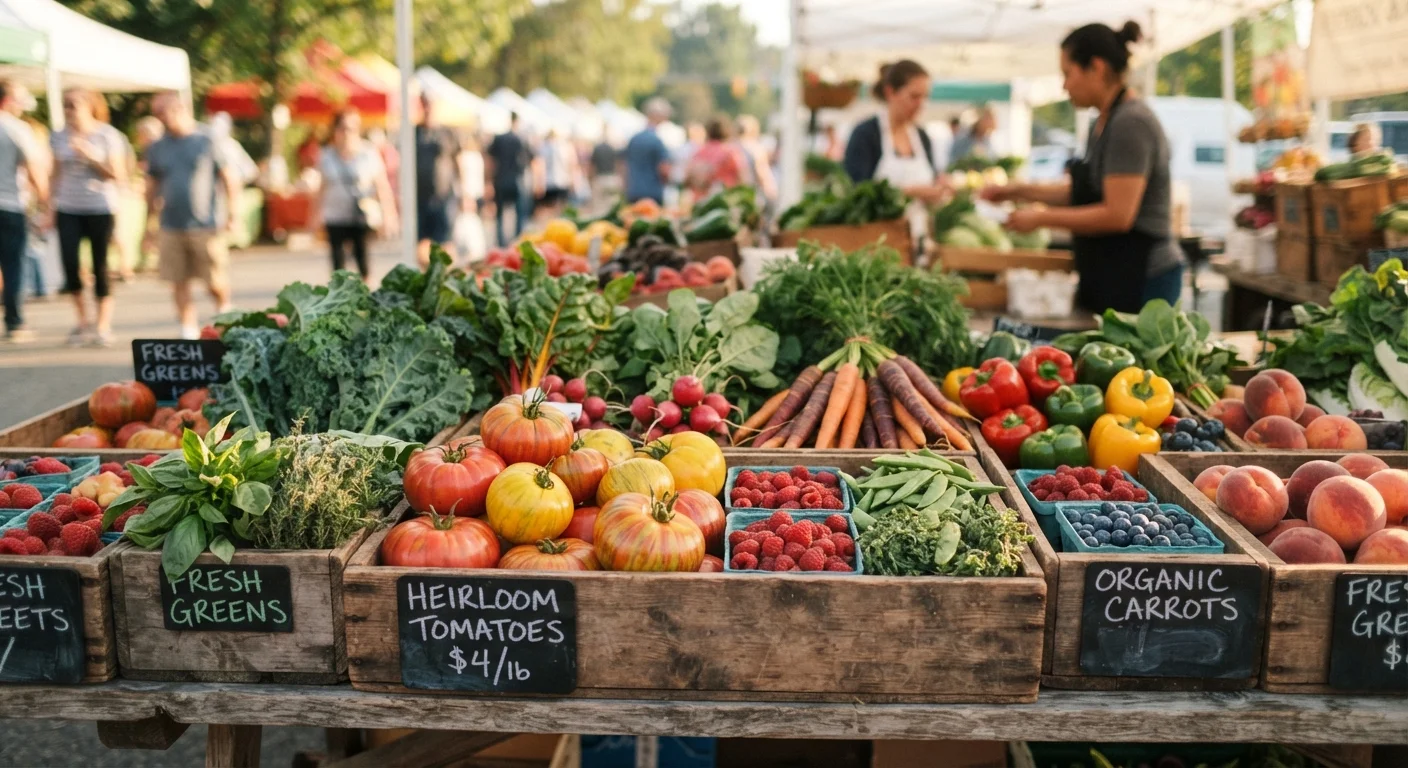
- Produce (fruit and vegetables): 30-35% - prioritize seasonal items, which cost less and tend to be more flavorful. Our article on seasonal produce and your grocery bill explains the cost mechanics in detail.
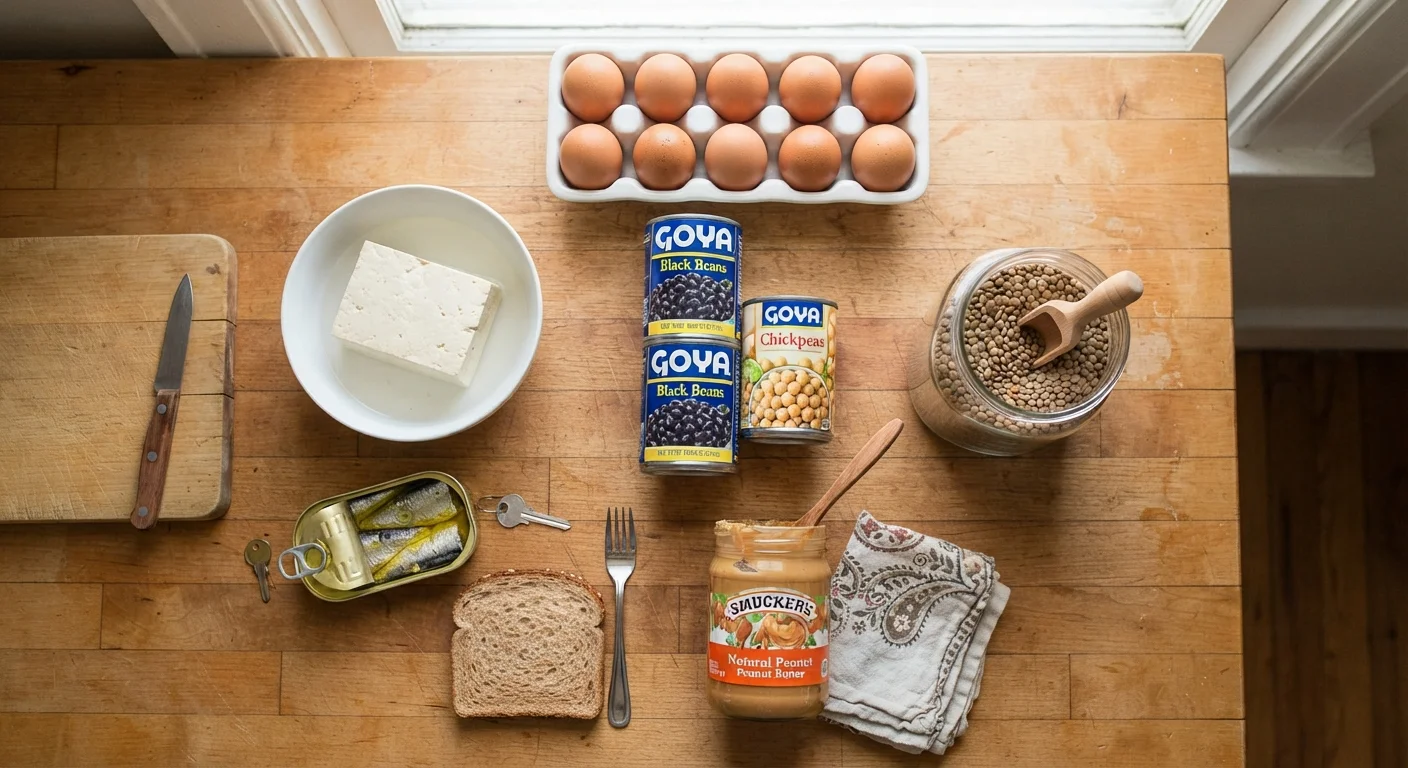
- Protein sources: 25-30% - includes eggs, legumes, tofu, canned fish, and smaller quantities of meat.
- Grains and starches: 15-20% - oats, rice, pasta, bread, and potatoes are calorie-dense and cheap per serving.
- Pantry and dairy: 15-20% - cooking oils, canned goods, condiments, milk or alternatives.
These aren't rigid rules, but they give you guardrails. If you're spending 60% of your budget on meat alone, something will get sacrificed - usually produce.
When allocating protein budget, price legumes and eggs first and let them anchor at least half your protein spend - then use what's left for meat or fish. Most households find this halves their protein costs without any noticeable drop in satisfaction.
Dried legumes and eggs deliver comparable protein per dollar to most cuts of meat, and their long shelf life means almost none goes to waste - making the cost-per-serving advantage even larger.
Do a quick 'fridge audit' before writing your shopping list each week - anything about to turn is your starting point for meal planning, not an afterthought.
Planning around what's already in your kitchen before buying new ingredients is the fastest way to reduce the food waste that quietly inflates weekly grocery spend.
Build Meals Around Cheap, Filling Anchors
The most effective way to reduce grocery spend without reducing satiety is to anchor each meal around the cheapest, most filling ingredients available - and build flavor and nutrition around them.
The strongest anchor foods by cost-per-serving are dried legumes (lentils, chickpeas, black beans), eggs, whole grains (oats, brown rice, barley), and potatoes. These foods are high in fiber and protein, which means they keep you full. They're also highly versatile - a bag of red lentils, for example, can become soup, a curry base, or a salad topper across multiple meals.
For a deeper look at affordable protein specifically, see protein on a budget. And if cost-per-serving as a concept is new to you, this breakdown of cost per serving reframes how you evaluate whether something is actually affordable.
Once your anchors are chosen, add vegetables, seasonings, and small amounts of higher-cost ingredients to add nutrition and variety. You're not building meals from expensive proteins down - you're building up from inexpensive anchors.
Cut Waste, Not Portions
A significant share of what households spend on groceries ends up in the trash. The USDA has estimated that American households waste a substantial portion of the food they purchase - meaning a chunk of your grocery budget is already disappearing before it reaches your plate.
Reducing waste is therefore one of the highest-leverage budget moves available, and it doesn't require eating less. It requires using more of what you buy.
Practical approaches include: shopping more frequently in smaller quantities if you find fresh produce spoiling, using your freezer aggressively for bread, meat, and leftovers, and planning at least two meals per week that use up whatever remains from earlier in the week.
Our article on reducing food waste at home covers the practical habits in detail. For a look at the specific patterns that quietly drain grocery budgets, where grocery money most often goes to waste is worth reading alongside it.
Shop With a System, Not a Mood
The final layer of the framework is how you actually shop. Unstructured grocery shopping - browsing without a list, going when you're hungry, or making multiple small trips - consistently leads to higher spending. Each extra trip is an opportunity for impulse purchases.
A functional shopping system has three components: a loose meal plan for the week, a written list organized by store section, and a commitment to a single weekly shop where possible. The meal plan doesn't need to be rigid - even a rough sketch of five or six dinners and a few breakfast staples is enough to generate a purposeful list.
For readers who find formal meal planning difficult, meal planning for people who hate meal planning offers a minimal-effort version. For a ready-to-use reference at the store itself, the budget shopper's supermarket checklist is a practical companion. If you want to go further and cook efficiently for the week ahead, batch cooking 101 shows how one session can cover multiple days of eating.
Stick to the list. Adjust the framework monthly based on what worked. Over time, spending less becomes the default - not the exception.
This article is for general informational purposes only and does not constitute financial or nutritional advice. For guidance specific to your health or financial situation, consult a qualified professional.