

How Zero-Based Budgeting Actually Works
The process starts with one number: your total expected take-home income for the coming month. From there, you list every category where money will go — rent, groceries, utilities, transportation, subscriptions, minimum debt payments, savings goals, and discretionary spending. You assign a specific dollar amount to each category and keep adjusting until the sum of all categories equals your income exactly.
That zero-balance endpoint is the whole point. Any unassigned dollar is a dollar without a job, which in practice usually means it gets spent without intention. ZBB closes that gap by forcing a decision about every dollar before it arrives in your checking account.
Unlike envelope budgeting's physical cash system or the hands-off nature of automated percentage splits, ZBB sits in the middle: it's digital-friendly, flexible, and highly intentional. If you want to see how it compares to other frameworks side by side, this breakdown of popular budgeting methods covers the tradeoffs clearly.
Start With Last Month's Bank Statement
Before building your first zero-based budget, pull your last 30 days of transactions and group them into categories. This gives you real spending data to work from instead of guesses. Most people discover two or three categories where actual spending is significantly higher than they expected — which is exactly what ZBB is designed to surface.
Who Benefits Most — and Who Might Struggle
ZBB tends to work well for people who have a consistent monthly income and want granular visibility into where their money goes. If you have been wondering why your account feels low at the end of each month despite a reasonable salary, ZBB often reveals the answer quickly — usually a cluster of small, recurring charges that were never consciously decided upon.
People managing debt payoff, building an emergency fund from scratch, or trying to find room in a tight budget often report ZBB as the framework that finally made progress feel tangible. Assigning a specific dollar amount to debt payments — rather than vaguely intending to pay extra — creates a concrete commitment.
The method is harder for people with highly variable income. If your paycheck changes significantly month to month, building a full zero-based plan on an uncertain income figure adds friction. In that case, budgeting from a conservative baseline income and treating any extra as a separate decision can help.
~33%
Americans with a detailed monthly budget
A Gallup survey found roughly one-third of U.S. adults maintain a detailed household budget, suggesting most people track spending only loosely or not at all.
$1,000+
Median monthly discretionary spending per U.S. consumer
Bureau of Labor Statistics Consumer Expenditure data shows the average U.S. consumer unit spends several hundred to over a thousand dollars monthly on discretionary categories — the area ZBB targets most directly.
Setting Up Your First Zero-Based Budget
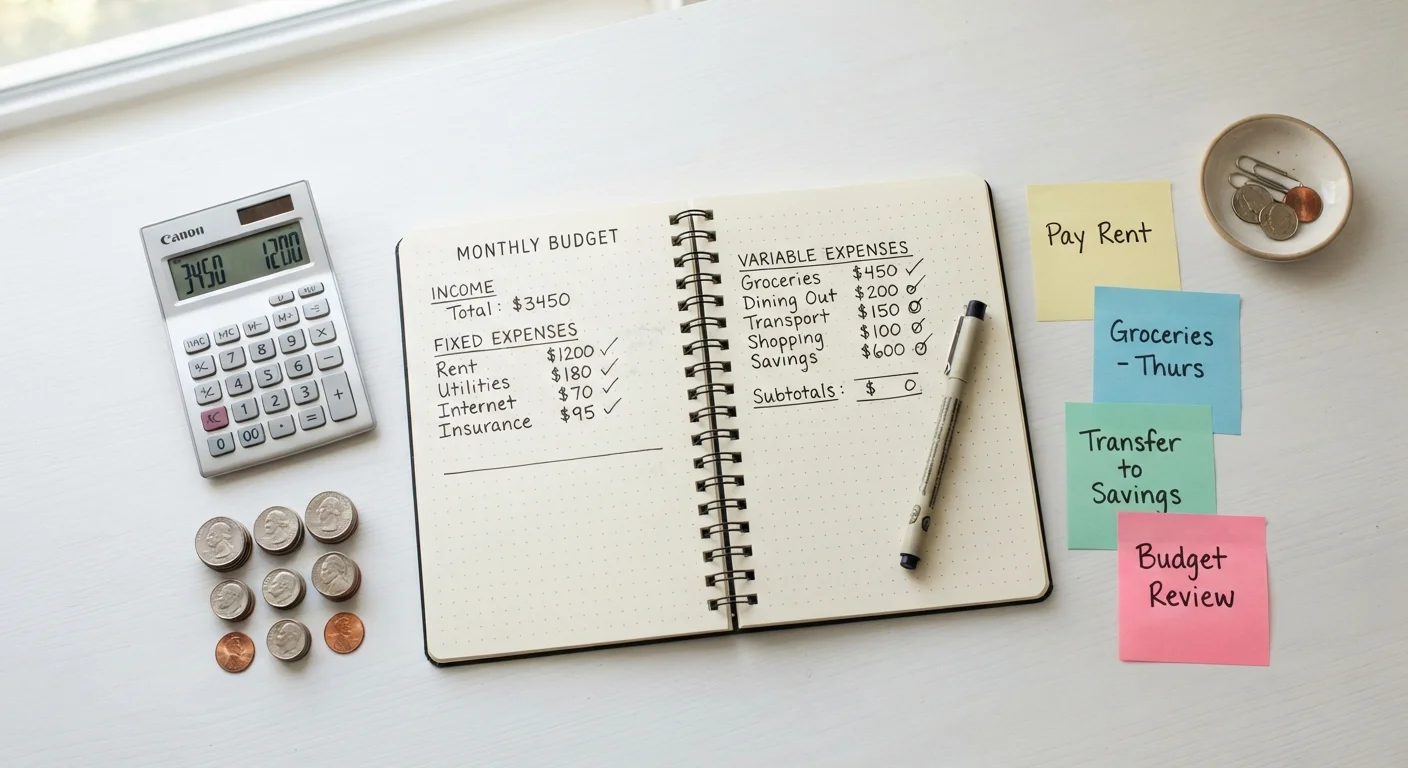
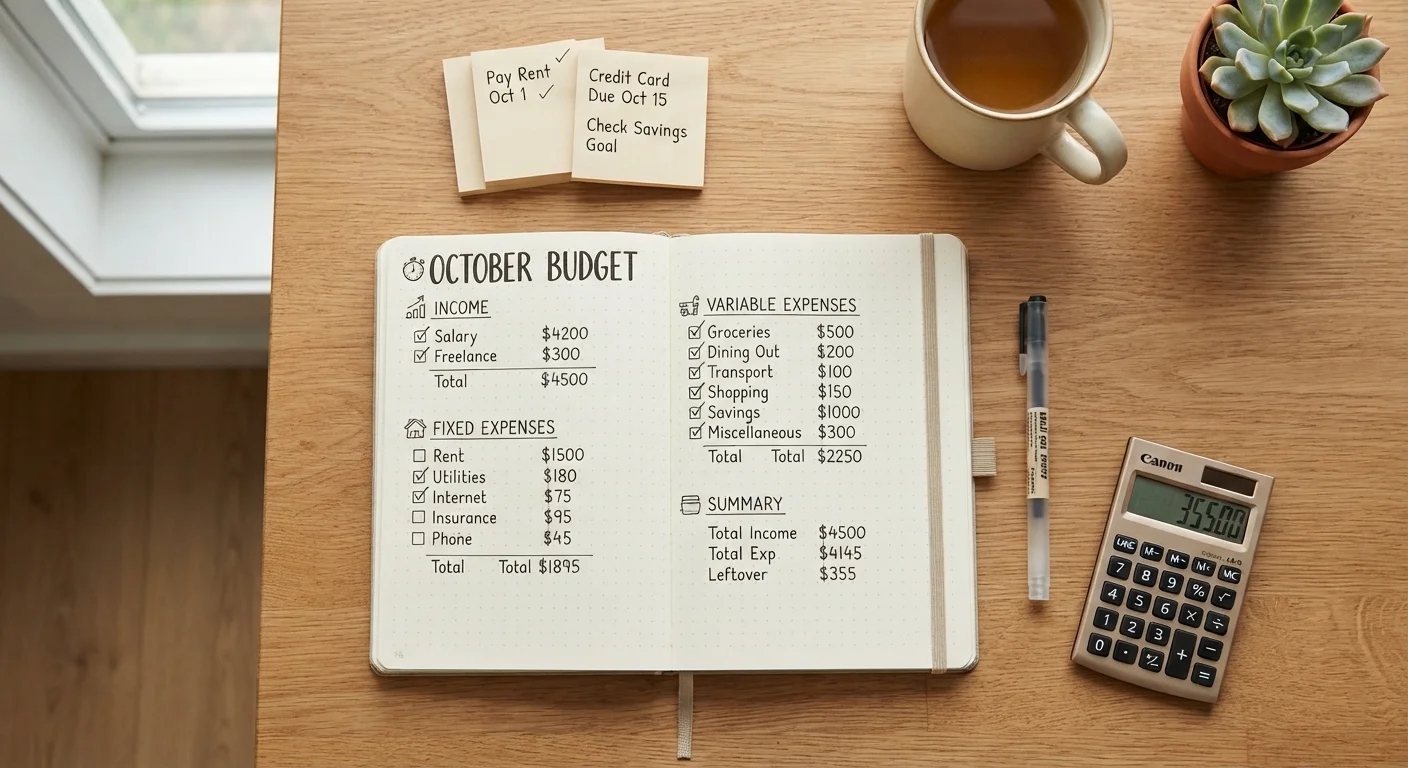
Start by writing down your expected after-tax income for the month. Then list your fixed obligations: rent or mortgage, insurance, minimum loan payments, and any subscriptions you have already decided to keep. Subtract those from your income.
With the remaining amount, build out your variable categories: groceries, dining, gas, clothing, personal care, entertainment. Be realistic — not aspirational. If you typically spend $400 on groceries, assigning $200 is a plan to fail in week two.
After variable expenses, assign whatever remains to savings goals, debt overpayment, or a miscellaneous buffer for unexpected costs. Keep adjusting amounts until the total equals your income. That zero balance is your signal the plan is complete.
At month-end, run a short review of what actually happened versus what you planned. The monthly budget reset checklist is a practical tool for that review — it helps you catch overspending patterns and refine category amounts before the next month starts.
Common Pitfalls and How to Avoid Them
The most frequent mistake is forgetting irregular expenses — annual subscriptions, car registration, holiday gifts, or quarterly insurance premiums. These do not appear in most months, so they fall off the radar until they suddenly hit. The fix is a dedicated sinking fund category: divide the annual cost by 12 and assign that amount every month, even when the bill is not due.
A second pitfall is treating the budget as locked once set. Life changes mid-month. An unexpected car repair, a medical copay, or a friend's last-minute birthday dinner will happen. ZBB handles this by moving money between categories — not by abandoning the plan. The budget can be revised as long as it still totals zero after the change.
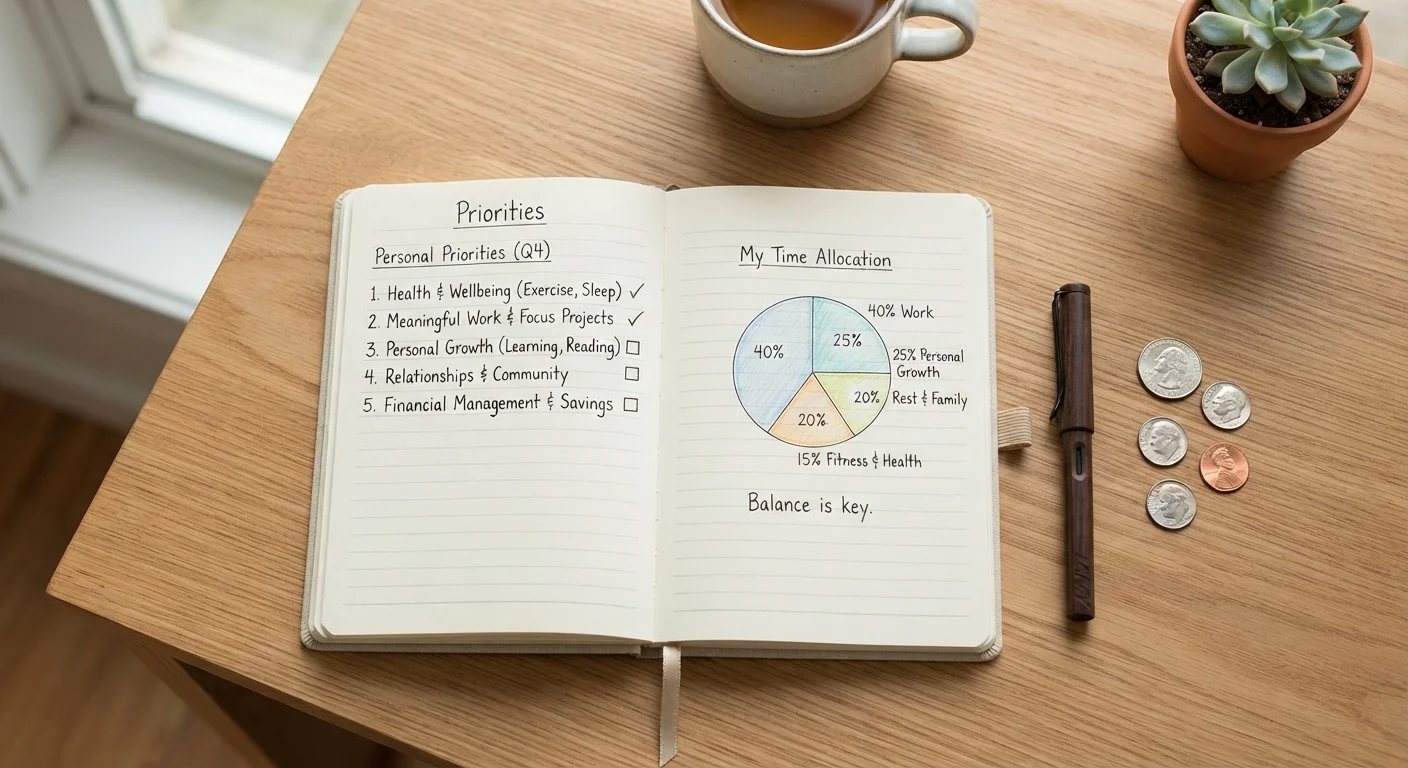
If you find ZBB too rigid, it may be worth considering a values-first alternative. Budgeting by values takes a different approach, cutting spending on low-priority categories to free up room for what genuinely matters — a looser but still intentional system.
This article is for general informational purposes only and does not constitute personalized financial advice. Consider consulting a qualified financial professional for guidance specific to your situation.