
The Science Behind Payment Method and Spending
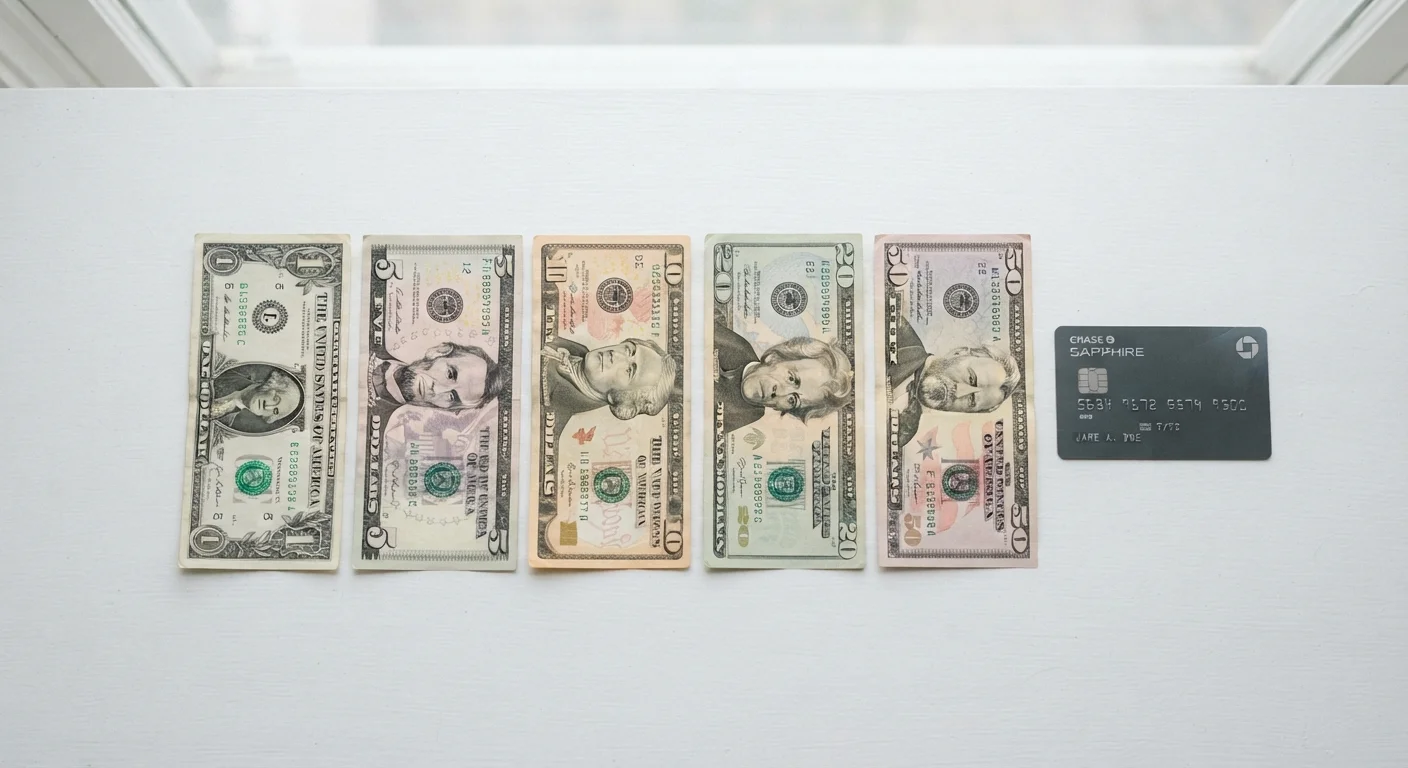
The idea that paying in cash makes you spend less isn't folk wisdom - it has a documented research basis. Behavioural economists Drazen Prelec and Duncan Simester introduced the concept of the "pain of paying" to describe the psychological discomfort that occurs when money visibly leaves your hands. Their research found that this discomfort is highest with cash and lowest with credit cards, largely because cash is tangible and immediate while card transactions feel abstract.
A widely cited study published in the Journal of Consumer Research found that consumers paying by card were more likely to purchase indulgent or unhealthy items compared with cash payers - suggesting the payment method influences not just how much we spend, but what we choose to buy. Additional work by researchers at MIT demonstrated that people were willing to bid significantly more for the same item when paying by credit card versus cash in auction settings.
Understanding the cognitive triggers behind overspending helps explain why these findings hold up: card payments reduce transaction friction, and lower friction generally means higher spend. Cash, by contrast, functions as a natural speed bump.
| Criterion | Cash | Card (Debit or Credit) |
|---|---|---|
| Pain of paying | High - tangible and immediate | Low - abstract and deferred |
| Impulse spending brake | Strong - physical limit | Weak without active monitoring |
| Spending records | None - must track manually | Automatic transaction history |
| Fraud protection | None - lost cash is gone | Liability limits and dispute rights |
| Usability online | Not viable | Fully functional |
| Hard spending ceiling | Yes - fixed by amount held | No - requires self-imposed limits |
| Rewards potential | None | Cashback or points on eligible cards |
Where Each Payment Method Has a Real Edge
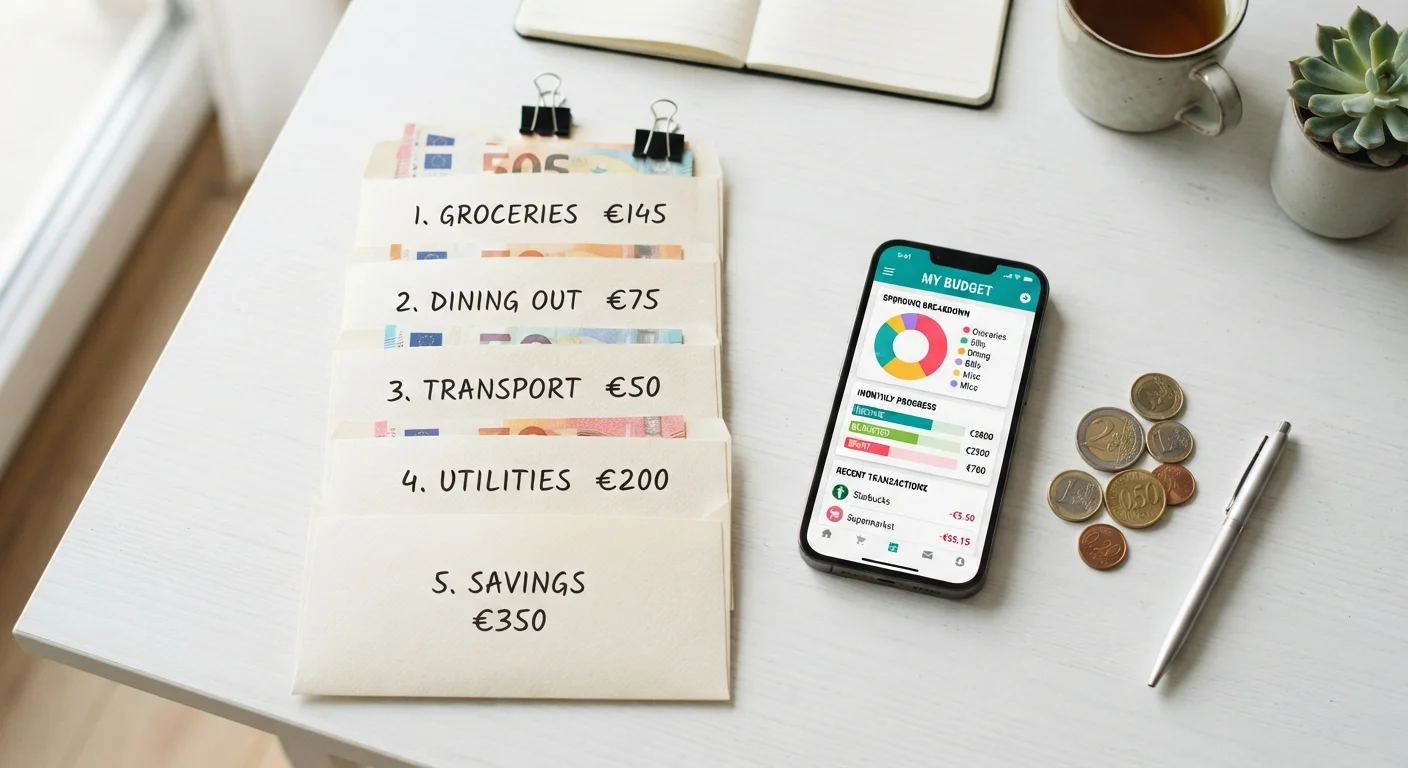
Cash's primary advantage is its built-in budget ceiling. Once the money in your wallet is gone, the spending stops - no overdraft to worry about, no minimum payment to defer. This makes it particularly effective for discretionary, variable categories like groceries, dining out, and weekend entertainment. The cash envelope method formalises exactly this logic by allocating physical currency to spending categories upfront.
Cards, meanwhile, hold genuine advantages that cash cannot replicate. Debit and credit cards generate a complete, searchable transaction record - essential input for anyone using a budgeting app or reviewing monthly patterns. They also offer fraud liability protection, extended warranty coverage on some purchases, and dispute resolution mechanisms that cash transactions simply don't have. For recurring bills, subscriptions, and online purchases, cards are functionally necessary.
The practical nuance is that the best payment method depends heavily on the category. Fixed, planned expenses - rent, utilities, insurance - are strong candidates for card autopay. Variable, temptation-prone spending - coffee shops, convenience stores, impulse retail - is where cash's friction benefit is most useful. This lines up with the broader principle explored in low-stakes spending categories: not every purchase deserves the same level of deliberation or control mechanism.
~83%
US transactions now cashless
According to Federal Reserve payments data, the share of US consumer payments made by card or digital method has grown substantially over the past decade.
12-18%
Higher spend with card vs. cash
Multiple laboratory and field studies have found card payers tend to spend meaningfully more per transaction than cash payers in comparable retail settings.
2x
Credit card bid premium in auctions
MIT research by Prelec and Simester found participants bid roughly twice as much for the same item when paying by credit card compared to cash.
Building a Hybrid Approach That Actually Works
For most budget-conscious households, a hybrid strategy outperforms an all-cash or all-card approach. The core principle: use the payment method that imposes the right amount of friction for each category. Automate fixed expenses on cards to avoid missed payments and capture any rewards. Use cash or a strict debit allowance for the discretionary categories where you know overspending is a recurring issue.
Tracking remains the critical variable. Cash spending is invisible to your bank statement, which means without manual logging it disappears from your budget picture. If you use cash regularly, a simple daily note - even a phone note app - preserves visibility. Card users benefit from transaction data automatically, but only if they actually review it. Neither method delivers control on autopilot without some level of active monitoring.
System-based strategies work better than willpower alone - and your payment method is one of the most accessible systems you can adjust today. Choosing cash for a category you consistently overspend in isn't about restriction; it's about designing an environment that makes the better decision the easier one. That distinction - between cutting costs blindly and spending with intention - is worth keeping in mind, as explored in the difference between saving money and spending smarter.
This article presents general financial information and behavioral research for educational purposes only. It is not personalized financial advice. For guidance specific to your financial situation, consult a qualified financial professional.