
What Cost Per Use Actually Means
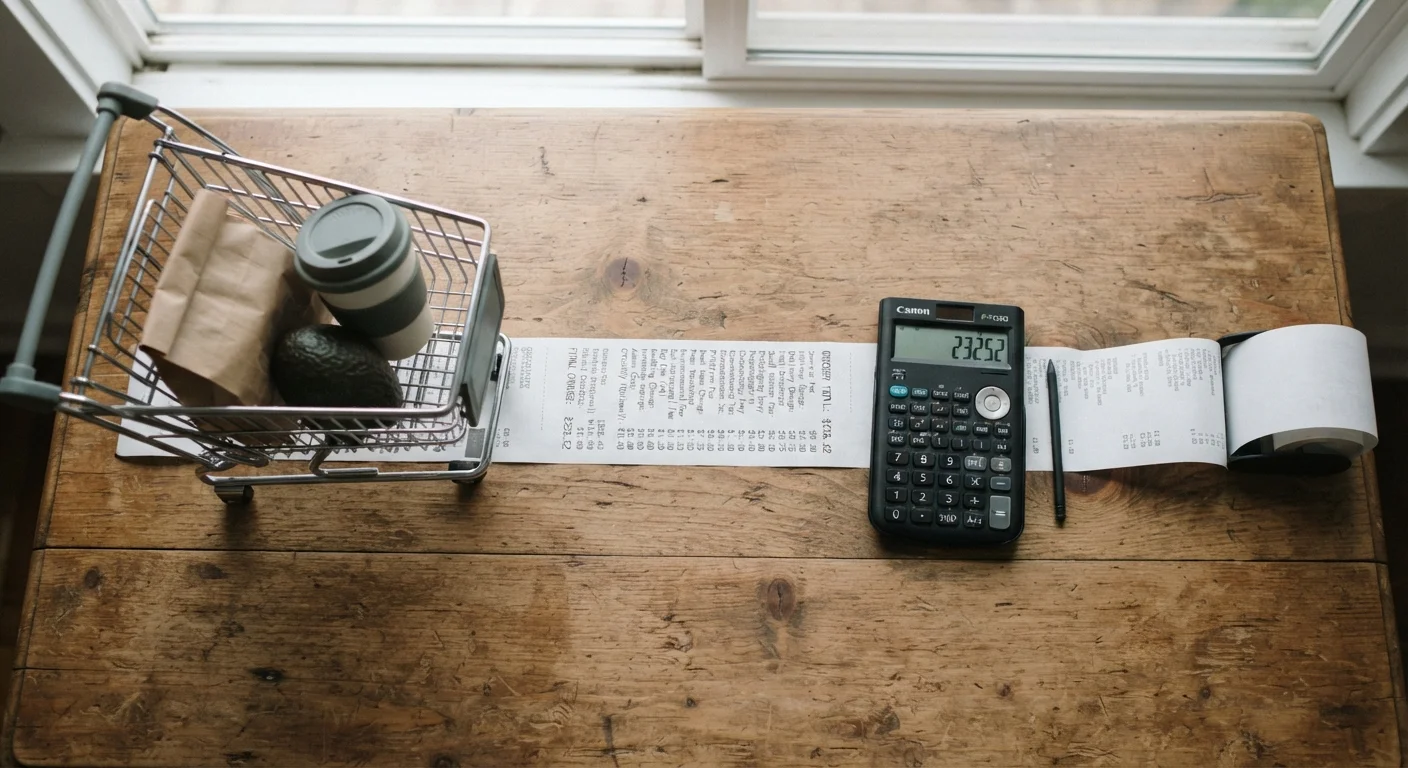
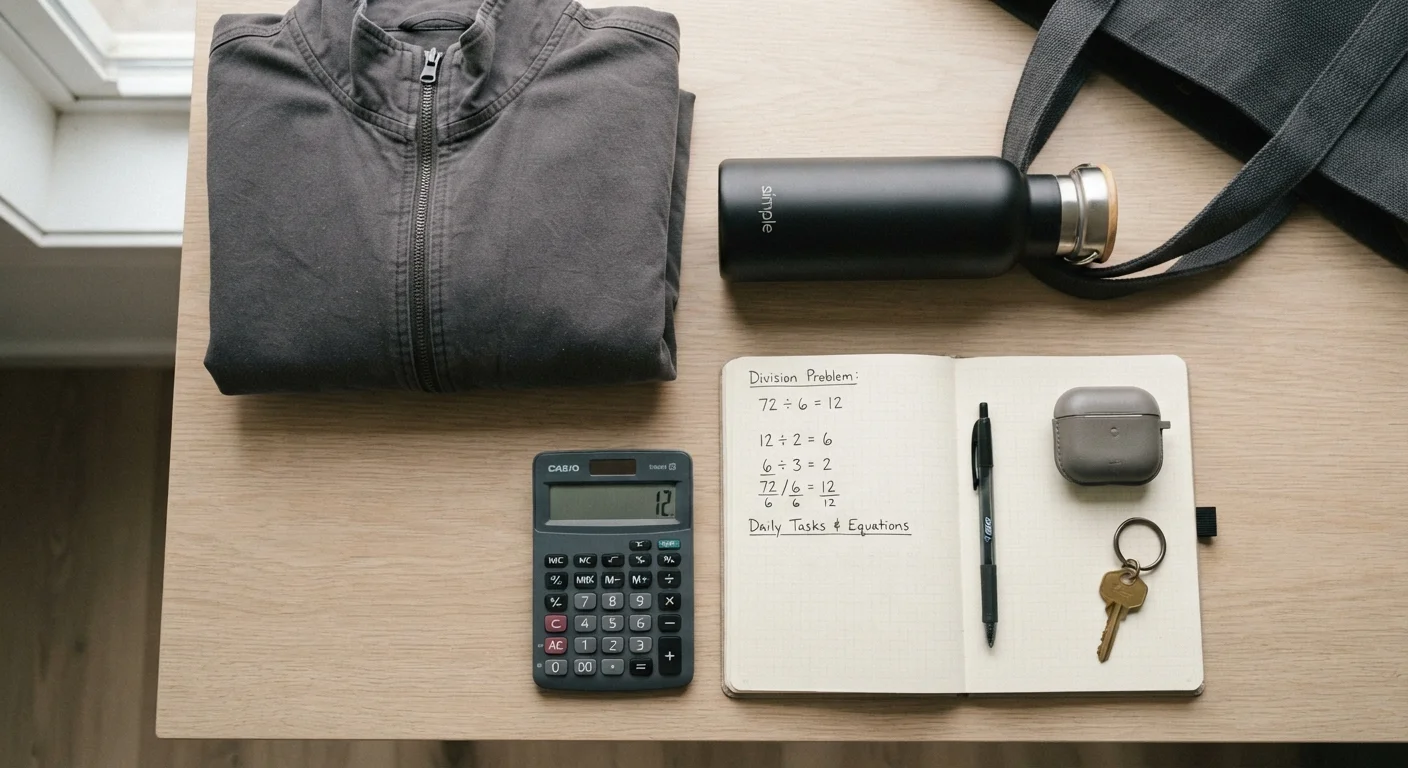
Cost per use is a single, straightforward calculation: divide what you paid by the number of times you actually use the item. A $120 jacket worn 200 times costs $0.60 per use. The same jacket worn twice costs $60 per use. The sticker price hasn't changed - but the value picture is completely different.
This metric cuts through one of the most common mental shortcuts in consumer behavior: anchoring on the purchase price as a proxy for value. Price tells you what something costs to acquire. Cost per use tells you what it costs to own. Those are rarely the same number, and the gap between them is where most spending mistakes live.
For a deeper look at everything that sticker price leaves out, see our guide to total cost of ownership.
How to Apply It Before You Buy
Before committing to a purchase, estimate three things honestly: the purchase price (including any initial setup costs), a realistic use frequency per week or month, and the expected useful lifespan. Multiply frequency by lifespan to get projected total uses, then divide price by that number.
The math is easy. The discipline is in the honest estimation. Research on consumer behavior consistently finds that people overestimate how often they'll use items - particularly fitness equipment, hobby supplies, and kitchen appliances. A good rule of thumb: cut your optimistic estimate by 30 to 40 percent before running the calculation.
Adjust for Realistic Use, Not Ideal Use
Most people plan to use a new purchase more than they actually do. Consumer research on post-purchase behavior suggests usage rates for discretionary goods often fall well below initial expectations within the first three months. When estimating total uses, apply a conservative multiplier - your cost-per-use number will be more honest and your purchase decisions more reliable.
Cost per use works equally well for recurring purchases. A $25 monthly streaming subscription used daily costs roughly $0.83 per day. The same subscription accessed twice a month costs $12.50 per session - a figure that often changes how readers think about whether to keep it.
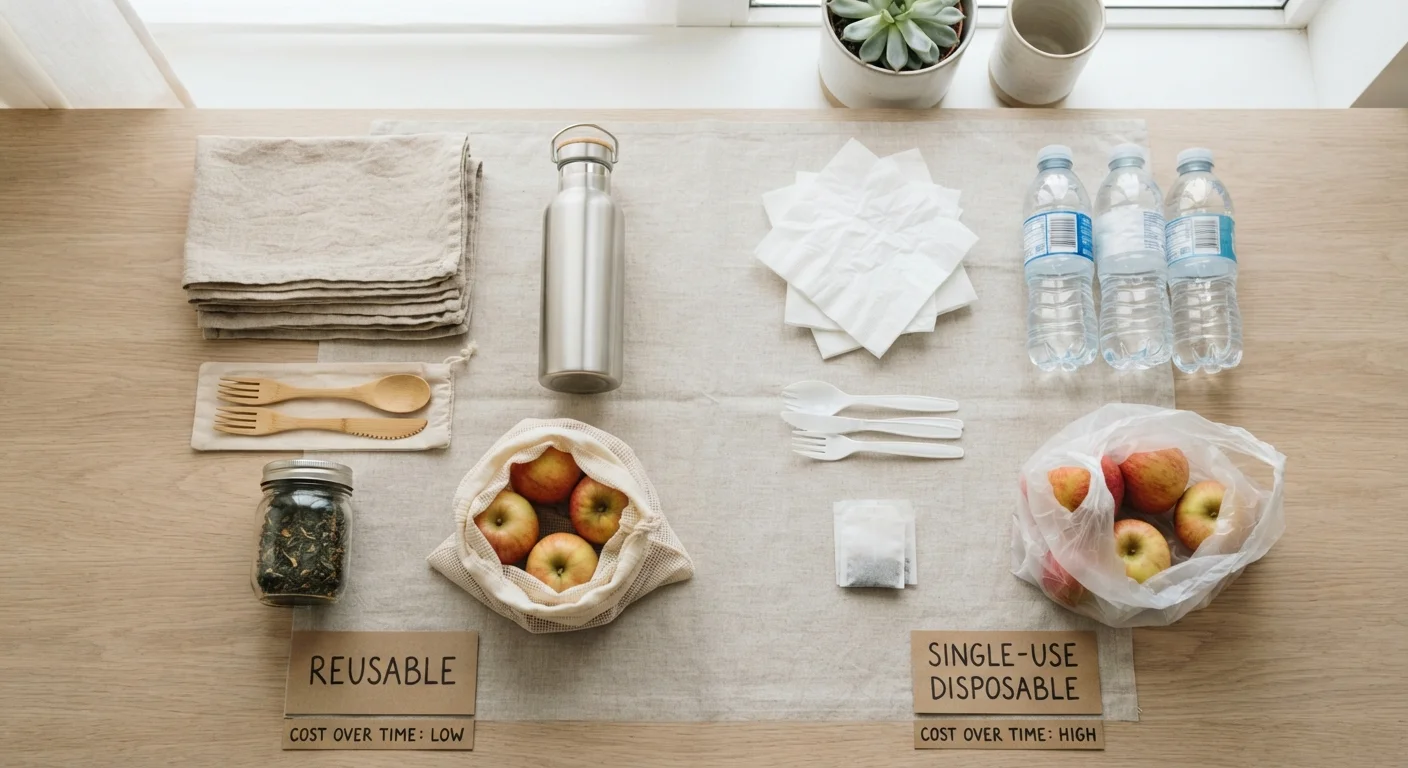
This metric is especially useful when comparing a durable item against a disposable alternative. Mapping the break-even point between reusable and single-use options shows exactly how to structure that comparison.
Where the Metric Has Limits
Cost per use is a useful filter, not a complete decision framework. It doesn't account for maintenance costs, storage, or items that depreciate in usefulness over time. A car is a clear example: the full cost of car ownership includes insurance, fuel, repairs, and depreciation - none of which appear in a simple cost-per-use calculation.
The metric also can't capture the cost of not using something. A first-aid kit used once has an enormous cost-per-use ratio and still represents good value. Treat cost per use as a useful signal for frequently used, discretionary purchases - not as a universal verdict on every spending decision.
Finally, the calculation is only as reliable as your use estimate. Build the habit of tracking actual use after purchase - even informally - so your future estimates get sharper over time. That feedback loop is what turns cost per use from a one-time exercise into a genuinely useful spending habit. For more on building that kind of judgment, the smarter spending habits hub covers practical strategies across everyday categories.
And if you want to understand the broader question of what makes something genuinely worth buying for you specifically, see what value for money actually means.