

Why 'Value' Can't Be Separated from the Person Buying
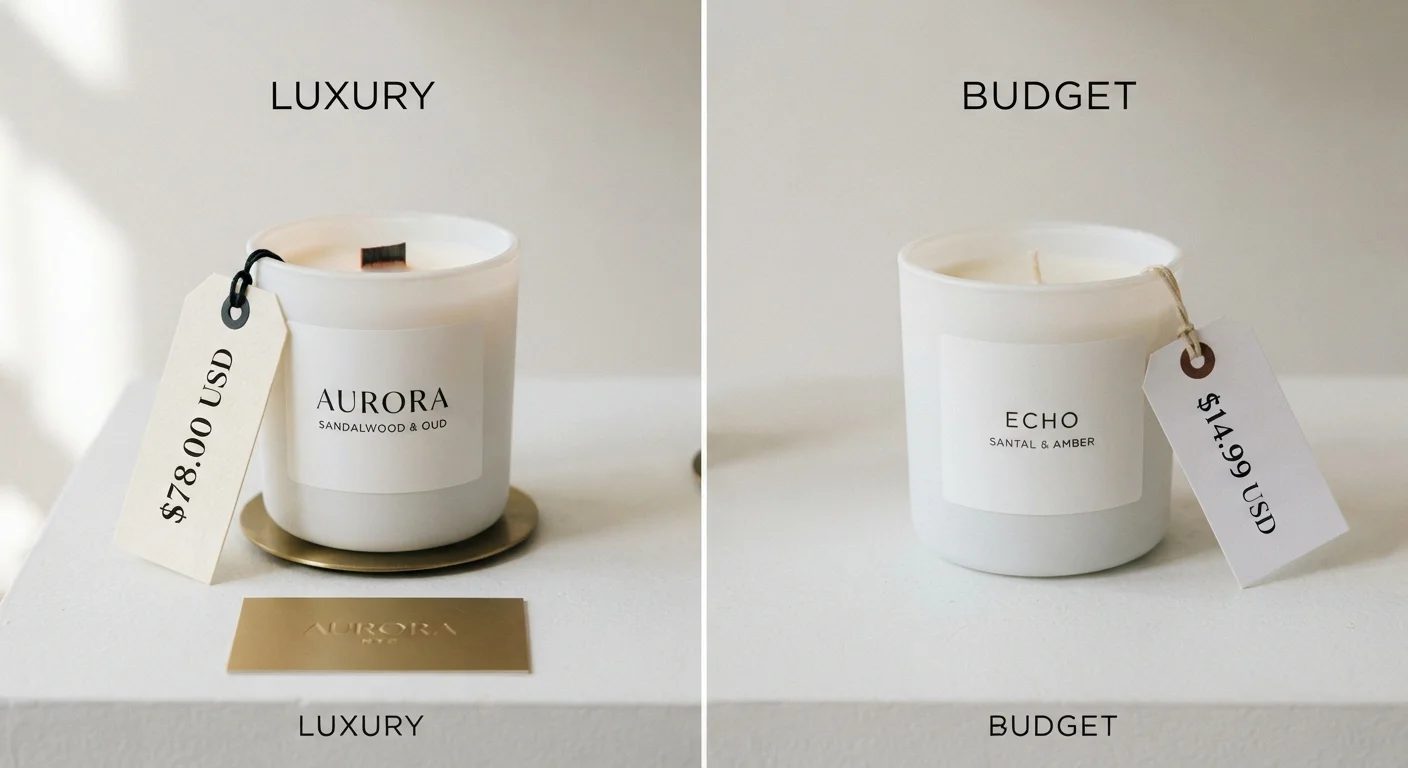
Most people intuitively understand that a $5 cup of coffee isn't worth it every day but might be worth it before a long flight. That instinct is correct - and it points to something important: value is always personal, situational, and comparative. There is no universal answer to whether something is worth the money.
What determines value for any individual purchase comes down to three overlapping factors:
- Frequency of use - How often will you actually use it?
- Functional fit - Does it do what you specifically need it to do?
- Duration of benefit - How long will the benefit last before the item needs replacing?
Strip away marketing language and brand prestige, and those three factors tell you most of what you need to know. The complete picture of value vs. price involves a few more layers - but frequency, fit, and duration are the foundation.
Value Isn't Always Measurable
Some purchases carry intangible returns - peace of mind, aesthetic pleasure, or social connection - that resist simple cost-per-use math. That doesn't make them irrational. It means you should be clear-eyed about what you're actually buying. Paying a premium for reassurance or enjoyment is valid; doing it unconsciously is where budget problems tend to start.
Cost-Per-Use: A More Honest Way to Think About Price
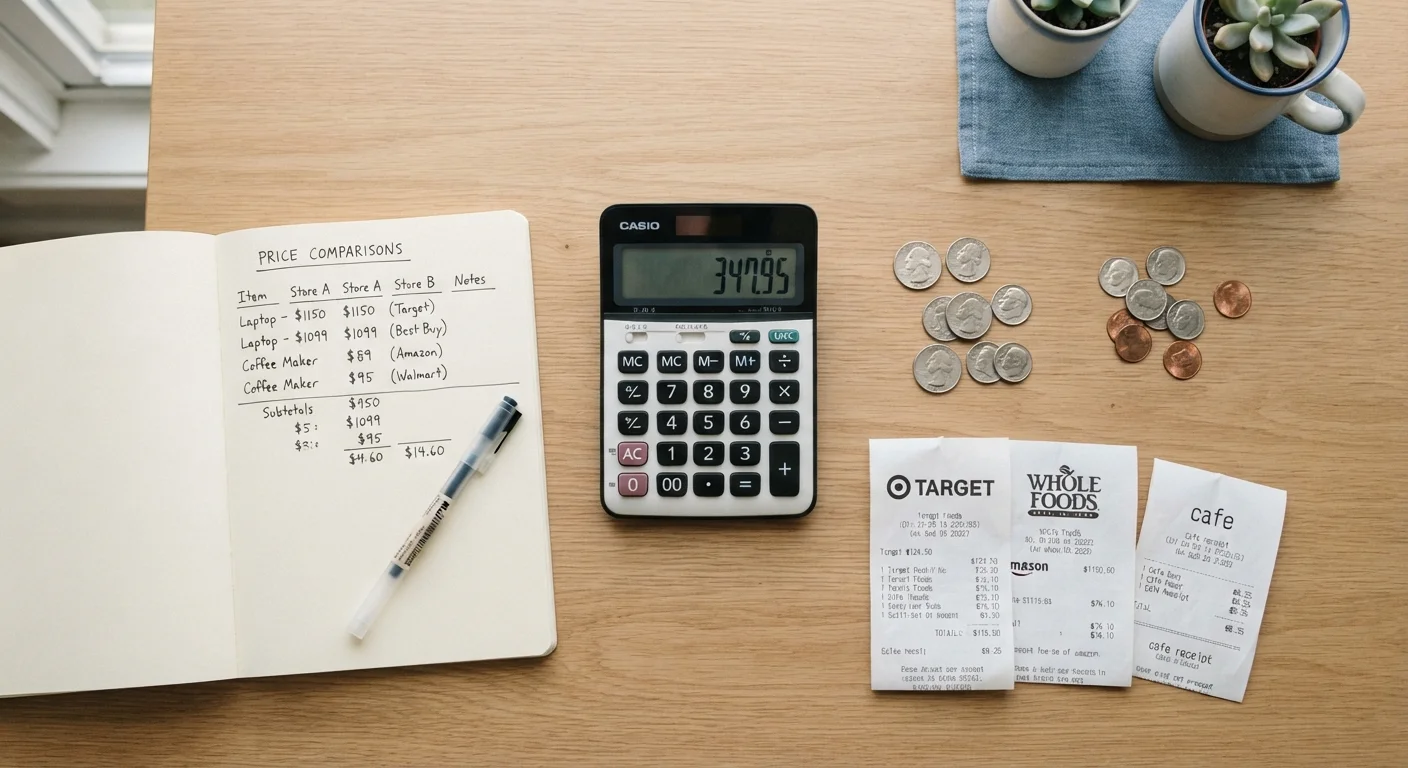
Sticker price is the number retailers want you to focus on. Cost-per-use is the number that actually matters. The math is straightforward: divide what you paid by how many times you use it.
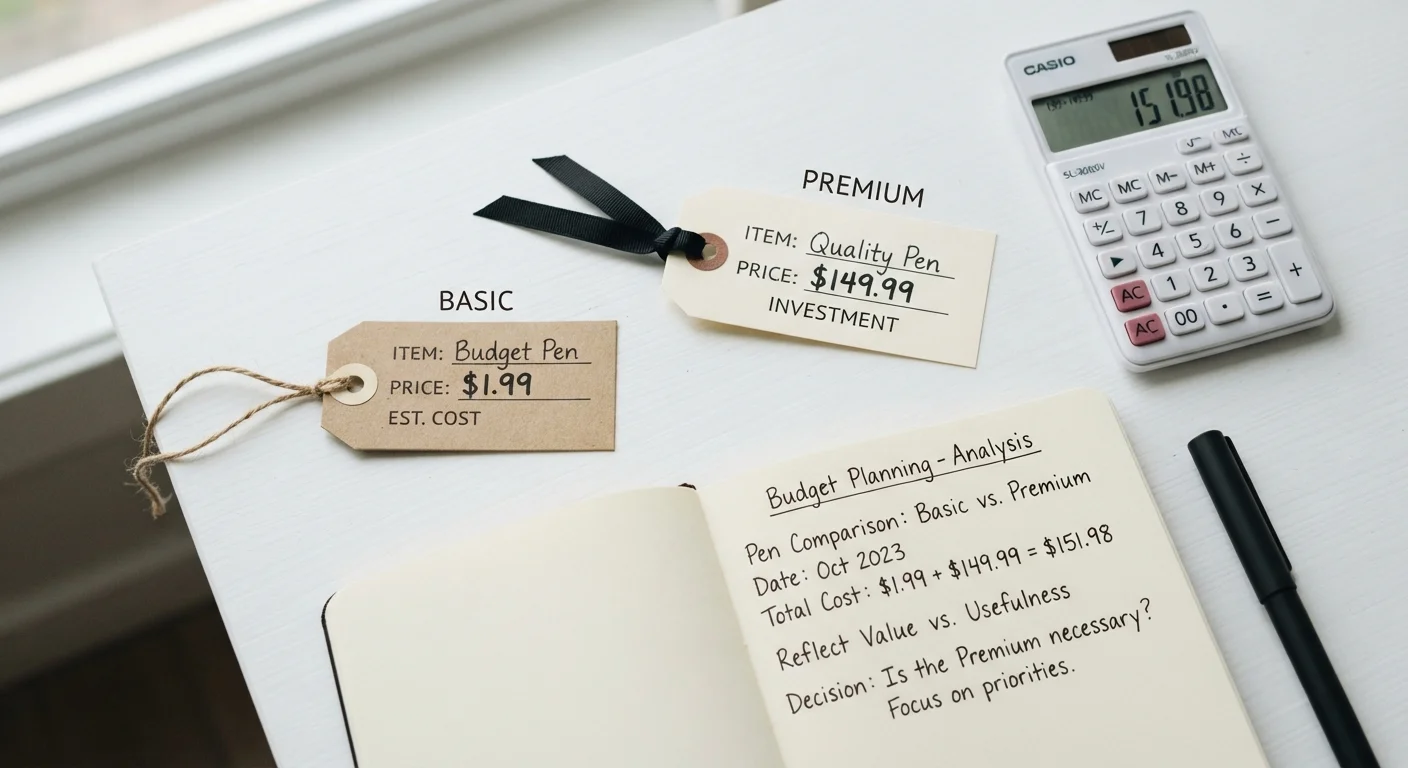
Consider two scenarios. A $200 winter coat worn 80 times over four seasons costs $2.50 per wear. A $60 coat worn 12 times before it loses its insulation costs $5.00 per wear - and ends up in a landfill. The cheaper coat cost more per use and created more waste.
This logic applies across categories - kitchen appliances, gym equipment, vehicles, even subscriptions. If you want a repeatable method for running these comparisons side by side, the lifetime value formula provides a structured framework.
~$1,500
Average annual US household spend on clothing
According to the U.S. Bureau of Labor Statistics Consumer Expenditure Survey, a significant portion of that clothing is rarely or never worn after purchase.
80%
Clothes in a typical wardrobe worn infrequently
Consumer behavior research frequently cites estimates that people regularly wear only about 20% of the clothes they own, illustrating how low cost-per-use can be for many apparel purchases.
$300+
Estimated annual waste on unused gym memberships
Industry data from fitness associations suggests many gym members pay dues for months without attending, a common example of poor value-for-money even at a modest monthly price point.
Context Reshapes What Counts as a Smart Spend
The same purchase can be excellent value for one person and a poor decision for another - not because one person is smarter, but because their circumstances differ. A few examples make this concrete.
This is why generic advice like "always buy quality" or "never spend more than you have to" falls flat. The real question is always: given my life, my habits, and my budget, does this purchase return more than it costs me?
It's also worth separating emotional value from functional value. A piece of art, a sentimental gift, or a vacation isn't easily reduced to cost-per-use - and that's fine. Emotional return is a legitimate part of the value equation, as long as you're being honest with yourself about what you're paying for and why.
For a grounded look at when cutting costs actually works against you, see why saving money and spending smarter aren't the same thing.
Applying This in Practice
Before any significant purchase, running through a few honest questions changes the outcome. Ask yourself:
- How many times per month will I realistically use this?
- What does it replace - and what was that costing me?
- What's the expected lifespan, and what happens when it fails?
- Am I paying for a feature I actually need, or one I find appealing in the store?
These questions expose the gap between perceived value and actual value - which is exactly where marketers and retailers operate. The goal isn't to be suspicious of every purchase; it's to make spending decisions that hold up when you look back on them. That's what value for money actually means.
If you're applying this thinking to a larger purchase like a vehicle, the same principles scale up - the car buying smart hub covers how to evaluate those trade-offs in a higher-stakes context.
Build a Simple Pre-Purchase Habit
Before buying anything over $50, write down one sentence: 'I will use this [X] times per [month/year] for [Y years].' If the resulting cost-per-use still feels justified, you have your answer. If you struggle to fill in the numbers honestly, that hesitation is informative. This single habit catches most impulse purchases before they become regrets.