

Why Quality Signals So Easily Fool Us
Shoppers are not irrational - they're working with incomplete information under time pressure. In that environment, the brain reaches for shortcuts: weight, price, packaging, brand name. These heuristics aren't wrong in principle; the problem is that modern retail has learned to engineer them. Manufacturers and marketers deliberately shape the sensory and visual experience of a product to trigger quality perceptions that may not reflect what's actually inside.
Understanding which signals are manufactured and which are substantive is the core skill of a smarter shopper. It doesn't require expertise in every product category - it requires knowing the right questions to ask before assuming a cue is meaningful. The complete guide to value vs. price lays out the broader framework; this article drills into the specific perceptual mistakes that cost shoppers money most often.
Treating heavy weight or solid feel as proof of quality construction.
Why it happens: Weight and heft trigger an intuitive sense of substance and durability - it's a deeply embedded perceptual shortcut. Manufacturers know this and sometimes add non-functional mass to exploit it.
Assuming premium packaging signals a premium product inside.
Why it happens: Packaging is the first thing a shopper encounters, and brands invest heavily in it precisely because it shapes perception before the product is ever used.
Using aggregate star ratings as the primary quality filter.
Why it happens: Star ratings are visible, simple, and feel objective - so shoppers default to them as a fast proxy for quality consensus.
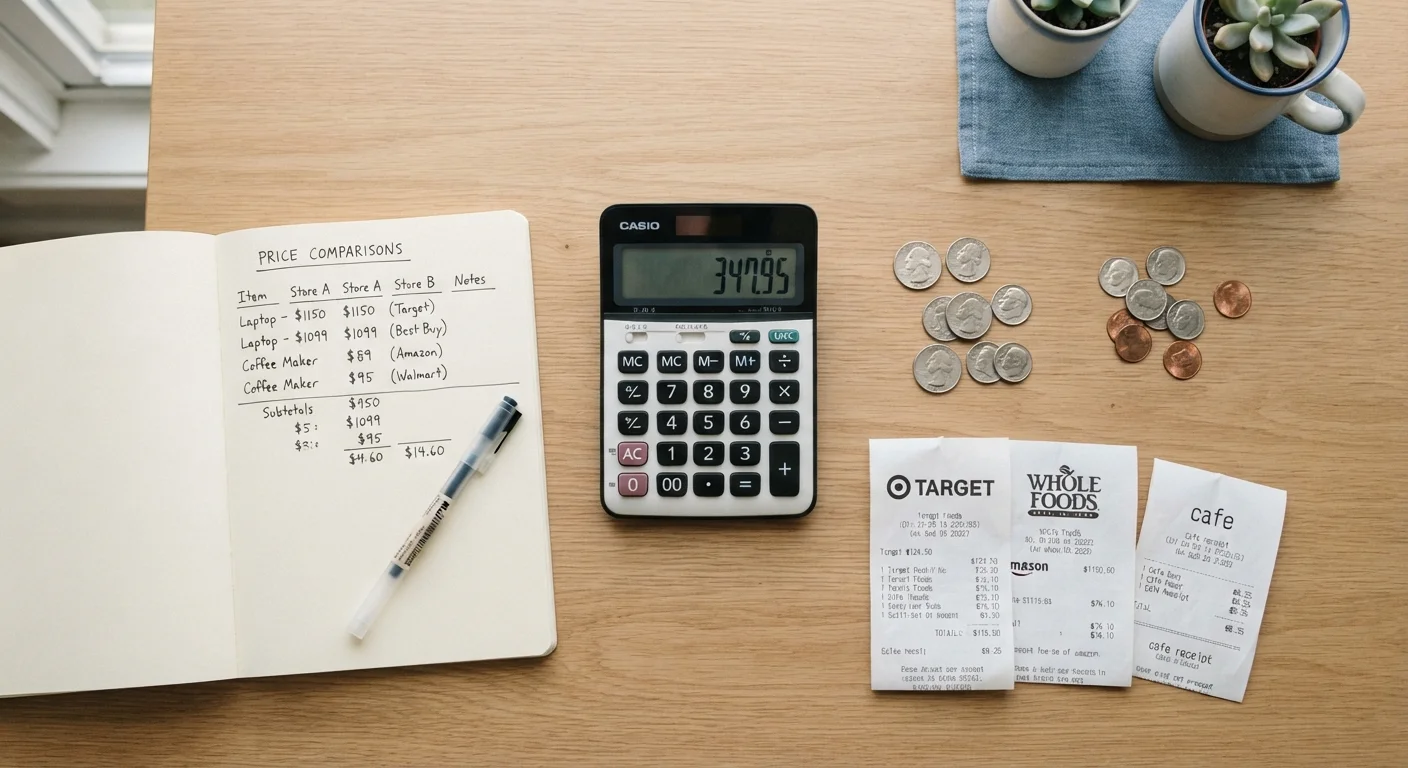
Ignoring total cost of ownership in favor of the lowest upfront price.
Why it happens: The sticker price is concrete and immediate; maintenance, replacement, and energy costs are abstract and future-dated, so they get discounted mentally.
Conflating brand reputation with consistent product quality across an entire line.
Why it happens: A brand that earns trust in one category often extends into others, and shoppers carry that trust across without re-evaluating.
Treating warranty length as a straightforward durability indicator.
Why it happens: A longer warranty seems like a manufacturer's confidence in their product - and sometimes it is. But warranty terms, exclusions, and claim processes vary so widely that length alone tells you very little.
What Actually Predicts Quality: Signals Worth Trusting
Once you stop chasing the manufactured signals, what should you look for instead? A few markers hold up consistently across categories.
~60%
Shoppers who equate price with quality
Consumer psychology research has long documented that a majority of buyers use price as a shorthand quality signal, even when given access to objective product information.
3-5×
Typical lifespan difference between low- and mid-grade versions of the same product category
Durability gap estimates across categories like appliances and tools suggest mid-tier construction can outlast entry-level by a significant multiple when core materials differ substantially.
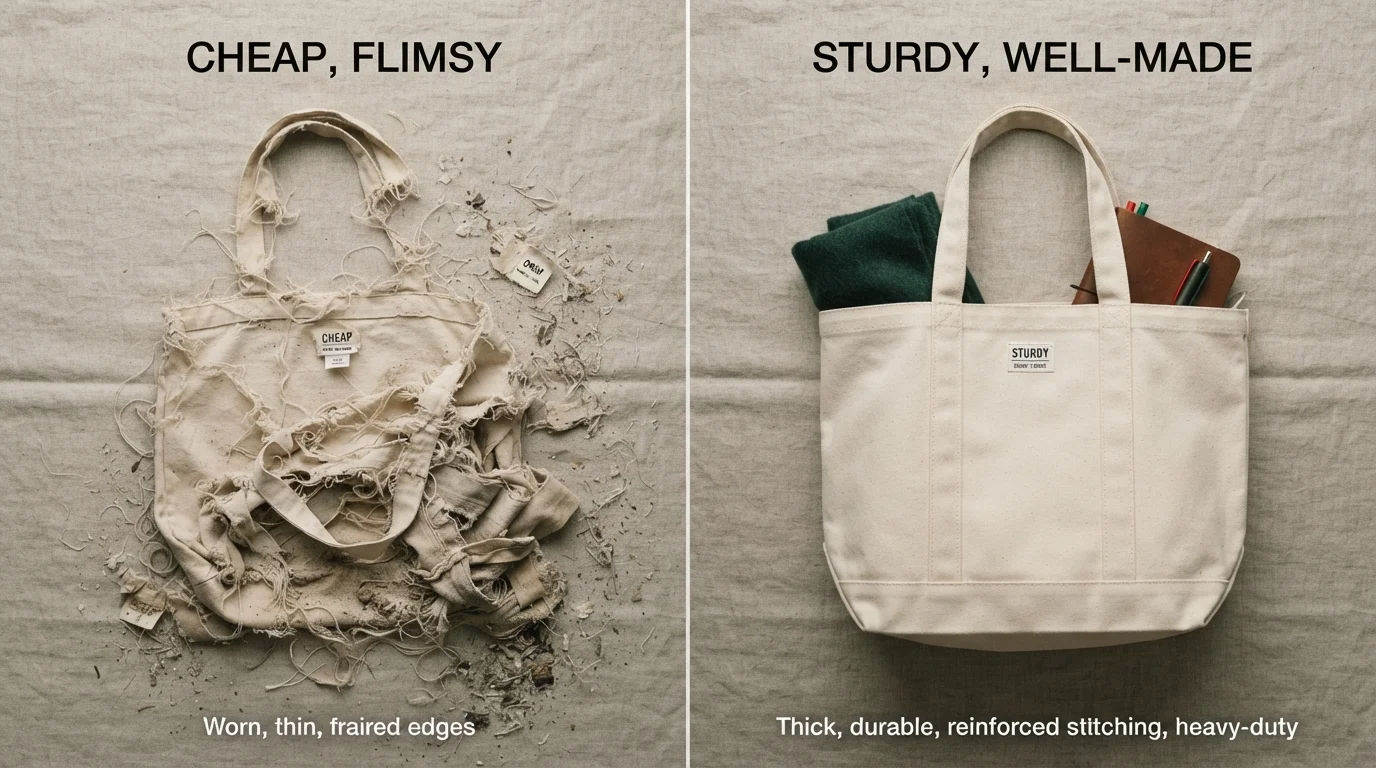
Material specifications over vague descriptors. "Premium materials" is marketing language. "16-gauge steel" or "full-grain leather" is a specification you can verify and compare. When a product page offers only adjectives and no numbers, treat that as a gap worth investigating.
Construction method transparency. How something is assembled tells you more than how it looks. Dovetail joints, welded seams, and forged components are meaningfully different from glued, stapled, or injection-molded alternatives in ways that show up over time - not on the shelf.
Independent testing where it exists. For categories with organized testing - tools, appliances, safety equipment - third-party evaluations from sources without a financial stake in the outcome are the closest thing to objective data most consumers can access.
Price Is Not a Reliable Proxy for Quality
Research in consumer behavior consistently shows that shoppers conflate higher prices with superior quality - even when objective testing finds no meaningful difference. Retailers and manufacturers are aware of this bias and price accordingly. Before assuming a premium price reflects a premium product, look for verifiable specifications, independent test results, or material disclosures that substantiate the cost.
Finally, step back and think about what "quality" means for your specific use case. A product that earns high durability marks in lab tests for heavy professional use may be overkill - and overpriced - for occasional household tasks. As explored in why "you get what you pay for" is sometimes just a sales pitch, matching the product's performance tier to your actual needs is where real value gets unlocked.
Building this kind of evaluative habit takes practice, but it pays off across every category you shop. The smarter spending habits hub has additional strategies for making this thinking part of your routine before any purchase decision.