
Why This Question Matters More Than You Think
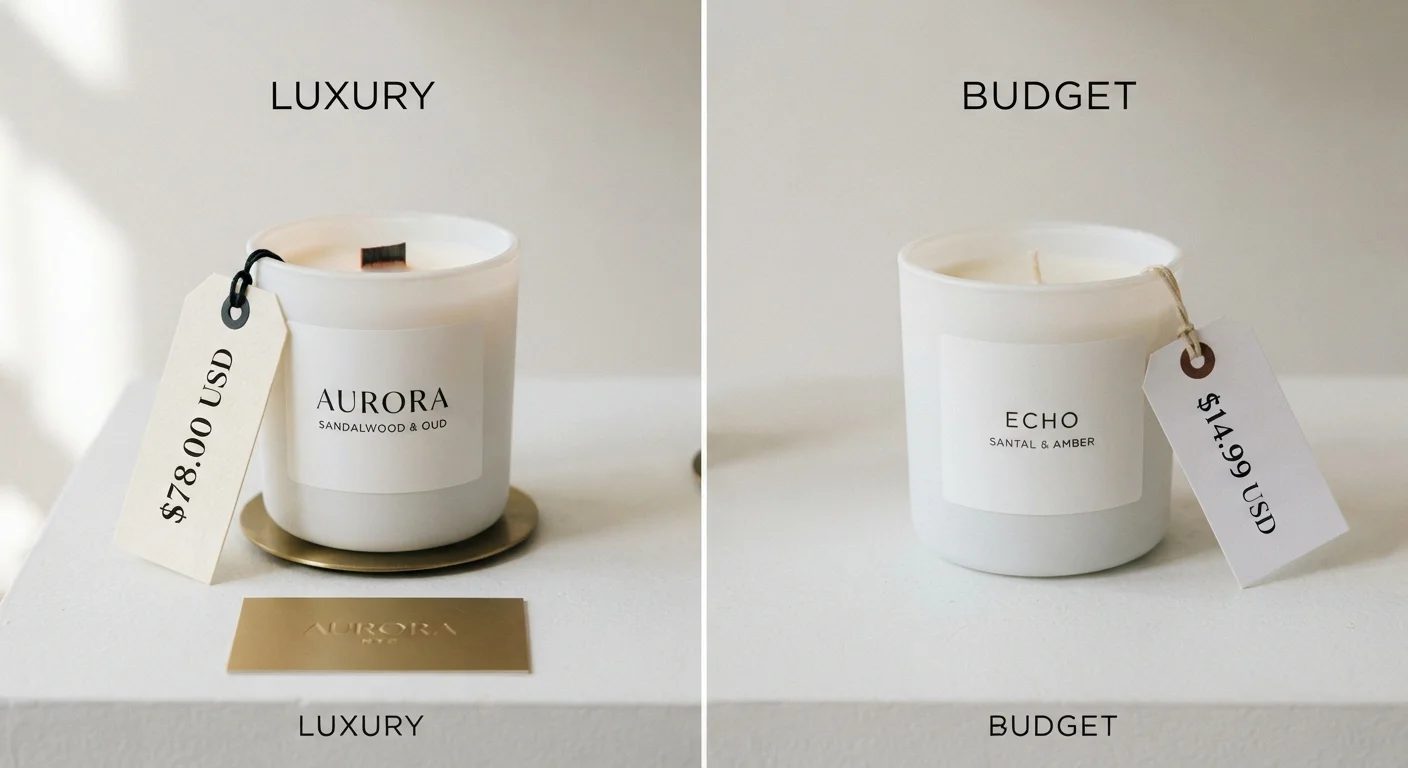
The instinct to reach for a name brand is understandable. Decades of advertising have conditioned shoppers to associate familiar logos with reliability. But that association is built on marketing spend, not always on measurable quality differences. The idea that higher price always means higher quality is deeply embedded - and frequently wrong.
The practical question isn't whether generics are universally good or bad. It's identifying which categories reward the switch and which ones carry a genuine trade-off. Getting this right is one of the most reliable ways to reduce spending without reducing quality of life.
| Criterion | Generic / Store Brand | Name-Brand |
|---|---|---|
| Price point | Typically 20-50% lower | Includes marketing cost premium |
| OTC drug equivalence | FDA-mandated bioequivalence | Same active ingredient |
| Grocery staples quality | Often same source facility | Branded packaging, similar product |
| Power tool durability | Variable materials quality | More consistent engineering |
| Skincare active delivery | Formulation may differ | More documented efficacy data |
| Cleaning supplies performance | Negligible difference for most tasks | Marginal advantage rarely worth cost |
| Warranty / support | Often limited or absent | Typically more robust |
Where Generics Perform Just as Well
Pharmaceuticals: This is the clearest win for generics. The U.S. Food and Drug Administration (FDA) requires generic drugs to demonstrate bioequivalence to their brand-name counterparts - meaning the same active ingredient, same dosage form, and the same absorption rate in the body. The price difference can be dramatic, sometimes 80-85% less, with no therapeutic difference for most consumers.
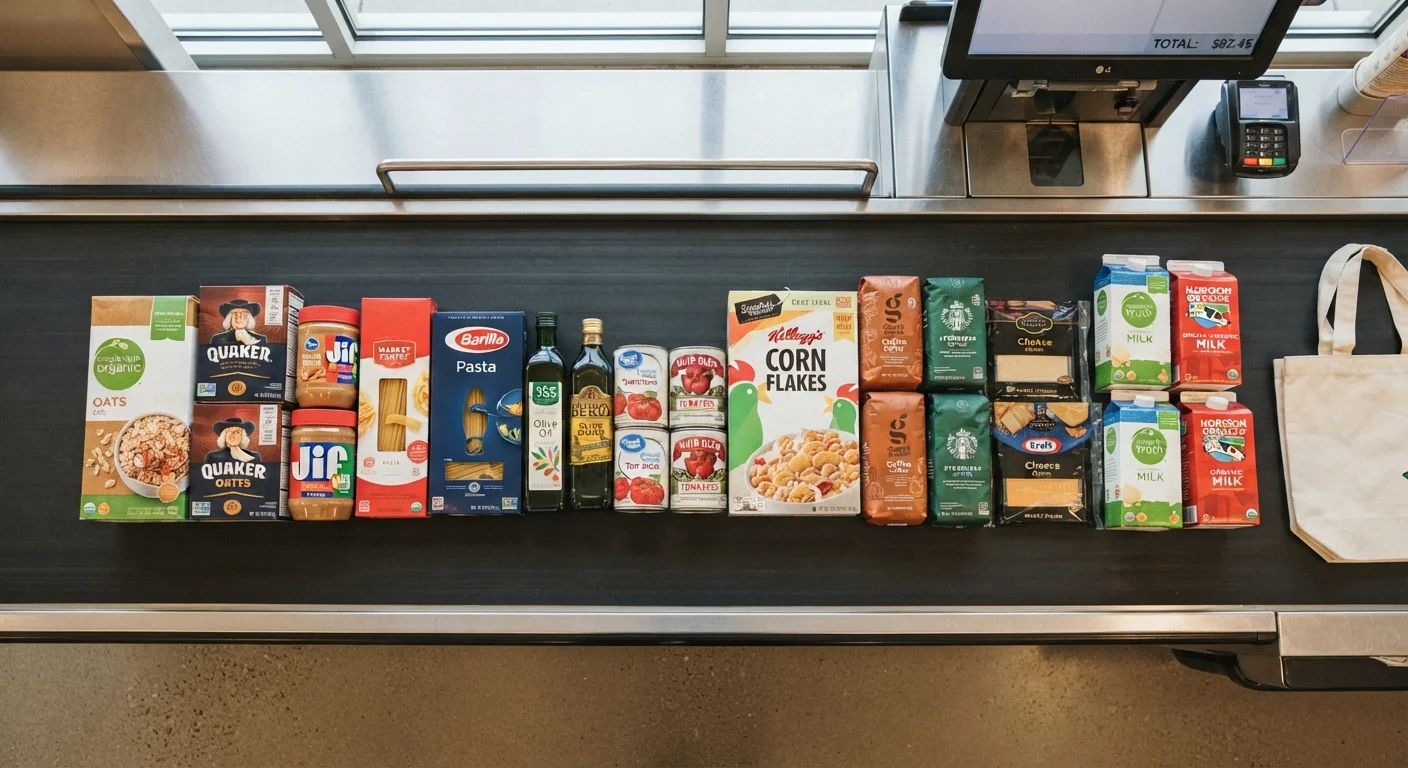
Grocery staples: Canned vegetables, dried pasta, flour, cooking oils, and dairy basics are frequently produced in the same manufacturing facilities as their branded equivalents. Supermarket own-brand products vary, but commodity staples are among the most reliable substitutes. Taste-test studies conducted by consumer research organizations consistently find that shoppers cannot reliably distinguish store-brand versions of these items from name-brand ones.
Basic household supplies: Dish soap, paper towels, trash bags, and cleaning sprays are commodity products. Performance differences, where they exist, rarely justify a 30-50% price gap. Switching these regularly purchased items to store brands is one of the fastest ways to reduce monthly household costs.
~80%
Average savings on generic prescription drugs
According to the FDA, generic drugs can cost 80-85% less than brand-name equivalents while meeting the same bioequivalence standards.
90%+
Share of U.S. prescriptions filled with generics
The FDA reports that more than 90% of prescriptions dispensed in the United States are filled with generic drugs, reflecting broad clinical confidence in equivalence.
$5-$10
Estimated monthly savings per household on cleaning and pantry generics
Consumer budget analyses suggest switching commodity household staples to store brands can reduce recurring grocery spend by several hundred dollars annually.
Where the Quality Gap Is Real
Power tools and hand tools: This is a category where build quality directly correlates with brand investment in materials and engineering. Cheaper, unbranded tools frequently use lower-grade steel, weaker motor windings, and inferior tolerances. For occasional light use, the difference may be acceptable. For regular use, the total cost of ownership - factoring in replacement frequency - often favors established manufacturers.
Adhesives and sealants: Formulation chemistry matters significantly here. Generic versions of specialized adhesives sometimes use different bonding agents that look similar on the label but fail under temperature extremes or on specific surface types. For critical applications like plumbing repairs or structural bonding, this is not a category to optimize purely on price.
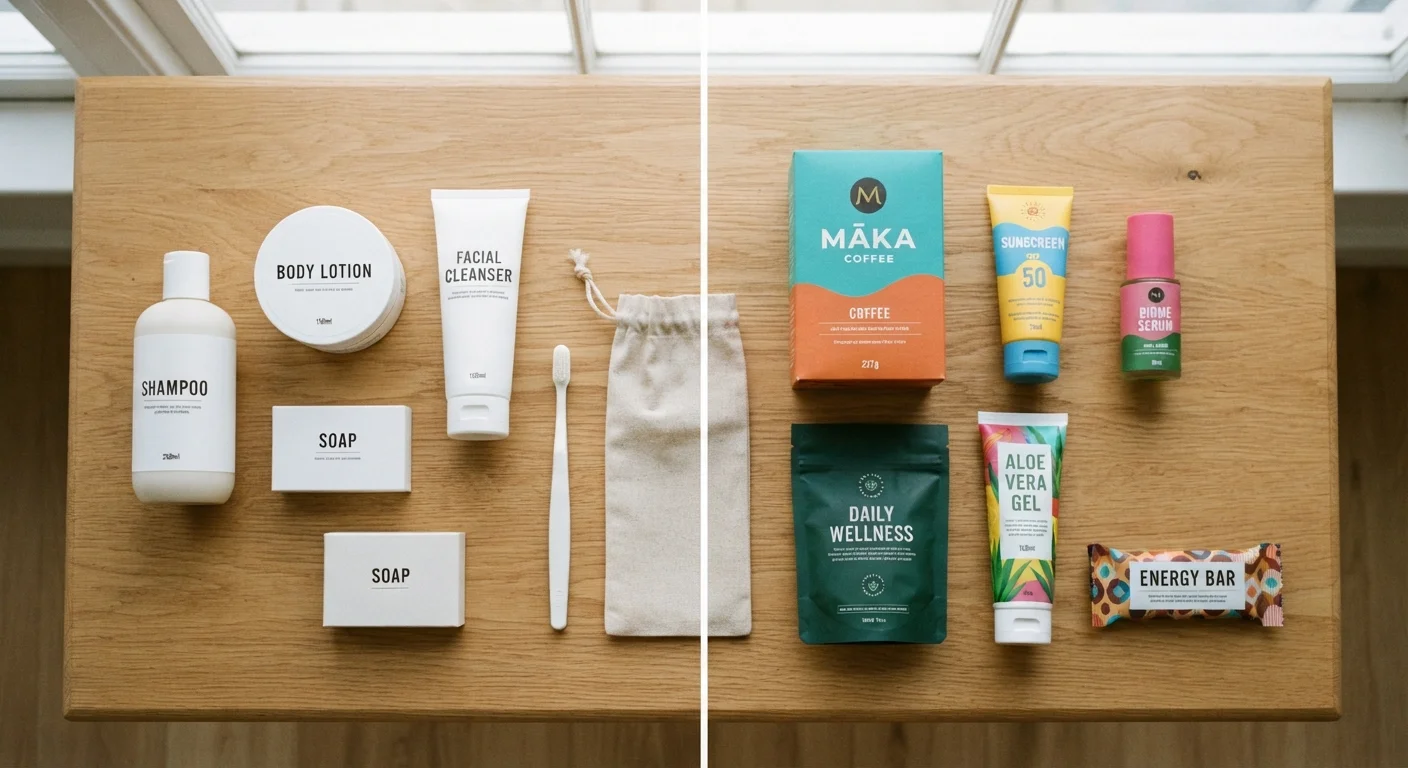
Skincare with active ingredients: Unlike pharmaceuticals, cosmetics are not subject to FDA bioequivalence requirements. A generic retinol serum may list the same active ingredient, but delivery systems, pH levels, and formulation stability vary substantially between manufacturers. Misleading signals like packaging and brand positioning make this category especially difficult to evaluate at a glance.
Cosmetics vs. Pharmaceuticals: A Key Regulatory Difference
Unlike over-the-counter drugs, cosmetics and skincare products are not required by the FDA to demonstrate equivalence between generic and branded versions. This means two products listing the same active ingredient can behave very differently depending on their full formulation, pH, and delivery system. This distinction matters when evaluating whether a store-brand retinol or vitamin C serum is truly comparable to a clinically studied branded product. When in doubt, look for independent third-party testing data rather than relying on ingredient lists alone.
A Framework for Making the Call
Rather than applying a blanket rule, evaluate each category with three questions: Is the product regulated for ingredient equivalence? (If yes, generic is almost always fine.) Is performance determined by materials or engineering rather than formulation? (If yes, brand investment may matter.) And does your actual usage pattern justify the durability premium? A once-a-year DIY project doesn't require the same tool spec as a contractor's daily workload.
For pet owners navigating similar decisions, generic pet medications follow comparable FDA-equivalent regulatory standards to human generics - another area where informed switching can meaningfully reduce costs without health trade-offs. Apply the same category-by-category logic rather than a reflexive preference in either direction.
The goal is calibrated spending - paying more only when the quality difference is real, measurable, and relevant to how you'll actually use the product. That approach, applied consistently across your regular purchases, is where meaningful savings accumulate. See the strategies for identifying genuine value for more on building this habit systematically.