
What Mindfulness Actually Is (and Isn't)
Mindfulness is the practice of intentionally paying attention to what is happening right now - in your body, your surroundings, and your thoughts - without judging any of it. That's it. No belief system required, no incense, no retreat.
Mindfulness
Deliberately paying attention to the present moment - thoughts, feelings, and sensations - without judging them as good or bad.
Breath anchor
Using the physical sensation of breathing as a focal point to return to whenever your mind wanders during practice.
Body scan
A mindfulness exercise where you systematically move your attention through different parts of your body, noticing sensations without trying to change them.
Informal mindfulness
Practicing mindful attention during everyday activities - like eating or washing dishes - rather than in a dedicated seated session.
MBSR
Mindfulness-Based Stress Reduction - a structured, secular program developed in academic settings that helped bring mindfulness research into mainstream health contexts.
Habit stacking
Attaching a new behavior to an existing daily habit so you're less likely to forget or skip it.
The concept has roots in Buddhist contemplative practice but has been studied extensively in secular research contexts, most notably through Mindfulness-Based Stress Reduction (MBSR), a structured program developed in the late 1970s at the University of Massachusetts Medical School. A substantial body of peer-reviewed research suggests it can help reduce perceived stress and improve attention, though findings vary and it isn't a treatment for any specific condition.
What mindfulness is not: it is not emptying your mind, achieving a blissful state, or fixing your problems. Thoughts will come and go during practice. The skill being trained is noticing when your attention has drifted and gently bringing it back - repeatedly, without self-criticism.
Why It Costs Nothing to Start
The wellness industry has done an effective job of making mindfulness feel like something you purchase. In reality, the core practice requires zero equipment and zero subscriptions. Your breath is always with you. So is your ability to notice it.
Apps, guided audio, and structured courses can be useful, but they are supplements - not prerequisites. If you're weighing whether a paid platform is worth it, our guide comparing meditation apps to free audio lays out an honest breakdown. For now, set that decision aside entirely. You can get meaningful practice underway today with what you already have.
Mindfulness also pairs naturally with other no-cost wellness habits. If you're already building a structured daily routine, see how a shoestring mental wellness routine can incorporate mindfulness alongside other habits.
Start Before You Feel Ready
Many beginners delay starting because they want to understand mindfulness fully first. You don't need to. Two minutes of breath-focused attention today will teach you more than an hour of reading about it. Begin with what you have, where you are.
Three Simple Exercises for Complete Beginners
Each of these takes five minutes or less and requires nothing beyond your own attention.
1. Breath Anchor
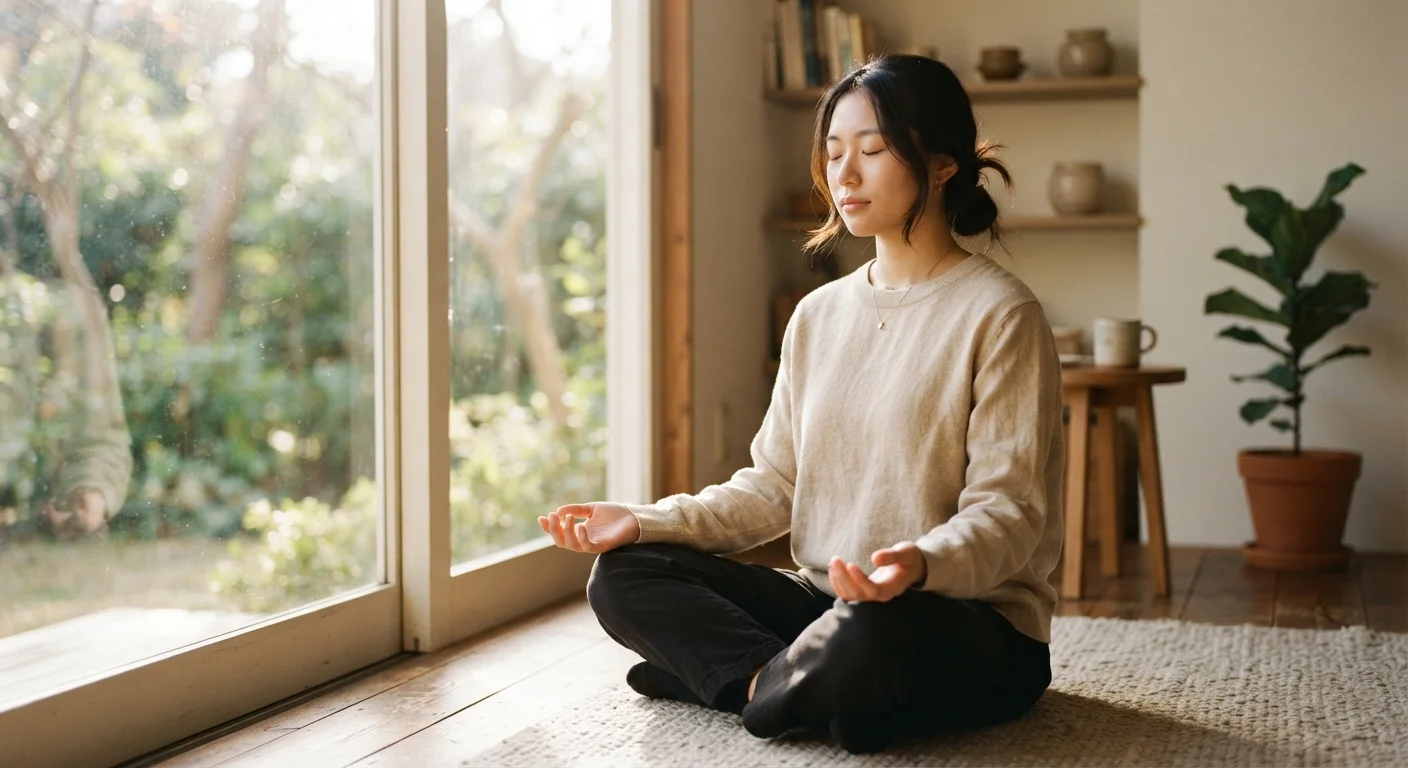
Sit or lie comfortably. Focus on the physical sensation of breathing - the air entering your nostrils, your chest or belly rising and falling. When your mind wanders (it will), notice that it has wandered, and return to the breath. Repeat for two to five minutes. This is the foundational exercise in most mindfulness traditions.
2. Body Scan
Starting at the top of your head or the soles of your feet, slowly move your attention through different parts of your body. Notice any sensations - tension, warmth, pressure, numbness - without trying to change them. This trains you to observe physical experience rather than react to it automatically.
3. Mindful Routine Task
Choose one ordinary task you do daily - making coffee, brushing your teeth, washing dishes - and do it with full, deliberate attention. Notice the temperature, the texture, the sounds. When your mind drifts to your to-do list, gently return to the task. This is sometimes called informal mindfulness and is especially useful for people who find sitting still difficult.
How to Build a Consistent Practice Without Burning Out
Consistency matters far more than duration. A two-minute breath anchor every morning is more valuable than a 30-minute session you do once a month. A few practical strategies:
- Attach it to an existing habit. Practice right after you pour your morning coffee or before you check your phone. Habit stacking reduces the mental effort of remembering to do it.
- Set a very small commitment. Two minutes. That's a non-negotiable starting floor. You can always go longer if you want, but two minutes is achievable on your worst days.
- Drop the streak mentality. Missing a day is not a failure. It's just a day. Resume the next day without commentary.
- Seasonal shifts matter. If motivation dips in winter or your schedule changes, adapt rather than quit. Our year-round low-cost wellness framework offers useful perspective on adjusting habits across different seasons.
If you're also working on financial habits alongside mental wellness, consider that mindfulness can help interrupt impulsive spending patterns. Our no-spend day guide is a complementary starting point on that front.
What to Expect in the Early Weeks
Most beginners experience the same things: a restless mind, impatience, and occasional doubt that they're doing it correctly. All of this is normal. There is no perfect mindfulness session. There is only practice.
In the first one to two weeks, your main job is simply to show up. You may notice you feel calmer after some sessions and no different after others. Results are not linear. Research generally suggests that regular practice over several weeks is needed before most people notice meaningful shifts in how they respond to stress - though individual experiences vary considerably.
If you find seated practice difficult, try walking. Even a short, deliberate walk - paying attention to each footfall, the sounds around you, the temperature of the air - qualifies as mindfulness practice. Physical movement and mindfulness are not mutually exclusive; for more on building physical habits alongside mental ones, see our beginner exercise guide.
This article is for general informational purposes only and does not constitute medical or mental health advice. If you are experiencing significant mental health challenges, please consult a qualified healthcare professional.