

Why Home Training Makes Sense
Professional obedience classes can cost anywhere from $100 to $300 for a multi-week course - and that's before factoring in private sessions. Teaching foundational commands at home costs almost nothing beyond a bag of treats and a few minutes a day. Beyond the savings, training is also one of the most effective ways to deepen your relationship with your dog. Every successful session builds mutual communication and trust.
This guide focuses on three commands that form the backbone of canine obedience: sit, stay, and recall (come). Master these, and you'll have a dog who is safer, calmer, and easier to manage in everyday situations. For a broader look at hands-on dog care, see our comprehensive at-home pet care guide.
What you will need
Understanding Positive Reinforcement
Positive reinforcement means adding something your dog values - typically a treat or praise - immediately after a desired behavior occurs. This signals to your dog that the behavior caused the reward, making them more likely to repeat it. The key word is immediately: rewards delivered more than two seconds after the behavior lose their teaching power because the dog can no longer connect the reward to the action.
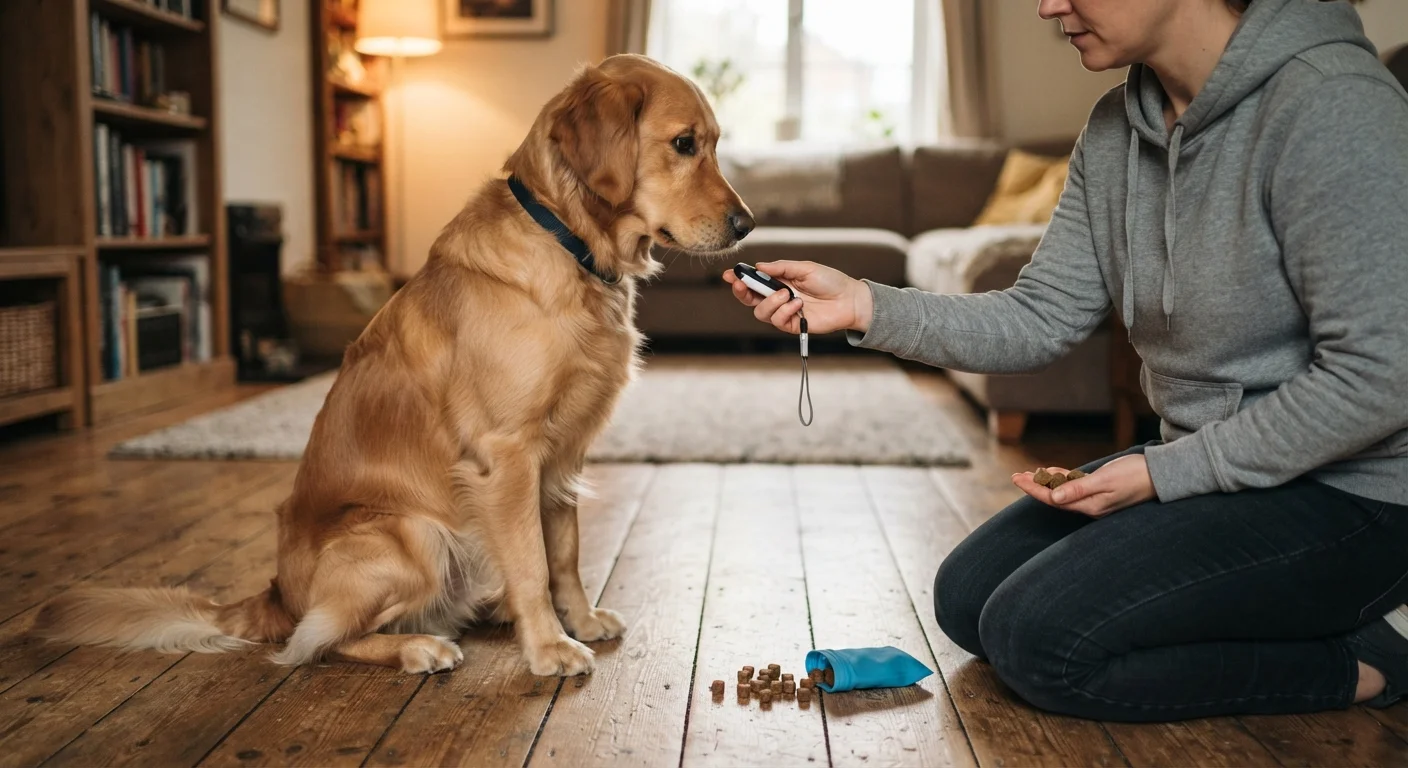
You don't need to use a clicker, but many owners find it helpful because it provides a precise, consistent marker sound. If you're curious about how clicker training compares to treat-only methods, this breakdown of clicker vs. treat-only training explains the differences clearly.
Consistency Matters More Than Duration
Two five-minute sessions daily will outperform a single 30-minute weekend session every time. Dogs learn through repetition spaced across days, not marathon practice. Build training into an existing routine - before morning walks or after dinner - so it becomes a natural habit.
Step-by-Step Training Instructions
Follow the steps below in order. Each command builds on the last, so establishing a reliable "sit" before moving to "stay" will make your progress smoother. Keep your tools simple - the cards below outline exactly what you'll need.
Small Soft Treats
Used as rewards to reinforce correct behavior immediately after it occurs.
Long Training Leash (15-20 ft)
Keeps your dog safely within range during recall practice outdoors.
Clicker
Marks the exact moment of correct behavior with a distinct sound, improving reward timing precision.
Set up your training environment
Choose a space with minimal distractions - indoors is ideal when starting out. Turn off the TV, ask household members to give you space, and keep sessions to 5-10 minutes maximum. Dogs have short attention spans, and ending on a success keeps motivation high. Have your treats pre-portioned in a small pouch or pocket before you begin.
Teach the "Sit" command using luring
Hold a treat close to your dog's nose and slowly move your hand upward and back over their head. As their nose follows the treat, their bottom will naturally lower to the floor. The instant their rear touches the ground, say "Sit" clearly and deliver the treat immediately. Repeat five to ten times per session before expecting the dog to respond to the verbal cue alone.
Introduce the "Stay" command in small increments
Once your dog can sit reliably, ask them to sit, then open your palm toward them (a stop-hand signal) and say "Stay." Take one step back, pause one second, then return and reward. Gradually increase distance and duration - but never push both at the same time. Add one variable (more distance or more time) per session, not both together.
Build a reliable recall ("Come")
Recall - coming when called - is the most important safety command your dog can learn. Start indoors: crouch down, say your dog's name followed by "Come" in an upbeat tone, and reward enthusiastically when they reach you. Once reliable indoors, practice in a fenced yard using a long leash for safety. Never call your dog to you for something unpleasant (like nail trims or bath time) - this teaches them to avoid coming.
Fade treats gradually and proof the behavior
Once a command is learned, begin rewarding intermittently rather than every single time - this actually strengthens behavior by introducing unpredictability (similar to how slot machines work on humans). Also practice in new environments - outdoors, at a park, with mild distractions - to proof (generalize) the behavior. A dog who only performs in your living room hasn't truly learned the command.
Avoid Punishment-Based Techniques
Aversive methods - including leash corrections, yelling, or physical punishment - are not recommended by most modern veterinary behaviorists. They can cause fear, anxiety, and aggression, and damage the trust that makes training possible. Stick with positive reinforcement: reward what you want, redirect or ignore what you don't.
When to Consult a Professional
DIY training works well for foundational commands, but some behaviors require expert guidance. If your dog displays aggression toward people or other animals, severe separation anxiety, or fear-based reactivity, consult a certified professional dog trainer (CPDT-KA) or a veterinary behaviorist. These behaviors can escalate without proper intervention and are outside the scope of basic home training.
Keeping Your Dog Engaged Between Sessions
Training isn't just a formal session - it's an ongoing conversation. Reinforce commands casually throughout the day: ask for a "sit" before placing the food bowl down, or a "stay" before opening the front door. These real-world repetitions accelerate learning and show your dog that commands apply everywhere, not just during practice.
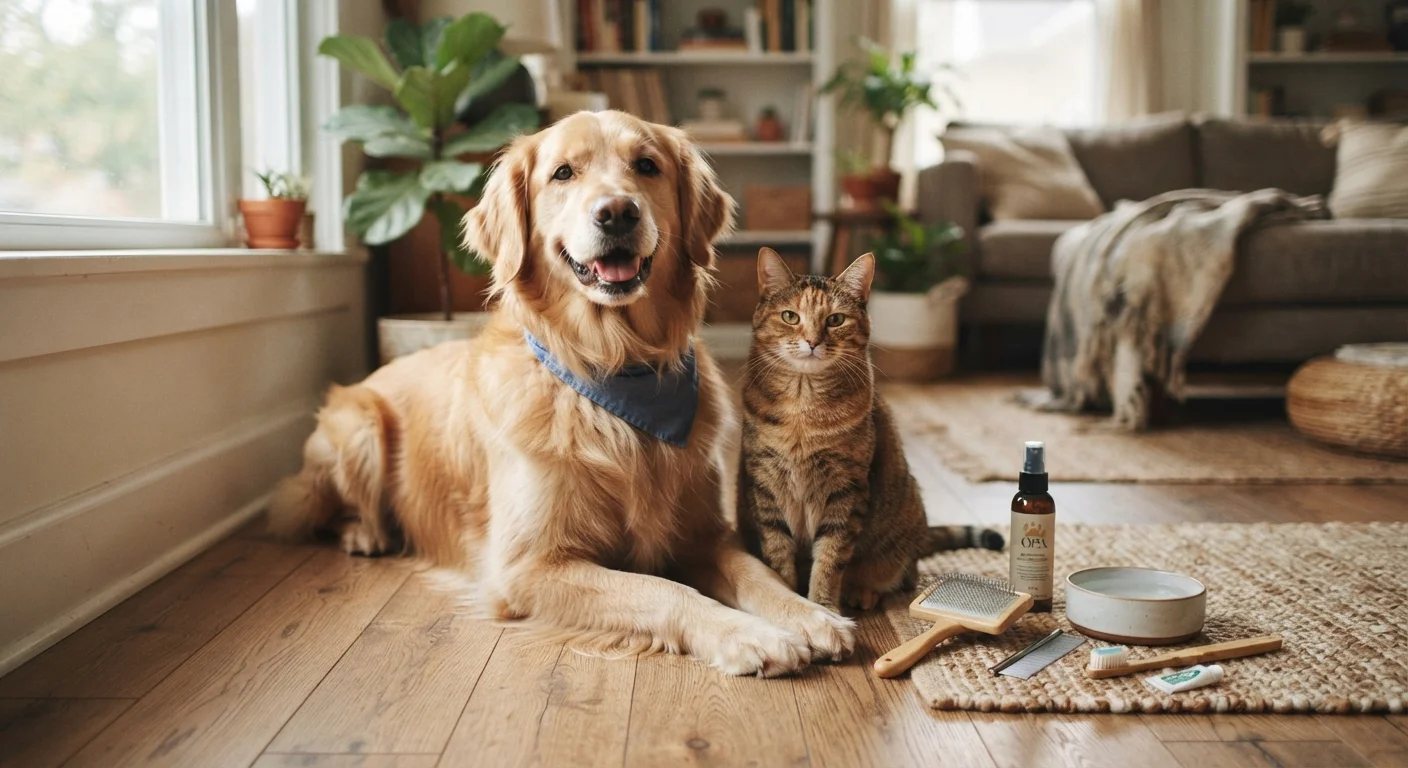
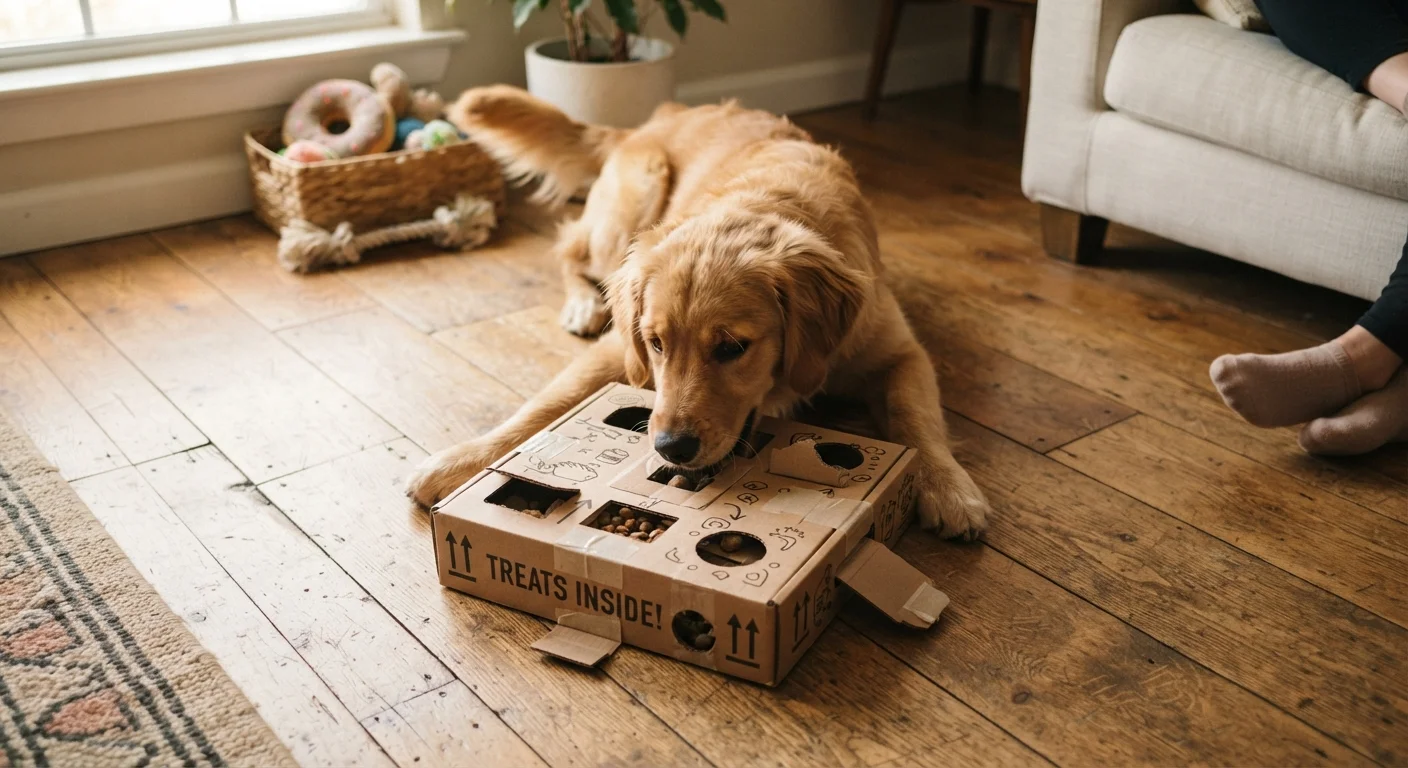
Pairing training with broader mental enrichment keeps your dog stimulated and reduces destructive behavior. Low-cost enrichment ideas can complement your training routine without adding expense. For more hands-on DIY pet care, at-home grooming techniques are another practical skill worth developing alongside obedience training.
This article provides general pet care information for educational purposes only. Every dog is an individual - if you have concerns about your dog's behavior or health, consult a qualified veterinary professional or certified trainer.