

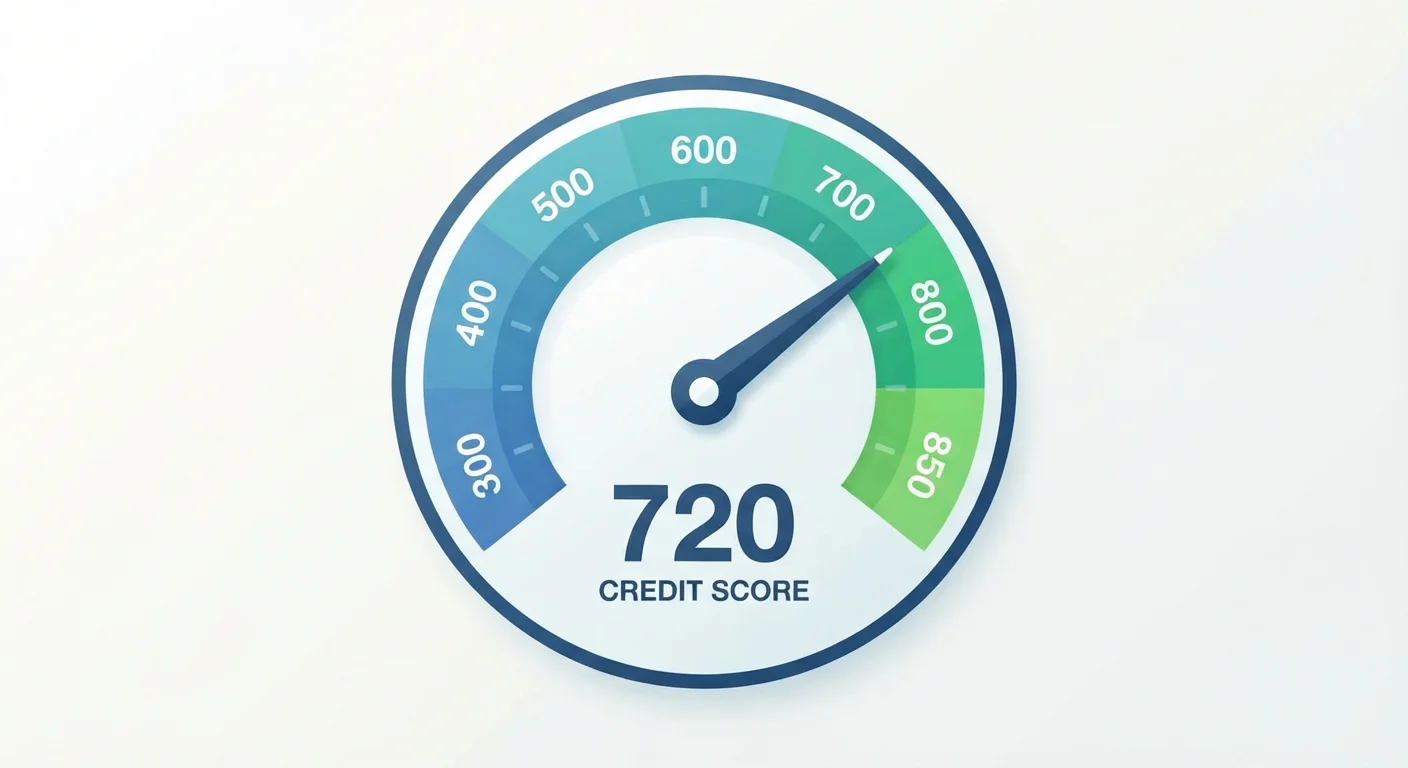
The Five Factors That Build Your Score
Your credit score isn't mysterious — it's a formula. The FICO model, used in the majority of U.S. lending decisions, breaks down into five weighted categories:
- Payment history (35%): Whether you've paid bills on time. Even one missed payment can cause a meaningful drop.
- Amounts owed / Credit utilization (30%): How much of your available revolving credit you're currently using. Using a high percentage of your limit signals financial strain to lenders.
- Length of credit history (15%): How long your accounts have been open. Older accounts generally help your score.
- Credit mix (10%): The variety of account types you manage — credit cards, installment loans, mortgages, etc.
- New credit (10%): How recently you've applied for new accounts. Each application triggers a hard inquiry that can temporarily lower your score.
Together, these five factors paint a picture of how you've handled credit in the past — and predict how likely you are to repay future debt.
35%
Weight of payment history in FICO Score
According to FICO, payment history is the single largest factor in its widely used scoring model.
~200M
Americans with scoreable credit files
The Consumer Financial Protection Bureau estimates roughly 200 million U.S. consumers have credit files with the major bureaus.
7 years
How long most negative items stay on your report
Under the Fair Credit Reporting Act, most derogatory marks — including late payments and collections — can remain for up to seven years.
Why Utilization Trips People Up
Credit utilization — the ratio of your current balances to your total credit limits — is the most commonly misunderstood factor. Many people assume that as long as they pay their bill on time, their score is fine. But if you're consistently carrying a balance close to your limit, your utilization ratio stays high, which can suppress your score even if you never miss a payment.
As a general guideline, keeping utilization below 30% is often cited as a reasonable target, though lower is generally better for your score. For example, if you have a $5,000 credit limit and regularly carry a $2,000 balance, your utilization is 40% — potentially hurting your score despite responsible payment behavior.
Common credit card balance myths can lead people to unknowingly damage their scores. Understanding how your statement balance is reported to bureaus is a practical first step.
Time Your Payments to Lower Utilization
Your credit card issuer typically reports your balance to the bureaus on or near your statement closing date — not your due date. If you pay down your balance before the statement closes, the lower balance is what gets reported, which can meaningfully reduce your utilization ratio and help your score.
What Your Score Doesn't Measure
Just as important as knowing what's in your score is knowing what's left out. Your credit score does not factor in:
- Your income, savings, or assets
- Your employment status or job history
- Your age, race, gender, religion, or marital status
- Whether you've been denied credit before
- Utility bills, rent payments, or medical bills (in most scoring models)
This means two people with identical incomes can have vastly different scores based purely on borrowing behavior — and two people with similar scores can have very different financial situations. The score measures one specific thing: your track record with credit.
Because your score is derived directly from your credit report, errors in that report can unfairly drag down your number. Knowing how to review your report is just as valuable as understanding the score itself. See our credit report audit guide to learn what to look for and how to dispute inaccuracies.
How Lenders Actually Use the Number
Lenders don't just use your score to approve or deny you — they use it to price your loan. This is why a higher score can save you thousands over the life of a mortgage or auto loan. A borrower with a score of 760 and one with a score of 620 might both qualify for the same loan, but the interest rates they're offered can differ substantially.
Beyond loans, your credit score may be reviewed when you apply for an apartment, set up utilities, or in some cases, during certain employer background checks. Understanding what drives the number — and what doesn't — puts you in a stronger position to improve it intentionally rather than by accident.
For practical strategies to strengthen your score over time, see credit-building habits worth practicing long-term. And if you're curious about the less obvious behaviors that can quietly pull your score down, overlooked factors that damage credit is worth a read.
“Credit scores are a snapshot, not a sentence. They reflect your behavior up to this point — but they respond relatively quickly to changes in that behavior.”
— Consumer Financial Protection Bureau, U.S. federal agency responsible for consumer financial protection
This article is for general informational purposes only and does not constitute personalized financial advice. Consult a qualified financial professional for guidance specific to your situation.