

Why Auditing Your Credit Report Matters
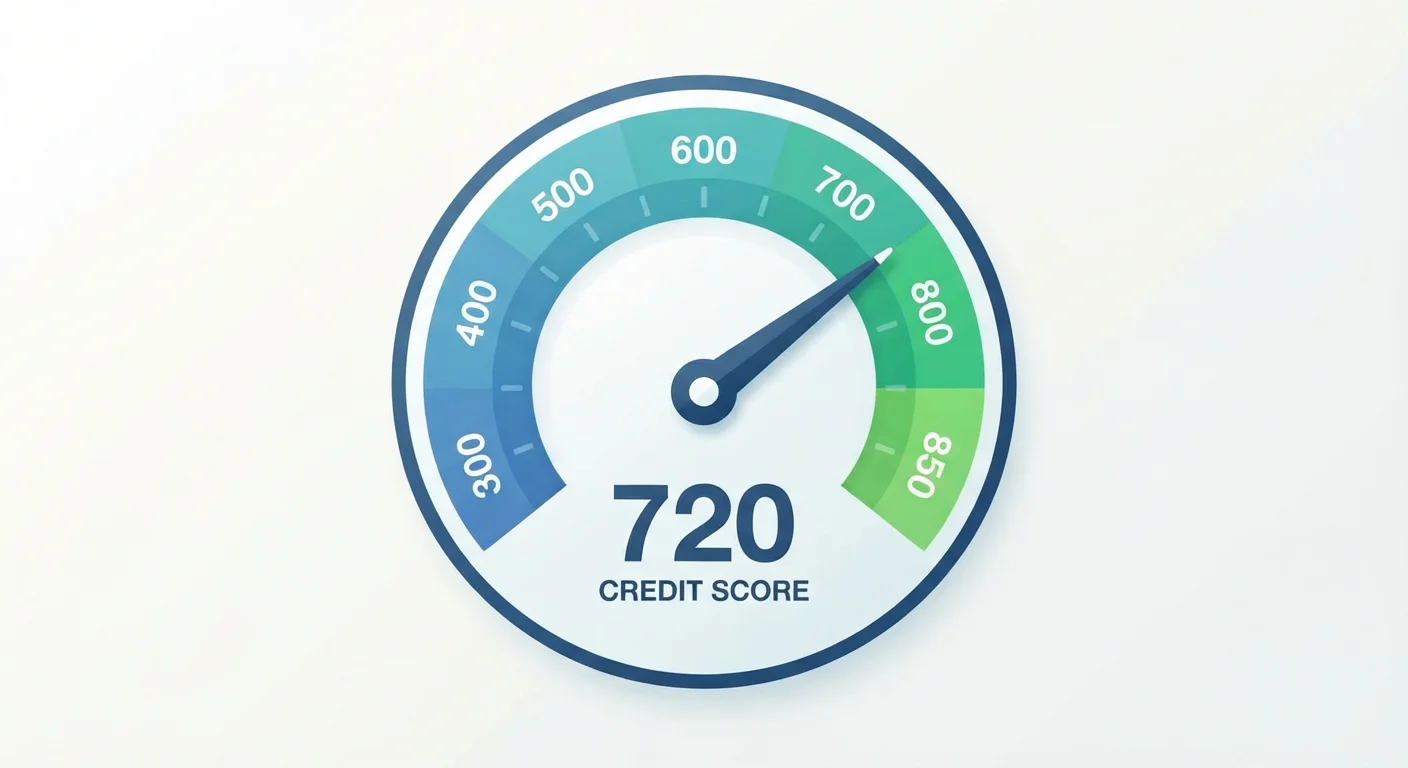
Your credit report is the raw data behind your credit score — and if that data is wrong, your score suffers for it. Studies by the Federal Trade Commission have found that a meaningful percentage of consumers have at least one error on a credit report that could affect their score. The good news: identifying and challenging those errors is free, entirely within your rights, and not nearly as complicated as it sounds.
Before diving into the checklist, understand what you're working with. The three major credit bureaus — Equifax, Experian, and TransUnion — each maintain their own file on you, and the information doesn't always match across all three. That's why you need to pull and review all three reports, not just one. You can access them for free at AnnualCreditReport.com, which is the official, federally authorized source.
If you want a deeper understanding of how the information in your report translates into a number, see our breakdown of how credit scores are calculated before you start.
Avoid Third-Party 'Free Credit Report' Sites
Many websites advertise free credit reports but require credit card enrollment or sell subscription services. AnnualCreditReport.com is the only site mandated by federal law to provide genuinely free reports from all three bureaus. If a site asks for payment information before showing your report, leave it.
What You'll Need Before You Start
Getting organized upfront saves time and keeps the process stress-free. Gather the following before you sit down with your reports.
AnnualCreditReport.com
The federally authorized site for accessing free credit reports from all three major bureaus.
Printer or PDF reader with annotation
Lets you mark up your reports and highlight items to investigate or dispute.
Spreadsheet or notebook
Track flagged items, dispute dates, confirmation numbers, and outcomes in one place.
Your own financial records
Bank statements, loan documents, and payment confirmations you'll use to verify or challenge what the report shows.
CFPB dispute resources
The Consumer Financial Protection Bureau provides free sample dispute letters and guidance on your rights.
The Audit Checklist
Work through each group systematically, ideally on a printed or downloaded copy of your report so you can mark items as you go. Use a separate sheet to log anything that looks off — you'll reference that list when filing disputes.
Personal Information
Account Information
Payment History
Negative Items and Collections
Hard Inquiries
Cross-Bureau Consistency
Disputing an Error Won't Hurt Your Score
Some people hesitate to file disputes out of fear it will backfire. It won't. Filing a dispute through the bureau's official process does not create a hard inquiry and does not negatively affect your credit score. The FCRA gives you this right specifically to ensure your file stays accurate — use it.
Once you've identified errors, prioritize disputes that affect the most impactful scoring factors. Payment history and accounts in collections typically do the most damage. For context on lesser-known factors that quietly hurt your score, check our companion guide.
After the Audit: Next Steps
Filing a dispute is straightforward. Each bureau offers an online dispute portal, or you can submit by certified mail if you prefer a paper trail — which many consumer advocates recommend for complex disputes. Include copies (not originals) of any supporting documents. Bureaus are required by the FCRA to investigate within 30 days in most cases and notify you of their findings.
Keep records of every dispute you submit — confirmation numbers, dates, and correspondence. If a legitimate error isn't corrected after a dispute, you can escalate to the Consumer Financial Protection Bureau (CFPB) or consult a consumer law attorney.
If your report shows genuine negative marks — not errors, but real late payments or collections — disputing won't remove accurate information. Instead, focus on rebuilding from where you are. Our guide on rebuilding credit after a financial setback walks through realistic recovery steps. For the long game, credit-building habits worth practicing long-term outlines consistent behaviors that compound over time.
This article is for general informational and educational purposes only and does not constitute personalized financial or legal advice. For guidance specific to your situation, consult a qualified financial professional or licensed attorney.