
Why Grocery Bills Creep Up Without Warning
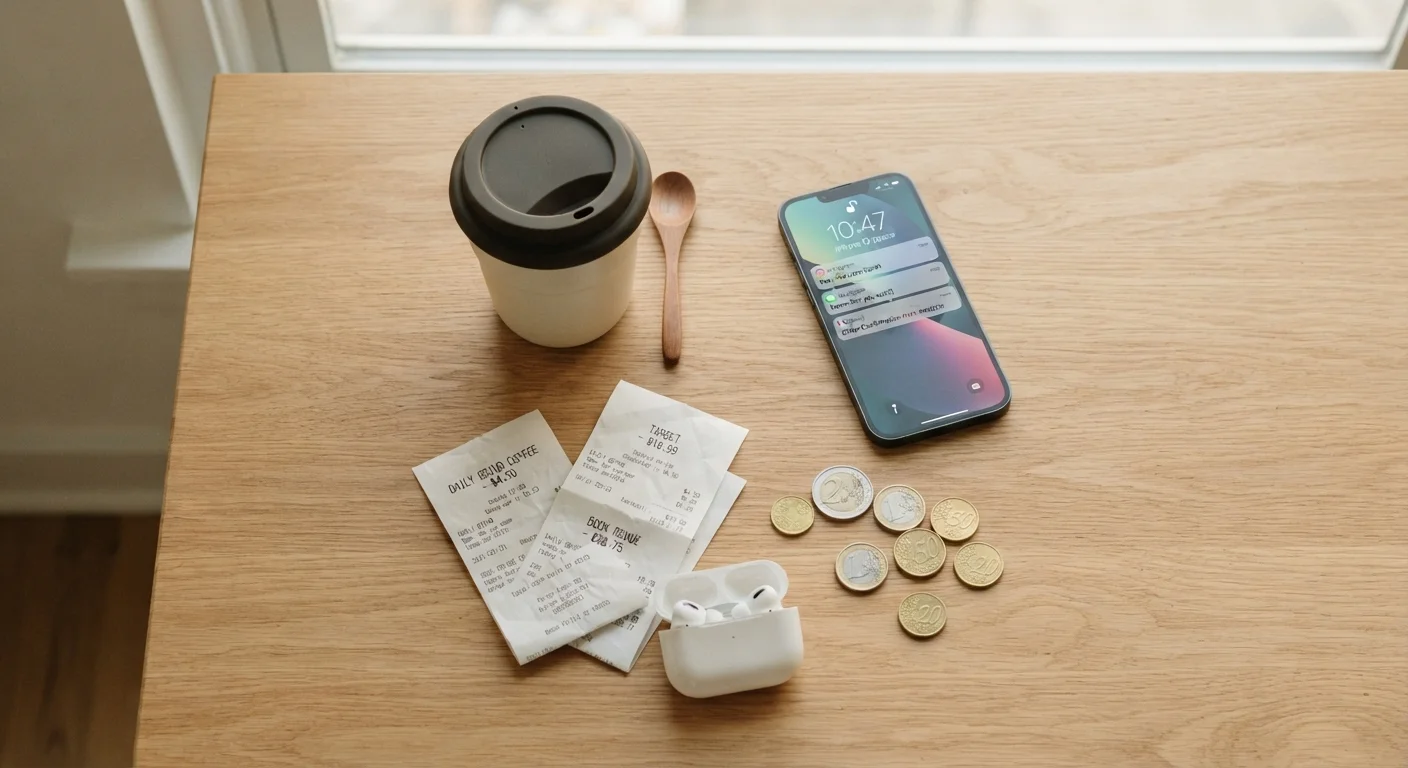
Most people don't experience a single shocking grocery bill — they experience a slow drift. Spend $180 one week, $195 the next, and within a few months the baseline has quietly shifted by $50 or more. This pattern, sometimes called grocery bill creep, is rarely caused by one thing. It's the compounding effect of small, repeated habits: an extra convenience item here, a brand upgrade there, a forgotten frozen item bought again.
Understanding the mechanics matters because the fix isn't willpower — it's process. Once you identify which specific habits are inflating your spend, the corrections are usually straightforward. The mistakes below are the ones that show up most consistently, and they're worth examining honestly before you assume rising prices are the whole story.
For a broader look at how small recurring costs quietly compound, see our guide to spending leaks. The dynamics are similar, and the two problems often overlap.
The Most Common Grocery Mistakes — and How to Fix Them
The following errors are widespread, easy to make, and — critically — easy to correct once you recognize them.
Shopping without a list — or ignoring the list once inside the store.
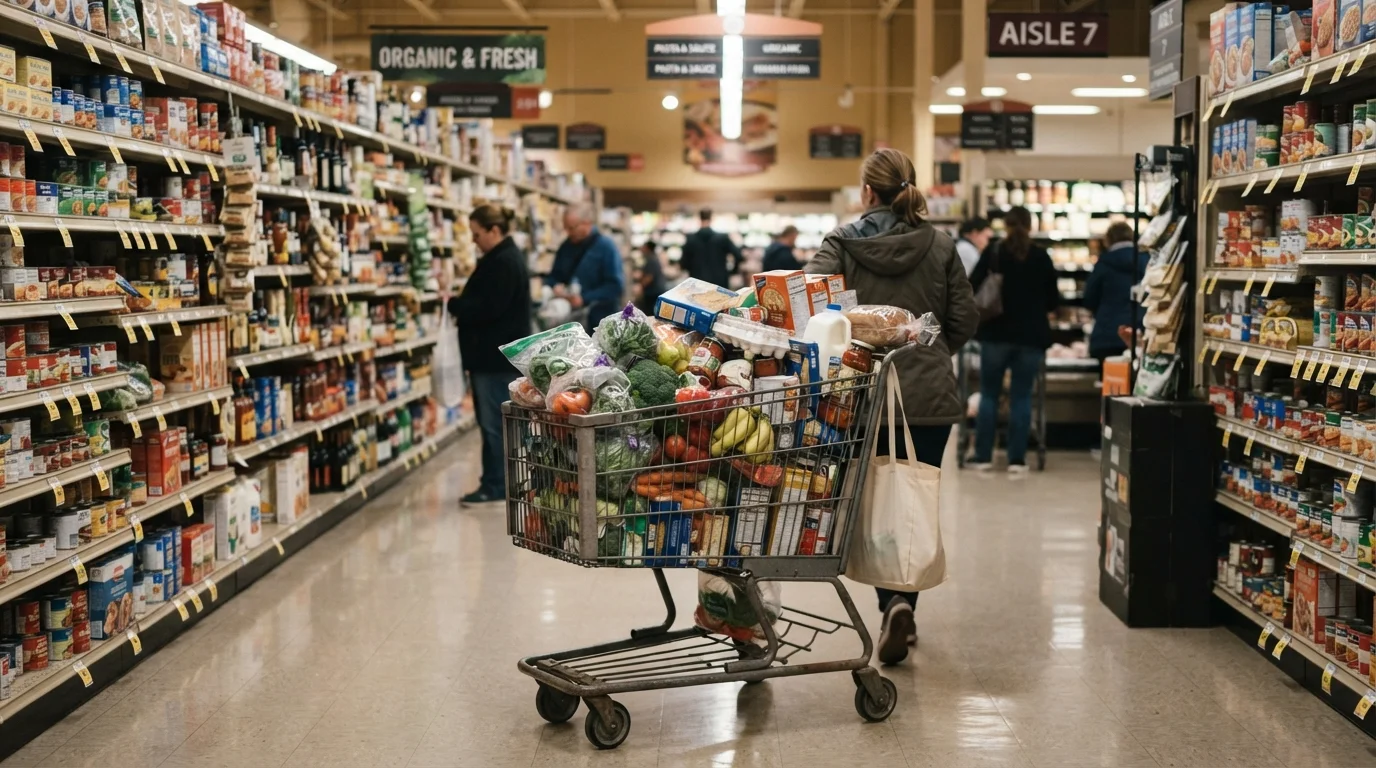
Why it happens: Grocery stores are designed to encourage unplanned purchases through product placement, end-cap displays, and sensory cues. Without a written list, shoppers make far more in-the-moment decisions.
Comparing package prices instead of unit prices.
Why it happens: Most shoppers look at the sticker price rather than the price per ounce, per liter, or per serving. Retailers often size products strategically, making larger packages appear cheaper when they aren't.
Buying pre-cut, pre-washed, or heavily packaged versions of everyday ingredients.
Why it happens: Convenience products save time, and time genuinely feels scarce for working adults. The cost premium isn't always obvious at the shelf level.
Letting loyalty programs and sale tags override actual need.
Why it happens: Discount framing creates a psychological win, making it feel irrational not to buy something on sale — even if you didn't need it.
Underusing the freezer as a cost-control tool.
Why it happens: Many shoppers think of the freezer mainly for frozen meals rather than as a way to extend the life of fresh groceries, bread, meat, or bulk-buy staples.
Not tracking grocery spending monthly.
Why it happens: Food feels like a necessity, so many people don't scrutinize it with the same attention they give to rent or utility bills. The variable nature of grocery spend also makes it easy to rationalize week-to-week.
Bulk Buying Isn't Always a Saving
Purchasing in large quantities only reduces costs if you actually use everything before it spoils or expires. Perishables bought in bulk that go to waste cost more than smaller, more frequent purchases. Before buying in bulk, check your realistic consumption rate and storage capacity.
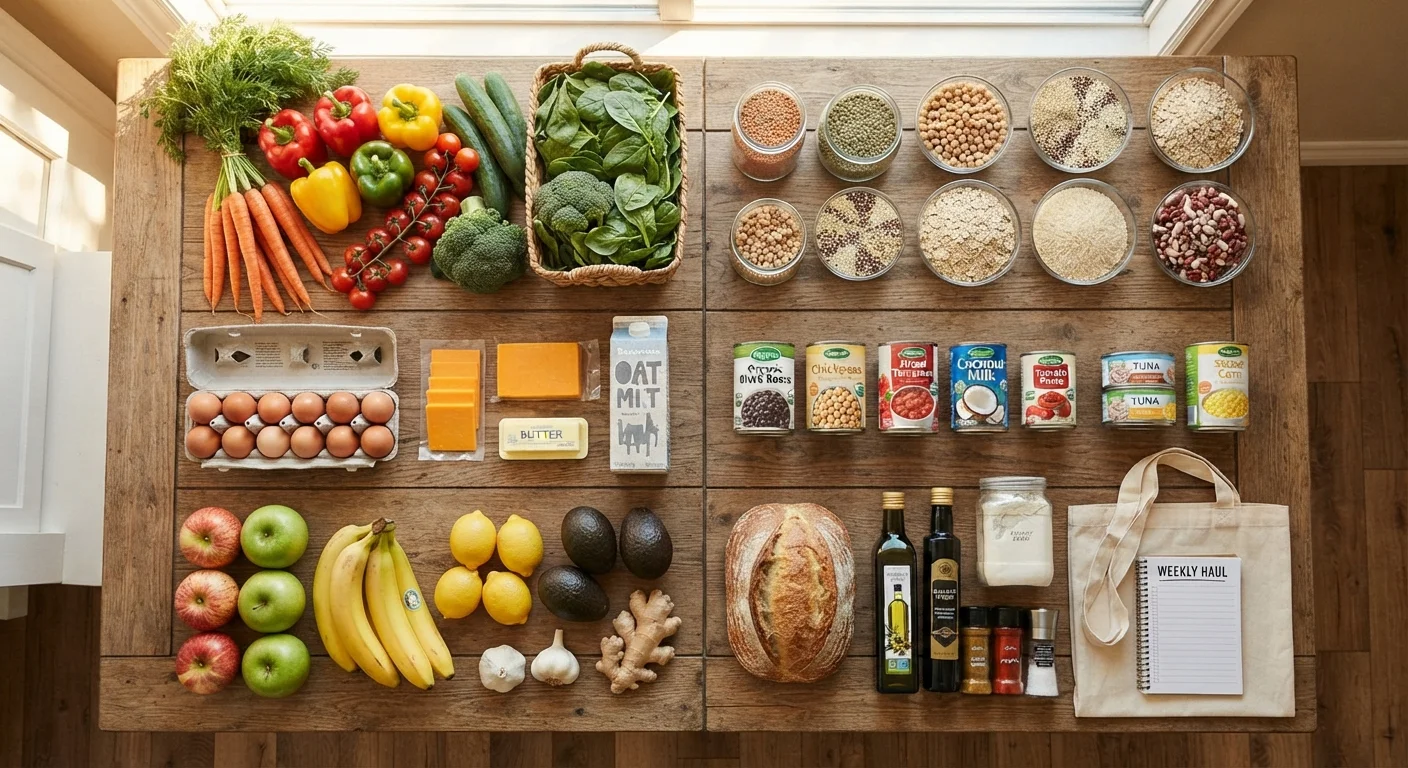
After working through the mistakes above, the next step is building a repeatable weekly structure. A practical weekly grocery budget framework can help you translate awareness into consistent habits.
Two High-Impact Adjustments Worth Prioritising
~$475
Average monthly grocery spend per US household member
According to USDA food plan data, moderate-cost food plans for an individual adult can run roughly this amount monthly, with totals varying by household size and food choices.
30–40%
Share of food purchased that goes uneaten in US homes
The USDA estimates that American households waste between 30 and 40 percent of the food supply, a significant portion of which occurs at the consumer level.
Beyond the individual mistakes, two adjustments tend to produce the fastest and most durable savings for most households.
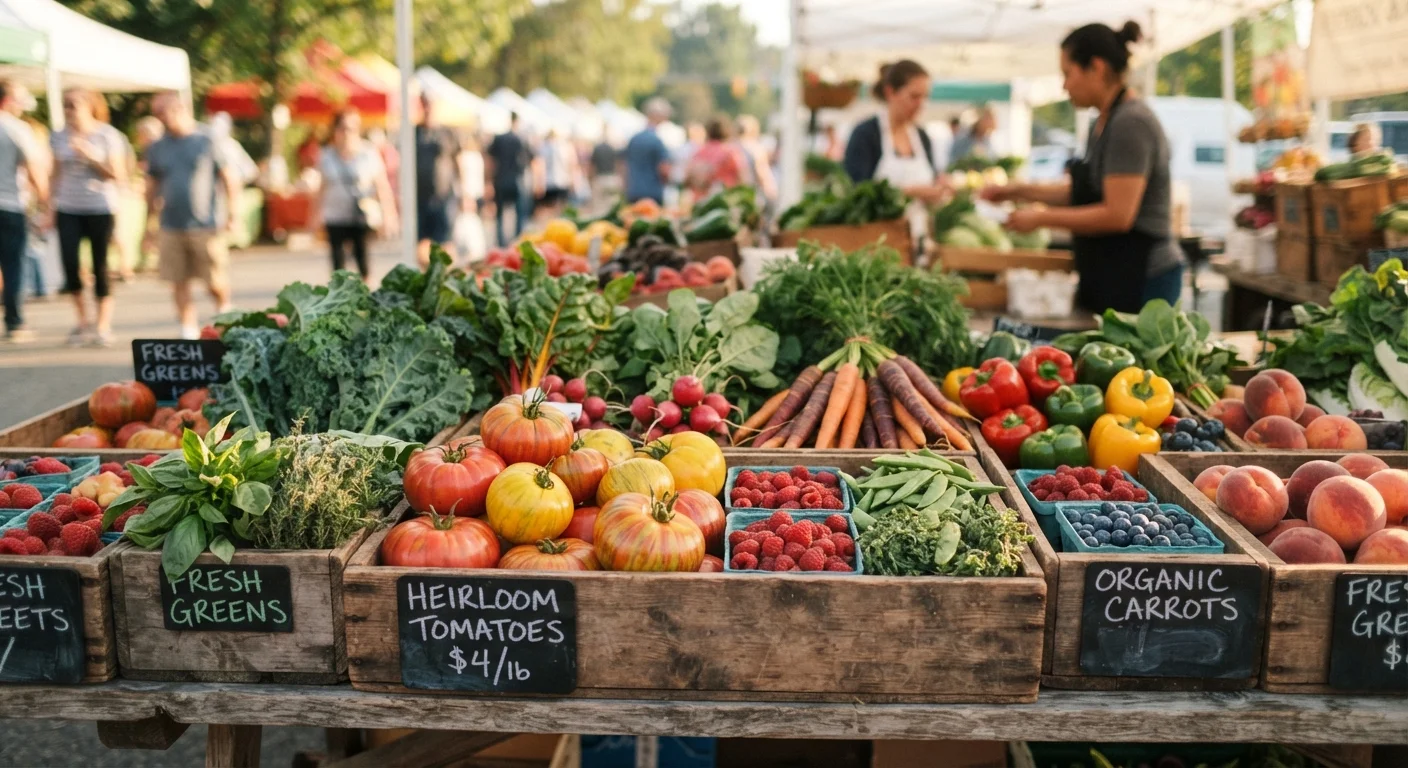
Switch to seasonal produce. Fruit and vegetables that are in season cost noticeably less because supply is high and transport costs are lower. Rotating your meals around what's in season doesn't require a dramatic lifestyle change — it means checking what's cheap and building from there. How seasonal produce affects your grocery bill explains the pricing mechanics in detail.
Audit what you throw away. Food waste is one of the least-discussed grocery budget killers. If you're regularly discarding produce, leftovers, or items that expired before you opened them, that waste is effectively a hidden tax on every shopping trip. Where grocery money most often goes to waste breaks down the most common culprits and how to address them without overhauling your kitchen routine.
Grocery bill creep is also a close relative of lifestyle inflation — the tendency for spending to expand alongside income. Recognizing the pattern in one area of your budget often reveals it in others.
This article provides general financial information for educational purposes only. It is not personalised financial advice. For guidance specific to your situation, consult a qualified financial professional.