
How Zero-Based Budgeting Actually Works
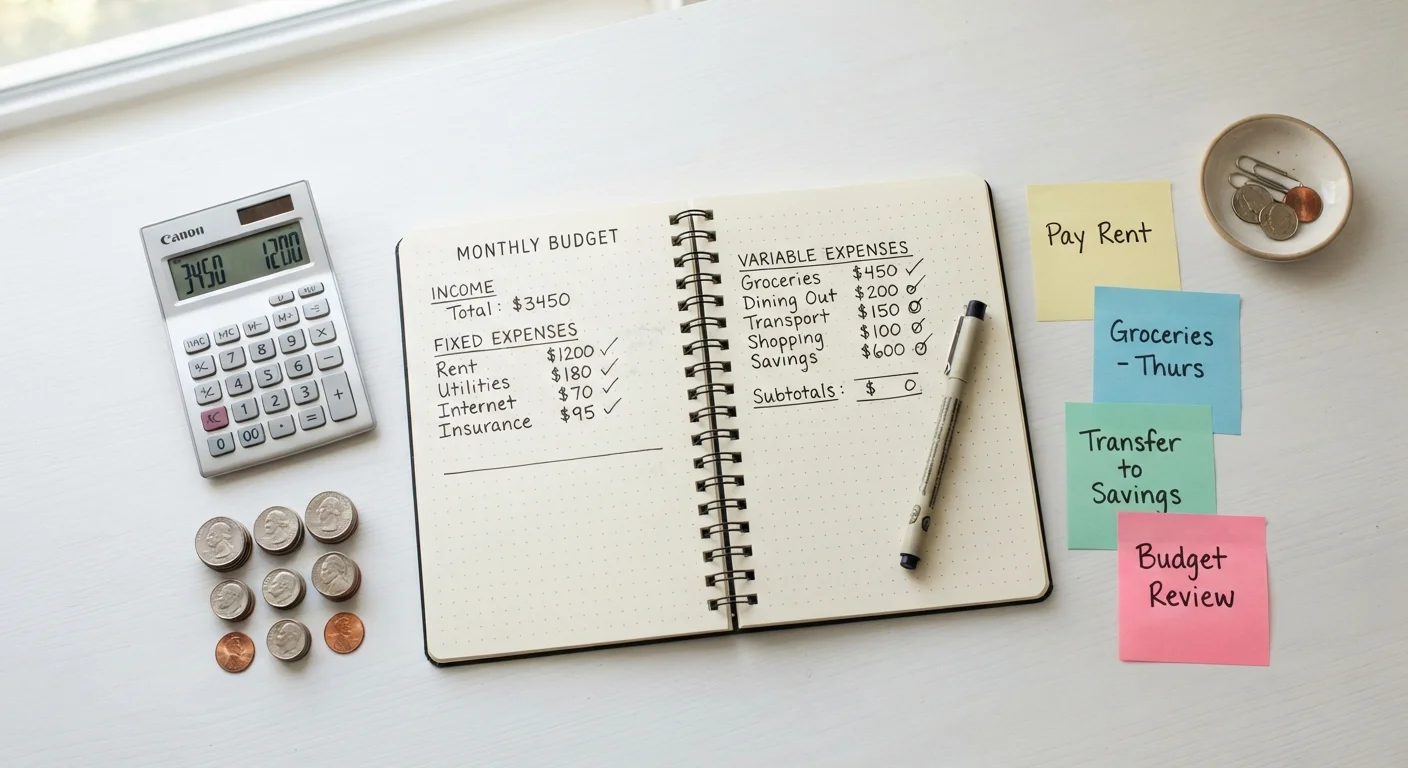
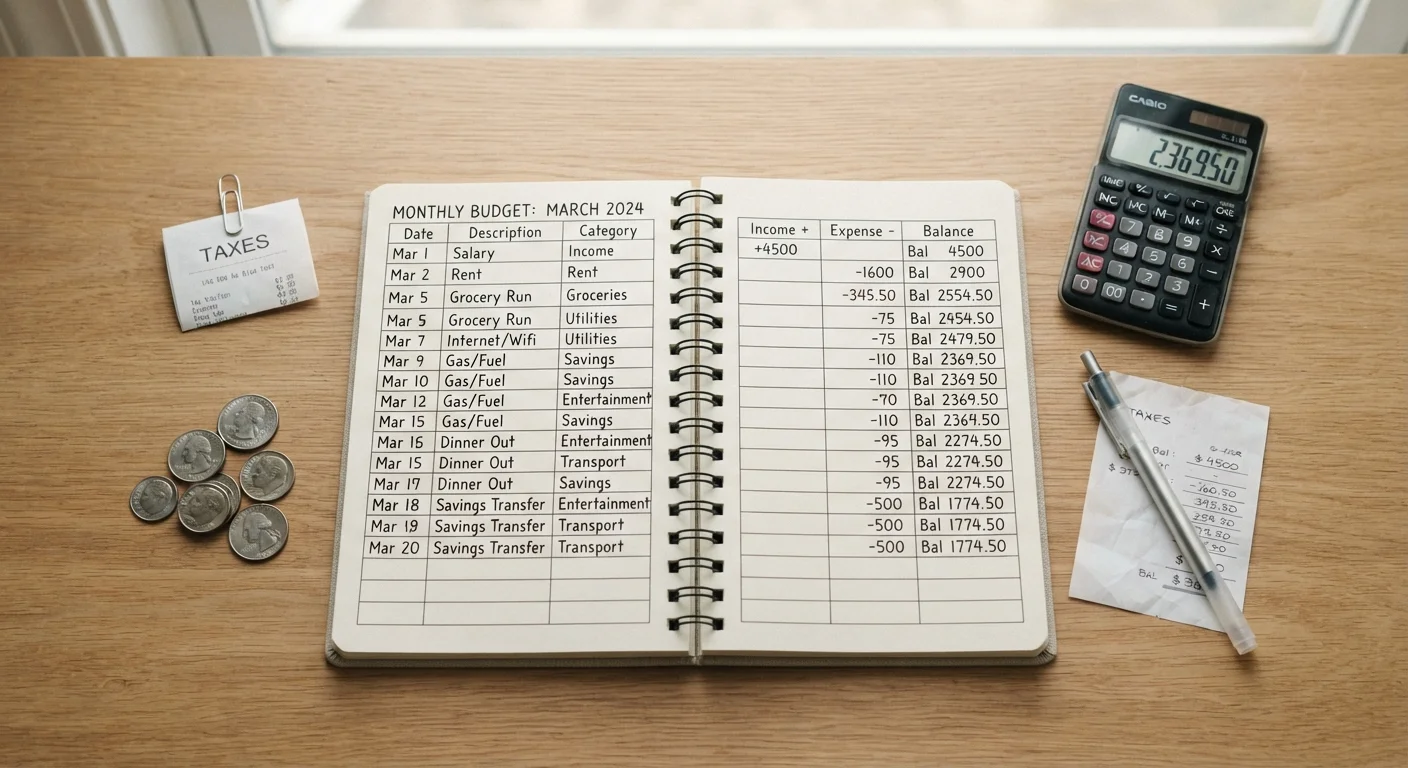
Zero-based budgeting starts with a single question: what is your expected income this month? From that number, you subtract allocations — rent, groceries, utilities, minimum debt payments, savings contributions, subscriptions, and everything else — until you've assigned every dollar and the remaining balance hits zero.
This is a deliberate, category-by-category exercise done before the month starts, not a review of what you spent after the fact. If you earn $3,400 in a given month, every dollar of that $3,400 gets a job: $1,200 to rent, $350 to groceries, $200 to student loan payments, $300 to an emergency fund contribution, and so on until the math resolves to zero.
If income fluctuates — freelance work, hourly shifts, tips — the standard approach is to budget from your lowest realistic monthly income and allocate any surplus as it comes in, assigning it deliberately rather than letting it drift.
For a plain-language breakdown of the terms that come up in budgeting frameworks like this one, see key budgeting terms every millennial should understand.
Who Tends to Benefit Most From This Method
ZBB isn't the right tool for every situation. It rewards people who are comfortable with a monthly planning ritual and who have a specific reason to track spending closely.
~30%
Americans who use a formal household budget
A Gallup survey found fewer than one in three U.S. adults maintain a detailed household budget, suggesting most people rely on informal tracking at best.
$500+
Median monthly spending gap people underestimate
Research from financial planning studies consistently finds consumers underestimate monthly discretionary spending by several hundred dollars when relying on memory rather than written records.
It tends to work well for:
- People working toward a defined goal — paying off credit card debt, building a house down payment, or hitting a savings milestone. ZBB makes it harder to accidentally under-fund a priority.
- Those with variable monthly costs — irregular utility bills, seasonal expenses, or inconsistent discretionary spending benefit from category-by-category scrutiny each month.
- Anyone who has noticed money disappearing without explanation. ZBB forces every dollar to be accounted for in advance, which surfaces spending leaks that passive tracking often misses.
It's a harder fit for:
- People who find detailed monthly setup frustrating or unsustainable — consistency matters more than perfection, and a simpler method you actually use beats a rigorous one you abandon.
- Those with highly stable, predictable expenses who don't need monthly recalibration.
If you're curious how ZBB stacks up against pay-yourself-first and other frameworks, our budgeting methods comparison lays out the tradeoffs clearly.
Common Pitfalls and How to Sidestep Them
The most common ZBB mistake is forgetting irregular but predictable expenses — annual subscriptions, car registration, seasonal insurance premiums, holiday spending. These feel unpredictable only because they're infrequent. The fix: divide the annual cost by 12 and include that amount as a monthly sinking-fund allocation.
Build a Buffer Into Your ZBB Plan
Reserve a small "buffer" or "miscellaneous" category — even $50–$100 — as a named line item in your zero-based budget. This isn't a loophole; it's an honest acknowledgment that real spending rarely matches a plan exactly. When the buffer runs out, you make a conscious trade-off rather than quietly overspending another category.
A second pitfall is building a budget so tight there's no room for realistic variance. Groceries, gas, and entertainment costs fluctuate. If your allocations assume best-case spending every month, mid-month adjustments become stressful rather than routine. Build in a small buffer category — sometimes called a "miscellaneous" or "buffer" line — and treat it as a planned allocation, not a catch-all.
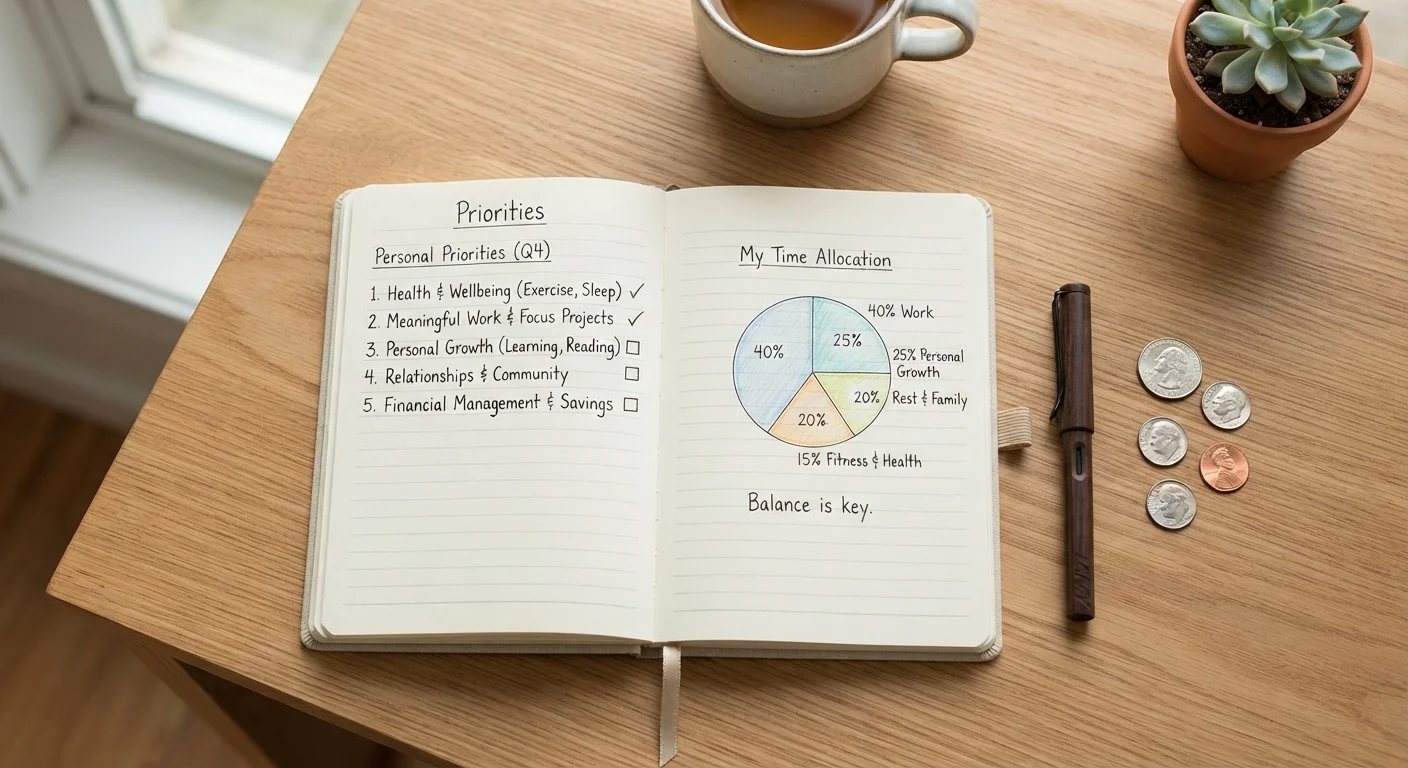
Finally, some people conflate ZBB with restriction. The method doesn't tell you how to spend — it just requires intentionality. If dining out is a genuine priority, it gets a real allocation. ZBB surfaces the tradeoffs; you make the calls. For a values-driven take on those tradeoffs, budgeting by values offers a complementary lens.
It's also worth questioning some of the assumptions people bring to budgeting before committing to any single method — common budgeting myths covers beliefs that can make any framework feel harder than it needs to be.
This article is for general informational and educational purposes only and does not constitute personalized financial advice. Consult a qualified financial professional for guidance specific to your situation.