
The Core Price Difference
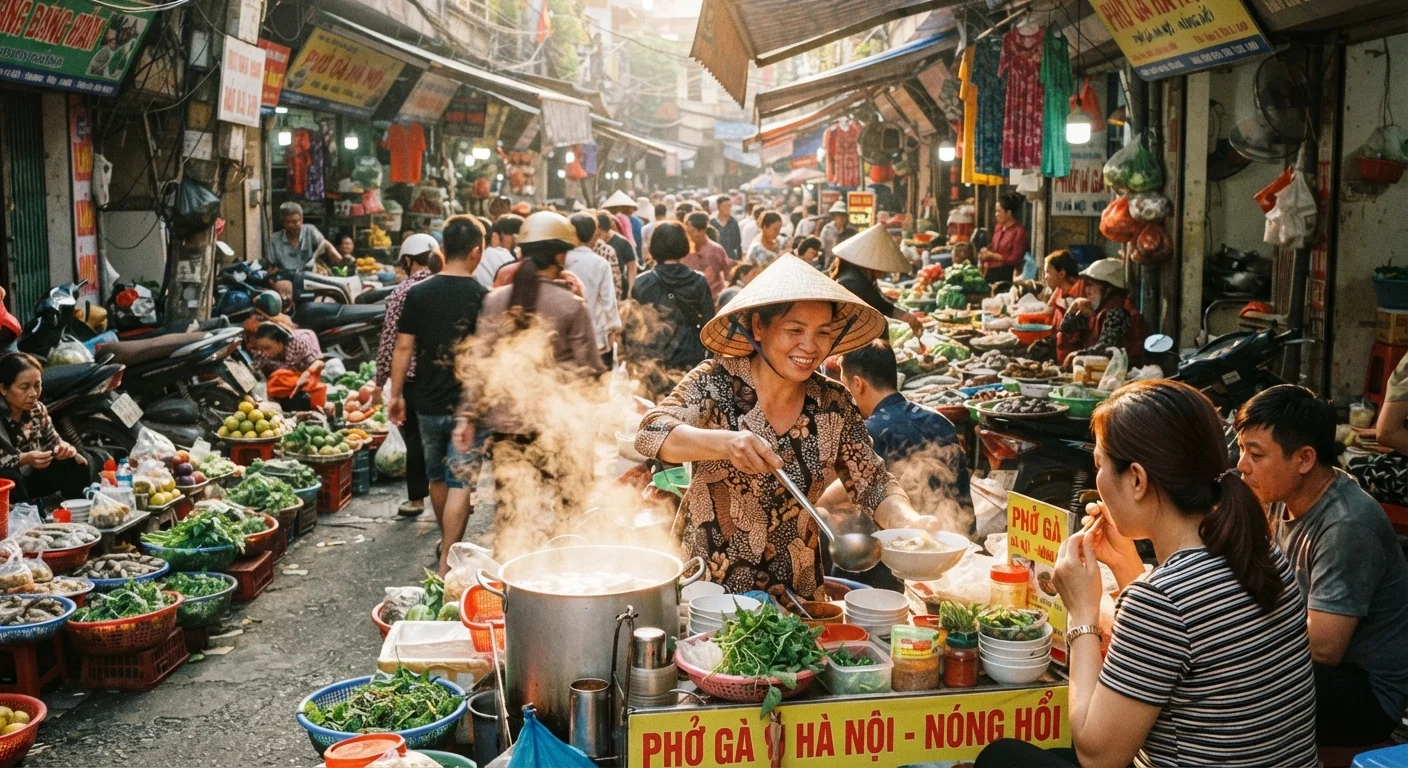
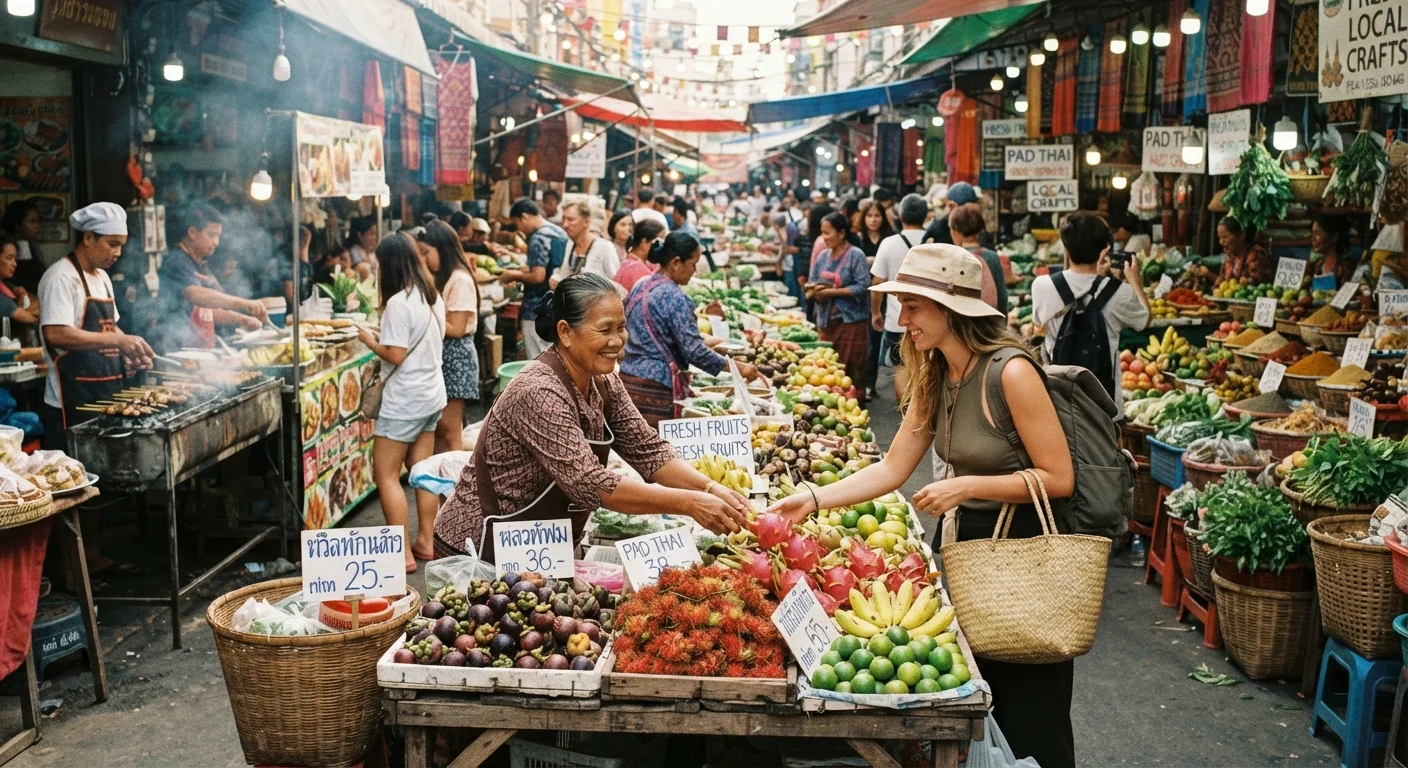
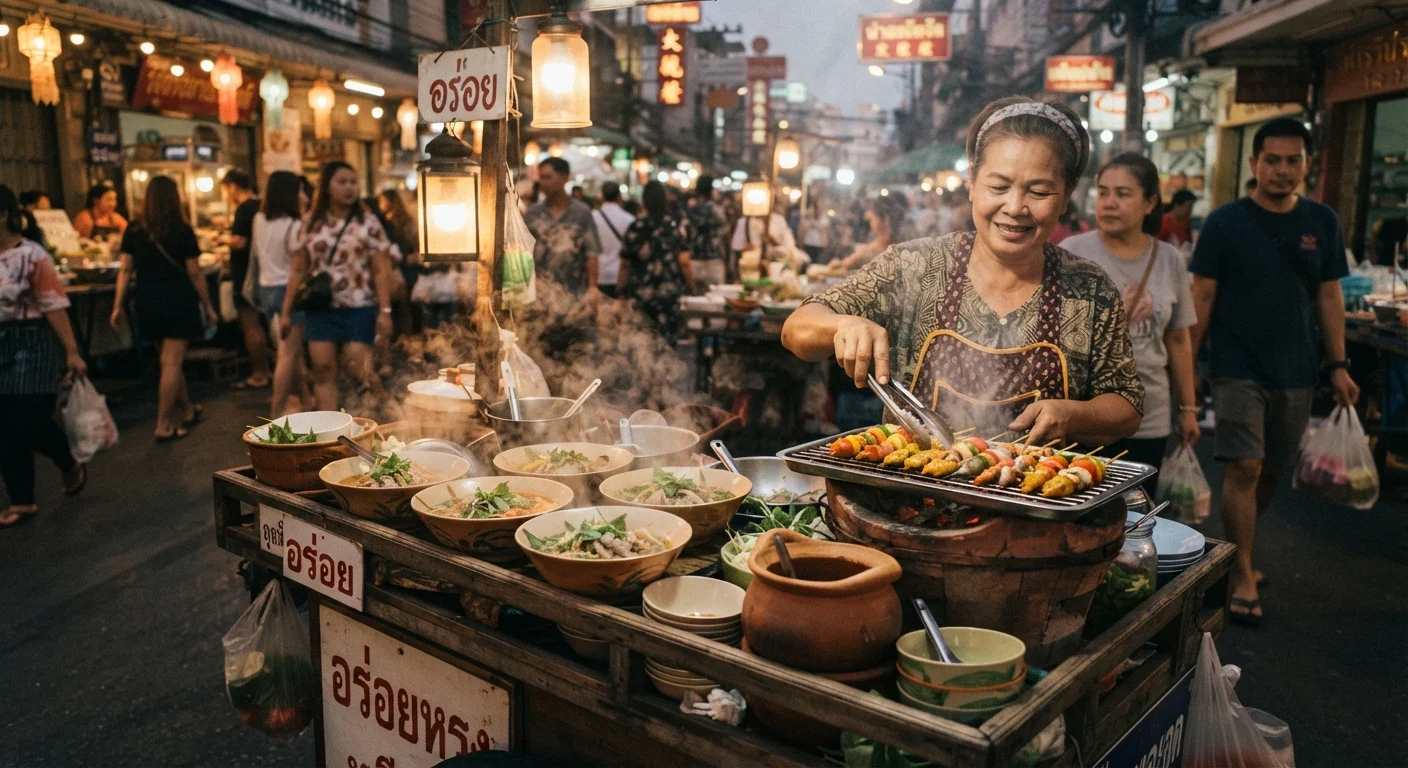
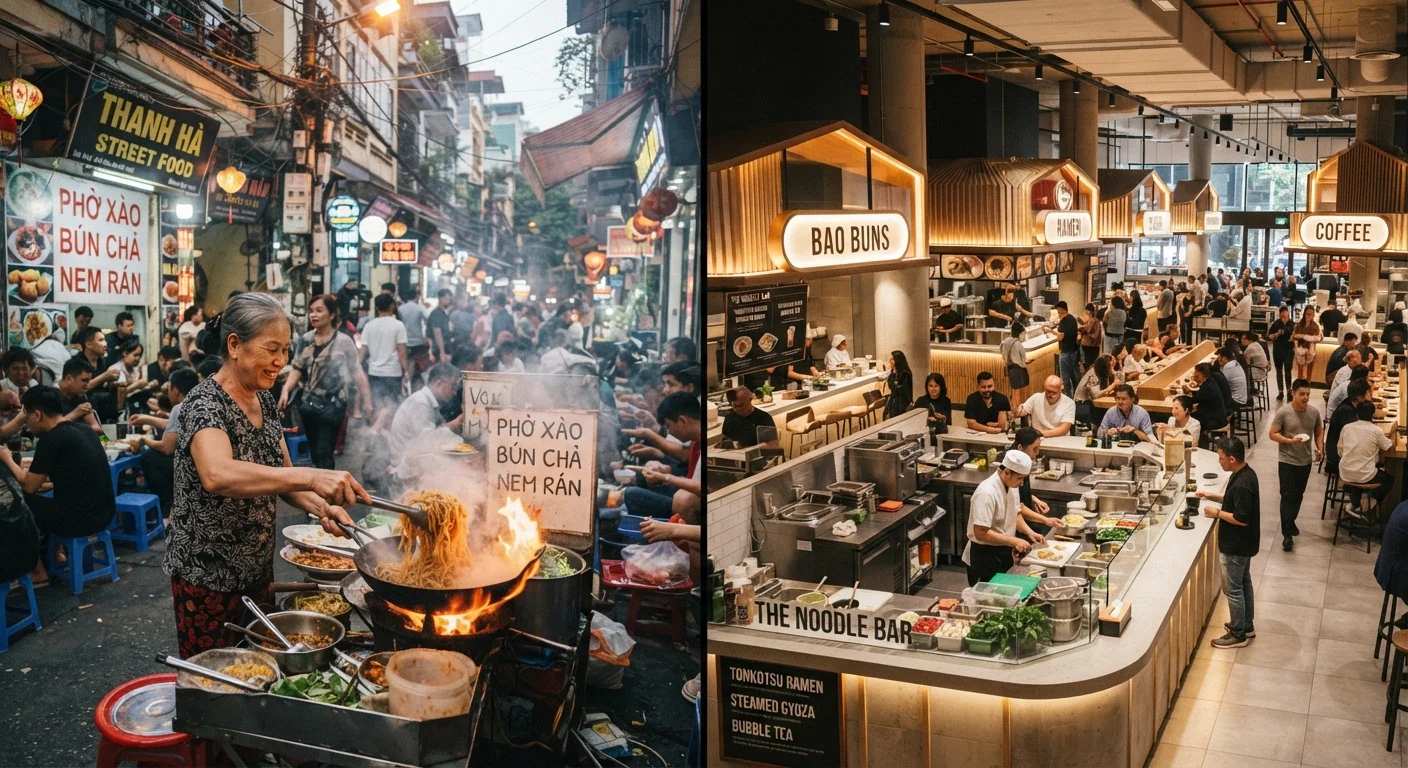
When it comes to raw cost, street stalls generally win — but the gap isn't always as dramatic as travelers expect. In cities like Bangkok, Ho Chi Minh City, or Mexico City, a street stall meal — a bowl of noodles, a taco, or a skewer of grilled meat — typically runs $1 to $4 USD. A comparable dish in a curated food hall in the same city often starts at $3 and can reach $8 or more, especially in halls that have been renovated and repositioned toward food-curious tourists.
That price difference compounds over a trip. A traveler eating two street stall meals per day in Bangkok might spend $6–$8 on food. The same itinerary through upscale food halls could easily cost $15–$20. Over a two-week trip, that's a gap of $130 or more — real money for budget travelers.
That said, not all food halls are tourist-facing. In Malaysia's hawker centres (technically a hybrid category), Singapore's licensed hawker stalls, or Japan's depachika basement food floors, prices can be genuinely affordable and the quality is exceptional. The key is knowing which type of hall you're entering. Learning to distinguish tourist-facing venues from local ones is a foundational budget travel skill.
| Criterion | Food Halls | Street Stalls |
|---|---|---|
| Average meal cost | $3–$10+ USD | $1–$4 USD |
| Hygiene consistency | Generally more controlled | Varies by vendor and country |
| Seating availability | Almost always available | Often limited or none |
| Cuisine variety per visit | High — multiple vendors | Low — usually one specialty |
| Local authenticity | Moderate — curated environment | High — direct vendor culture |
| Weather protection | Yes — fully covered | Rarely — mostly outdoor |
| Menu accessibility | Often bilingual or pictured | Frequently local language only |
| Best city examples | Singapore, Tokyo, Copenhagen | Bangkok, Hanoi, Mexico City |
Hygiene, Comfort, and Practical Considerations
One of the most common concerns about street stalls is food safety. The reality is nuanced. Many street vendors maintain remarkably high standards because their reputation — and livelihood — depends entirely on repeat local customers. High turnover means ingredients move fast and don't sit. That said, standards vary significantly by country, vendor, and even time of day.
Food halls offer a more controlled environment: visible health inspection certificates in some markets, shared dishwashing facilities, and often better waste management. For travelers with compromised immune systems, limited experience with different food environments, or simply lower risk tolerance, food halls often represent a more comfortable starting point.
Seating is another practical factor. Street stalls frequently offer plastic stools, standing counters, or no seating at all. Food halls almost always provide dedicated table space — an advantage when you're tired, carrying a bag, or eating with a group. For tips on managing food costs across different eating formats, see our guide on eating well abroad without spending like a tourist.
$1–$4
Typical street stall meal cost in Southeast Asia
Based on commonly reported traveler food budgets in cities like Bangkok and Ho Chi Minh City.
~50%
Potential daily food savings choosing street stalls
Estimated comparison between daily spend at tourist-facing food halls versus local street stalls in the same city.
$130+
Extra food spend over a 2-week trip at food halls
Rough estimate based on a $7–$10 daily gap between street stall and food hall meal averages across two meals per day.
Authenticity and the Local Eating Experience
Street stalls represent something food halls can rarely fully replicate: hyper-specialization. A vendor who has made one dish — pad kra pao, banh mi, or tacos al pastor — for 20 years produces a depth of flavor that's genuinely difficult to match. The chaos, the smells, the interaction with the cook while they work — that's a meaningful part of traveling for many people.
Food halls, even well-run local ones, involve a layer of curation. Somebody selected the vendors, standardized the stall formats, and often upgraded the presentation. That's not inherently bad, but it does shift the experience. In cities where street food culture is central to identity — Bangkok, Hanoi, Oaxaca — skipping the streets entirely means missing something significant. For a deeper look at why many experienced travelers prioritize street eating, our piece on street food culture and local eating makes the case clearly.
The smartest approach for most budget travelers is complementary: use street stalls for quick, cheap, authentic meals during the day, and lean on food halls when you want variety, a longer sit-down experience, or you're in a city where street food infrastructure is limited. If you're also considering grocery stores as a third food-budget option, combining all three approaches can meaningfully reduce your daily food spend without sacrificing quality or experience.