
What You're Actually Paying For
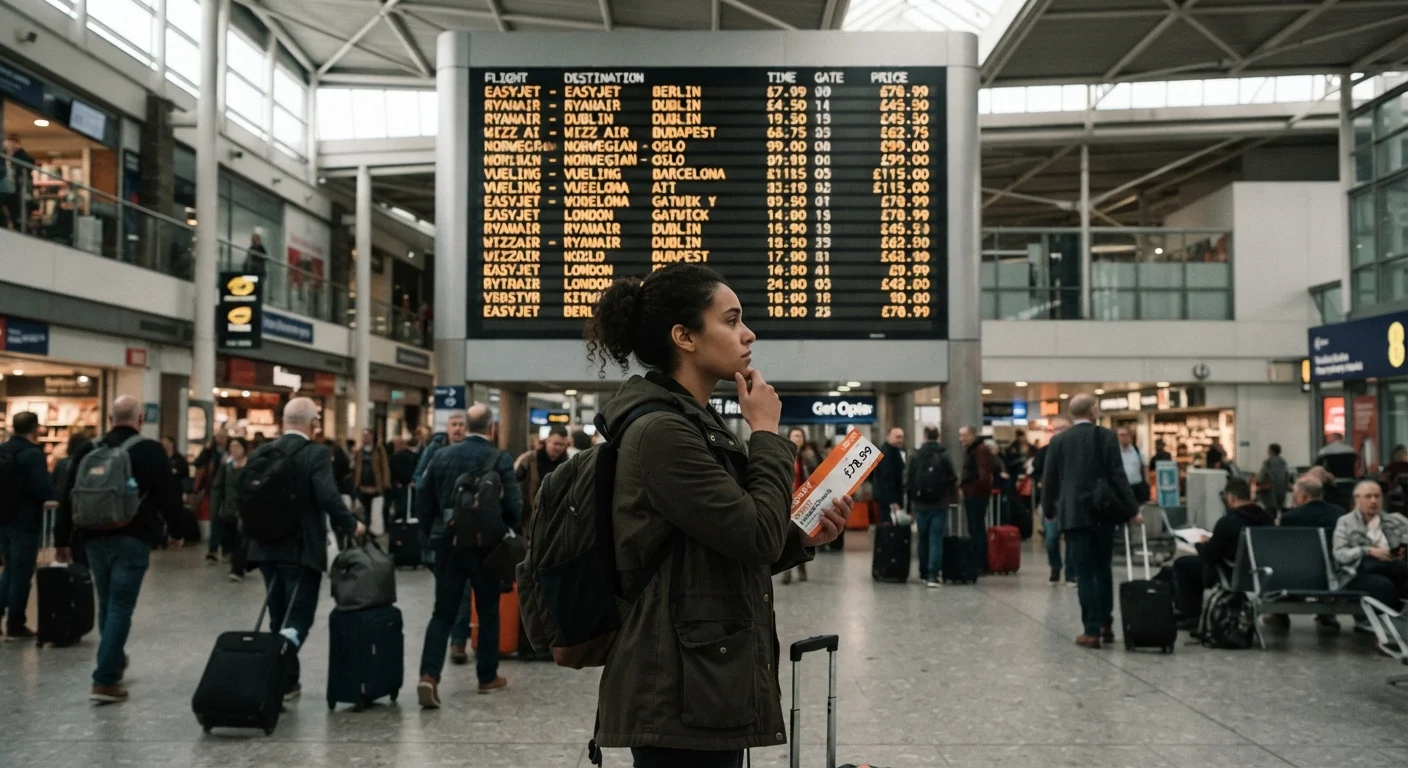
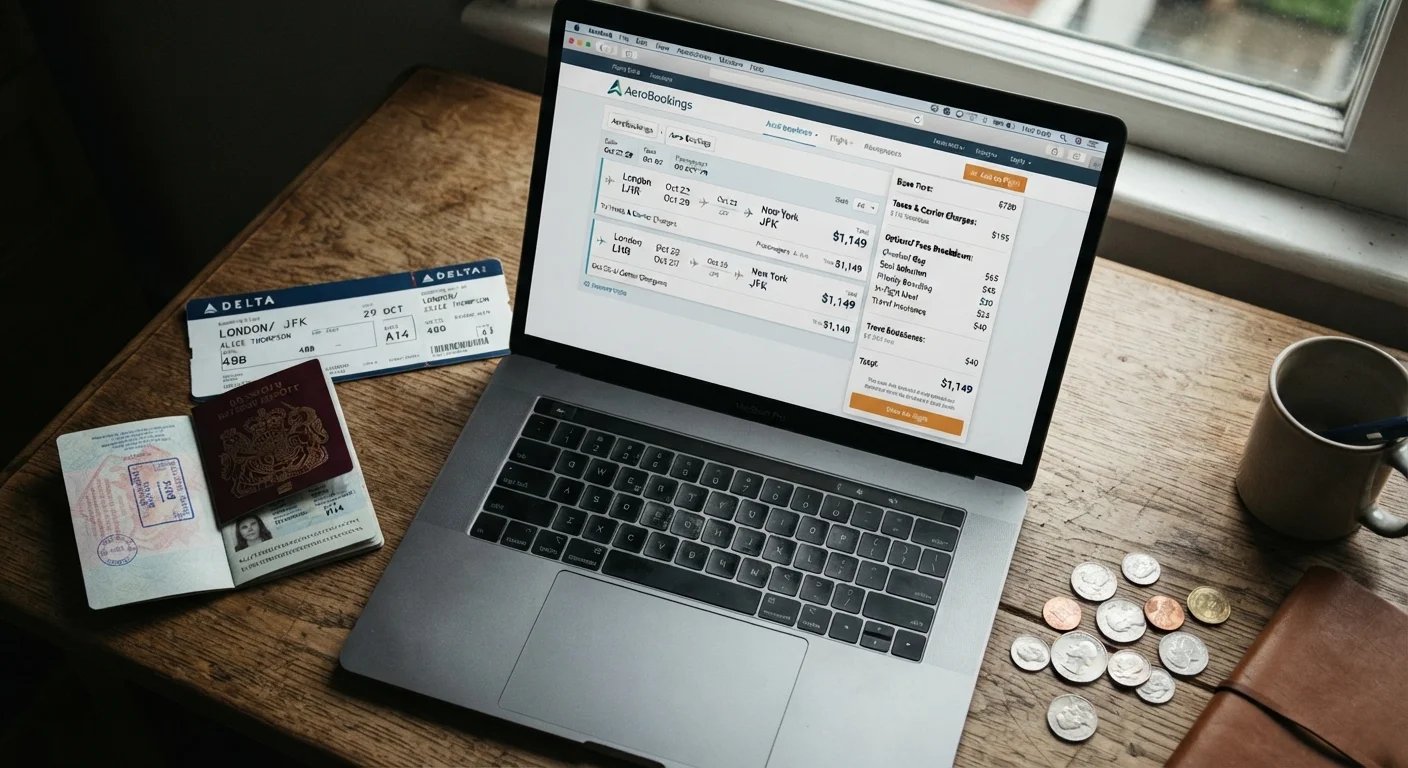
A flight search result shows you a number. That number is almost never what leaves your bank account. Airlines and third-party booking platforms have built pricing structures where the visible fare is the foundation, not the total — and several distinct charge categories stack on top of it by the time you hit confirm.
The core components of a final flight price typically include: the base fare (the airline's revenue for the seat), government taxes and fees (airport, security, and passenger facility charges mandated by law), fuel surcharges (sometimes bundled into the base fare, sometimes listed separately), and a range of optional or conditional fees that depend on how you fly and how you pay.
That last category is where most budget travelers get surprised. These charges are technically disclosed before purchase, but they're often presented late in the checkout flow — after you've already invested time comparing options. See our breakdown of why low advertised fares can mislead for a broader look at this pattern.
$33B+
US airline baggage and reservation fee revenue
US airlines collected over $33 billion in ancillary fees in a single recent year, according to US Department of Transportation data, reflecting how central add-on charges have become to airline revenue models.
1–3%
Typical foreign transaction fee on credit cards
Many standard US credit cards charge 1–3% on purchases processed in a foreign currency, which applies to international airline bookings charged in a non-USD currency.
$30–$40
Average checked bag fee per direction
Most major US carriers charge between $30 and $40 for a first checked bag each way on domestic routes, based on published airline fee schedules.
Baggage and Seat Fees: The Biggest Variables
For travelers on standard economy tickets with major US carriers, checked baggage fees commonly run $30–$40 per bag each way — meaning a round trip with one checked bag can add $60–$80 before you consider anything else. Ultra-low-cost carriers extend this to carry-on bags as well, sometimes charging $50–$75 for an overhead bin bag purchased at the gate.
Seat selection is the second major variable. While basic seat assignment at check-in remains free on most full-service carriers, preferred seats — extra legroom rows, exit rows, or anything forward of the rear cabin — typically carry fees ranging from $10 to well over $100 depending on the route and carrier. On budget airlines, any pre-selected seat may cost extra.
Skip Seat Selection to Save Money
Unless you have a specific need — traveling with young children, requiring extra legroom for medical reasons — declining seat pre-selection at booking and accepting the free assignment at check-in is one of the simplest ways to cut $10–$50 per person from your total. Most carriers fill flights efficiently, and you'll rarely end up in a worse seat than you would have paid for.
The practical implication: a $180 fare that includes a carry-on and one checked bag may be cheaper in total than a $120 fare that charges $35 for a carry-on and $40 for a checked bag. Always build a full cost comparison before assuming the lower fare wins.
Payment, Currency, and Booking Channel Surcharges
How you pay and where you book adds another layer. Credit card surcharges are common outside the US — some international carriers apply a 1–3% fee for credit card payments — while debit card or bank transfer options may be surcharge-free. Within the US this practice is less common but worth checking on international airline websites.
Currency conversion is a subtler cost. When an overseas airline quotes a price in its home currency and your card converts it, you're subject to both your bank's exchange rate markup and potentially a foreign transaction fee. Using a card with no foreign transaction fees and good exchange rates can save a meaningful amount on international bookings. Our field reference on currency exchange and foreign transaction fees covers this in detail.
Third-party booking platforms may also add their own service fees — sometimes $10–$20 per ticket — on top of the airline's price. Booking directly through the airline's own website often avoids this, and also simplifies any changes or rebooking if your plans shift.
Building a True Cost Estimate Before You Book
The most reliable method is to price out a specific itinerary completely — not just the fare. Before committing, confirm: how many bags you'll check, whether you need a pre-selected seat, what your payment method will cost, and whether the booking channel adds a service fee.
This total-cost approach changes which flights look attractive. A full-service carrier with a higher base fare that includes a carry-on, offers free seat assignment at check-in, and doesn't charge a credit card fee can easily undercut an ultra-low-cost carrier when you add up the extras. Our guide to evaluating whether a destination fits your budget extends this framework to on-the-ground costs once you've landed.
One area that's easy to overlook: airport-to-city transport. A cheaper connecting flight through a distant hub might cost more in ground transport than the savings justify. Ground transport costs routinely shape the real price of a trip in ways that don't show up in flight search results.
This article provides general travel information for educational purposes. Prices, fees, and airline policies change frequently — always verify current charges directly with the airline or booking platform before purchasing.