
Why First-Time Budget Travelers Overspend
Budget travel sounds simple in theory: spend less, experience more. In practice, first-timers tend to make the same cluster of avoidable mistakes — not from carelessness, but from not knowing what to watch for. The errors are rarely dramatic. They're small miscalculations that compound: a missed fee here, a skipped research step there, a decision made for convenience that costs $50 more than the alternative.
If you're new to budget travel, understanding these patterns before your first trip is far more valuable than any packing list or flight hack. Most budget overruns are preventable — but only if you know what you're looking for.
Skipping travel insurance to save money upfront.
Why it happens: First-time budget travelers treat insurance as an optional add-on rather than a core trip cost, underestimating how expensive unexpected events — medical emergencies, cancellations, lost luggage — can be abroad.
Ignoring airport transfer costs when calculating trip expenses.
Why it happens: Travelers price out flights and hotels but forget that getting between the airport and city center — especially in unfamiliar cities — can cost $40–$100 each way if you default to taxis or ride-shares.
Overpacking and triggering airline checked-bag fees.
Why it happens: First-timers pack for worst-case scenarios — every weather condition, multiple outfit options, full-size toiletries — without calculating what baggage fees will add to the fare.
Booking the cheapest-looking flight without reading the full fee structure.
Why it happens: Low base fares from budget carriers appear attractive in search results, but seat selection, carry-on fees, and payment surcharges can add $60–$120 per person — sometimes more than the advertised fare itself.
Underestimating daily spending and skipping a destination cost baseline.
Why it happens: New travelers set a vague daily budget without researching what things actually cost at their destination — meals, local transport, entry fees, and incidentals are usually underestimated.
Exchanging currency at the airport or using hotel exchange desks.
Why it happens: Convenience wins in the moment — travelers arrive with no local cash and accept whatever rate is immediately available, unaware of how steep the markup typically is.
Building a Tighter Pre-Trip Process
Travel Insurance Is Not Optional
A single medical evacuation abroad can cost tens of thousands of dollars — far more than most travelers save on their entire trip. Skipping travel insurance to cut costs is one of the riskiest financial decisions a budget traveler can make. Review policy options carefully and verify what is and isn't covered before you travel. This article provides general information only — consult official sources and policy documents for decisions specific to your situation.
Most of these mistakes share a common root: planning stops at the headline costs — the flight, the accommodation — without accounting for the full picture. A solid pre-departure process closes those gaps before they cost you.
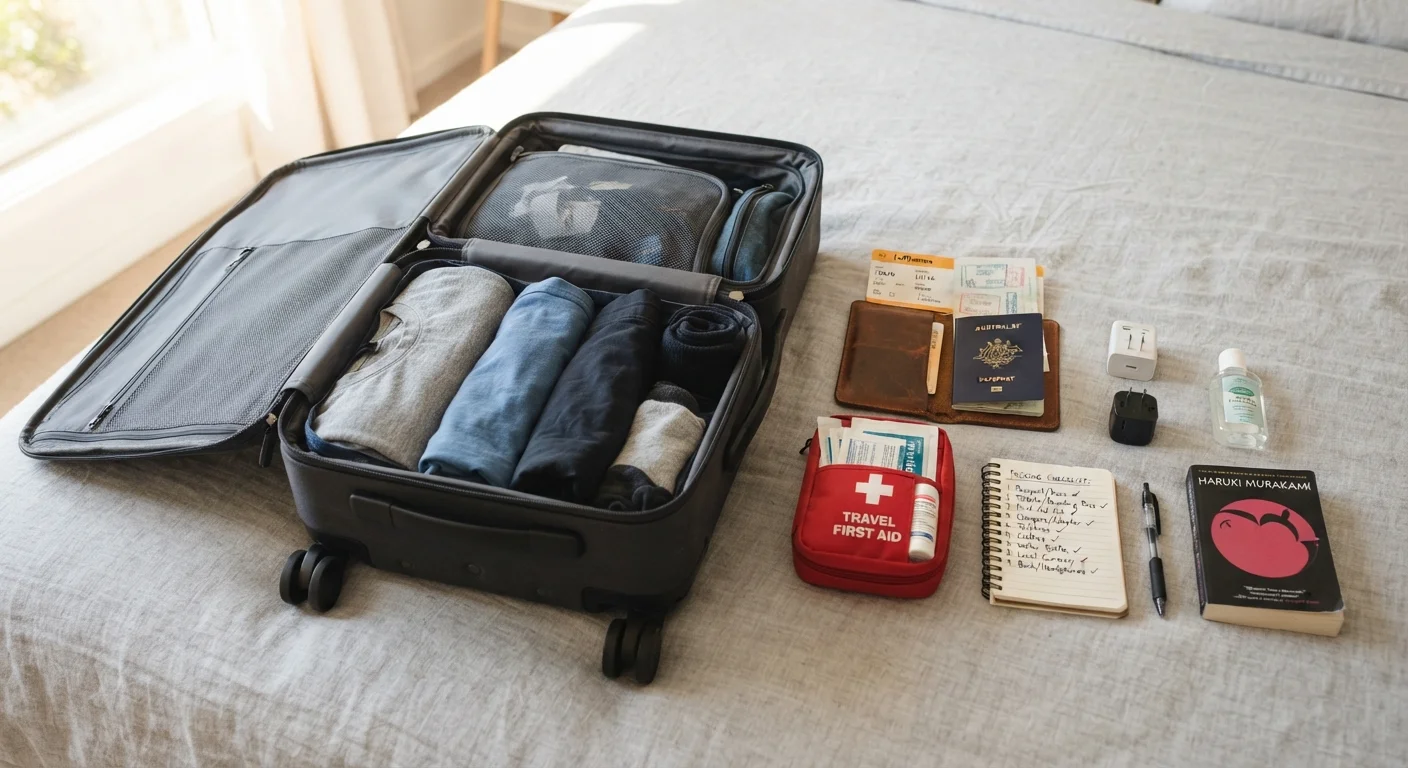
Start by building a realistic daily spending estimate for your specific destination, not a generic figure. Factor in local transport, one or two paid attractions, and at least one sit-down meal per day. Then add a 15–20% buffer for unplanned expenses. Use the pre-trip checklist to make sure nothing critical — insurance, SIM cards, airport transfer research — falls through the cracks.
If you're heading somewhere like Central America, where transport logistics and costs vary significantly by country, that destination-specific research pays off even more. The habits that prevent budget overruns aren't complicated — they just require doing the groundwork before you leave, not after you arrive. See also: the habits that quietly drain travel budgets for patterns that persist beyond the first trip.
Dynamic Pricing Moves Fast
Flight and accommodation prices can change significantly within hours. Waiting for a 'better deal' after spotting a reasonable fare often results in paying more, not less. Set a target price range in advance and book when you hit it rather than chasing a moving target.