
What Your Dipstick Is Actually Telling You
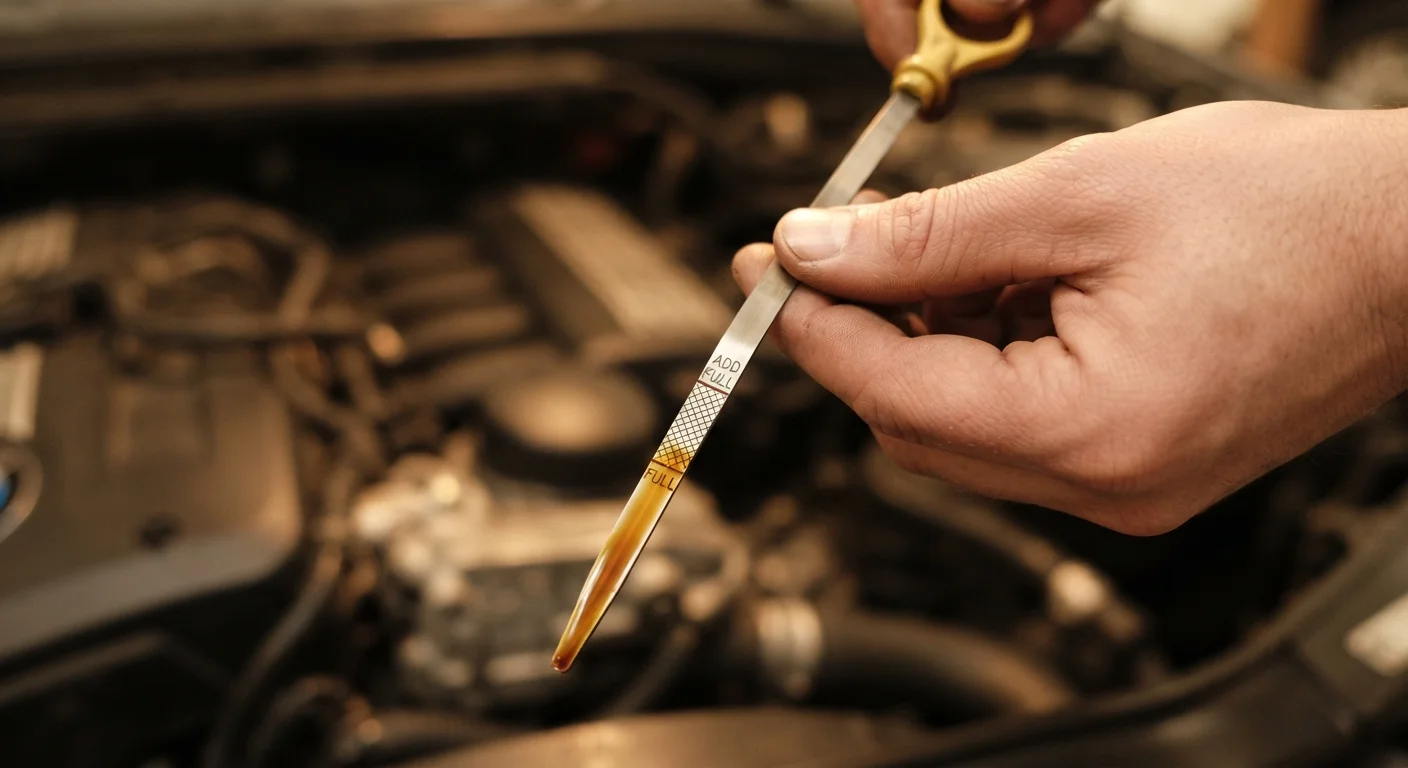
Your oil dipstick is a two-part diagnostic tool, and most drivers only use half of it. Yes, it shows you whether the oil level is between the MIN and MAX markers - but it also gives you a rough read on the oil's condition, which is equally important for protecting your engine.
To read it properly: pull the dipstick out, wipe it with a clean rag, reinsert it fully, then pull it out again for an accurate reading. Look at two things: where the oil line sits on the markings, and what the oil itself looks like. Healthy oil is typically amber to light brown and slightly translucent. Rub a small amount between your thumb and finger - it should feel slippery and smooth, not gritty.
A milky or foamy appearance can indicate coolant mixing with oil, which is a serious mechanical issue that needs professional attention immediately. For a broader look at how other fluids interact with your engine's health, see our guide to key engine fluids.
7,500-10,000 mi
Typical synthetic oil change interval for modern vehicles
Most major automakers now recommend this range for vehicles using full synthetic oil under normal driving conditions, per published owner's manuals.
$100+
Annual overspend from unnecessary 3,000-mile changes
Drivers following a 3,000-mile interval on a full synthetic vehicle can pay for multiple unnecessary oil changes per year compared to following the manufacturer's actual guidance.
2-3x
Longer lifespan of full synthetic vs. conventional oil
Full synthetic motor oil is engineered to maintain viscosity and protective properties significantly longer than conventional oil, according to oil industry technical literature.
Why the 3,000-Mile Rule Is Costing You Money
The 3,000-mile oil change interval became automotive gospel decades ago - and it made sense at the time. Older engines ran looser tolerances, and conventional motor oil broke down faster under heat and pressure. Quick-lube chains helped cement the rule with windshield stickers, and it stuck.
Modern engineering changed the equation. Full synthetic oils are formulated to resist viscosity breakdown and oxidation far longer than their predecessors. Most automakers now recommend intervals between 7,500 and 10,000 miles for vehicles using full synthetic oil - and some set intervals as high as 15,000 miles under normal driving conditions. Changing your oil every 3,000 miles on a modern engine using synthetic oil isn't protecting your engine any better; it's just draining your wallet.
This is one of the most persistent - and expensive - car maintenance myths drivers still follow. The fix is free: open your owner's manual and find the actual recommended interval for your specific engine and oil type.
Find Your Actual Interval in Two Minutes
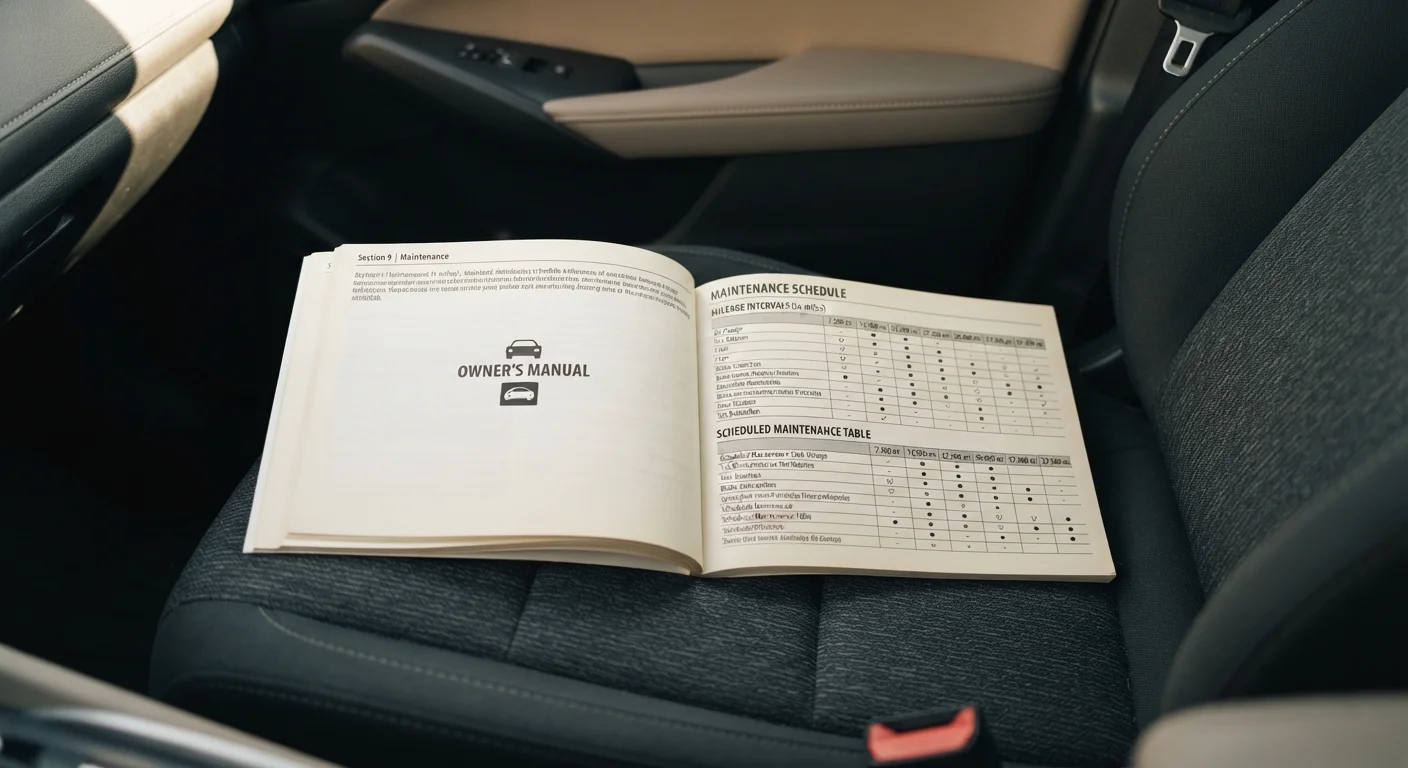
Open your owner's manual and search the index for "oil change" or "engine oil." The maintenance schedule section will list your recommended interval by mileage and time - whichever comes first. If you don't have a physical copy, most automakers publish owner's manuals as free PDFs on their official websites. That number is specific to your engine and oil type, making it far more reliable than any generic rule.
How Driving Conditions Change the Math
Manufacturer intervals assume what's called "normal" driving - a mix of highway and city miles, moderate temperatures, no heavy towing. If your daily reality looks different, the interval should be adjusted shorter, not ignored.
What qualifies as severe? Short trips under five miles (the engine never fully warms up, which prevents moisture from evaporating out of the oil), frequent stop-and-go traffic, towing or hauling, dusty environments, or sustained operation in extreme heat or cold. Many owners' manuals include a separate, shorter interval specifically for these conditions - and it's worth following.
If your vehicle has an oil life monitoring system, pay attention to it. These systems calculate degradation based on actual engine data - temperatures, RPM cycles, load - not just mileage. They're generally accurate and worth trusting. That said, your owner's manual maintenance schedule remains the authoritative baseline, even if a monitor supplements it.
The Numbers That Actually Matter
When your oil is due isn't always obvious from the dipstick alone - that's why combining visual checks with mileage tracking and manual guidance works better than any single method. Here's what to look for:
- Oil level: Should sit between MIN and MAX. If it's consistently low, you may have a leak or your engine may be burning oil - both worth investigating.
- Oil texture: Smooth and slippery is good. Gritty or grainy suggests metallic wear particles and means the oil should be changed soon.
- Oil color: Dark is normal; opaque black with a gummy consistency is not. Milky or foamy means coolant contamination - stop driving and consult a mechanic.
- Smell: A sharp, burnt odor can indicate the oil is well past its useful life.
If your oil light comes on, don't wait. That dashboard warning typically signals low oil pressure - a condition that can damage your engine within minutes of driving. For a full breakdown of what warning lights mean and which demand immediate action, see what your dashboard warning lights are telling you.