
Why Dashboard Lights Exist (and Why Ignoring Them Costs You)
Modern vehicles are equipped with an onboard diagnostics system (OBD-II, standard on US cars since 1996) that continuously monitors dozens of sensors. When something falls outside normal parameters, the system triggers a warning light on your instrument cluster. Think of it as your car's way of flagging a problem before it becomes a breakdown - or a repair bill that runs into the thousands.
The mistake most drivers make is treating every light the same way: either panicking at anything that glows or ignoring it entirely because the car still seems to drive fine. Neither approach serves you well. Some lights demand you pull over immediately; others are reminders to schedule a visit within the next week or two. Knowing the difference is the most practical automotive skill you can have.
The Lights That Mean Stop Now
A handful of warning lights indicate conditions that can cause rapid, serious damage or create an immediate safety risk. If any of these illuminate while you're driving, don't push on to your destination.
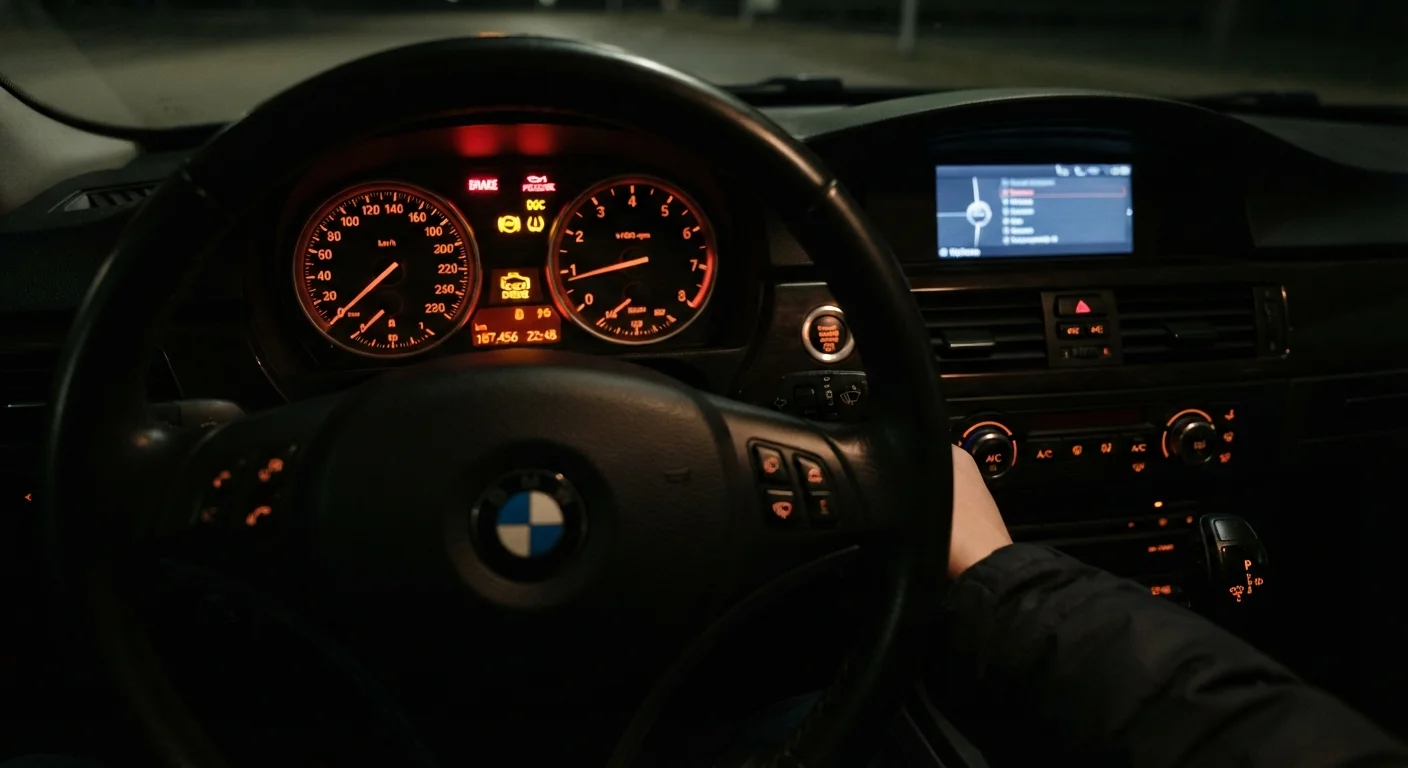
- Oil Pressure (red oil can icon): This does not mean you're low on oil - it means oil pressure has dropped to a dangerous level. Running an engine without adequate pressure can cause catastrophic internal damage within minutes. Pull over safely, shut off the engine, and check the oil level before driving further. If the level is normal and the light stays on, the vehicle needs a mechanic before it moves again.
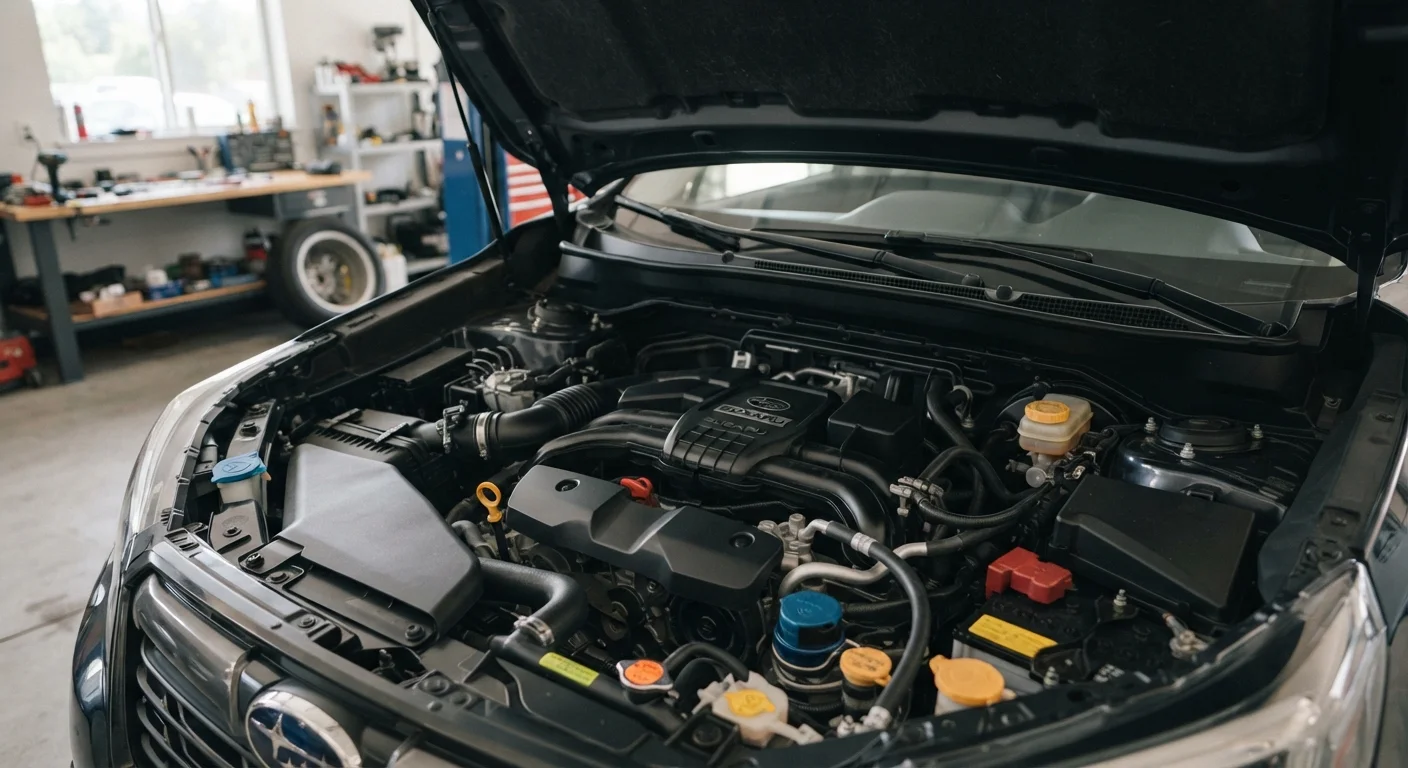
- Engine Temperature (red thermometer in water): Your engine is overheating. Continued driving risks warping the cylinder head - a repair that can cost $1,500-$3,000 or more. Pull over, let the engine cool, and check coolant levels only when the engine is cold. See our guide to engine fluids for what to check and why coolant matters.
- Battery (red battery icon): The charging system has failed. Your car is running purely on battery reserve - which typically lasts 30 minutes or less. Get to a safe location and have the alternator and battery tested.
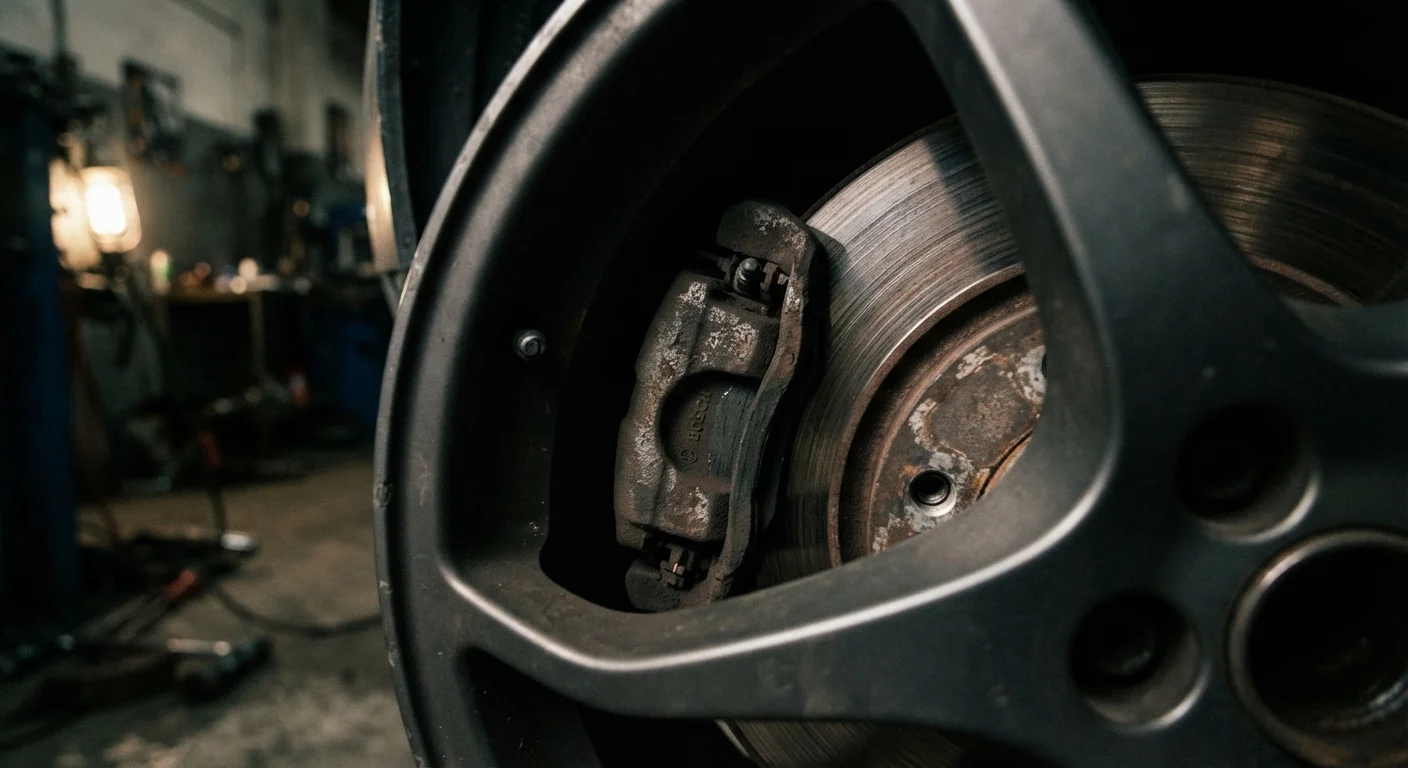
- Brake System (red exclamation in circle or BRAKE text): If the parking brake is fully released and this light is on, brake fluid may be critically low or there's a fault in the brake circuit. Do not ignore this. See brake wear warning signs to understand what other symptoms may accompany this alert.
Amber Lights: Attention Required, Not Necessarily Right Now
Amber or yellow lights generally indicate a system that needs attention within days to a few weeks - not a reason to pull over immediately, but also not something to defer indefinitely.
OBD-II
Onboard Diagnostics, second generation - a standardized system built into all US cars since 1996 that monitors engine and emissions components and stores fault codes when something goes wrong.
Fault Code (DTC)
A Diagnostic Trouble Code stored by the OBD-II system when a sensor reading falls outside normal range. Codes are retrieved using a code reader and help pinpoint what triggered a warning light.
TPMS
Tire Pressure Monitoring System - a sensor-based system required on all US cars made after 2008 that warns the driver when tire pressure drops to an unsafe level.
Catalytic Converter
An emissions control device in the exhaust system that converts harmful gases into less harmful ones. Damage from engine misfires or overheating can make it an expensive repair.
- Check Engine (amber engine outline): The most misunderstood light on any dashboard. It can signal anything from a loose gas cap to a failing catalytic converter. A OBD-II code reader - available at most auto parts stores for under $30, or often free to borrow - will retrieve the specific fault code. Don't guess; read the code first.
- Tire Pressure (TPMS - amber tire cross-section with exclamation): One or more tires are underinflated, typically below 25% of the recommended PSI. Underinflated tires reduce fuel economy and increase blowout risk. Check and correct pressure at any gas station. Your recommended PSI is printed on the driver's door jamb sticker, not the tire sidewall.
- Traction Control / Stability Control (amber car with skid marks): If this stays on when roads are dry and you're driving normally, the system has a fault. It won't prevent you from driving, but you've lost an important safety layer.
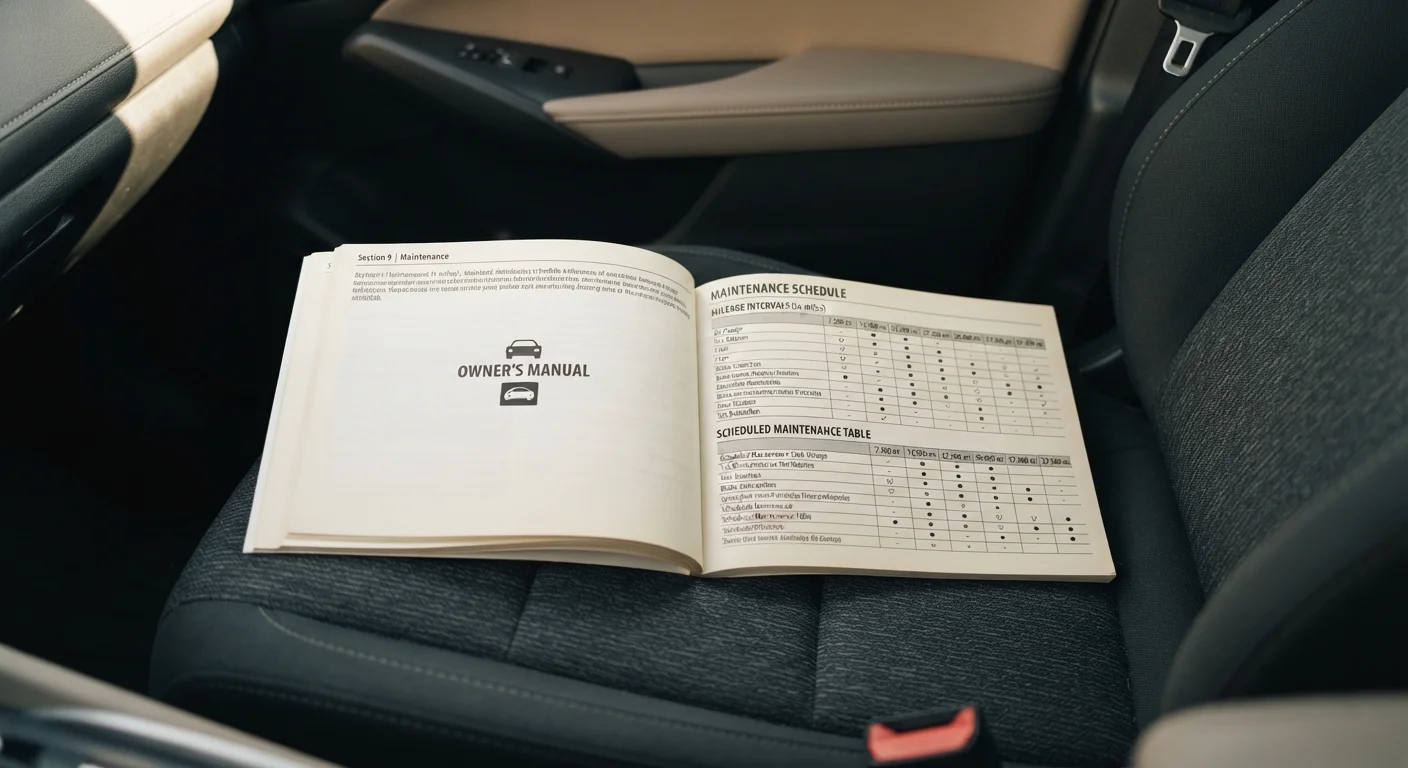
- Service Engine / Maintenance Due (wrench or oil can outline): This is a scheduled maintenance reminder, not a fault. Your owner's manual maintenance schedule defines exactly what's due and when.
A Loose Gas Cap Can Trigger Check Engine
One of the most common - and cheapest - causes of a check engine light is a gas cap that wasn't tightened fully after your last fill-up. Before booking a diagnostic appointment, remove and firmly re-seat the cap. The light may take one or two drive cycles to clear on its own. If it persists, then retrieve the fault code.
Reading the Context, Not Just the Icon
Color is your first signal: red means act now, amber means act soon, green or blue are informational (high beams on, turn signal active). But context matters too. A check engine light that's steady is different from one that's flashing - a flashing check engine light usually indicates an active engine misfire that can quickly damage your catalytic converter (a $900-$2,500 repair). That distinction alone can save you thousands.
If you drive a higher-mileage vehicle, warning lights become even more worth investigating promptly, since multiple systems may be closer to their service limits. Understanding what high mileage means for reliability can help you prioritize which issues to address first on an older car.
The most cost-effective habit is simple: treat every new warning light as information to be decoded within 24-48 hours, not ignored until the next oil change. An OBD-II reader, your owner's manual, and a reliable mechanic you trust form the only toolkit you need.