
Why Mileage Became the Default Shorthand - And Why It Falls Short
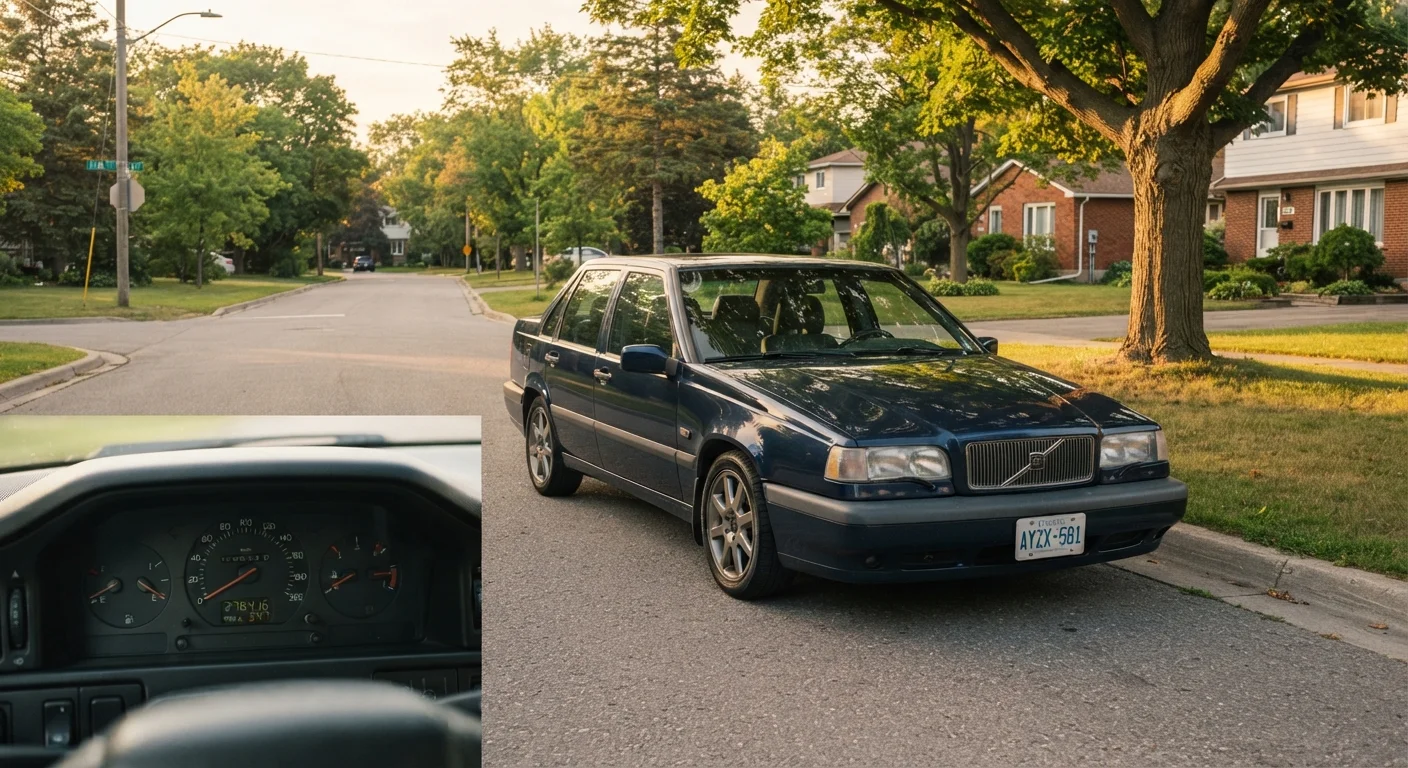
Odometer readings became a quick proxy for vehicle condition because they're easy to read and hard to argue with. The logic seemed sound: more miles driven means more wear. But that reasoning skips over the variables that actually determine how worn a car is.
A vehicle's condition is shaped by how it was driven, not just how far. Short cold-start trips around a city are harder on an engine than long steady-speed highway journeys. A car used for a daily 50-mile freeway commute accumulates mileage quickly but experiences relatively low mechanical stress. The same mileage racked up through years of short grocery runs involves far more heat cycling, more frequent braking, and more wear per mile.
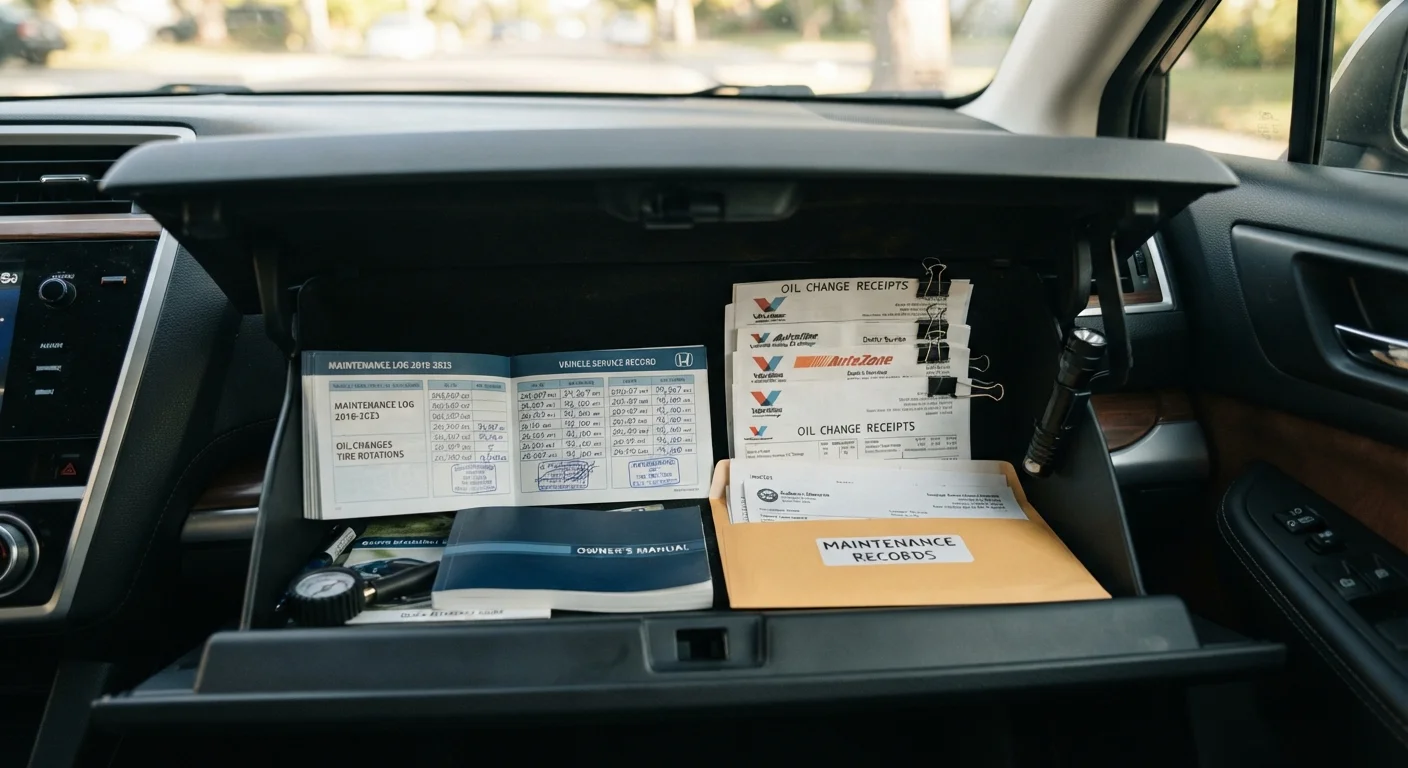
Maintenance history adds another dimension entirely. A 120,000-mile car whose owner followed every oil change interval, replaced the timing belt on schedule, and kept records is in a fundamentally different position than an 80,000-mile car that skipped several services. See our guide to service logs for what a complete history should include.
200,000+
Miles many modern vehicles are designed to last
Automotive engineers and industry analysts frequently cite 200,000 miles as a realistic lifespan for well-maintained modern vehicles, reflecting advances in materials and manufacturing.
~20%
Typical first-year new car depreciation
Industry data consistently shows new vehicles lose roughly 15-20% of their value within the first year, with steeper cumulative losses over three to five years.
100,000
Miles commonly labeled 'high mileage'
The 100,000-mile threshold is widely used by insurers and lenders as a classification point, though it has no fixed mechanical significance for a well-maintained vehicle.
What Actually Predicts a Vehicle's Remaining Life
When evaluating a used vehicle, four factors carry more weight than the odometer reading alone.
1. Documented Maintenance History
A vehicle with a complete service record - showing regular oil changes, fluid flushes, and scheduled maintenance - has an evidence base the mileage figure doesn't provide. Missing records don't automatically disqualify a car, but they shift the risk calculus. Common maintenance myths often lead owners to skip or delay legitimate service, which shows up later as expensive repairs.
2. Type of Driving
Ask the seller how the vehicle was primarily used. Consistent highway commuting is a meaningful positive signal. Frequent towing, short urban trips, or harsh climate exposure all accelerate wear at rates that mileage alone won't reflect.
3. Pre-Purchase Inspection Results
A qualified independent mechanic can identify worn suspension components, signs of oil leaks, transmission behavior, and dozens of other indicators that no report or visual inspection will catch. This is the single most effective step a buyer can take before any used car purchase - high-mileage or not. Vehicle history reports are a useful starting point but have documented gaps.
4. Known High-Wear Components
Certain parts have predictable replacement intervals: timing belts, water pumps, suspension bushings, and brake components. Knowing whether these have been recently serviced - or will soon need attention - gives you a clearer picture of near-term ownership costs. Check the owner's manual maintenance schedule for the specific model you're considering.
The Financial Case for High-Mileage Vehicles
High-mileage vehicles typically sell at a significant discount compared to lower-mileage equivalents of the same make, model, and year. For budget-conscious buyers, this price gap can represent genuine value - provided the vehicle's condition supports it.
Depreciation is the largest single cost in new car ownership. A new vehicle loses a substantial portion of its value in the first three years. By the time a car crosses 100,000 miles, most of that depreciation has already occurred. The buyer of a high-mileage vehicle sidesteps that steepest part of the curve entirely. For a deeper look at how these costs stack up, the five-year cost comparison between new and used vehicles breaks down the numbers across depreciation, financing, and maintenance.
The trade-off is transparency about risk. Higher-mileage vehicles are statistically more likely to need repairs. The question isn't whether repairs will occur, but whether the purchase price discount and lower insurance value (which often reduces comprehensive and collision premiums) offset those expected costs over your ownership period. That math varies by vehicle, by market, and by how long you intend to keep the car. See the long-term vs. upgrade decision guide for a framework to work through it.
“The odometer tells you how far a car has traveled. It tells you nothing about how it was treated along the way. A well-documented, high-mileage vehicle can be a far better bet than a low-mileage car with an unknown past.”
— Car Ownership Essentials Editorial Team, Automotive consumer guidance publication
Red Flags That Mileage Can't Hide - and Green Flags Worth Recognizing
Even with context, some signals override a favorable mileage picture. Watch for:
- No service records at all - not unusual, but higher risk without them
- Evidence of deferred maintenance - dirty transmission fluid, heavily worn belts, or a check engine light left unaddressed (see what dashboard warning lights actually mean)
- Frame damage or flood history - these don't necessarily correlate with mileage and can be present on low-mileage vehicles too
- Oil leaks or burning smells during a test drive
- Transmission hesitation or slipping - often expensive to repair and commonly appears as mileage climbs
Conversely, genuine positive signals include a full-service history from a single owner, recent replacement of major wear items, clean undercarriage with no visible rust in key structural areas, and a pre-purchase inspection that comes back clear.
The goal isn't to fear high mileage - it's to evaluate it accurately. A 150,000-mile car with strong records and a clean inspection can be a sounder financial decision than a 60,000-mile car with an opaque history. Certified pre-owned programs exist partly to address this uncertainty for buyers who want additional assurance, though they come at a higher price point.
Budget for a Pre-Purchase Inspection
An independent mechanic's inspection typically costs $100-$200 and can surface issues worth thousands. On a high-mileage vehicle, it's not optional - it's the primary tool for turning an uncertain purchase into a calculated one. Never skip this step based on seller assurances or a favorable-looking history report alone.