
Why the Sticker Price Is the Smallest Part of the Story
When most people budget for a car, they focus on the monthly payment. That instinct is understandable but incomplete. The purchase price - whether paid in cash or financed - is just the entry fee. What follows is a stream of costs that continues for every month you own the vehicle.
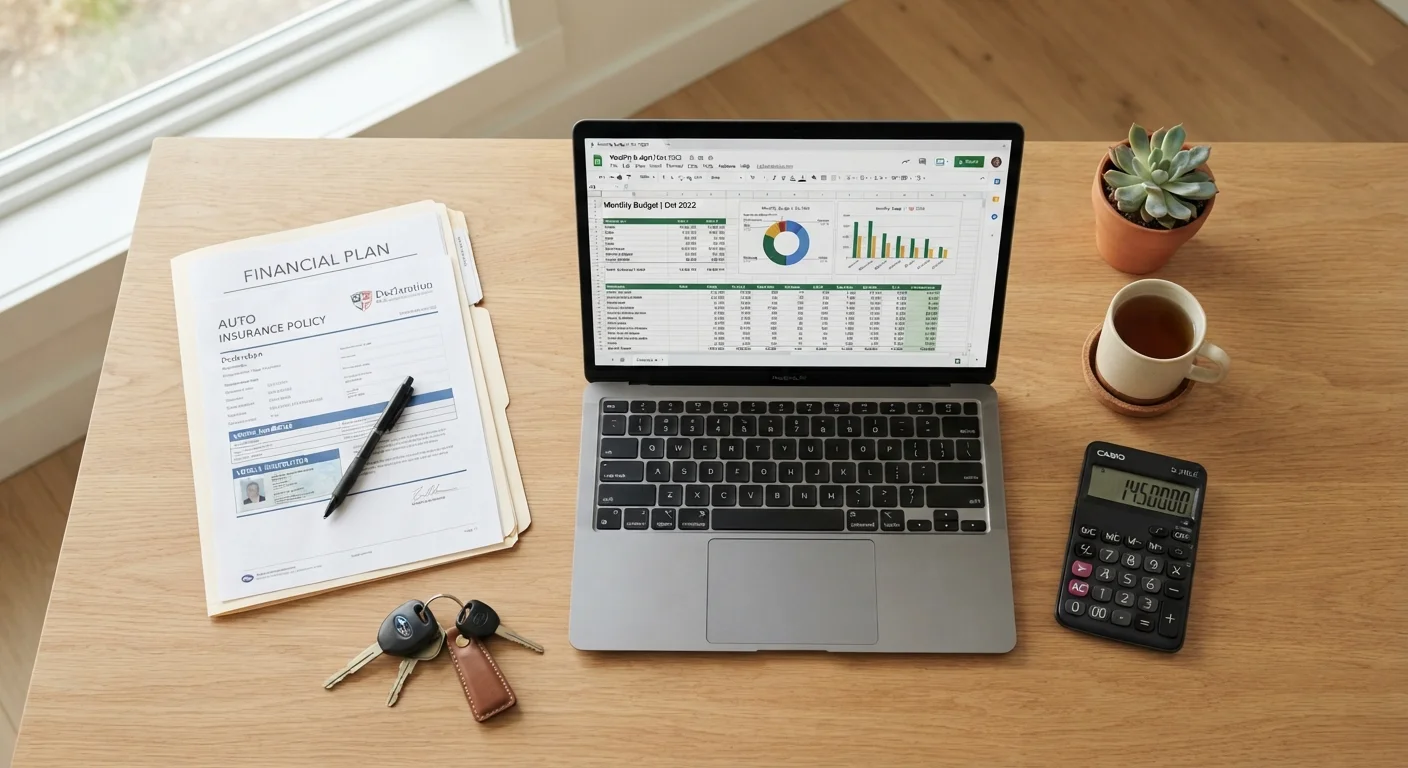
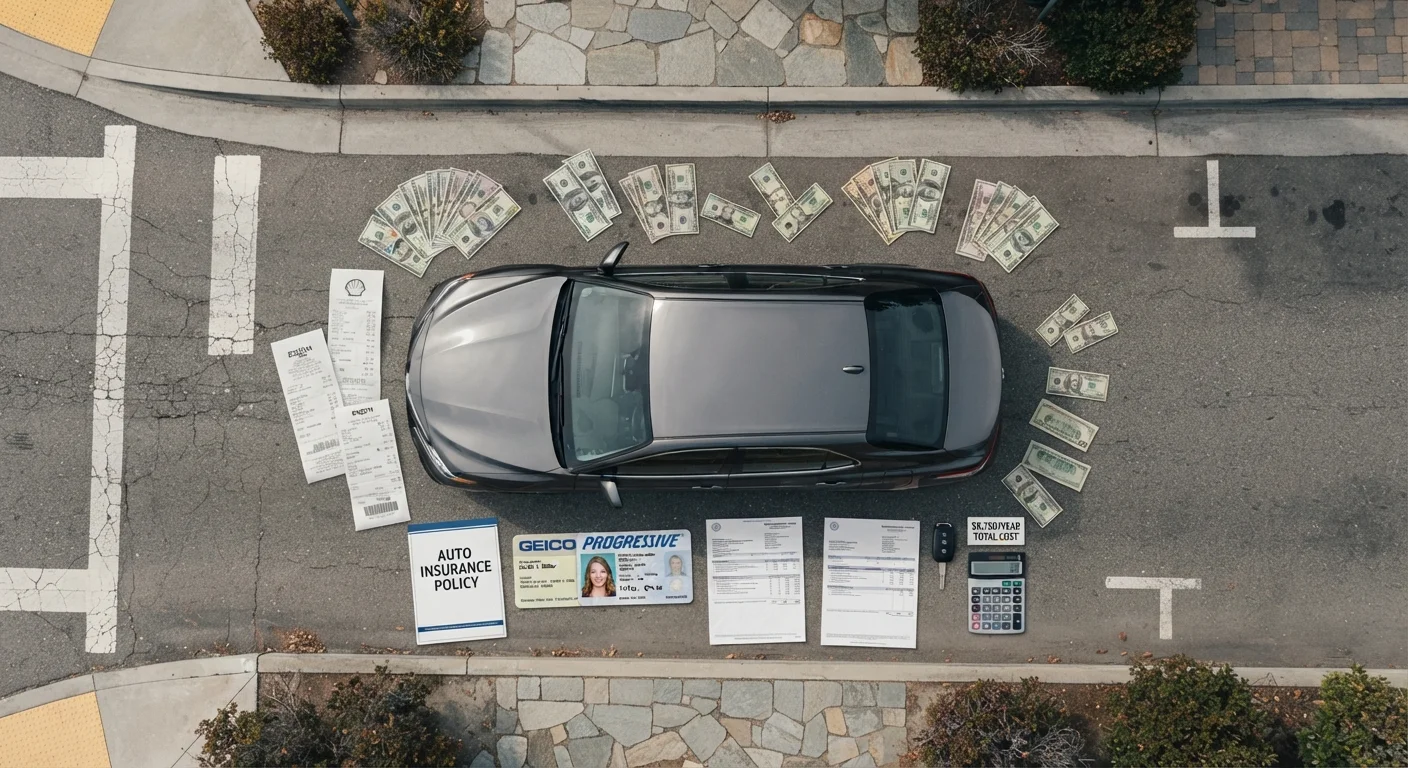
The major expense categories every driver should account for are: depreciation, fuel, insurance, maintenance and repairs, registration and taxes, and financing interest. Each one is real money leaving your pocket, even if no single bill feels dramatic. Together, they can easily double or triple what you thought the car would cost you.
For a deeper look at how to calculate all recurring expenses systematically, the Annual Car Running Cost Audit walks through every line item worth tracking.
~$12,000
Estimated average annual new car ownership cost
AAA's annual Your Driving Costs study estimates total ownership expenses for new vehicle drivers, including depreciation, fuel, insurance, and fees.
15-25%
Typical first-year depreciation rate
Most new vehicles lose between 15% and 25% of their purchase value in the first 12 months, according to commonly cited automotive valuation data.
~50%
Average value lost after five years
Industry valuation benchmarks suggest most vehicles retain roughly half their original purchase price after five years of average use.
Depreciation: The Cost You Never Get a Bill For
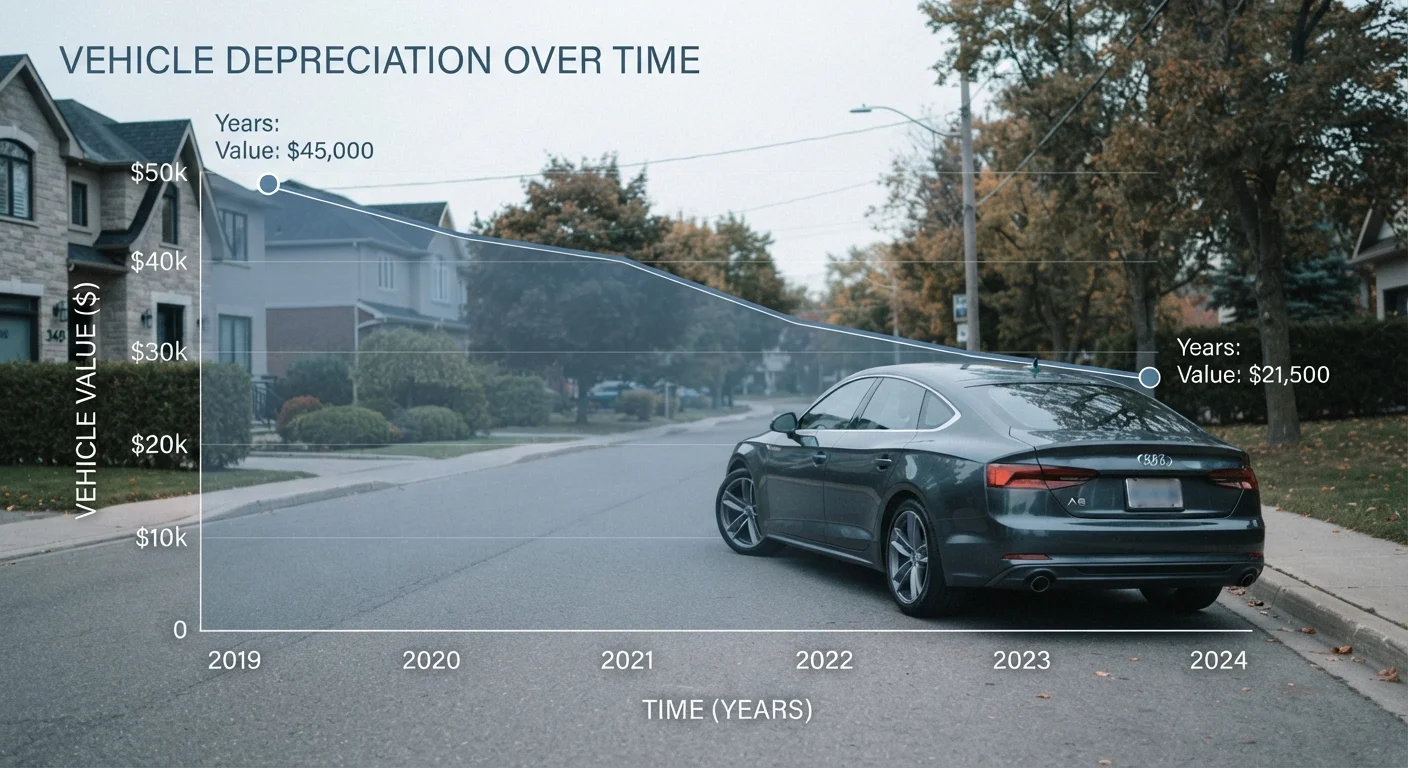
Depreciation is the reduction in your car's market value over time. You don't receive a monthly invoice for it - but it is the single largest cost most vehicle owners face. A new car can shed 15-25% of its value in its first year, and around 50% over five years, depending on the model.
This matters because depreciation represents money you will not recover when you sell or trade in the vehicle. If you paid $32,000 for a car and it's worth $16,000 five years later, that $16,000 difference is a real cost of ownership - it just arrived silently.
The rate of depreciation varies considerably by vehicle type, brand reputation, and market demand. Our guide on how car depreciation works breaks down the mechanics and shows you how to factor it into your next purchase decision.
Fuel, Insurance, and the Costs That Recur Every Month
After depreciation, fuel and insurance consume the most ownership budget for most drivers. Fuel costs depend on your vehicle's efficiency rating and how much you drive. A vehicle rated at 25 MPG costs roughly twice as much to fuel per mile as one rated at 50 MPG - a gap that compounds significantly over 12,000-15,000 miles a year.
Insurance is non-negotiable by law in nearly every US state, and premiums are shaped by factors including your driving record, ZIP code, vehicle make and model, and credit score in most states. Shopping your policy at renewal - not just accepting the auto-renew rate - is one of the most consistent ways drivers reduce this cost without changing anything about how they drive.
Registration fees and annual taxes vary by state and sometimes by vehicle weight or value. These are easy to overlook during the purchase calculation but add up over a multi-year ownership window.
Shop Your Insurance Every Renewal Period
Insurance premiums are not fixed - they shift based on your driving history, vehicle age, and insurer pricing models. Taking time to compare rates at each renewal period can surface meaningful savings without any change to your actual coverage. Even a $20/month reduction adds up to $240 a year.
Maintenance, Repairs, and the Cost of Skipping Both
Scheduled maintenance - oil changes, tire rotations, brake inspections, fluid checks - is priced predictably and is almost always cheaper than the alternative. Skipping an oil change to save $50 can lead to engine wear that costs thousands. The math rarely favors deferred upkeep.
Unplanned repairs are where ownership budgets get ambushed. Older vehicles or those with higher mileage carry a higher probability of unexpected repair bills. Transmission work, suspension components, and timing belts or chains are high-cost jobs that arrive without warning if routine checks are skipped.
The Car Maintenance Basics hub covers the essential upkeep tasks every driver should understand - even if a mechanic does the actual work.
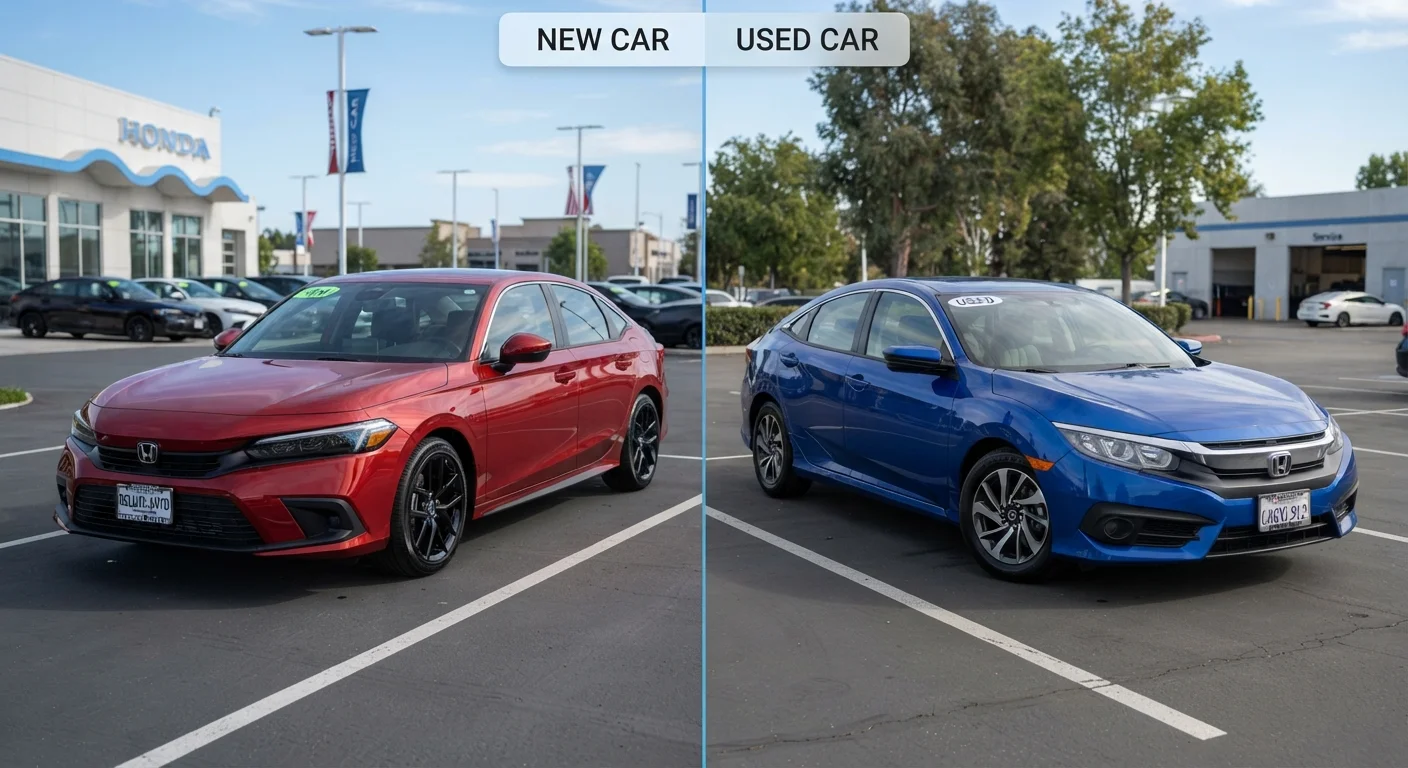
If you're weighing whether a new or used vehicle is the smarter financial move overall, the used vs. new five-year cost comparison lays out what each path actually costs across all expense categories.
How to Build a Complete Picture Before and After You Buy
The most practical step any driver can take is to move from a monthly-payment mindset to a total annual cost mindset. Add up all six cost categories - depreciation, fuel, insurance, maintenance, registration, and financing interest - for any vehicle you're evaluating. Divide by 12 for a monthly true cost figure that's far more honest than a loan payment alone.
This same exercise applied to a car you already own can reveal where money is leaking. Many drivers discover their insurance premium has quietly risen, or that they're spending more on fuel than they realized because their commute changed.
The concept applies beyond cars, too. The total cost of ownership framework explains how this thinking translates to other major purchases. And for those in the buying process, the Car Buying Smart hub offers informed approaches to choosing a reliable vehicle without overspending.
Ownership costs are not a surprise if you plan for them - they're just the real price of driving.