
How Depreciation Works - and Why It Hits So Hard Early
The moment a new car is driven off a dealership lot, it's worth less than you paid for it. That's not a myth - it's a structural feature of how vehicle markets work. The car has transitioned from "new" to "used," and buyers will pay less for a used car, even one that's a day old.
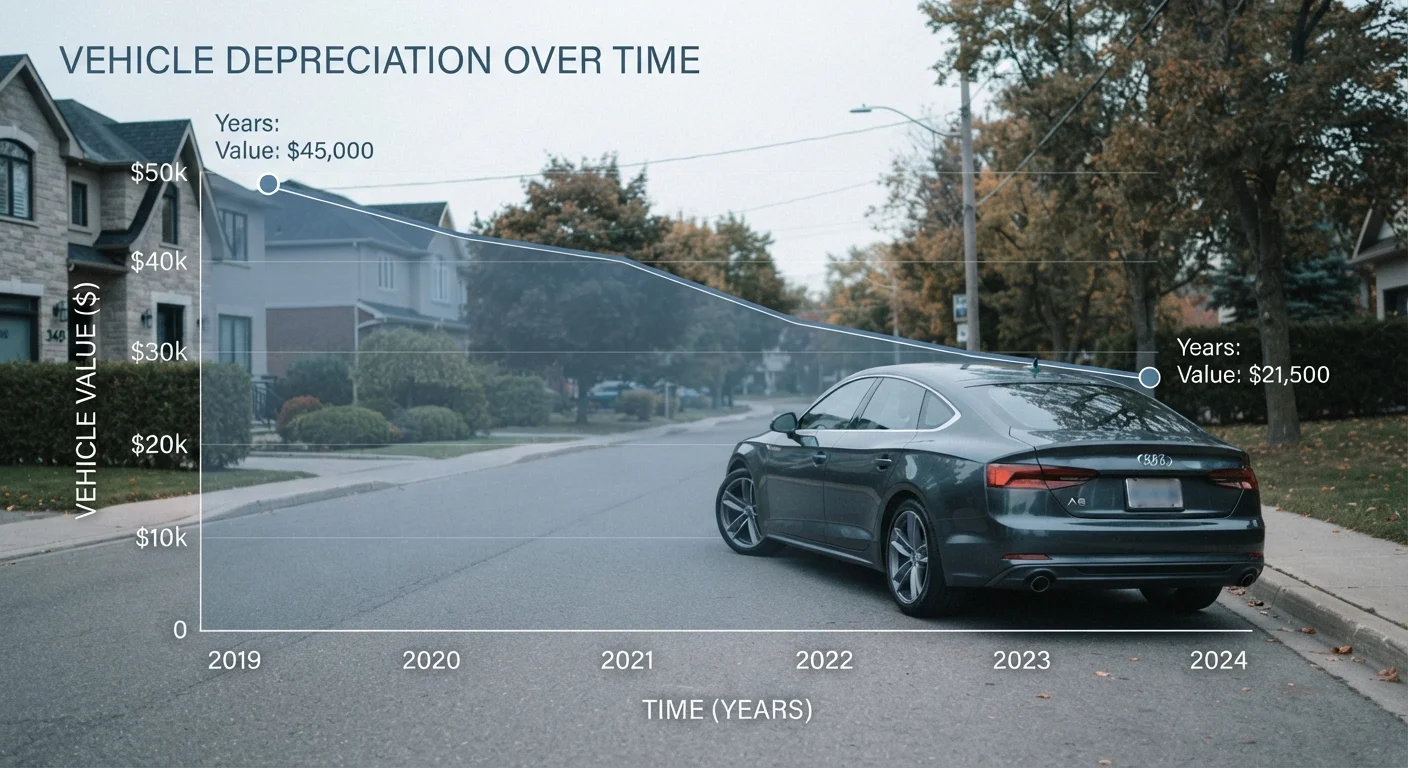
The depreciation curve is steepest in the first one to two years. On average, a new vehicle loses around 15-20% of its value in year one and can shed roughly 50% or more of its original value by year five. After that, the curve flattens - but the value never stops declining on its own.
Why does it happen so fast at first? Supply and demand. Plenty of nearly-new used cars are available, and buyers can get a vehicle with low mileage at a meaningful discount versus new. That reality suppresses what sellers can ask for, year after year.
~20%
Average new car value lost in year one
Industry estimates consistently place first-year depreciation for new vehicles in the 15-20% range, making it the single sharpest drop in a vehicle's life.
~50%
Typical value loss over five years
Many new vehicles lose roughly half their original purchase price within five years of ownership, according to automotive valuation research.
2-3 years
Optimal used-car age to avoid peak depreciation
Buying a vehicle in this age range allows buyers to sidestep the steepest depreciation while still acquiring a relatively modern, low-mileage vehicle.
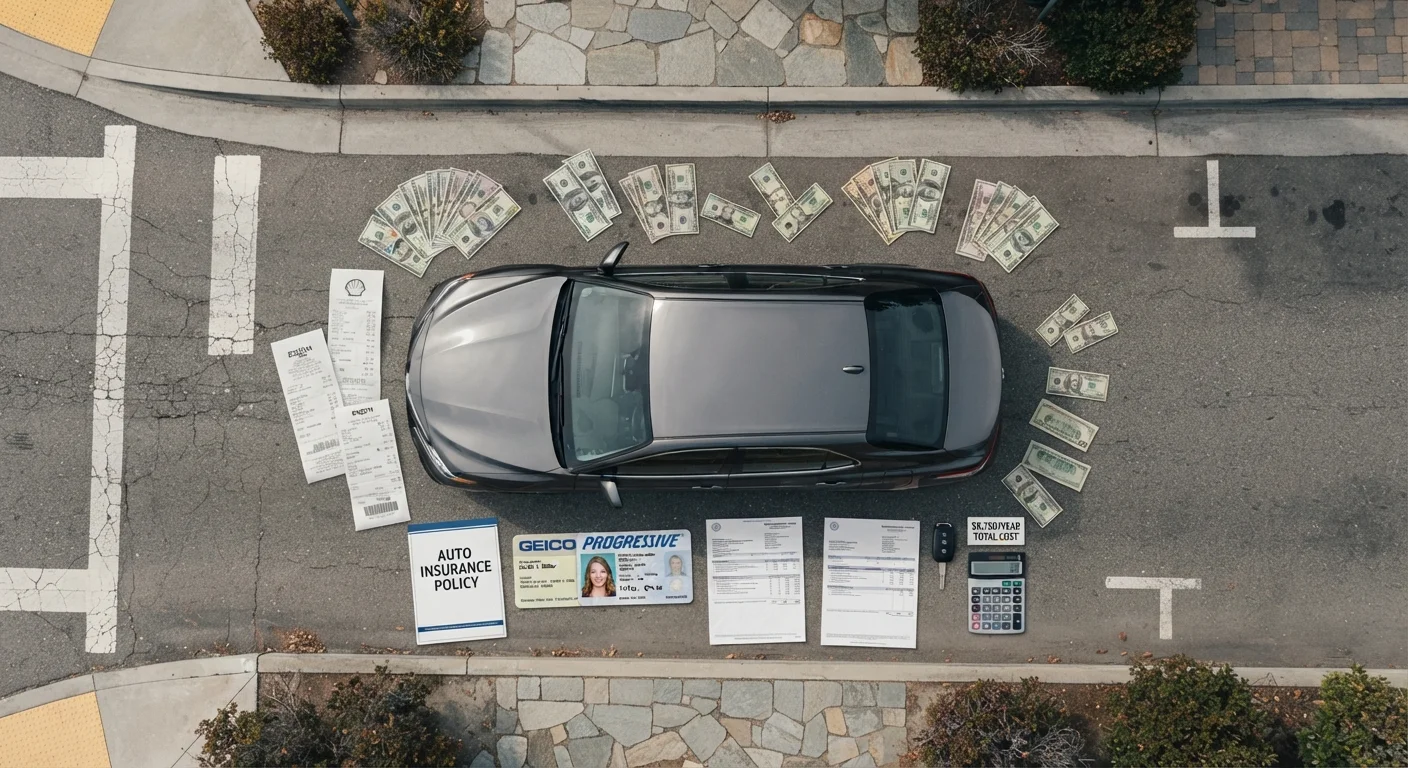
For a deeper look at how depreciation fits alongside fuel, insurance, and maintenance in your total ownership budget, see the true cost of car ownership.
What Accelerates or Slows a Car's Value Loss
Not all cars depreciate at the same rate. Several factors push a vehicle's value down faster - or help it hold value longer.
- Mileage: Higher miles mean more wear, which reduces buyer demand and resale price. Driving well above average annual mileage (commonly benchmarked around 12,000-15,000 miles per year) accelerates depreciation measurably.
- Condition: Dents, interior damage, or mechanical issues all reduce what a buyer will pay. A clean, well-maintained car commands a premium at resale.
- Accident history: Even a repaired vehicle with a reported accident history typically sells for less, because buyers and lenders view it as higher-risk.
- Maintenance records: Documented service history signals that the car was cared for and reduces uncertainty for buyers - which translates to better offers.
- Market demand: Some vehicle types - certain trucks and SUVs, for example - have historically depreciated more slowly because demand for them stays high. Niche or luxury vehicles can swing dramatically depending on market conditions.
- Color and features: Neutral colors and popular option packages tend to appeal to more buyers, which supports resale value.
Keep Your Service Records
Documented maintenance history is one of the most underrated tools for preserving resale value. When it comes time to sell or trade in, a complete service record reduces buyer uncertainty and supports a higher asking price. Keep receipts or use a simple logbook - it costs nothing and can be worth hundreds of dollars at resale.
How to Use Depreciation to Your Advantage
Understanding depreciation shifts your perspective from passive buyer to strategic one. Here's how to apply it practically.
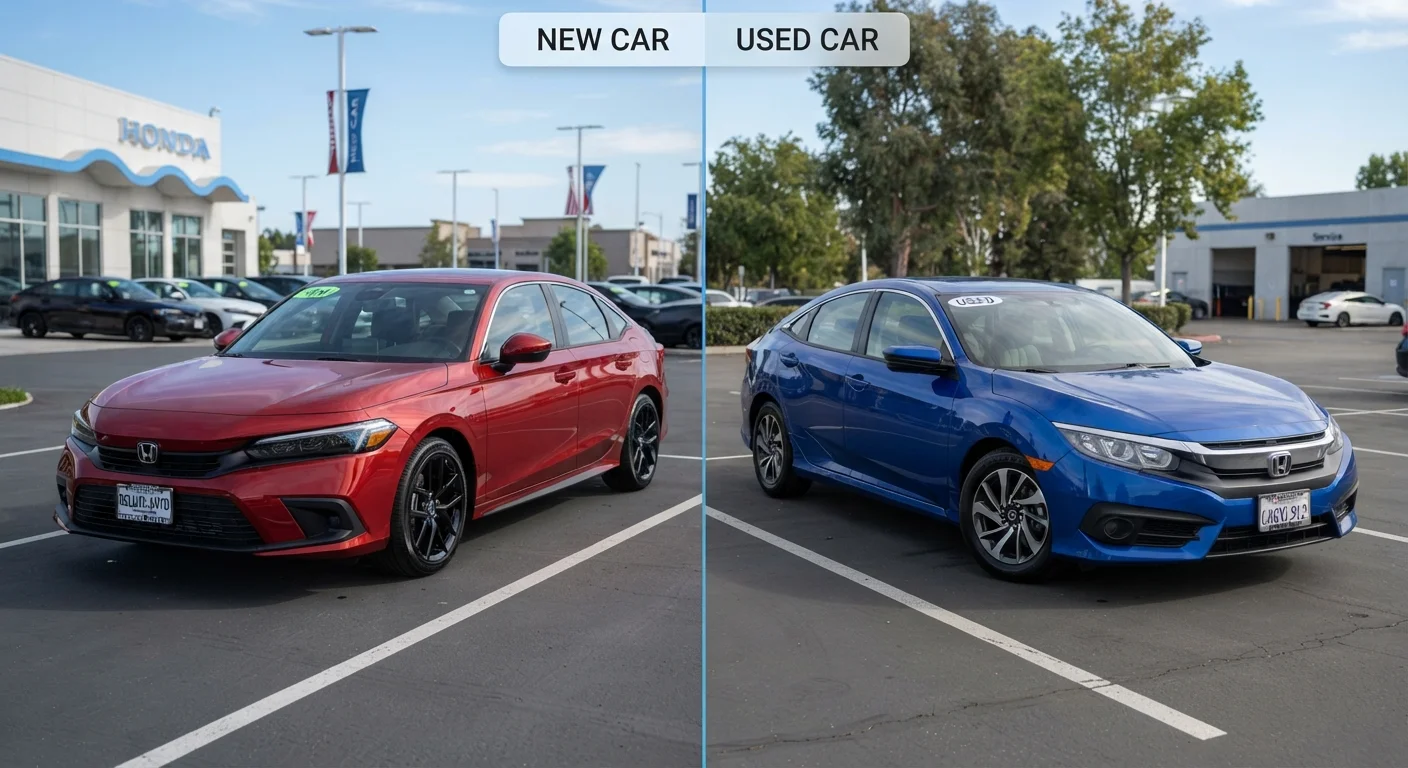
Buy used to skip the steepest drop
A two- to three-year-old vehicle has already absorbed the largest depreciation hit - typically 30-40% of original value - while potentially still having years of reliable life ahead. You're essentially letting the first owner absorb that loss. For a comprehensive comparison of what new versus used actually costs over time, see used vs. new cost breakdown.
Hold your car longer
Once you've cleared the steep initial drop, depreciation slows. Keeping a well-maintained car for eight or ten years spreads the original cost across more miles and years, reducing your average annual ownership expense. Keeping a car long-term versus upgrading frequently walks through how to weigh that decision honestly.
Watch your loan balance against vehicle value
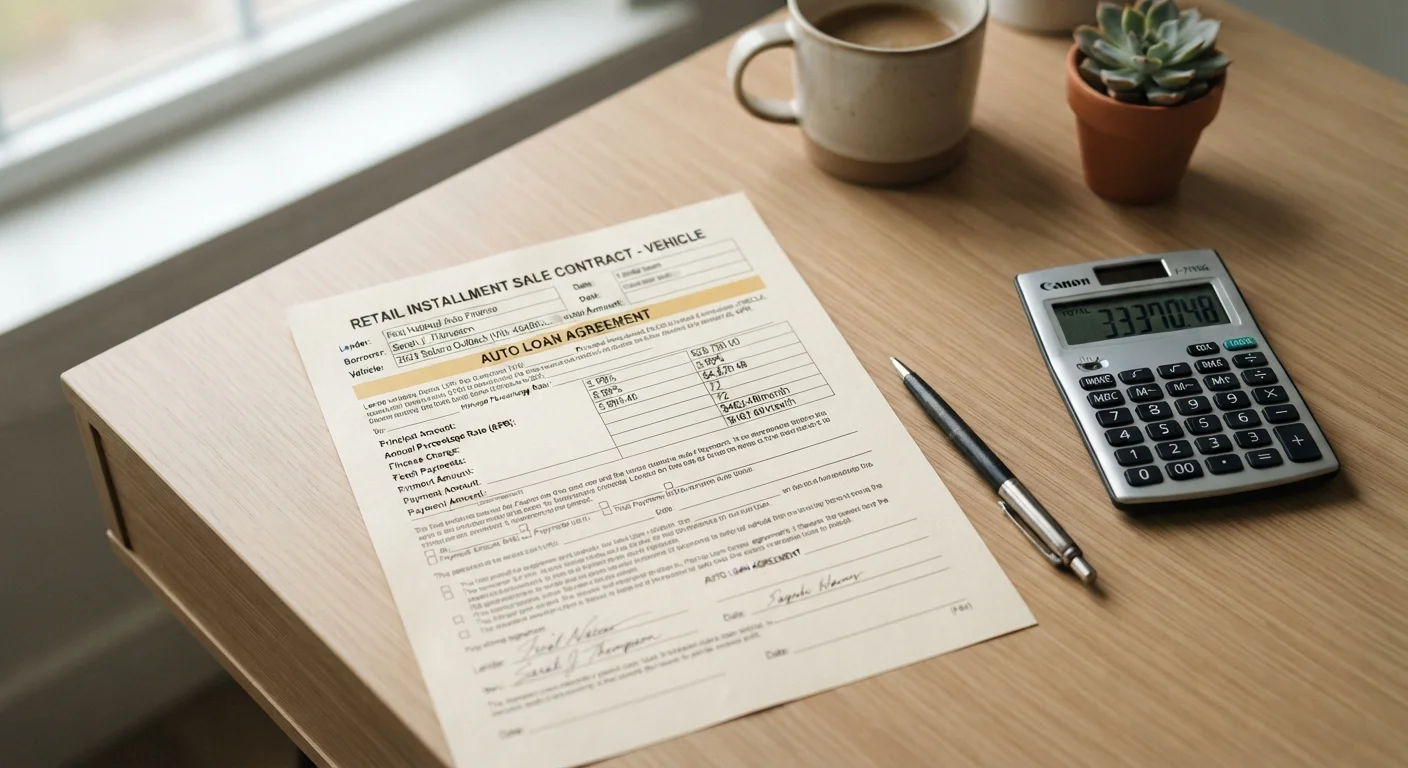
If you finance a vehicle and it depreciates faster than you're paying down the loan, you can end up owing more than the car is worth - a situation called being "upside-down" or "underwater." This creates real financial risk if you need to sell, refinance, or if the car is totaled. Keeping your loan term shorter and your down payment reasonable helps manage this exposure.
For a fuller picture of every major cost lever in car ownership, the complete guide to cutting car costs is a useful companion resource.