

The Core Problem: Outlet-Made Merchandise
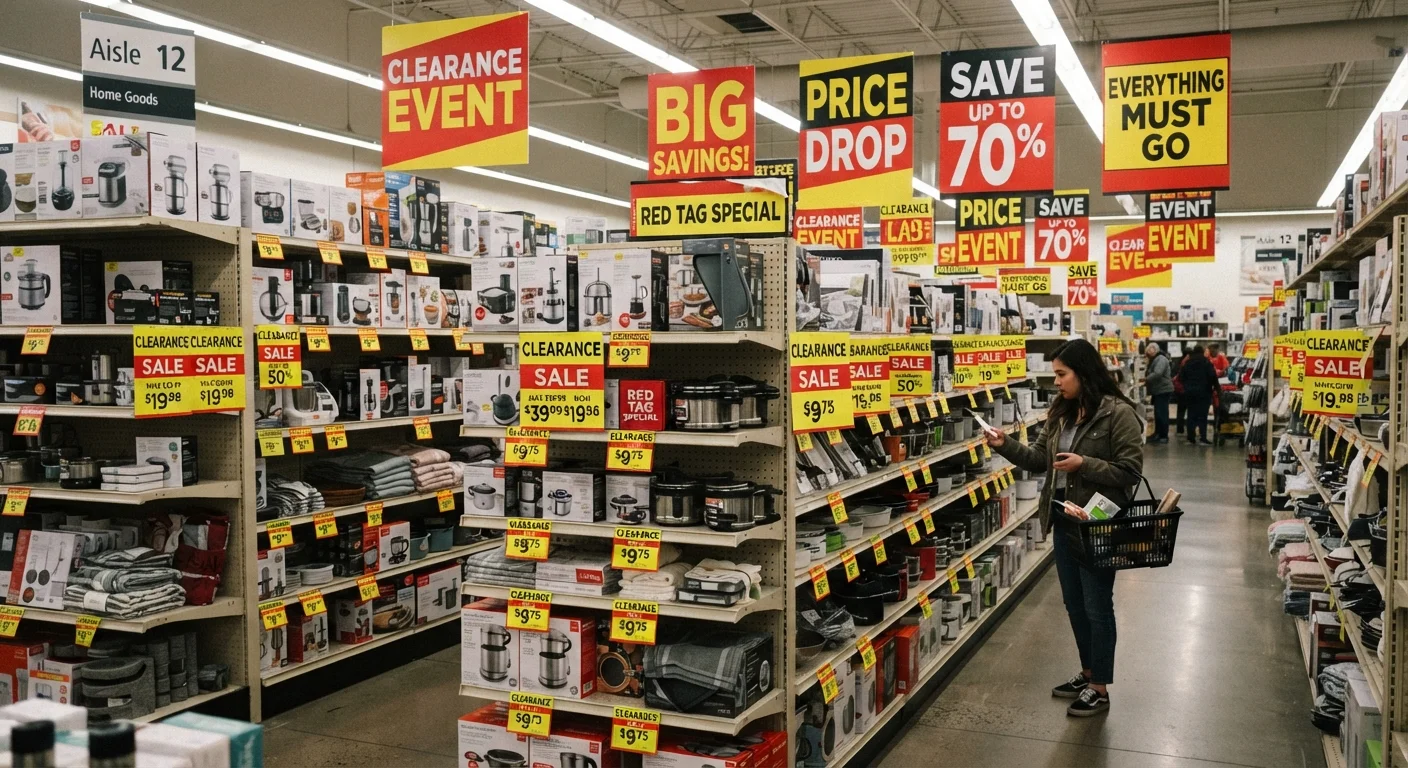
Walk into most major clothing or home goods outlet stores and you'll notice the product assortment feels slightly different from the brand's full-price locations - because it usually is. A large share of outlet inventory is manufactured expressly for outlet channels, often under the same brand name but using different materials, construction specs, or design standards than mainline products.
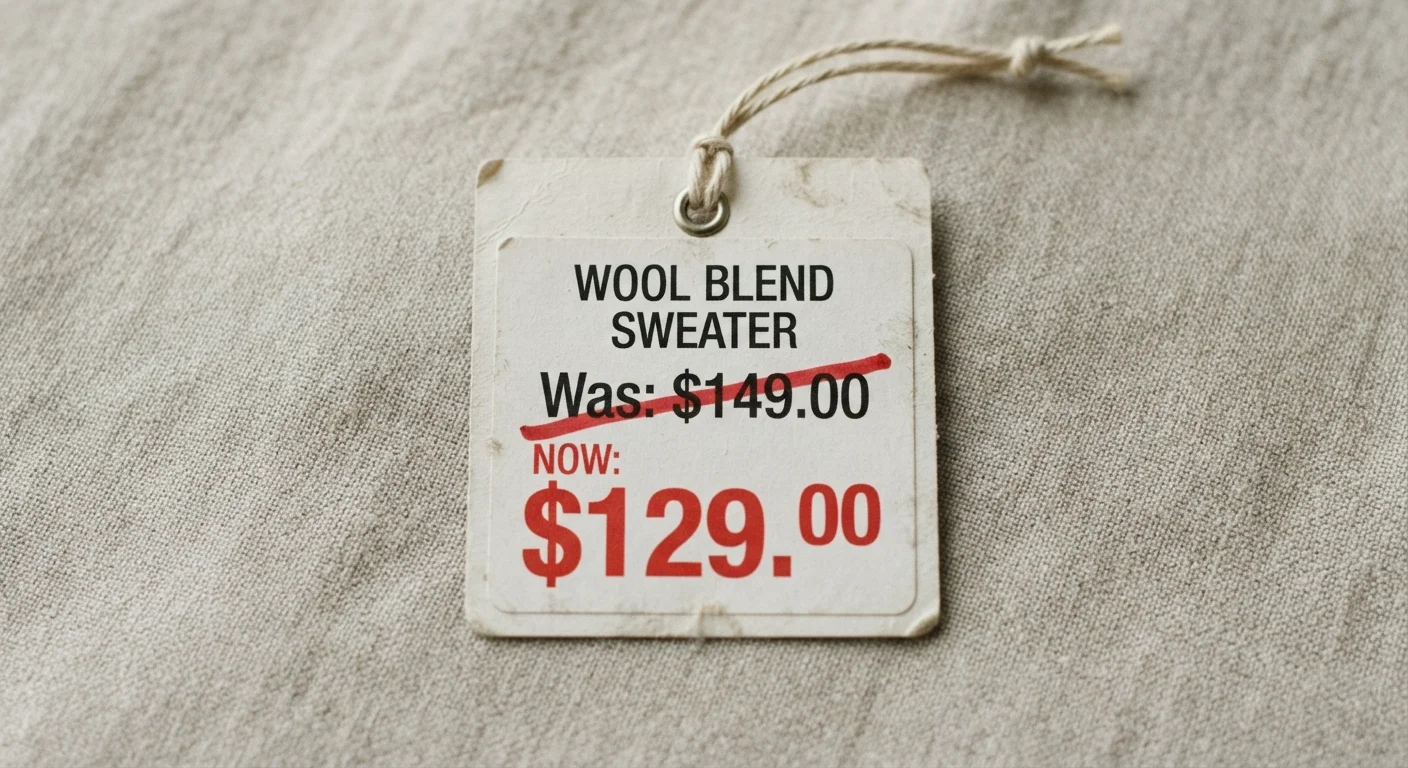
This practice is well-documented in consumer reporting. The Federal Trade Commission has noted that reference pricing - showing a "compare at" or "original" figure - can be misleading when the product was never actually sold at that higher price in a regular retail environment. If a jacket was always destined for the outlet and carries a "was $180" tag, there is no real $180 baseline to measure against.
Reference pricing inflates perceived discounts in mainstream retail too, but the outlet version of this tactic is especially hard to spot because the product itself is the evidence you'd need to verify the claim - and you can't compare it to something that may not exist on any mainline shelf.
FTC Rules on Reference Pricing
The Federal Trade Commission's Guides Against Deceptive Pricing state that a "former price" used in advertising should be the actual price at which the item was offered for a reasonably substantial period of time. When an outlet-exclusive product has never been sold at the "compare at" price shown, that tag may not meet this standard. Consumers who believe pricing is deceptive can file a complaint at ftc.gov.
When Outlet and Clearance Discounts Are Genuine
Not all outlet and clearance pricing is theater. Real savings appear in specific, identifiable circumstances:
- True overstock: When a retailer over-ordered a product that sold slower than forecast, genuine mainline inventory does reach outlet or clearance channels. These items typically carry the same model number and specs as the full-price version.
- End-of-season clearance: Seasonal products marked down to clear shelf space for new inventory represent authentic discounts, particularly in categories like apparel, outdoor gear, and seasonal home goods. Seasonal discount cycles are predictable once you learn them.
- Returns and open-box: Some online clearance listings are customer returns or open-box items priced below original retail. These are real markdowns, though condition varies.
The practical test: search the exact model or SKU number from the outlet tag online. If you can find the identical product at a mainline retailer with a matching description, the outlet price is directly comparable. If you can't find a match, that's a signal the product is outlet-exclusive.
~85%
Share of outlet inventory that is outlet-made
Consumer Reports and investigative retail journalism have consistently found that the majority of major outlet store inventory is manufactured specifically for those channels, not redirected from full-price stores.
Up to 60%
Typical "savings" claimed on outlet signage
Outlet stores commonly display discounts of 40-60% off a reference price, but those figures are often measured against an "original" price the product never carried in standard retail.
Pros and Cons at a Glance
Outlet and clearance shopping carries a genuine mix of potential benefits and structural pitfalls. Understanding both sides helps you calibrate expectations before you click or walk through the door.
Genuine overstock items at authentic discounts
True mainline overstock does appear at outlets and clearance channels, sometimes at meaningfully lower prices than regular retail. Verifying the model number confirms whether the discount is real.
Access to past-season styles at reduced prices
For shoppers who don't need the current season's inventory, end-of-season clearance can yield functional, quality items at honest markdowns.
Open-box and return items below retail
Online clearance sometimes lists customer returns or lightly used open-box products at genuine price reductions, particularly in electronics and appliances.
Lower entry price for premium brand categories
Even outlet-specific merchandise from quality-oriented brands may use better materials than a budget brand's mainline product at a similar price point.
Much inventory is made for outlets, not discounted
A substantial portion of outlet merchandise was never sold at a higher price anywhere. The "compare at" figure on the tag may have no basis in actual retail transactions.
Quality specs frequently differ from mainline products
Outlet-specific items often use lighter materials, simplified construction, or fewer features than the brand's flagship version - differences that aren't always obvious at first glance.
Reference pricing inflates the apparent discount
Showing a high "original" price next to a lower outlet price creates a perception of savings that may not reflect any real price reduction on a comparable product.
Comparison shopping is structurally difficult
Because outlet-exclusive products don't appear in standard retail searches, consumers have no external benchmark to verify whether the outlet price is actually competitive.
Urgency tactics accelerate poor decisions
Limited-time and limited-stock messaging is common in both physical outlets and online clearance tabs, discouraging the deliberate comparison that would reveal whether a deal is real.
Online Clearance: The Same Tricks, Faster
Online clearance tabs compress all the complexity of outlet shopping into a faster, lower-friction environment - which makes the psychological traps more effective, not less. Countdown timers, "limited stock" labels, and inflated "original" prices are common. The difference between a clearance label and a genuine markdown matters here: clearance often means the retailer wants to move inventory, not that the price is the lowest it has ever been or will be.
Before purchasing from an online clearance section, run a quick price-history check using a browser extension or price-tracking tool. These tools pull historical pricing data and reveal whether the "original" price shown was ever actually charged. You may find that the "clearance" price has been the standard price for months.
It's also worth comparing the clearance item against everyday low-price retailers in the same category. A clearance price at a premium brand may still exceed the standard price at a value-oriented competitor for a functionally equivalent product.
How to Shop Outlets and Clearance Without Getting Burned
A few consistent habits reduce the gap between perceived and actual savings:
- Know the mainline product before you go. If you already know what a brand's full-price version of an item looks like - fabric weight, stitching, hardware - you can evaluate the outlet version accurately on the spot.
- Check for outlet-specific indicators. Some brands stamp "made for outlet" or similar language inside garments or on product packaging. Look for it.
- Calculate cost-per-use, not just sticker price. A lower-quality outlet item that wears out in half the time is not a deal. Value is determined by what you get relative to what you pay, not by the size of the markdown.
- Resist urgency framing. "Only 3 left" and "today only" messaging is designed to prevent comparison shopping. Slow down. Common shopping myths like "sale price means lowest price" cost real money when acted on reflexively.
Outlet and clearance channels aren't inherently bad places to shop - they just require a higher level of scrutiny than the marketing around them typically encourages.