
The Bulk Buying Illusion
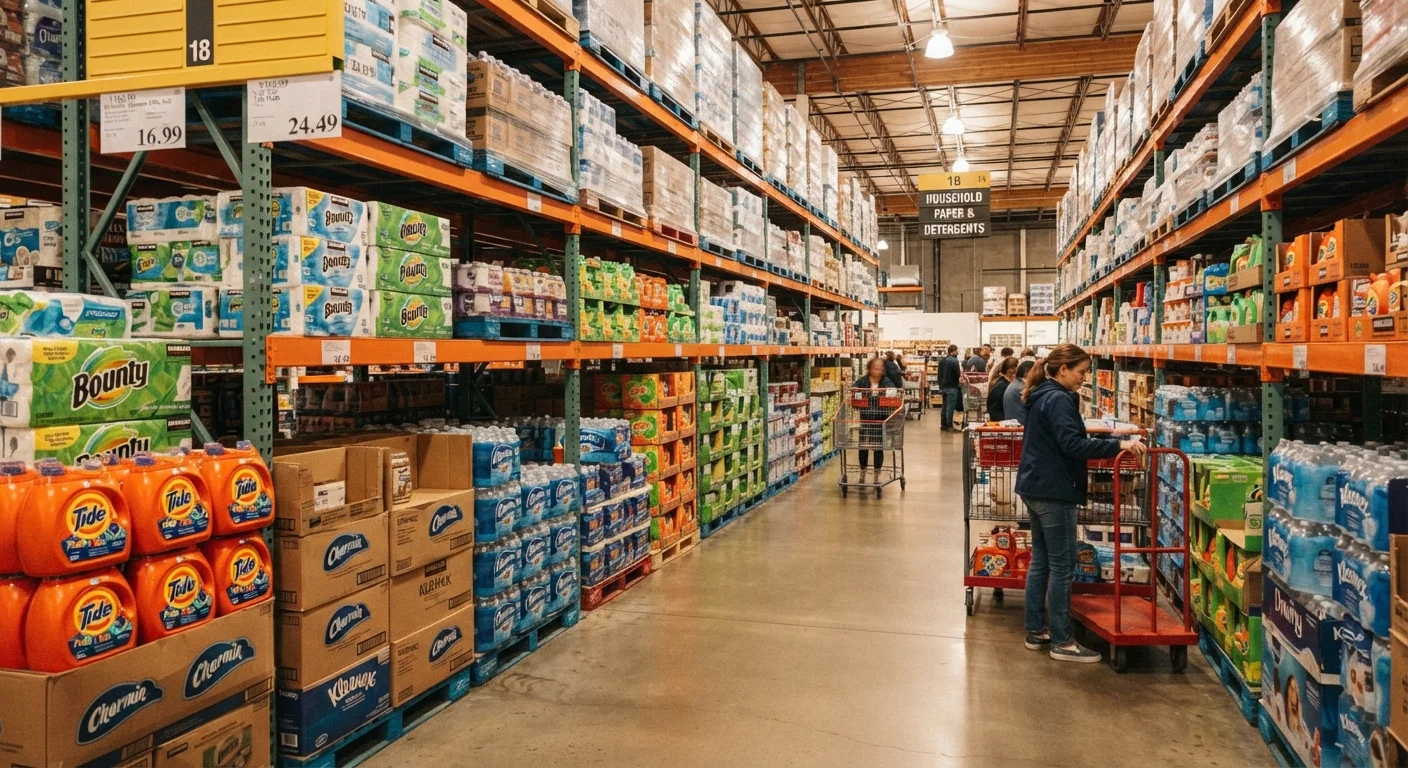
Walking past a towering display of 96-roll toilet paper or a five-pound tub of peanut butter, the savings feel obvious. Bigger package, lower price per unit - case closed, right? Not quite. Bulk buying is one of retail's most effective psychological triggers, and it works because the logic is partially correct: unit costs often do drop with volume. The problem is that unit price is only one variable in a much larger equation.
The true cost of any bulk purchase includes what you paid upfront, what you'll lose to spoilage or waste, how much physical space it occupies, and - for warehouse club shoppers - a pro-rated slice of your annual membership fee. Once those factors are accounted for, the deal frequently looks much thinner. This article walks through the most common mistakes shoppers make when evaluating bulk offers and how to sidestep each one. For a broader framework on separating perceived value from real value, see our complete guide to smarter spending decisions.
Common Mistakes When Buying in Bulk
These errors don't just apply to warehouse clubs - they show up at grocery stores, online retailers, and subscription services that reward larger quantities. Recognizing them is the first step to buying smarter.
Ignoring expiry dates and product shelf life when buying perishable or semi-perishable goods in large quantities.
Why it happens: Shoppers focus on the attractive unit price and mentally project their best-case consumption rate, underestimating how long the product will actually sit unused.
Failing to compare the bulk unit price against the regular-store unit price on the same item.
Why it happens: The bulk package's total price is lower than buying the equivalent in several small packages at the same store, which makes it feel like a saving - even when a standard grocery store sells the identical product cheaper per unit.
Overlooking the upfront cash-flow impact of a large bulk purchase on a tight monthly budget.
Why it happens: The long-run savings calculation is correct in theory, but it ignores the real cost of tying up $80 in paper towels when that money could have covered a more pressing expense.
Not accounting for the annual membership fee when calculating savings at warehouse clubs.
Why it happens: The membership fee feels like a sunk cost after it's paid, so shoppers mentally exclude it from individual purchase comparisons.
Buying bulk quantities of items your household doesn't use consistently, lured by a temporarily low price.
Why it happens: Sale pricing creates urgency, and the low per-unit cost makes it feel irrational not to stock up - even on items bought only occasionally.
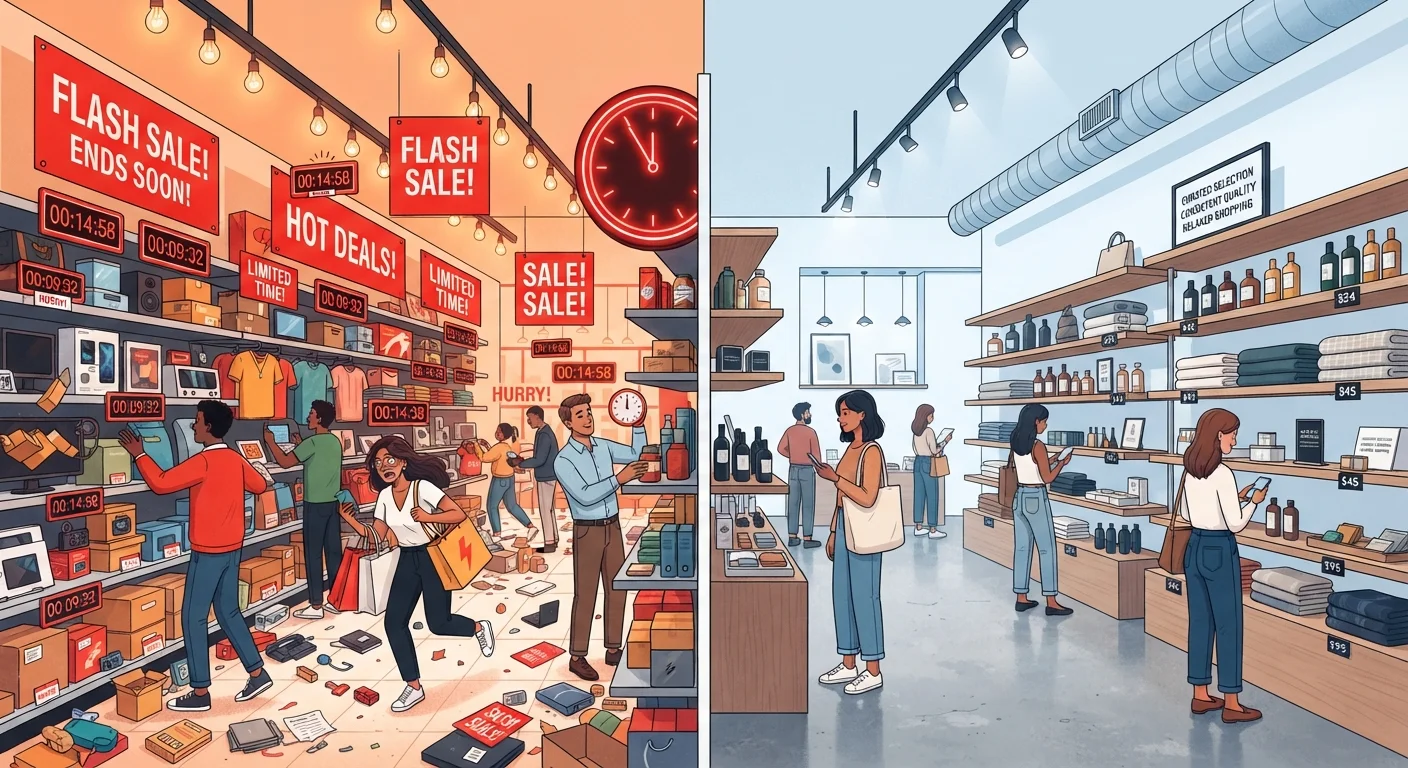
If you want to see how bulk pricing compares to other deal formats, our analysis of flash sales vs. everyday low pricing breaks down which retail strategies genuinely benefit shoppers over time.
How to Run a Quick Bulk-Buy Calculation
~$65
Average U.S. household food waste per month
The USDA estimates American households discard between 30-40% of the food supply, translating to significant monthly dollar losses that bulk overbuying can amplify.
30-40%
Share of U.S. food supply wasted at consumer level
According to USDA Economic Research Service estimates, this waste figure underscores why buying more than you can realistically consume works against savings goals.
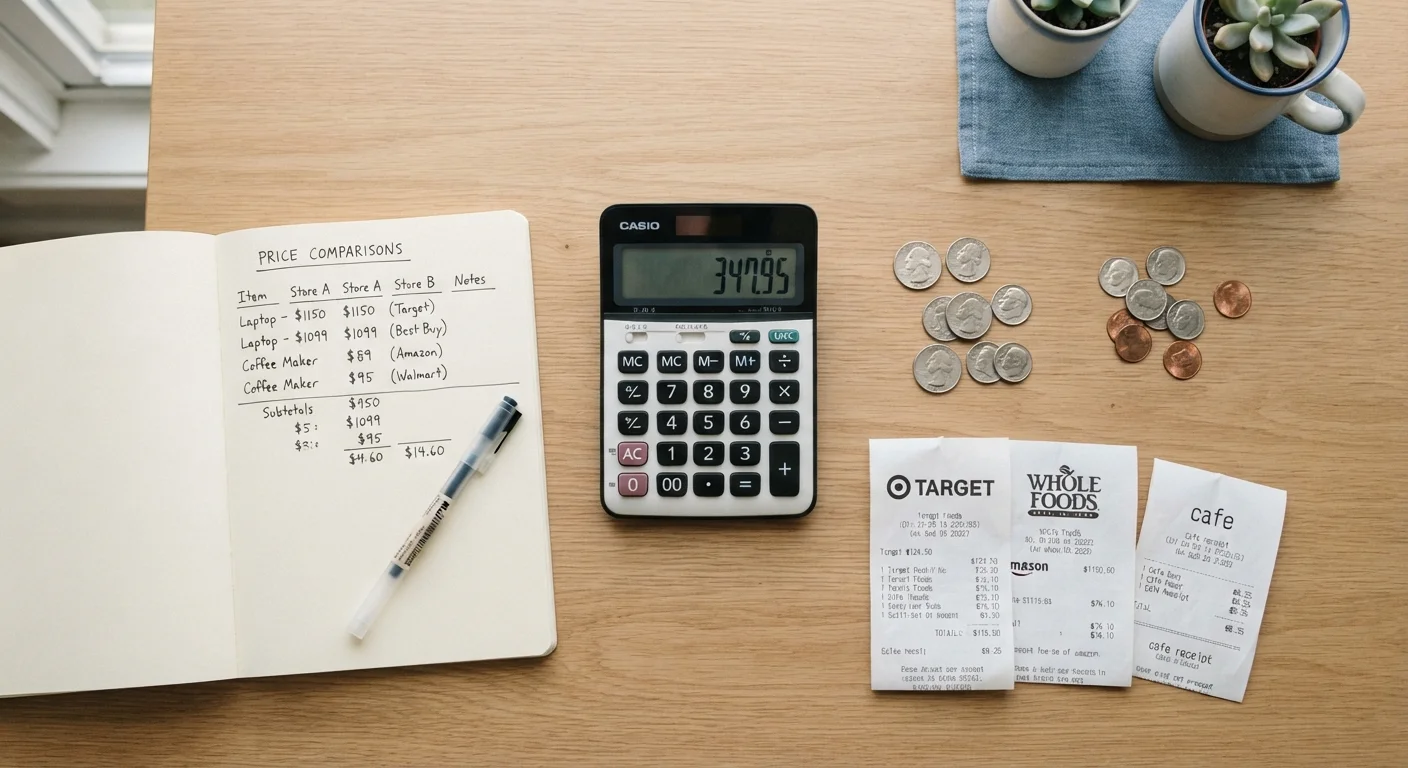
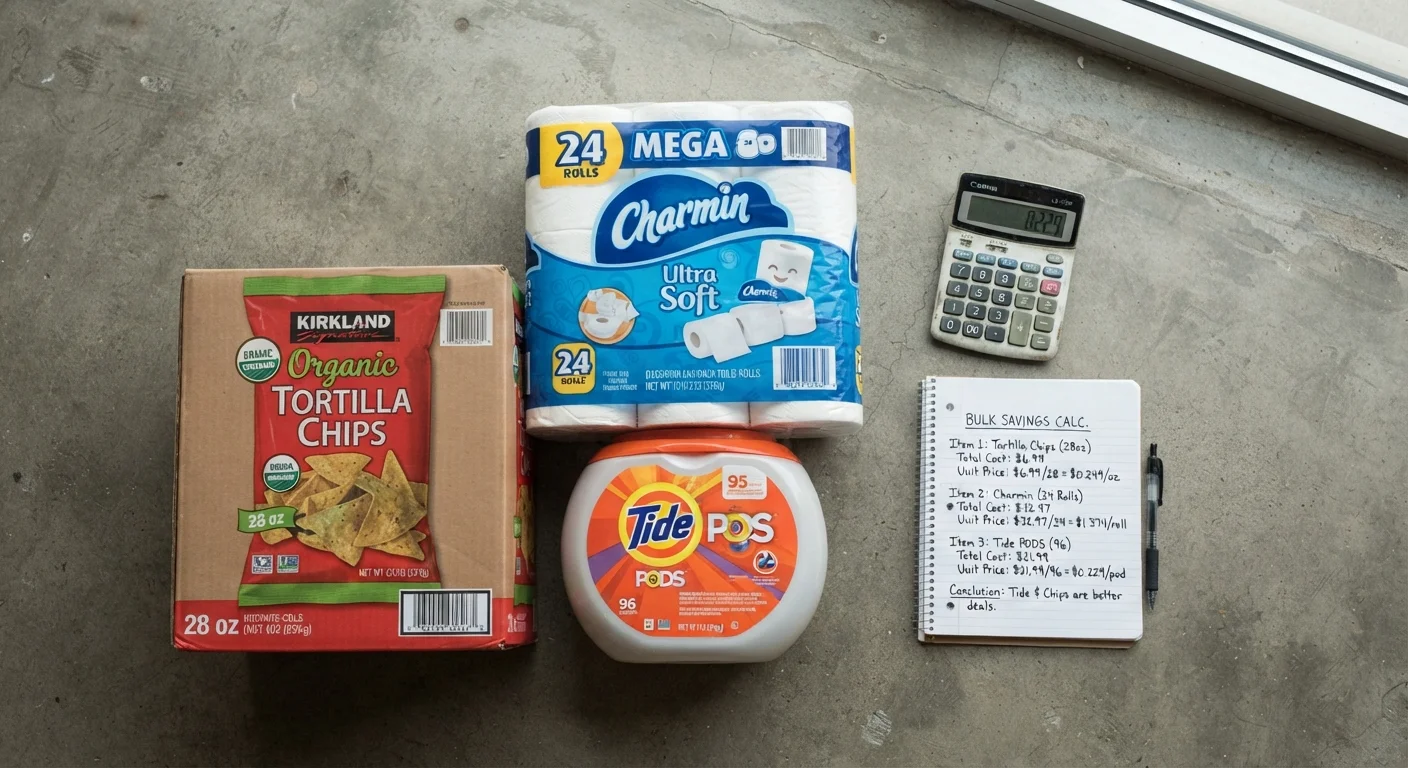
Before committing to a large purchase, run a three-part check. First, calculate the true unit price - divide the total cost by the number of units, servings, or ounces. Compare this against the standard-size version at a regular grocery store, not the warehouse club's own smaller option.
Second, estimate your realistic consumption rate. If your household uses one bottle of olive oil per month and the bulk package holds six months' worth, you're looking at potential quality degradation well before you finish it - olive oil's flavor peak is typically within 18 months of harvest, and much less once opened. Third, factor in the hidden costs: storage containers, extra freezer space, or any portion of a membership fee attributable to this purchase.
A balanced look at exactly when the math favors bulk - and when it doesn't - is covered in depth in The Trade-offs of Buying in Bulk. And if bulk pricing feels like a deal but still leaves you uncertain, it's worth asking whether the same instinct applies elsewhere - our piece on why discounted prices aren't always real savings explains how retailers manufacture the perception of value.
Bulk Isn't Always Cheaper - Check the Label
Some retailers deliberately price smaller packages at a lower unit cost than the bulk equivalent, banking on shoppers assuming bigger always means better value. Always verify the price-per-unit figure on the shelf tag for both sizes before deciding. If a shelf tag doesn't show unit pricing, do the division yourself on your phone before putting the item in your cart.