
Why Generic Pricing Differs From Name-Brand Pricing
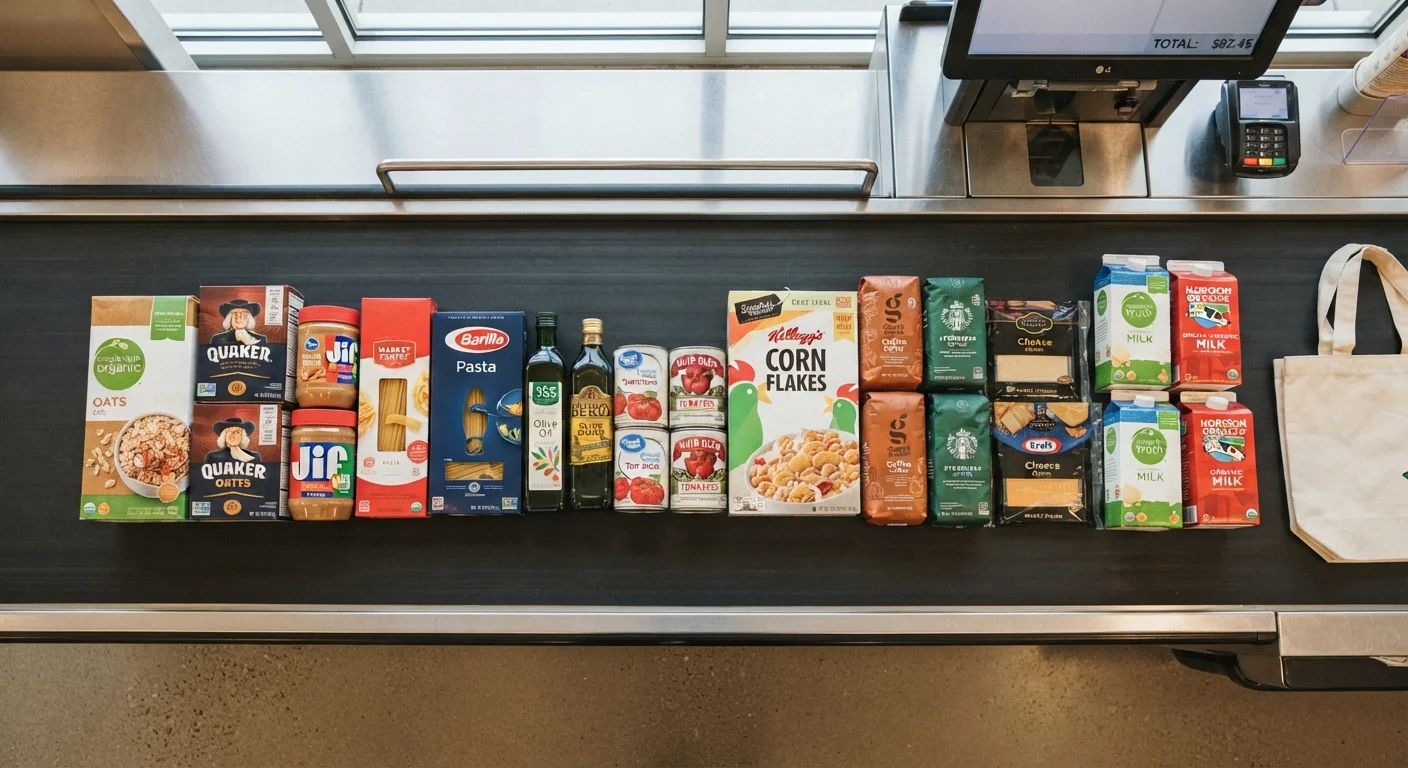
The price gap between a store-brand and a name-brand product isn't usually about what's inside the package - it's largely about what surrounds it. Name-brand manufacturers spend heavily on national advertising, branded packaging, and retailer placement fees. Generic and private-label products skip most of those costs, which is why the savings flow to you at checkout.
In many cases, the same food manufacturer produces both the name-brand and store-brand version on the same production line, then packages them differently. This is particularly common for canned goods, dairy, frozen vegetables, and dry pantry staples. Understanding this dynamic is central to making genuinely smarter spending decisions rather than just chasing the lowest sticker price.
That said, co-manufacturing isn't universal. Some name-brand products do use proprietary recipes or processes that make a real difference. The goal is to know which category is which.
Where Generic Almost Always Wins
The following categories are safe bets for generic substitution. The nutritional profiles and functional qualities are nearly indistinguishable from their branded counterparts.
- Pantry dry goods: All-purpose flour, granulated sugar, rolled oats, white and brown rice, dried pasta, and table salt are commodity products regulated to consistent standards. There is no meaningful difference.
- Canned and jarred goods: Canned beans, diced tomatoes, chickpeas, and lentils are typically the same product with different labels. Compare sodium content, but otherwise the generic version performs identically in cooking.
- Frozen vegetables and fruit: Frozen produce is harvested and flash-frozen quickly, preserving nutrients. Store-brand frozen peas or broccoli florets are nutritionally equivalent to name-brand options.
- Baking ingredients: Baking powder, baking soda, cornstarch, vanilla extract (imitation), and cocoa powder show minimal variation between tiers.
- Spices and dried herbs: Grocery store name-brand spices carry a significant markup for essentially the same dried product. Generic or bulk-bin spices are the sharpest value in the entire store.
- Milk and eggs: Both are subject to federal grading standards. A store-brand large egg or gallon of whole milk is equivalent to a name-brand version.
| Category | Generic | Name-Brand | |
|---|---|---|---|
| Flour, sugar, salt | Identical quality, lower cost | Same product, higher price | |
| Canned beans & tomatoes | Nutritionally equivalent | Minimal added value | |
| Frozen vegetables | Same nutrient profile | No meaningful advantage | |
| Spices & dried herbs | Strong value, same flavor | Significant markup for equivalent product | |
| Aged / specialty cheese | Fine for melting uses | May differ in flavor intensity | |
| Mayonnaise | Worth a taste trial | Texture may be preferred by some | |
| Prepared pasta sauce | Varies - read labels | Quality also varies; not always worth premium |
For a broader look at how this logic applies beyond food, see where the quality gap between generic and name-brand is real and where it isn't across other product categories.
Where Name-Brand May Still Be Worth It
There are genuine exceptions - product categories where formulation, fat content, aging, or processing creates a detectable difference that can affect how food tastes or performs in a recipe.
- Aged and specialty cheeses: Standard shredded mozzarella is interchangeable, but aged parmesan, sharp cheddar, or imported varieties can differ meaningfully in flavor intensity. Buy generic for melting applications; evaluate by taste for dishes where cheese is the star.
- Mayonnaise and certain condiments: Emulsification ratios and oil type affect texture noticeably. Some cooks find store-brand mayonnaise thinner or less stable. Worth a side-by-side trial before committing.
- Prepared pasta sauces: Sugar content, herb balance, and tomato quality vary considerably across price tiers. Read ingredient lists - some generic sauces are excellent, others are not. This is a category to trial rather than assume.
- Butter: Higher butterfat content in some name-brand butters produces better results in laminated pastry and croissants. For general cooking and spreading, generic butter performs fine.
Do a Side-by-Side Taste Test
Before permanently switching any prepared product, buy one of each and taste them together. Your palate is the most reliable judge. Most shoppers find they can't distinguish generics in cooked dishes, but preferences in condiments and spreads can be more personal. One trial run eliminates guesswork entirely.
The short answer: the more a product is eaten unmodified or depends on a specific flavor profile, the more worth doing a taste test first. The more it's cooked into something larger, the less the brand distinction matters.
A Practical Strategy for Switching
Making a full pantry switch to generics all at once isn't necessary or especially useful. A targeted approach produces the most savings with the least friction.
- Start with guaranteed wins: Switch dry staples, canned goods, frozen vegetables, eggs, and milk immediately. These changes require no taste adjustment and deliver instant savings.
- Trial one category at a time: Pick one prepared or semi-processed product per shopping trip to test the store-brand version. If it works, keep it. If not, go back.
- Compare ingredient labels, not packaging: If the first three ingredients are identical, the products will likely perform identically. Packaging graphics and font choices tell you nothing useful.
- Track the savings: Even switching half your cart to generics can meaningfully reduce spending over a month. The smarter spending habits that compound most are the small, consistent ones.
~25%
Average savings on store-brand vs. name-brand groceries
Consumer research consistently shows private-label products average roughly 25% less than their national-brand equivalents across comparable categories.
40%+
Share of US grocery sales that are private-label
Private-label products have grown steadily in market share as shoppers increasingly scrutinize per-unit costs.
If you're navigating unfamiliar store layouts - say, at an international market or while traveling - the same generic-first logic applies. Our piece on shopping at grocery stores abroad covers how to apply budget-first thinking in unfamiliar contexts.
This article provides general consumer education about grocery purchasing decisions and is not a substitute for personalized nutrition or dietary advice. Consult a registered dietitian for guidance tailored to your health needs.