
Why Grocery Stores Are a Traveler's Most Underused Tool
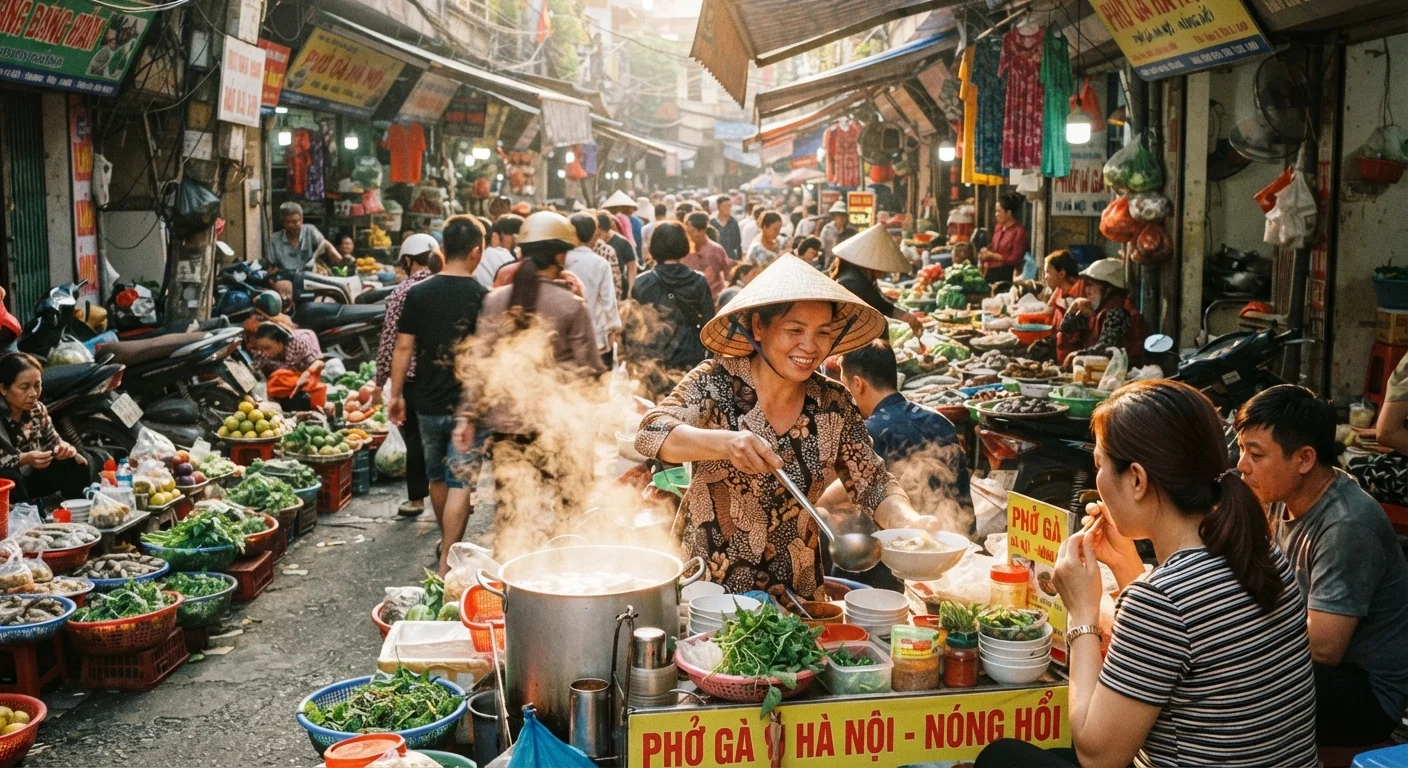
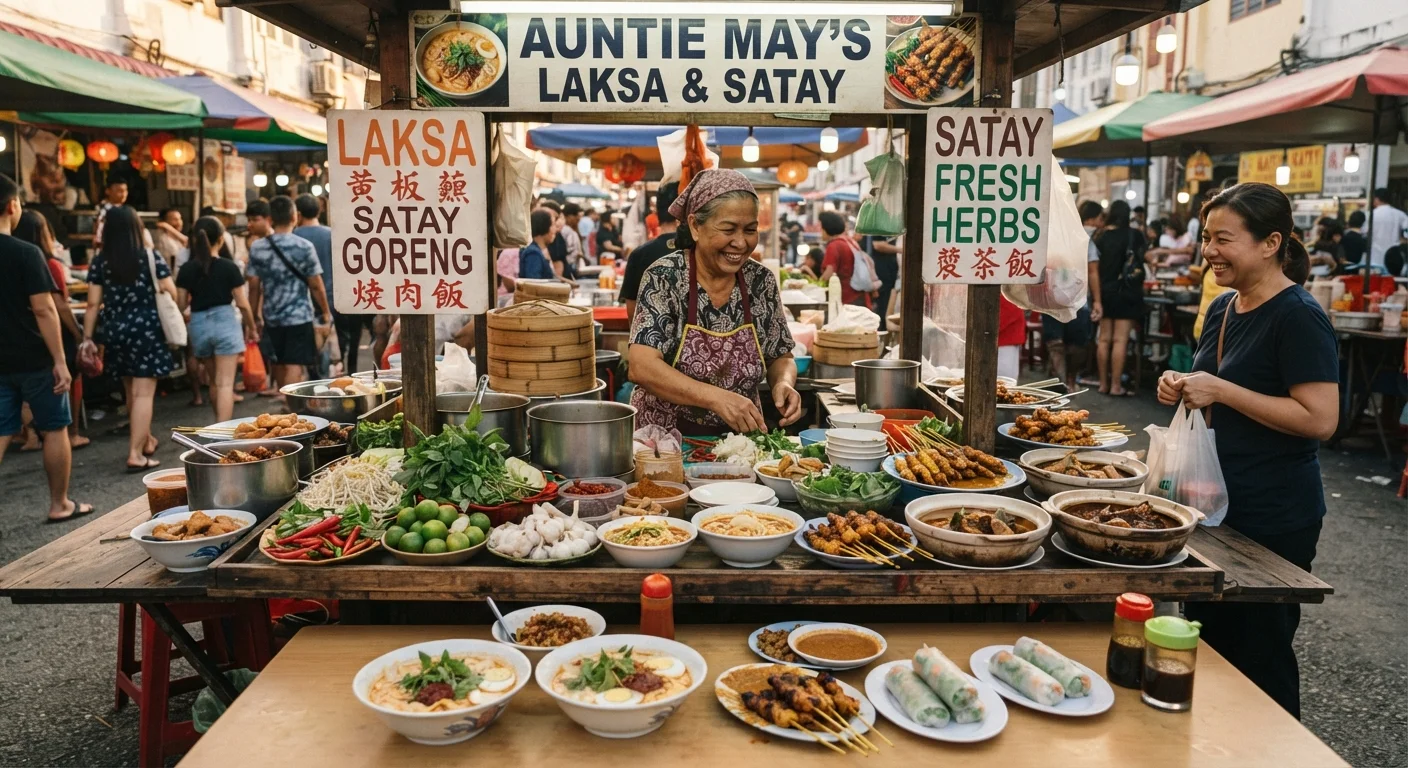
Most budget travel advice focuses on finding cheap restaurants or hitting street food markets. These are genuinely useful strategies — and you can explore them in depth at our guide to markets and local canteens. But the single most consistent way to cut food spend abroad is to walk past those venues a few times a day and shop where locals actually buy ingredients: the neighborhood supermarket, the corner grocery, or the urban hypermarket.
The cost gap is substantial. A sit-down meal in a mid-range restaurant in most of Europe, Southeast Asia, or Latin America can run $8–$20 per person. A supermarket lunch built from bread, cheese, cured meat, fruit, and a drink often costs $3–$6 total — using the same quality ingredients found in those same restaurants. Multiply that gap across three meals and a week of travel, and you're looking at meaningful savings without giving up eating well.
This isn't about surviving on instant noodles. It's about using the same shops that local residents use every single day.
50–70%
Potential daily food cost reduction vs. restaurant-only eating
Based on general traveler cost comparisons between supermarket self-catering and mid-range restaurant meals across common tourist destinations in Europe and Southeast Asia.
30–40%
Typical savings on store-brand vs. name-brand supermarket staples
Commonly observed price differentials for own-label products across major European supermarket chains, based on shelf-price comparisons.
Practices That Make Supermarket Shopping Work Abroad
Navigating an unfamiliar store in a foreign language can feel disorienting at first. These practices make it manageable and genuinely rewarding.
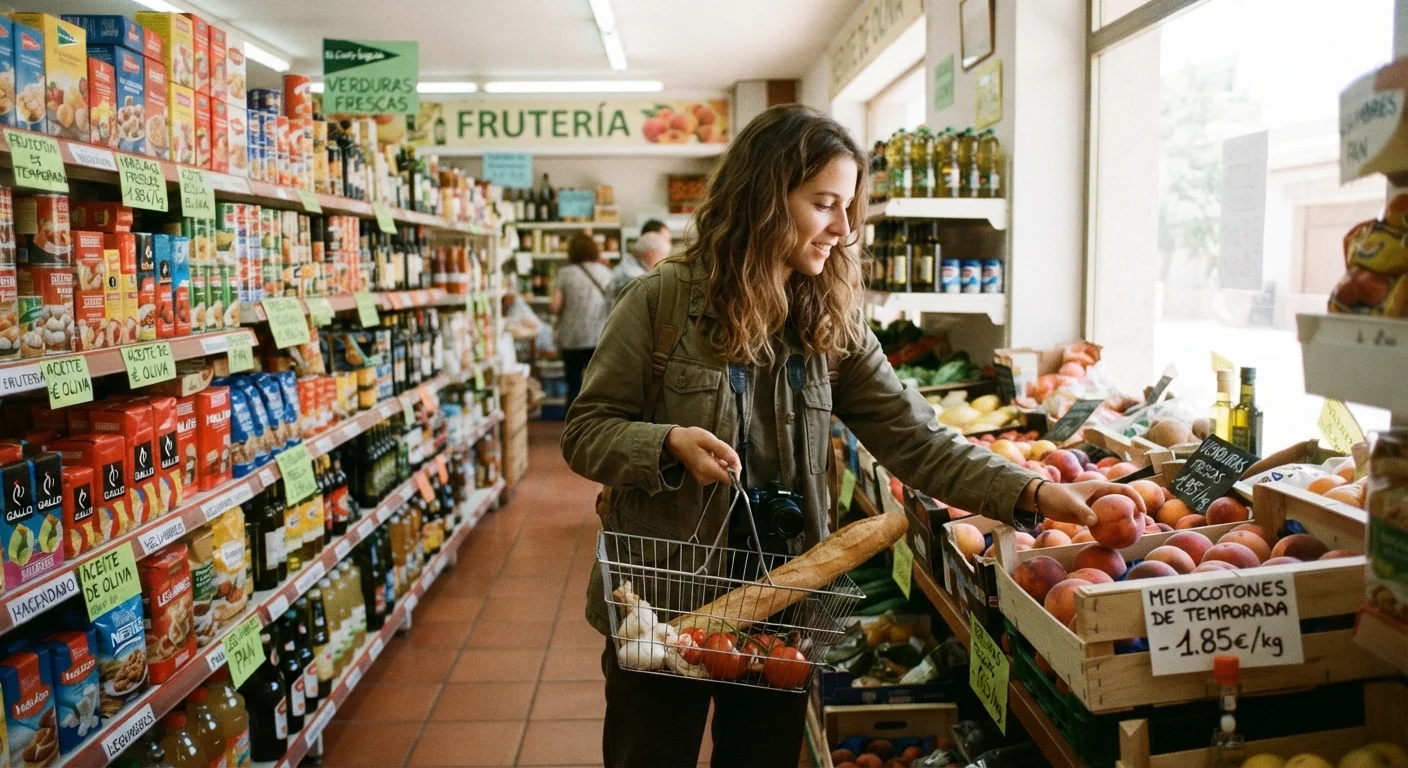
Go to the produce section first and buy in-season, local items
Produce pricing in supermarkets reflects what's actually grown nearby and in season — which means the cheapest items are almost always the freshest and most culturally relevant. Buying strawberries out of season in a country that doesn't grow them will cost more and taste worse than buying whatever fruit is piled high near the entrance.
Default to store-brand or own-label products for staples
Most countries have supermarket own-label lines that undercut name brands by 20–40% on items like bread, yogurt, pasta, oil, and canned goods. Quality on staples is generally comparable. The same logic that applies to shopping at home holds abroad — and our guide on generic vs. name-brand grocery items explains where the difference actually matters.
Check the prepared foods and deli counters for ready-to-eat options
Many supermarkets in Europe, Asia, and South America maintain hot food counters, rotisserie sections, or refrigerated prepared meals sold by weight or as fixed portions. These are aimed at local working adults who want a real meal quickly — meaning they're priced for that market, not for tourists.
Learn the unit price label system in each country
Most supermarkets display a price per kilogram or per 100g alongside the shelf price, but formatting varies by country. Understanding this label lets you compare products of different sizes accurately and avoid paying a packaging premium for smaller portions.
Visit discount sections and end-of-day markdowns
Supermarkets in most countries reduce prices on bakery items, prepared foods, and short-dated products later in the day — typically in the late afternoon or early evening. These markdowns can reach 30–50% off and the food is perfectly good to eat that day.
Use a basket, not a cart, to control how much you buy
Carrying a basket imposes a natural physical limit on how much you can purchase — useful when you're traveling with limited luggage space and no way to store large quantities of food. It also reduces the temptation to browse and add items you won't realistically use.
Timing, Habits, and Finding the Right Store
Not all grocery shopping trips are equal. A few tactical choices around when and where you shop have a real effect on what you spend and what you find.
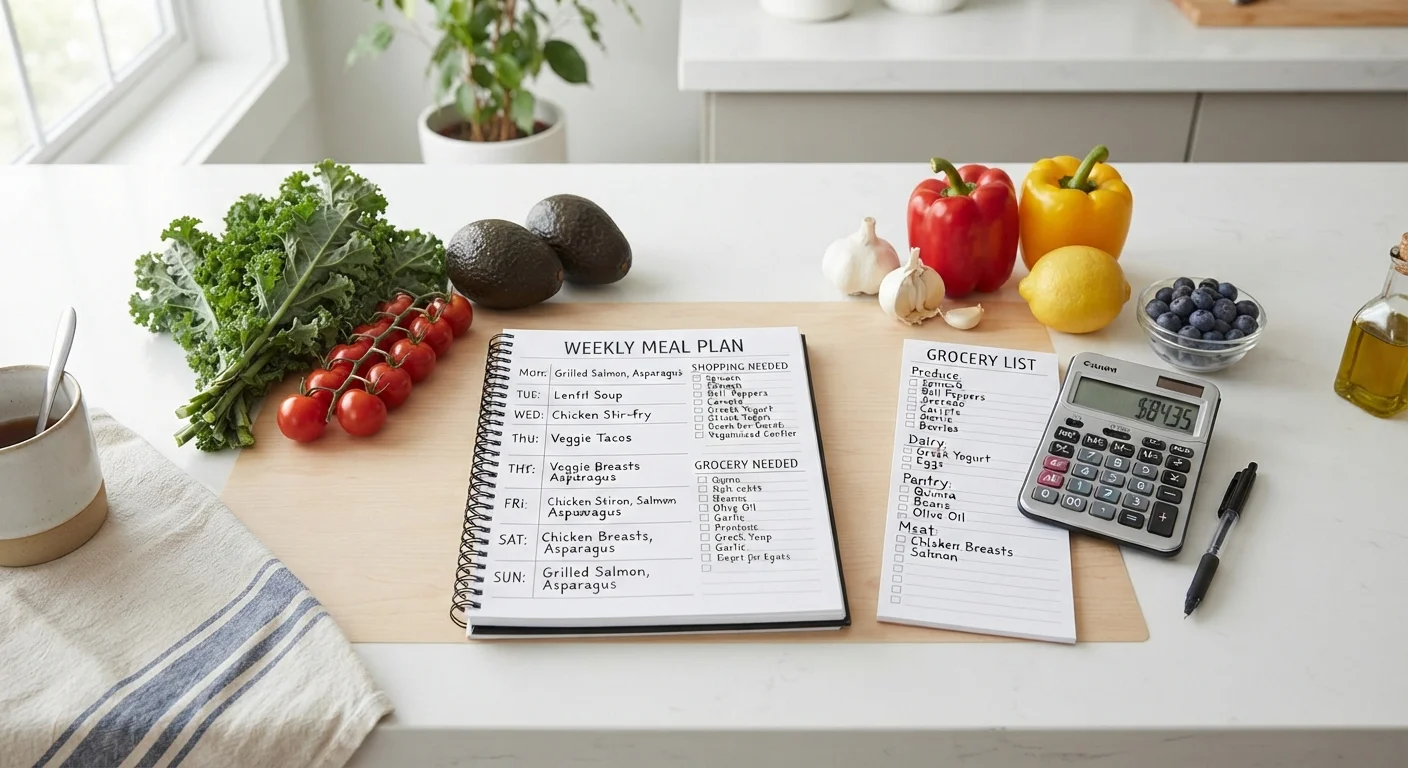
For longer trips, it's worth thinking about grocery shopping as a structured habit rather than a last-resort backup. Research from meal planning studies consistently shows that people who shop with even a rough plan spend less and waste less — a principle that applies just as clearly abroad as at home. See our breakdown of planned vs. spontaneous grocery shopping for the supporting detail.
If you want to understand what a realistic daily food budget actually looks like when you combine supermarket shopping with occasional local meals, our region-by-region breakdown of eating on $10 a day gives honest, grounded numbers.
What to Do Without a Kitchen
You don't need a hostel kitchen or apartment rental to benefit from supermarket shopping. Shelf-stable items (crackers, nut butters, dried fruit, canned fish with pull tabs), fresh fruit, yogurt pots, and prepared deli items all require zero cooking. A small travel utensil set — spork, pocket knife, and a reusable container — covers most situations. Many supermarkets also have seating areas where you can eat on-site.
Balancing Supermarket Meals with the Full Travel Experience
Eating exclusively from supermarkets on every trip is neither necessary nor always desirable. Food is a genuine part of how you experience a place, and sitting down in a local restaurant or trying a street dish has cultural value that doesn't show up in a spending spreadsheet. The goal isn't zero restaurant meals — it's using supermarkets strategically to offset the cost of the meals that do matter.
A practical split for most travelers: breakfast and lunch from the supermarket, dinner at a local restaurant a few times a week. This approach consistently keeps daily food spend well below what restaurant-only travelers pay while still leaving room for authentic food experiences. For an honest look at what happens when travelers push food budgets to extremes, our piece on the trade-offs of extreme food budgeting is worth reading before you set your own limits.
The broader habit of shopping smarter — buying store-brand items, checking unit prices, avoiding packaging premiums — applies equally at home. Our smarter spending habits hub covers those principles in detail if you want to carry the discipline beyond your travels.
This article provides general travel and budgeting information only. Prices and availability vary by destination and change over time; verify current conditions before traveling. For safety- or entry-related questions, consult official government and provider sources.