
Why Protein Costs More Than It Should - And How to Fix That
For most Americans, meat is the first thing that comes to mind when someone says "protein." It's also often the single most expensive line item in a weekly grocery bill. Chicken breasts, ground beef, and salmon fillets can run $5 to $12 per pound or more - and that cost adds up fast when you're feeding yourself (or a family) multiple times a day, every day of the week.
The good news: protein is protein. Your body doesn't care whether it came from a $15 steak or a $1.20 can of chickpeas. What matters is that you're getting adequate amounts of essential amino acids - and most budget-friendly protein sources, especially when combined across the week, can absolutely deliver that.
As we've argued before, nutritious eating doesn't require a premium grocery bill. Nowhere is that truer than with protein. Below are seven of the most cost-effective protein sources available in US grocery stores, along with practical tips for working each one into your weekly rotation.
Eggs
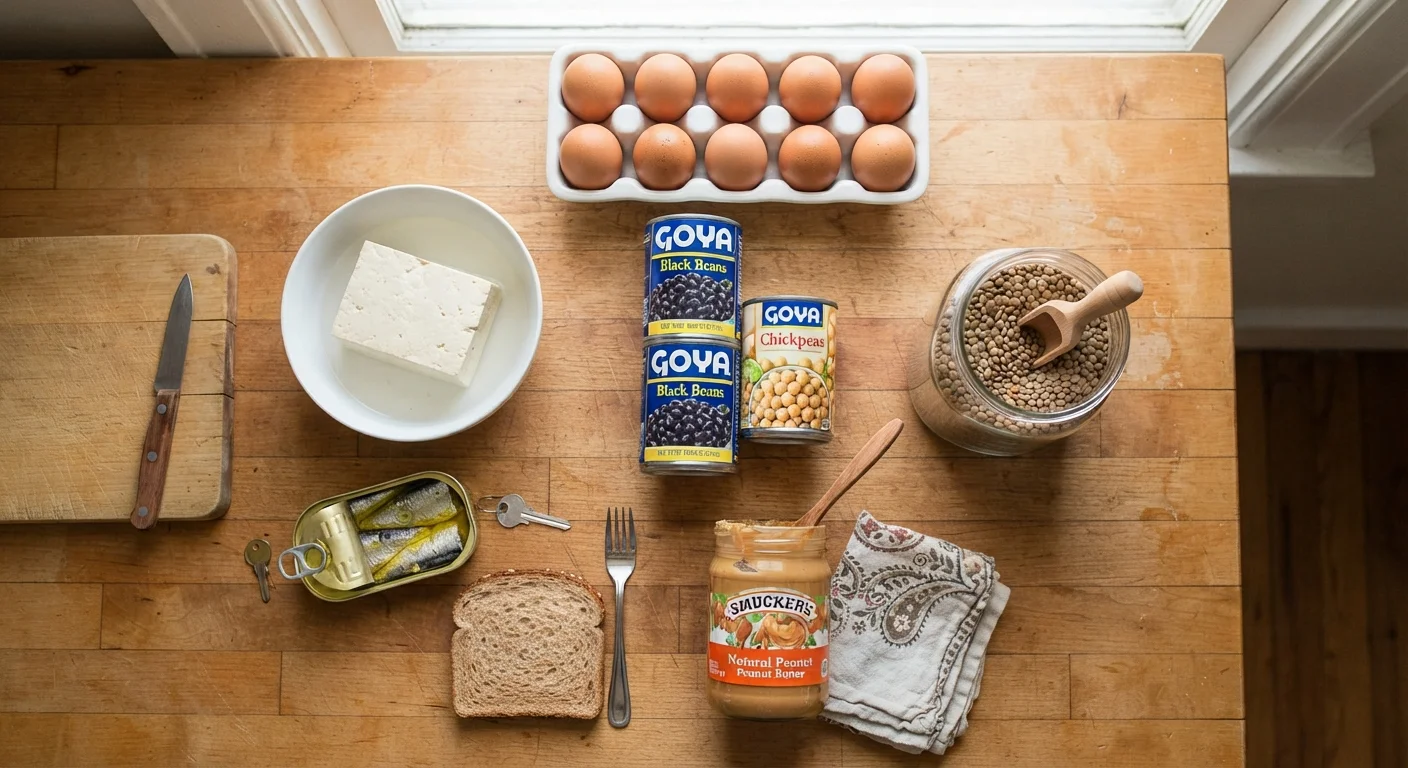
Eggs are arguably the most nutritionally complete and affordable protein source on store shelves. A dozen eggs typically runs between $2 and $4, delivering around 6 grams of protein per egg along with vitamins B12, D, and choline. They cook in minutes, work in virtually any meal from breakfast scrambles to fried rice, and keep well in the fridge for several weeks.
For budget purposes, a carton of 18 or 24 eggs usually offers a better per-egg price than a standard dozen. Hard-boiled eggs also make excellent grab-and-go snacks that cost pennies each.
At roughly $0.20-$0.35 per egg, few proteins offer this much nutritional value per dollar.
Canned and Dried Lentils
Lentils are a powerhouse. A one-pound bag of dried lentils costs around $1.50 and yields roughly 10 servings, each with 18 grams of protein and significant fiber. Unlike dried beans, lentils require no soaking - they cook in 20 to 30 minutes on the stovetop, making them practical even on busy weeknights.
Use them in soups, stews, curries, or blended into a dip. Red lentils break down into a creamy texture ideal for dal or pasta sauce; green and brown lentils hold their shape better for salads and grain bowls.
Lentils deliver more protein per dollar than almost any other food in a US grocery store.
Canned Beans (and Their Dried Counterparts)
Black beans, pinto beans, kidney beans, and cannellini beans are all excellent protein sources that cost very little. A 15-oz can typically runs $0.80 to $1.50 and provides 2-3 servings of about 7-8 grams of protein each. Dried beans are even cheaper per serving - a one-pound bag can yield the equivalent of three to four cans once cooked.
Whether you go canned for convenience or dried for savings is worth thinking through. Our article on dried vs. canned beans breaks down the trade-offs in detail so you can decide what fits your kitchen and schedule.
Canned beans offer genuine convenience; dried beans offer even lower cost - both belong in a budget kitchen.
Tofu
A 14-oz block of firm or extra-firm tofu typically costs $1.50 to $3.00 and contains roughly 30-40 grams of protein per package. Tofu is a complete protein - meaning it contains all nine essential amino acids - making it especially valuable for people eating less or no meat.
Pressing tofu before cooking removes excess moisture and dramatically improves texture. Cubed and pan-fried, it gets crispy and satisfying. Crumbled, it mimics scrambled eggs or ground meat. Marinated in soy sauce, garlic, and a splash of vinegar, it absorbs flavor well and works in stir-fries, tacos, and grain bowls alike.
Tofu is one of the few plant foods that qualifies as a complete protein at a genuinely affordable price.
Canned Fish (Tuna, Sardines, Salmon)
Canned fish is often overlooked but punches well above its weight. A can of tuna runs $1 to $2 and delivers 20+ grams of protein. Canned sardines and mackerel are similarly priced and add omega-3 fatty acids to the mix. Canned salmon - often less popular - is typically $2 to $4 per can and provides an excellent protein and calcium hit (especially from the soft, edible bones).
Tinned fish works well on crackers, in pasta, mixed into salads, or mashed into patties. It requires no cooking, making it one of the fastest and cheapest high-protein meals available on a rushed weeknight.
Canned fish requires zero cooking time, costs very little, and delivers complete protein with beneficial fats.
Peanut Butter and Other Nut Butters
A 16-oz jar of peanut butter typically costs $2 to $4 and provides around 7-8 grams of protein per two-tablespoon serving - along with healthy fats, vitamin E, and magnesium. It's calorie-dense and filling, which matters when you're trying to stay satisfied on a tight food budget.
Natural peanut butter (just peanuts and salt) tends to be slightly pricier but skips added sugars and hydrogenated oils. Sunflower seed butter is a useful alternative for those with peanut allergies, though it costs a bit more. Spreading nut butter on whole grain toast or blending it into oatmeal is one of the quickest, cheapest protein boosts around.
Peanut butter is filling, shelf-stable, and versatile - a genuine budget-protein staple worth keeping stocked.
Cottage Cheese and Plain Greek Yogurt
Among dairy options, cottage cheese and plain Greek yogurt stand out for their protein density relative to cost. A 32-oz tub of cottage cheese runs $3 to $5 and provides roughly 13 grams of protein per half-cup serving. Greek yogurt in larger containers offers similar value and tends to cost less per ounce than individual cups.
Both work as breakfast bases, savory dips, or toppings in place of sour cream. Blended with herbs, cottage cheese makes a surprisingly creamy, high-protein pasta sauce. Buying the largest size available and portioning it yourself is usually the most cost-effective approach.
Buying large tubs of cottage cheese or Greek yogurt and portioning them yourself cuts the per-serving cost significantly.
Building a Week's Worth of Protein Without Meat as the Anchor
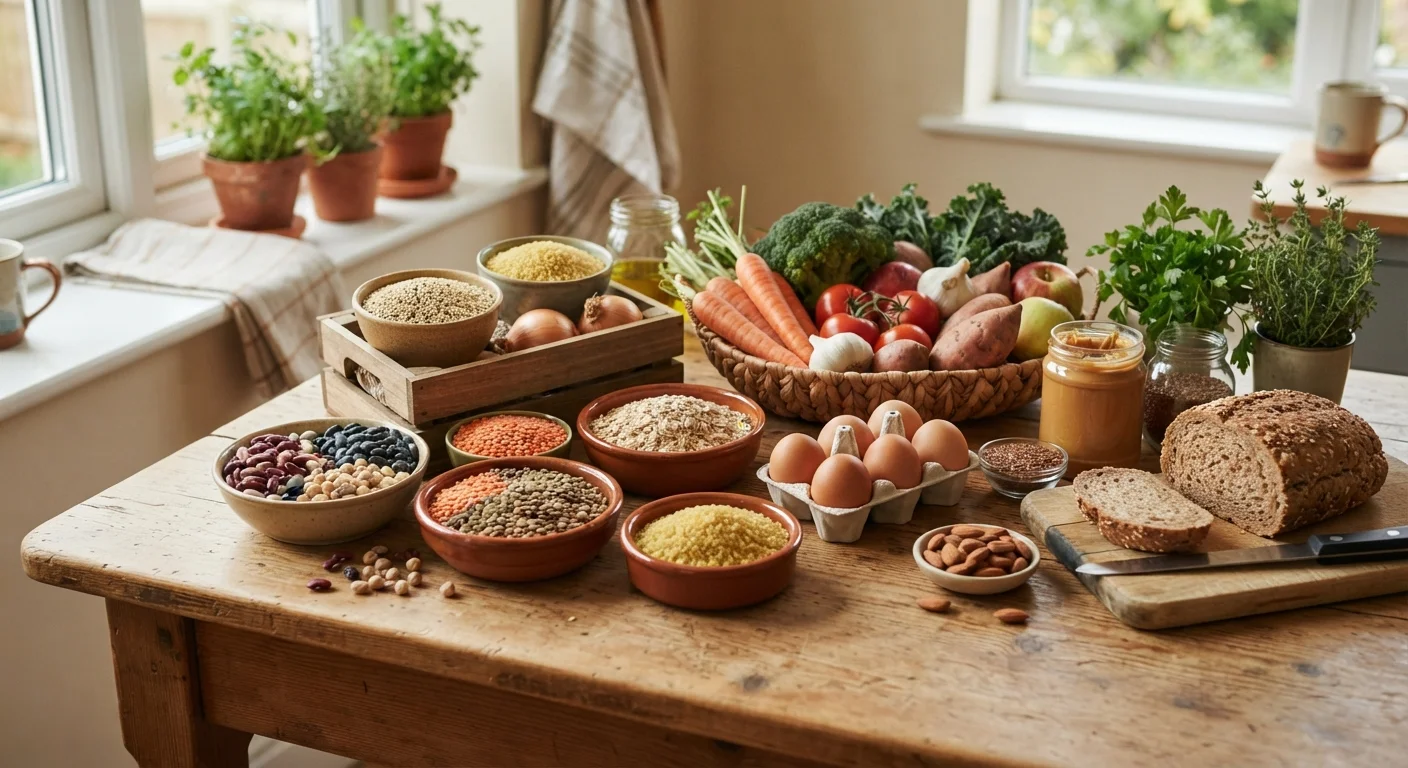
The key shift is treating meat as an occasional ingredient rather than the default center of every meal. When lentils, eggs, and canned fish become your weekday workhorses, your grocery bill shrinks noticeably - and your meals often become more varied and interesting as a result.
Mix Proteins Across the Week, Not Every Meal
You don't need to hit a perfect protein target at every single meal. Spreading a mix of eggs, beans, tofu, and canned fish across the week makes planning easier, reduces monotony, and ensures you're getting a broader range of nutrients. Think in terms of the week's total intake rather than optimizing each plate individually.
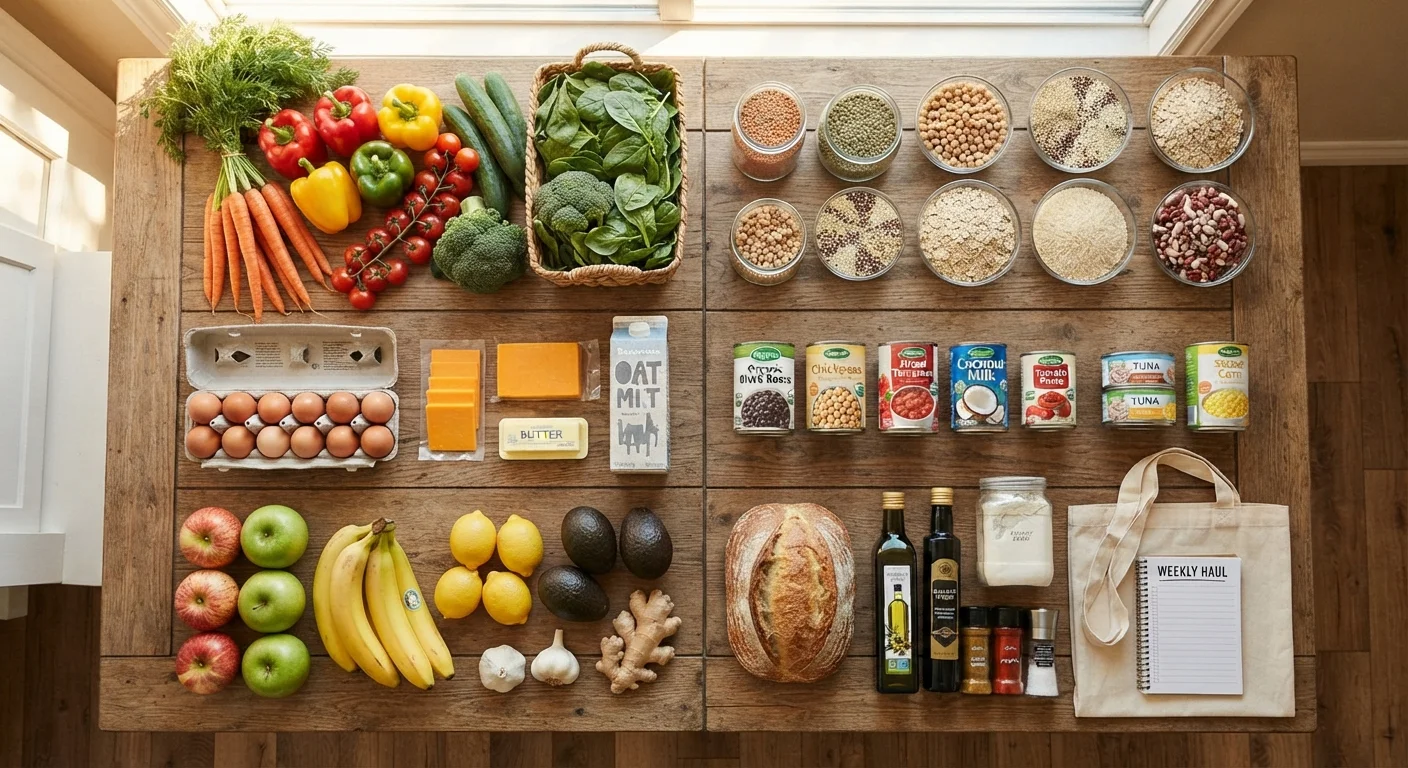
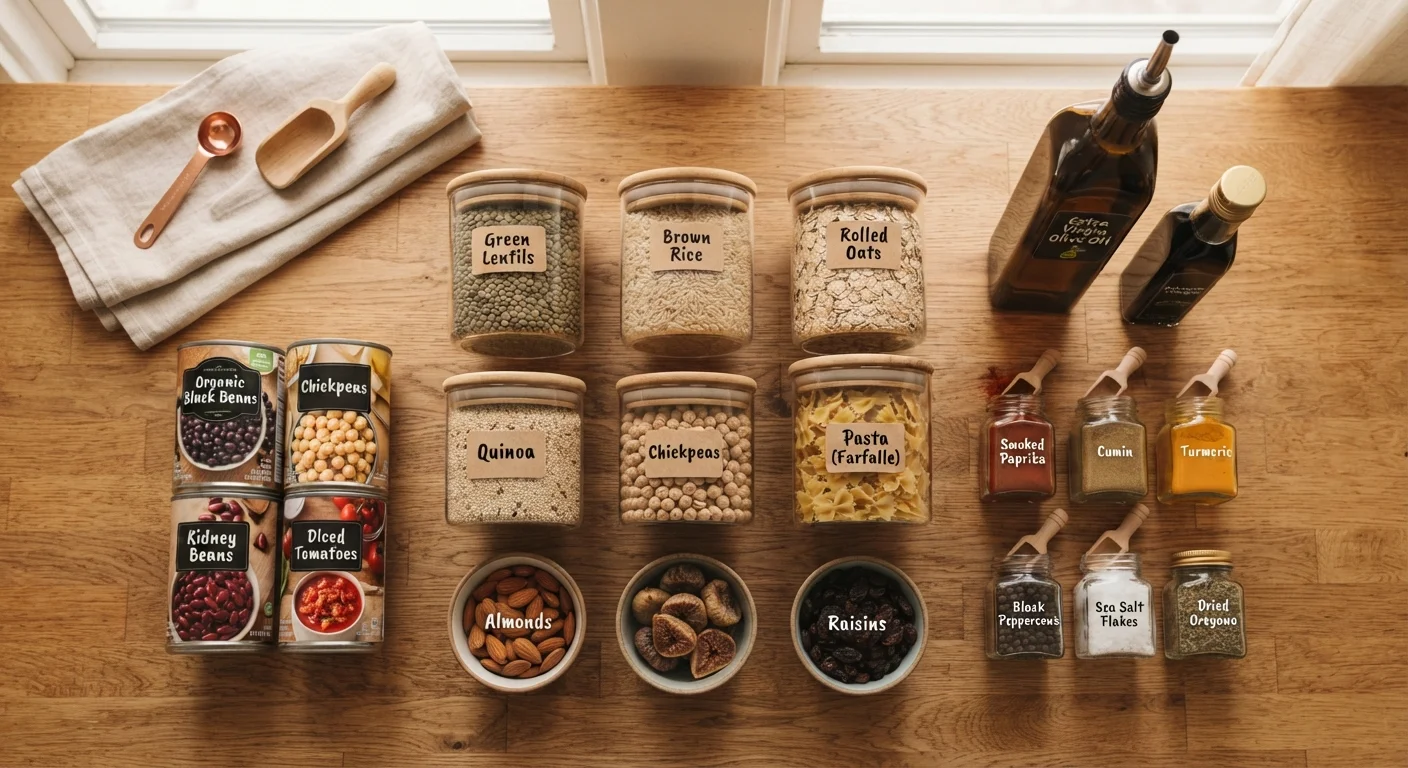
For a deeper look at how to structure your overall grocery spend, see our weekly grocery budget framework - it pairs well with the protein-first approach outlined here. And if you're building your pantry from scratch, our guide on stocking a nutritious pantry on a shoestring covers the foundational staples worth buying first.
This article is for general informational purposes only and is not a substitute for personalized nutrition or medical advice. Individual protein needs vary. Consult a qualified healthcare professional or registered dietitian for guidance specific to your health situation.