
The Persistent Myth That Healthy Food Costs More
The idea that nutritious eating is only for people with disposable income is one of the most stubborn food myths around. It shapes how people shop, what they reach for, and whether they even try. But when you look at actual grocery costs, the picture is more complicated - and more encouraging - than the myth suggests.
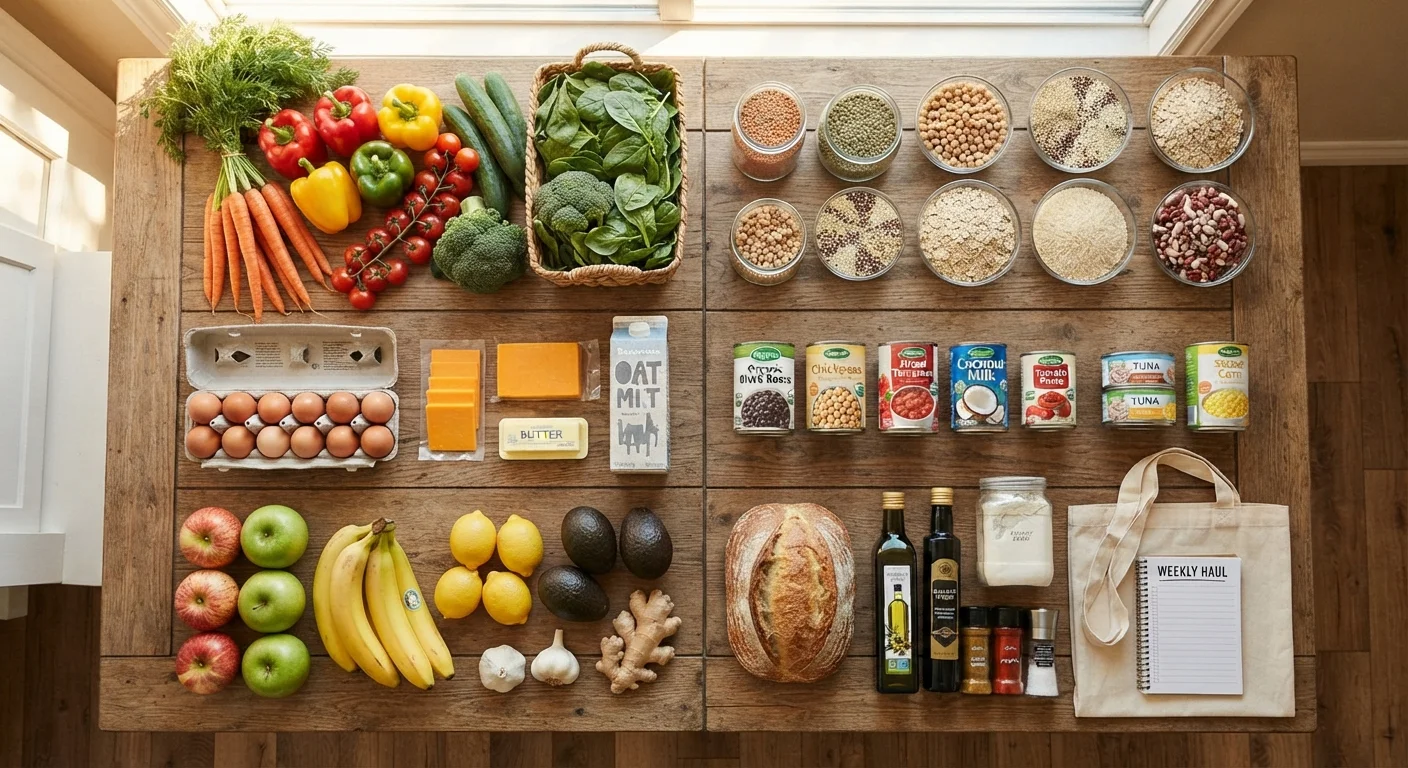
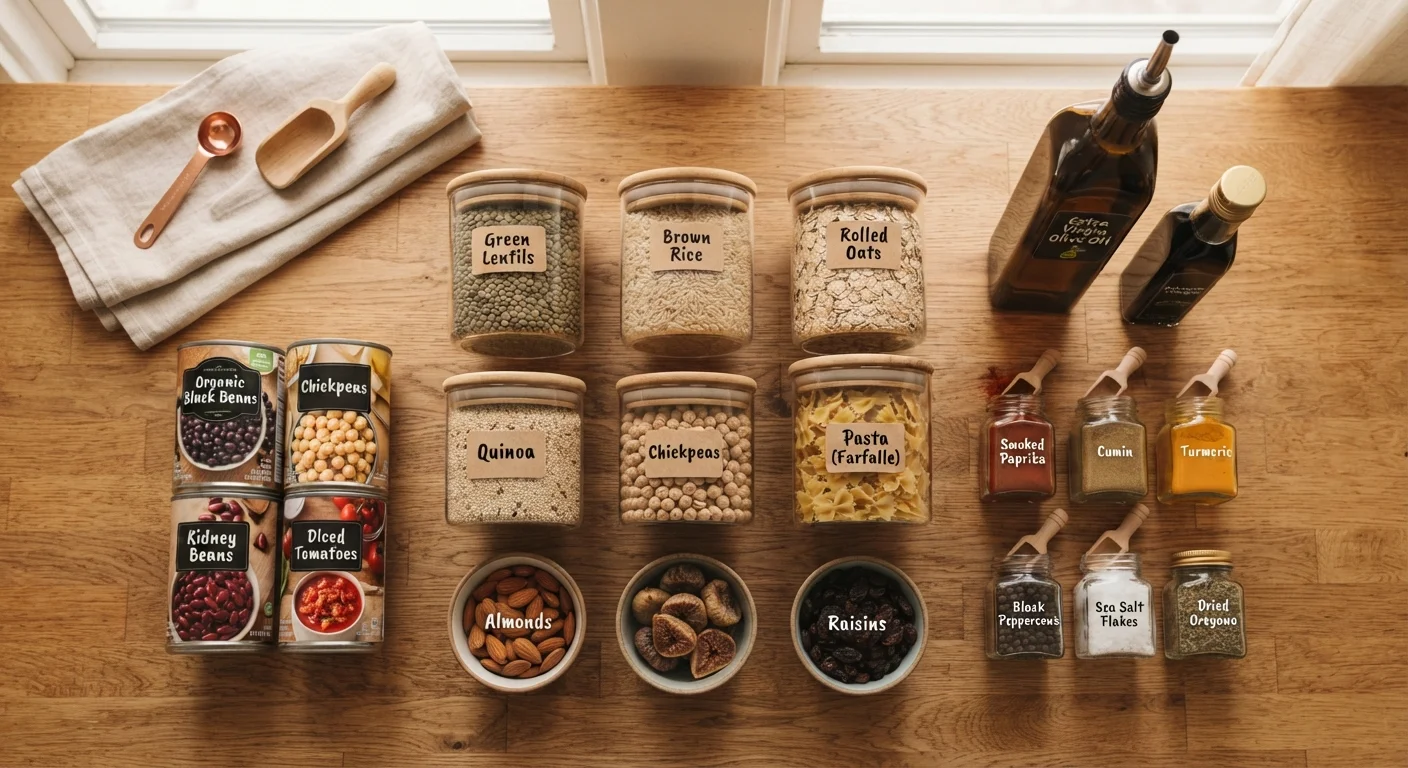
Staple foods like dried lentils, rolled oats, canned tomatoes, eggs, and frozen spinach are cheap, widely available, and nutritionally dense. These aren't compromise foods. They are the backbone of healthy diets around the world. The assumption that eating well requires a premium grocery bill often comes from comparing junk food prices to specialty health-food prices - two extremes that leave out the very affordable middle ground where most of the nutrition actually lives.
If you're working with a tight grocery budget, the weekly grocery budget framework can help you structure your spending so every dollar does real nutritional work.
Myth
Healthy food is always more expensive than processed food.
Fact
Whole foods like lentils, oats, eggs, and frozen vegetables are among the least expensive items in any grocery store.
The cost comparison depends heavily on what you're measuring. Processed foods can appear cheap per calorie, but when you compare cost per serving or cost per key nutrient, many whole foods come out ahead. A bag of dried lentils, for example, typically costs under $2 and provides multiple high-protein, high-fiber servings. That's hard to beat nutritionally or financially.
Myth
Frozen and canned vegetables are nutritionally inferior to fresh.
Fact
Frozen vegetables are usually flash-frozen at peak ripeness and retain most of their nutrients. Canned vegetables, while sometimes higher in sodium, are also broadly nutritious.
Fresh vegetables can lose nutrients during transportation and storage - particularly water-soluble vitamins like vitamin C. Frozen vegetables are typically processed within hours of harvest, locking in much of their nutritional content. Choosing low-sodium canned options and rinsing them before use addresses most concerns about canned vegetables. Both are legitimate, affordable alternatives to fresh produce.
Myth
You need expensive superfoods to eat a nutritious diet.
Fact
No single food is nutritionally irreplaceable. Everyday affordable foods like eggs, leafy greens, beans, and whole grains cover the nutritional bases effectively.
"Superfood" is a marketing term, not a scientific designation. Foods marketed under that label - açaí, spirulina, certain seeds - can be expensive and are not nutritionally unique. The same antioxidants, fiber, vitamins, and minerals found in high-priced specialty items are available in everyday produce and pantry staples. Kale, for instance, costs a fraction of many branded green powders and delivers comparable nutrients in a whole-food form.
Myth
Cooking healthy meals from scratch takes too much time to be practical.
Fact
Many nutritious meals take 20-30 minutes or less, especially when built around simple pantry staples.
Batch cooking and simple recipes change the time equation significantly. A pot of beans or lentils, a grain like rice or barley, and roasted or sautéed vegetables can be prepared in under an hour and reused across multiple meals. The perception that healthy cooking is time-intensive often comes from comparing it to ultra-processed convenience foods - not from actual cooking experience with straightforward whole-food recipes.
Myth
Low-income households can't realistically eat healthy.
Fact
Budget constraints make healthy eating harder, but not impossible - and targeted strategies can close much of the gap.
Financial stress and food access barriers are real and should not be minimized. But research and real-world evidence consistently show that families on tight budgets can eat nutritiously by focusing on low-cost staples, reducing waste, and cooking at home. Programs like SNAP also provide purchasing power specifically for groceries. The barriers are structural and worth addressing at a policy level - and in the meantime, practical food skills make a measurable difference.
What the Evidence Actually Shows
Research comparing the cost of nutritious diets to less nutritious ones tends to find that healthy eating costs more per calorie - but not necessarily more per day or per meal. Calorie-dense processed foods are cheap per calorie precisely because they're energy-dense. When you compare cost per serving or cost per nutrient, whole foods often win.
$1.50
Average cost per serving of dried lentils (US)
Dried lentils regularly retail for under $2 per pound and yield six or more servings, making them one of the most cost-efficient protein sources available.
~$0.20
Cost per serving of rolled oats
A standard canister of rolled oats provides dozens of breakfast servings at a cost that rivals almost no other whole-food breakfast option.
90%+
Nutrient retention in frozen vegetables
Studies published in food science literature have generally found that flash-frozen vegetables retain the large majority of their vitamins and minerals compared to fresh-stored equivalents.
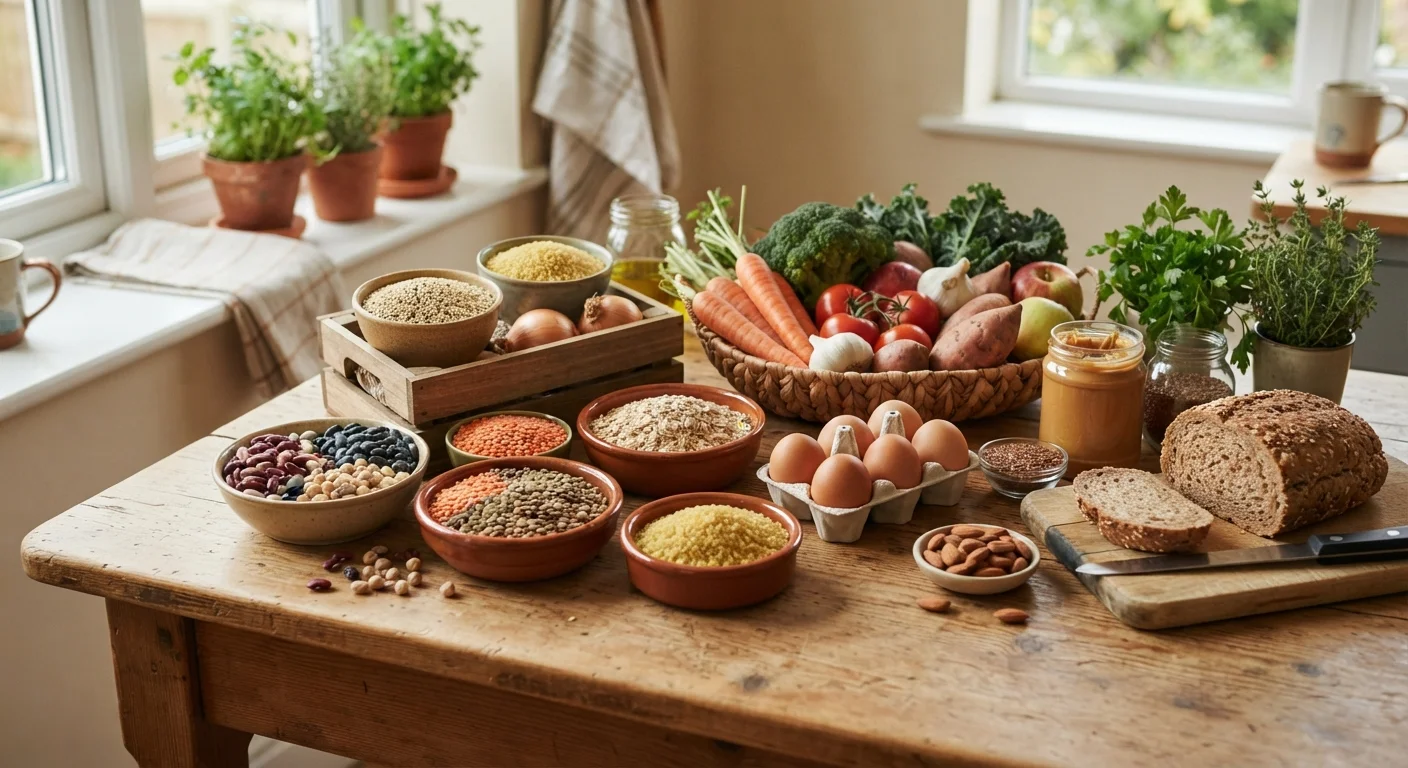
Legumes are a clear example. Dried beans and lentils deliver protein, fiber, iron, and folate at a fraction of the cost of meat or processed convenience foods. Eggs provide complete protein for under a dollar per serving in most US markets. Frozen vegetables - which are typically flash-frozen at peak ripeness - retain most of their nutrients and cost far less than pre-washed or pre-cut fresh alternatives.
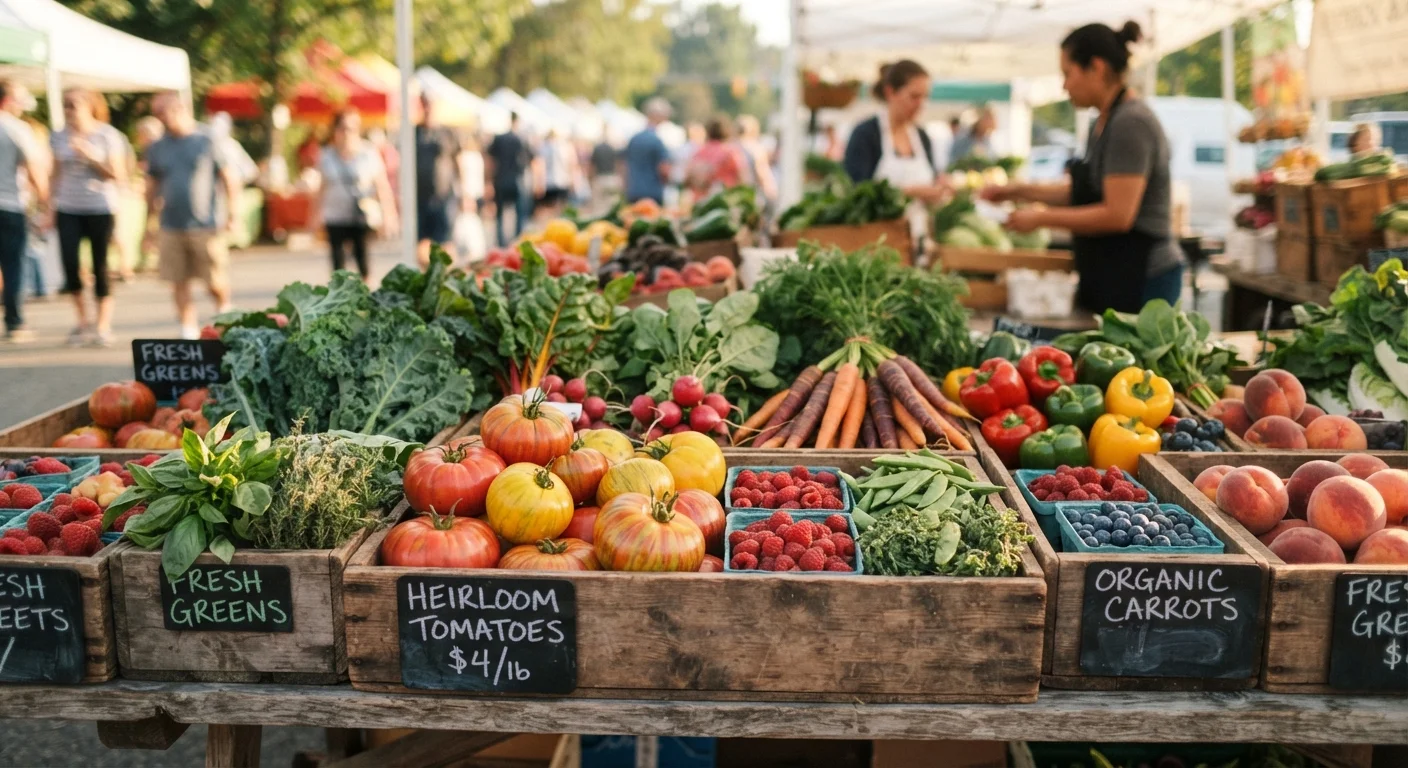
Seasonal fresh produce is also frequently underpriced compared to perception. Seasonal fruit and vegetables cost less, taste better, and can be more nutritious than out-of-season imports - and planning meals around what's in season is one of the simplest ways to cut grocery costs without cutting nutrition.
Practical Starting Points for Budget-Healthy Eating
Shifting toward budget-friendly healthy eating doesn't require an overhaul. A few structural changes to how you plan, shop, and cook make a significant difference over time.
- Build around pantry staples. Dried beans, lentils, whole grains, and canned fish are cheap, shelf-stable, and nutritionally versatile. Stocking a pantry from scratch doesn't require a large upfront investment.
- Diversify your protein sources. Meat is often the most expensive line item in a grocery budget. Eggs, legumes, tofu, and tinned fish provide adequate protein at a fraction of the cost.
- Reduce food waste. Wasted food is wasted money. Using vegetable scraps for stock, cooking larger batches, and storing produce correctly are habits that compound over time. Reducing food waste at home keeps both costs and nutrition on track.
- Question the "health food" aisle. Specialty health products - branded supplements, trendy snacks, organic convenience foods - are where healthy eating gets expensive. Most of their nutritional value can be matched by unbranded whole foods at a much lower price.
Don't Confuse Specialty Health Foods With Healthy Eating
The wellness industry profits from conflating expensive branded products with good nutrition. The two are not the same. Dried beans, frozen vegetables, eggs, and whole grains are unglamorous - and genuinely nutritious. Before spending more on "healthier" options, check whether an affordable staple does the same job. Most of the time, it does.
This article is for general informational purposes only and is not a substitute for professional dietary or medical advice. If you have specific health conditions or nutritional concerns, consult a qualified healthcare professional.