
Why a Checklist Saves Money at the Supermarket
Most grocery overspending doesn't happen because food is expensive - it happens in the ten seconds between grabbing something off the shelf and dropping it in the cart. A checklist interrupts that reflex. It shifts you from a reactive shopper to a deliberate one, and the financial difference adds up faster than most people expect.
This checklist is split into two phases: what you do before you leave home and what you do once you're in the store. Both matter. Skipping the preparation phase makes the in-store phase much harder to execute. For a broader framework on structuring your weekly grocery spend, see our weekly grocery budget guide.
It's also worth knowing that supermarkets are designed to encourage unplanned spending - from product placement to aisle layouts. Understanding those dynamics ahead of time helps. Our article on spending triggers before your next shopping trip covers the specific cues worth watching for.
Sales Don't Justify Unplanned Purchases
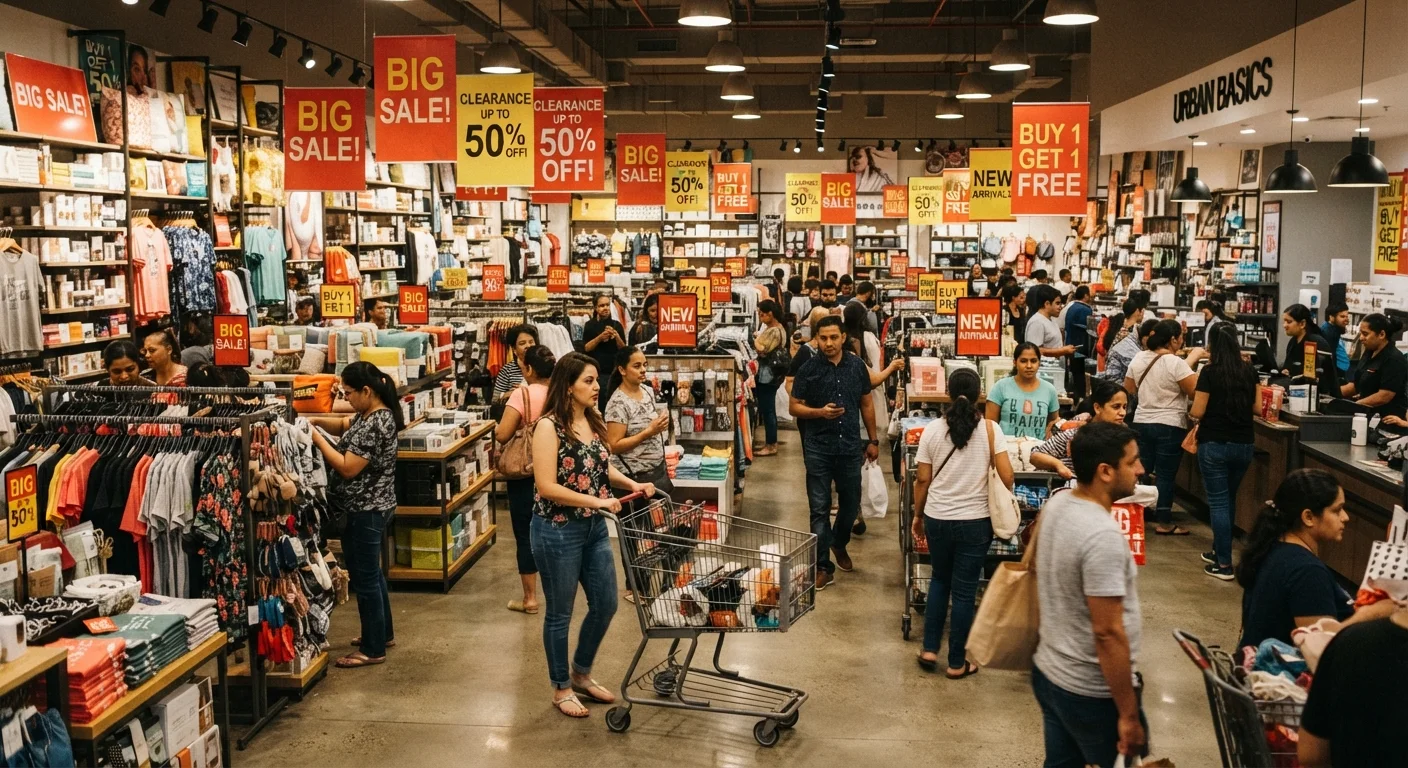
A discount on something you weren't going to buy is not a saving - it's a spend. Before adding any sale item to your cart, check whether it fits your meal plan for the week. If it doesn't, leave it. Bulk deals and BOGO offers are only cost-effective when you will realistically use the product before it expires.
Before You Leave Home
This phase takes 10-20 minutes and does the bulk of the work. Rushing past it is the number-one reason shoppers overspend.
Meal Planning & List Building
Budget & Timing Preparation
In-Store: Navigating Smartly
At the Register & After
In the Store: Staying on Track
You've done the preparation. Now the goal is to execute the plan without letting the store's environment undo it. These steps keep you anchored to the list you built at home.
One consistently overlooked tactic: always check the unit price (price per ounce, per 100g, or per count) on the shelf label rather than the total price. A larger package isn't automatically cheaper per unit, and promotional pricing sometimes makes the smaller size a better deal. The label math is done for you - use it.
Before any checkout, it's worth running a quick self-audit on anything that wasn't on your original list. Our pre-checkout self-audit checklist gives you a short set of questions to filter out regret purchases before they happen.
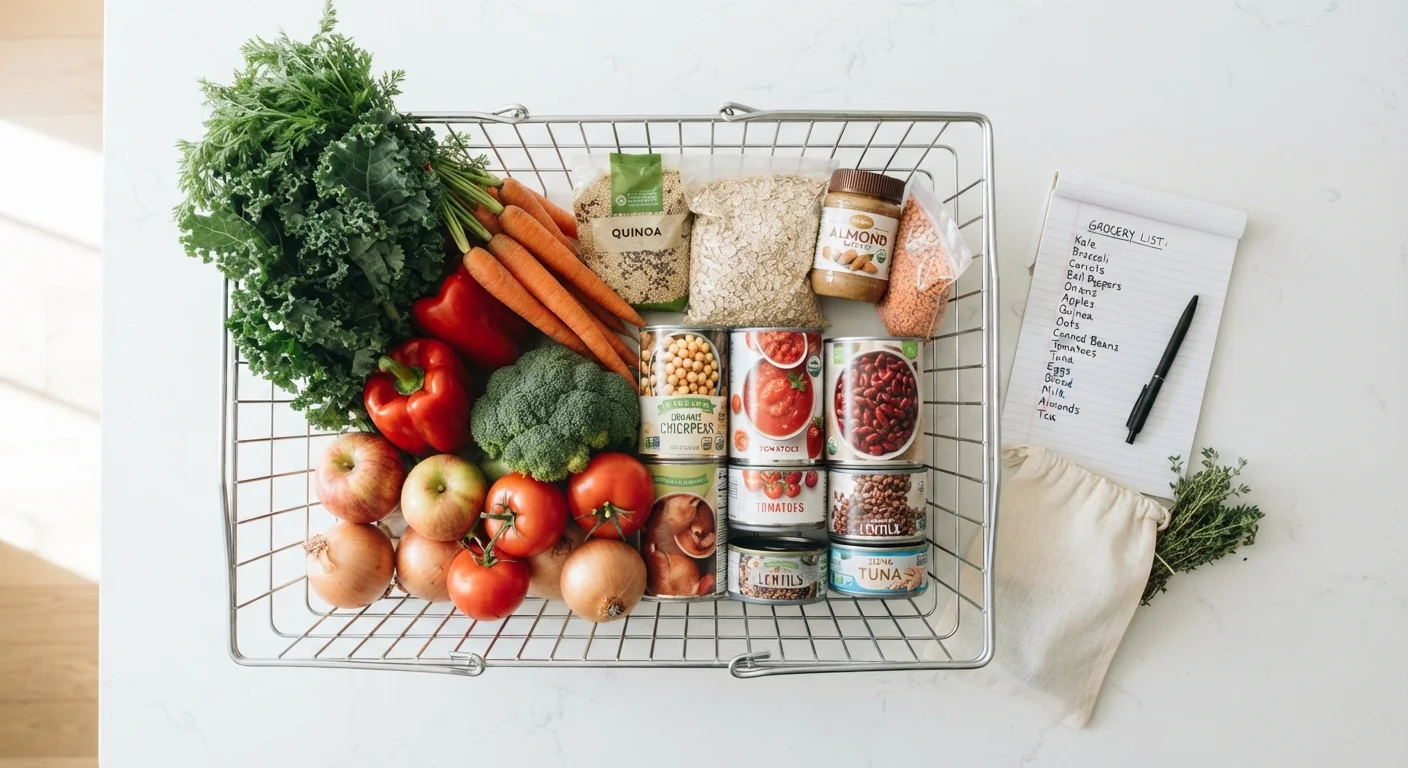
Printed or digital shopping list
Keeps you anchored to your plan inside the store and reduces decision fatigue at the shelf.
Calculator or phone
Used to cross-check unit prices and run a running total as you shop.
Reusable shopping bags
Avoids per-bag fees charged in many US states and keeps items organised for faster unloading.
Store loyalty app
Surfaces digital coupons and weekly markdowns on items already on your list - useful only if you're shopping for planned items.
This article provides general information about grocery shopping strategies and is not a substitute for personalised nutrition or financial advice. For guidance tailored to your health or dietary needs, consult a qualified professional.