

The Gear Myth and Why It Costs New Runners Money
Walk into any sporting goods store as a new runner and you'll leave convinced you need a GPS watch, moisture-wicking everything, a foam roller, energy gels, and a subscription app before your first mile. The running industry is worth billions for a reason - it's very good at making optional items feel mandatory.
The reality is simpler. Running is one of the most accessible forms of exercise humans do. It requires forward motion, reasonable footwear, and a safe surface. That's the short list. Everything else - and we mean everything - falls into the "nice to have" or "don't need" column. This article works through the most persistent myths so you can start moving without draining your wallet first.
For a broader look at how fitness marketing inflates costs across multiple exercise types, see our myth-busting fitness guide. And if you're brand new to structured exercise altogether, this beginner's introduction covers how to build a safe foundation from zero.
Myth
You need a GPS watch or fitness tracker to train properly as a new runner.
Fact
Perceived effort and a basic timer are sufficient for beginner training. Technology tracks data; it doesn't make you fitter.
GPS watches provide useful data - pace, distance, heart rate - but new runners don't yet have the training background to act meaningfully on most of it. Research on beginner exercisers consistently shows that perceived exertion (how hard something feels on a simple scale) is an effective and valid way to gauge workout intensity. Your phone's free clock app handles interval timing. Save the wearable for when you actually have a goal that requires precision pacing.
Myth
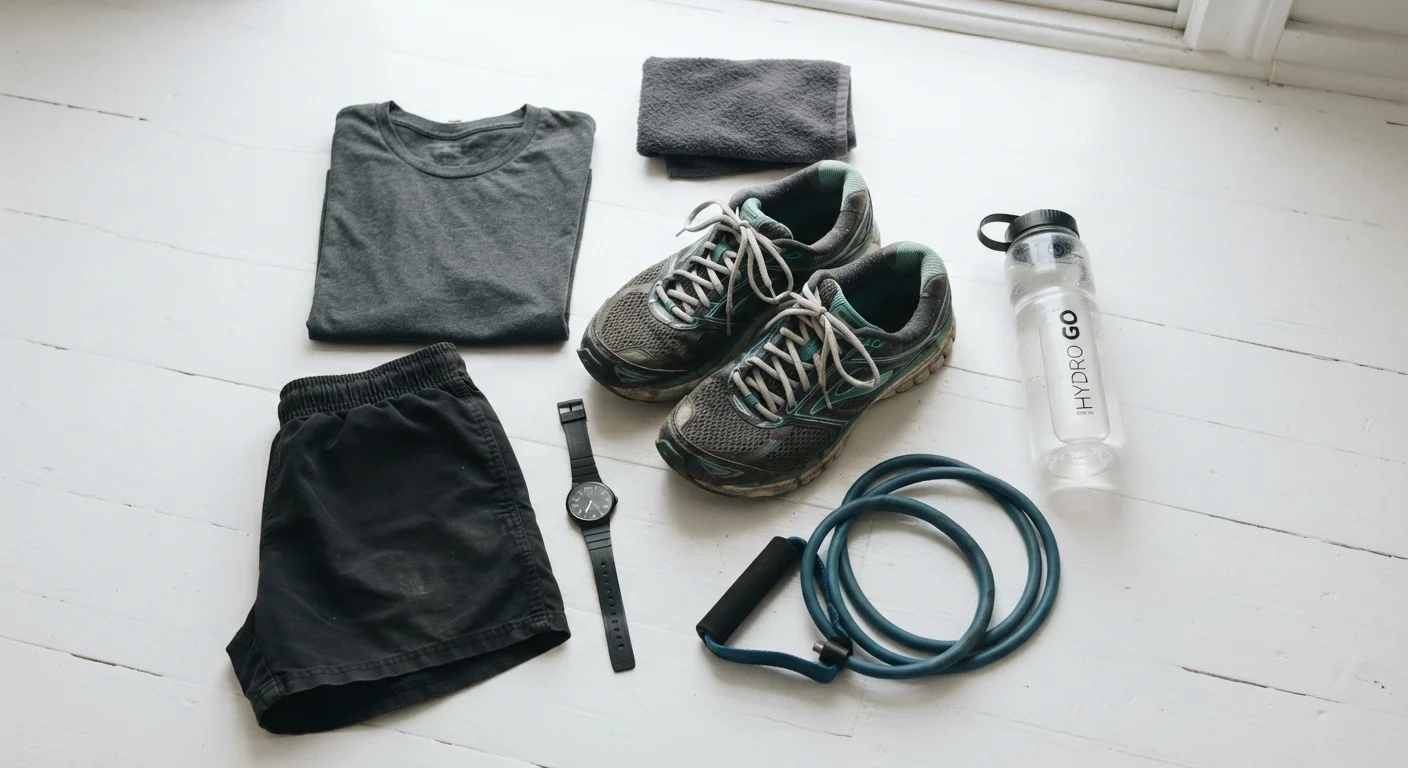
You must buy specialized running clothes to avoid injury and stay comfortable.
Fact
Any comfortable, non-restrictive clothing you already own works fine for most running conditions.
Moisture-wicking fabrics do offer comfort advantages in heat or rain. But comfortable cotton shorts and a t-shirt are adequate for most casual running, especially in moderate weather. Chafing - the real practical concern - is addressed with body glide products or petroleum jelly, both inexpensive. The only clothing item worth prioritizing for women is a well-fitted sports bra, which genuinely affects comfort and tissue stress during impact activity.
Myth
Running on a treadmill is safer and better for beginners than running outside.
Fact
Neither surface is categorically safer. Outdoor running is free; treadmills involve ongoing gym fees.
Treadmills offer a controlled environment and a cushioned belt, which some runners prefer. But they also alter natural gait slightly and remove the proprioceptive (balance and coordination) demands of uneven surfaces. Flat sidewalks, parks, and unpaved trails are all legitimate training surfaces. Public running trails, parks, and school tracks cost nothing to use. Unless you have a specific medical reason to prefer a treadmill, running outside is equally valid - and free.
Myth
You need to buy a paid running app or training plan to make progress.
Fact
Numerous free, evidence-based running programs exist and produce the same results as paid alternatives.
Widely used beginner programs - including structured walk-to-running progressions - are available at no cost through public health organizations, libraries, and community running clubs. Many of these programs have decades of use behind them and have helped large numbers of people begin running safely. A paid app may offer a more polished interface, but the underlying exercise prescription is not meaningfully different from what's freely available.
Myth
Expensive, brand-specific running shoes prevent injury better than affordable options.
Fact
Shoe fit and comfort matter more than brand or price. No shoe type has been proven to prevent running injuries.
The relationship between running shoes and injury prevention is more nuanced than marketing suggests. A large body of sports medicine research indicates that comfort - wearing a shoe that feels right for your foot - is a meaningful predictor of satisfaction and may influence injury rates. Price and brand prestige are not reliable indicators of injury prevention. A well-fitted, adequately cushioned shoe in your price range is a reasonable choice. Replacing worn-out shoes regularly matters more than buying an expensive new pair each season.
What Actually Matters When You Start Running
Once you've cleared away the marketing noise, a short list of genuinely useful practices remains.
~50%
Annual running injury rate among recreational runners
Estimates in sports medicine literature suggest roughly 40-60% of recreational runners experience an injury per year, with overuse - not equipment - cited as the primary driver.
0
Cost of a public park running route
Public trails, sidewalks, and school tracks are free to use in most U.S. communities, making outdoor running one of the most accessible forms of structured exercise.
Shoes: The one purchase worth making. You don't need a premium model - you need a shoe that fits your foot shape, offers adequate cushioning for the surfaces you run on, and hasn't already logged hundreds of miles of wear. A mid-range pair from a reputable general athletic brand is sufficient. Visit a running specialty store if you can, because staff can check your gait for free even if you buy elsewhere.
Walk-run intervals: Alternating walking and running - sometimes called the run-walk method - is widely used by running coaches as a way to build aerobic capacity while controlling impact stress. It's free, requires no equipment, and is appropriate for most healthy adults who are new to running. Start with more walking than running and gradually shift the balance over weeks.
Rest and recovery: Also free. Running stresses muscles, connective tissue, and bone. Two to three days per week is a reasonable starting frequency. Sleep, hydration, and consistent progression matter far more than any supplement or recovery device.
For a structured approach to building this kind of routine for the long term, the complete free fitness habit guide walks through exactly how to do that without spending money.
Too Much Too Soon Is the Real Injury Risk
The most consistent finding in running injury research is that rapid increases in training volume - distance or frequency - significantly raise injury risk. No piece of gear compensates for progressing faster than your body can adapt. A common guideline suggests increasing weekly mileage by no more than 10% per week, though individual variation is significant. If something hurts persistently, stop and consult a healthcare professional rather than running through pain.
This article is for general informational purposes only and is not medical advice. If you have any health conditions, joint pain, or concerns about starting a new exercise routine, consult a qualified healthcare professional before beginning.