
What You Actually Gain by Skipping the Gym
The most obvious benefit of going gym-free is financial, but it runs deeper than a monthly line item. When the cost of a session is zero, consistency becomes far easier to protect. A tight pay period doesn't cancel your workout. A move to a new neighborhood doesn't require researching new facilities. Your routine travels with you.
Flexibility compounds that advantage. There is no commute, no waiting for a squat rack, and no class schedule to work around. For shift workers, parents, and anyone with unpredictable hours, that matters enormously.
Zero ongoing financial cost
No membership fees, no class costs, no equipment purchases. Removing the financial barrier means your routine can't be cancelled by a tight month.
Complete schedule flexibility
You work out when it suits you - 6 a.m. before a shift or 10 p.m. after the kids are down. There are no class times, no commutes, and no waiting for machines.
Lower barrier to starting
Bodyweight movements require no learning curve for equipment and can begin immediately in almost any space, which removes one of the most common reasons people delay starting.
Functional movement carries over to real life
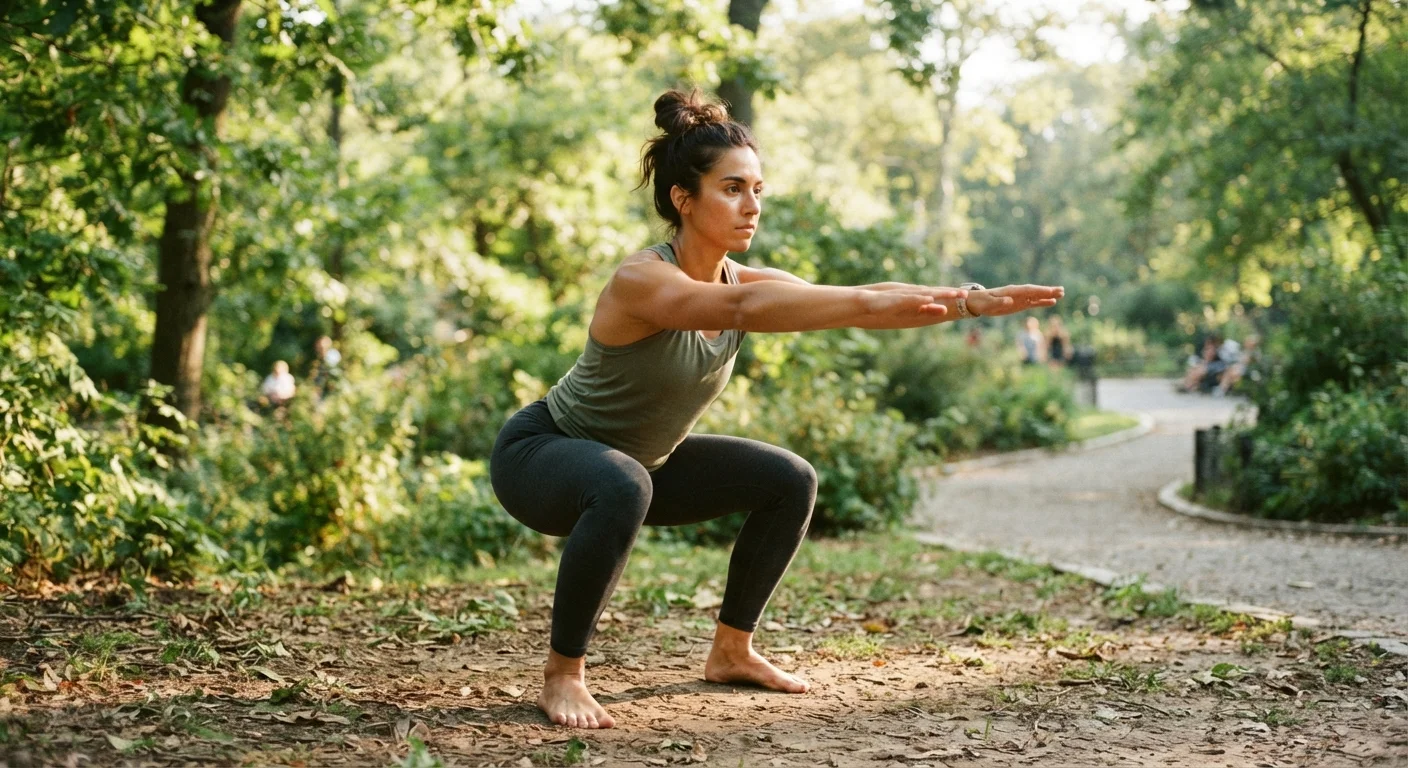
Squats, push-ups, lunges, and carries mimic everyday physical demands. Research consistently shows these compound movements build practical strength alongside fitness.
Removes gym anxiety entirely
For many people - particularly beginners - the social discomfort of a gym environment is a genuine deterrent. Exercising at home or outdoors eliminates that friction entirely.
There is also a real fitness case - not just a budget case - for bodyweight and outdoor exercise. Walking, running, and bodyweight strength movements are well-researched, accessible, and effective for the health outcomes most people actually care about: cardiovascular fitness, functional strength, and mental well-being. See what zero-cost fitness actually requires for a fuller picture of what these methods can and can't deliver.
The Real Limitations You Should Plan For
Honest fitness advice means naming the gaps - not to discourage free training, but so you can compensate for them deliberately.
No professional form correction
Without a coach watching your movement, technique errors can quietly compound over months. Poor squat or push-up mechanics, practiced repeatedly, can lead to joint stress or overuse injuries.
Progression is harder to structure
Gym equipment offers clear, measurable load increases. Bodyweight progression - moving from a standard push-up to an archer push-up - requires more knowledge and deliberate planning to get right.
Strength ceiling is lower without load
Building significant muscle mass without added resistance is genuinely harder. Bodyweight training can develop solid functional strength, but it has real limits compared to progressive overload with weights.
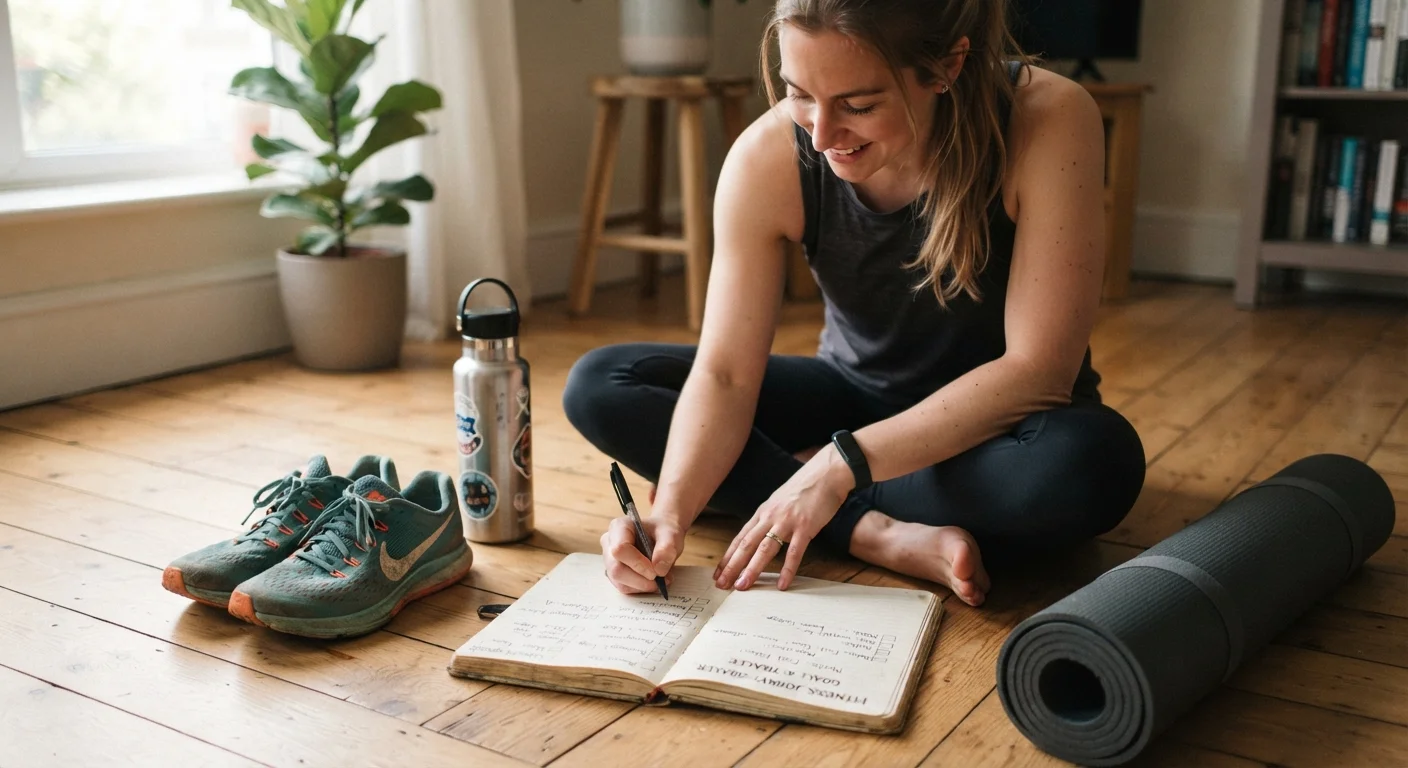
Accountability is entirely self-generated
There is no coach expecting you, no paid class to feel obligated to attend. When motivation dips - and it will - there is nothing external to catch you.
Harder to identify gaps in your routine
A trainer or structured program spots imbalances - too much pushing, not enough pulling, skipped mobility work. Flying solo, those blind spots can persist for years without awareness.
The absence of a coach is the most consequential limitation for beginners. Form errors in foundational movements like deadlifts, squats, and overhead pressing don't just limit results - they accumulate as injury risk over time. Video resources and mirror feedback can help, but they are not a substitute for a trained eye. If you're new to structured exercise, even a handful of sessions with a physical therapist or certified trainer to learn movement basics can be a worthwhile one-time investment.
Progression planning is the second big gap. Without a framework, many self-directed exercisers plateau or overtrain the same patterns. Auditing your current free routine for balance across strength, endurance, flexibility, and recovery is one of the most practical steps you can take to stay moving forward.
Making the Trade-Offs Work in Your Favor
The gap between a mediocre free routine and a genuinely effective one is mostly information and structure - both of which cost nothing. A few practical principles close most of the disadvantage gap:
- Learn fundamentals first. Before volume and intensity, get movement quality right. Free video resources from physical therapists and certified coaches are widely available and reliable when sourced carefully.
- Build in a routine check-in. Every four to six weeks, assess whether your workouts are still challenging you - or whether you've been doing comfortable things on repeat.
- Add variety deliberately. If your free routine is mostly cardio, add bodyweight strength work. If it's mostly pushing movements (push-ups), add pulling equivalents (inverted rows using a table edge). Choosing between outdoor and indoor sessions can also help vary stimulus without spending anything.
- Treat accountability as a design problem. Schedule workouts in your calendar like appointments. Find a free workout partner, join a community running group, or use a habit-tracking app.
This Is General Information, Not Medical Advice
The content in this article is educational and intended for generally healthy adults. If you have an existing injury, chronic condition, or are returning to exercise after a long break, consult a qualified healthcare provider or physical therapist before starting a new routine. They can give guidance specific to your body and history.
For a structured overview of equipment-free movement types, intensity levels, and recovery concepts, the free fitness habits reference guide is a useful starting point.
This article is for general informational purposes only and does not constitute medical or fitness advice. Consult a qualified healthcare professional before starting a new exercise program, particularly if you have any health conditions or concerns.