
Why a Pre-Purchase Audit Saves You Money
Walk into any garden center without a plan and you'll likely leave $80 lighter with a cart full of gadgets you'll use twice. New gardeners especially tend to overbuy gear while underinvesting in seeds, soil, and compost - the things that actually drive results. Our guide to common budget gardening pitfalls covers exactly where this money typically gets wasted.
This checklist helps you pause before spending. It works whether you're starting from scratch on a rental balcony or expanding a backyard vegetable bed. Think of it as a decision filter: each item pushes you to ask whether a tool earns its place in your shed, or whether it can be skipped, borrowed, or deferred entirely. The same mindset applies to any significant household purchase - see our pre-purchase checklist for evaluating true value for a broader framework.
Assess Your Space and Goals
Inventory What You Already Have
Core Tools to Prioritise
Defer or Skip These
Budget and Quality Check
Tools Worth Owning vs. Tools Worth Borrowing
Not every tool deserves a permanent spot in your garage. The guiding principle: own what you use at least several times per season, borrow or rent what you need once or twice a year. A full-size rototiller, for instance, is a heavy, expensive machine that most home gardeners need for a few hours in spring - not a weekly workhorse. Many hardware stores, libraries of things, and community gardens offer tool lending programs for exactly these situations.
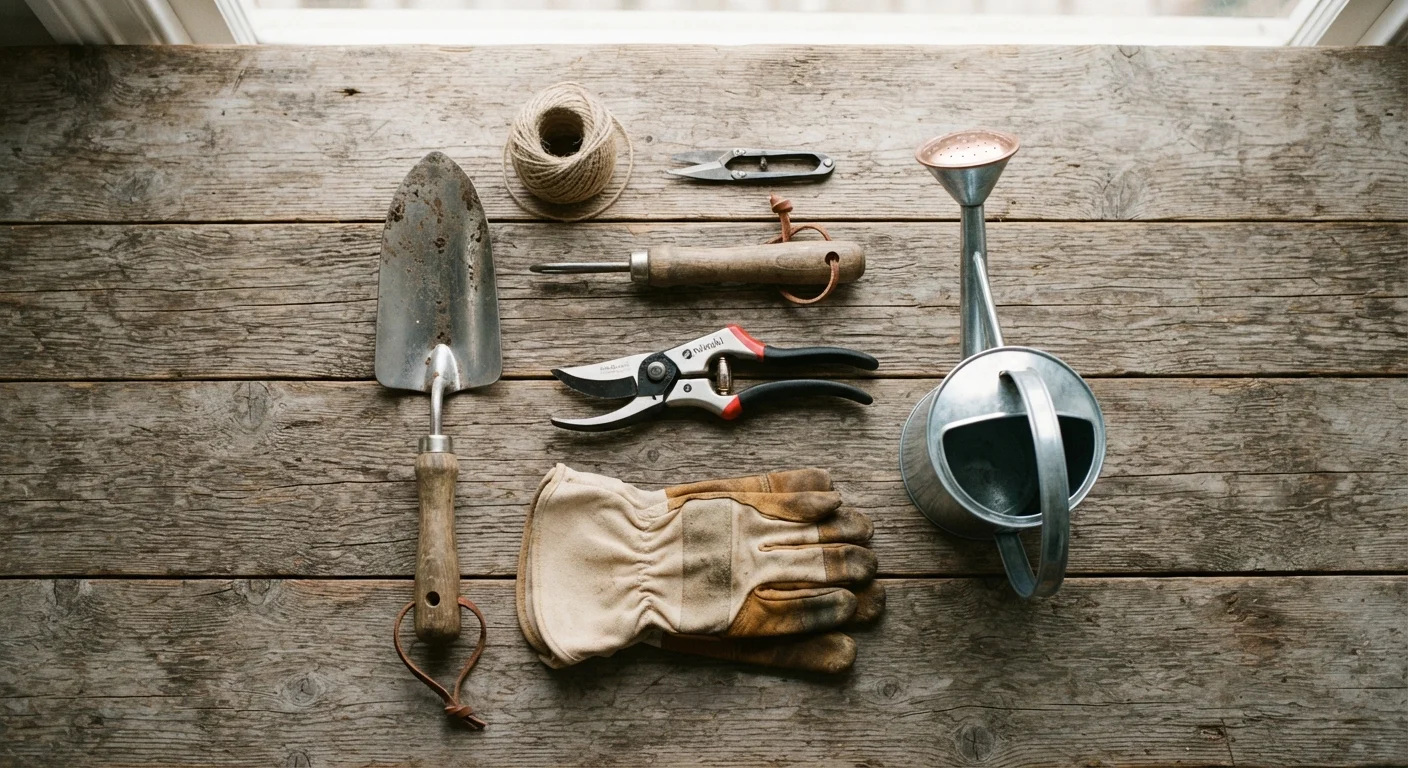
Hand Trowel
Used for planting, transplanting, and digging small holes - the most versatile tool in any garden kit.
Bypass Pruners
Cuts live plant stems cleanly without crushing, essential for maintaining healthy shrubs, herbs, and vegetables.
Watering Can or Garden Hose
Delivers water directly to plant roots; a can suits containers and small beds while a hose handles larger plots.
Hoe or Hand Cultivator
Breaks up soil surface and uproots weeds between rows, saving significant manual effort in larger growing areas.
Long-Handled Spade or Garden Fork
Turns and aerates in-ground soil; only necessary for plots larger than a raised bed or with compacted ground.
Garden Gloves
Protects hands from thorns, splinters, and soil-borne irritants while improving grip on tool handles.
Tool Lending Program Membership
Provides access to specialty and power tools on a borrow basis, eliminating the need to purchase rarely used equipment.
Renters face an added consideration: portability. Bulky long-handled tools are harder to transport when you move and may not fit a lease-limited storage space. Compact, multi-function tools - a good hand trowel, a folding pruning saw, collapsible containers - travel well and adapt to different spaces.
Cheap Tools Can Cost More Long-Term
Very inexpensive tools often use lower-grade steel that bends, dulls quickly, or breaks under normal soil resistance. For tools you'll use every session - trowels, pruners - spending a modest amount more upfront on a mid-range option typically means fewer replacements over time. Check that blades are replaceable or sharpenable before buying.
Don't Forget Storage Before You Buy
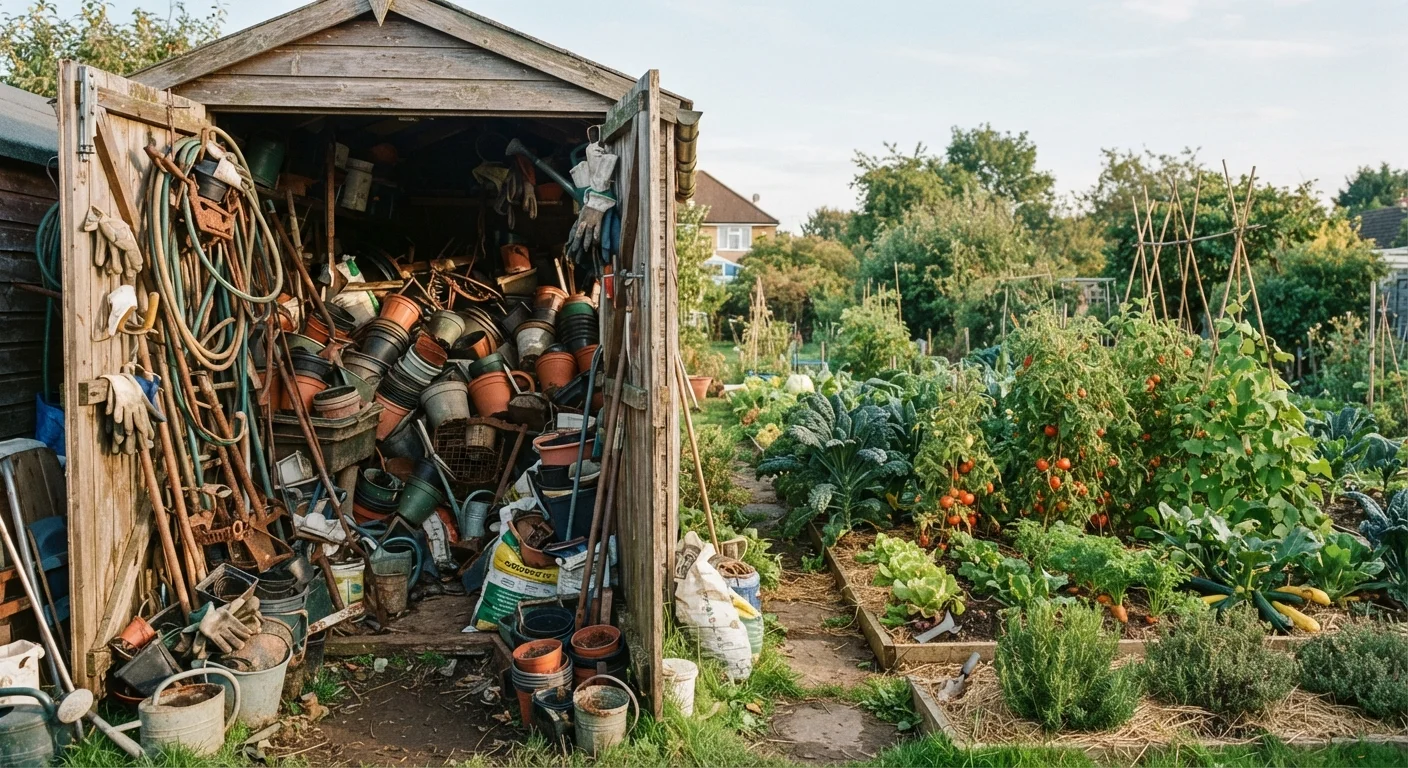
Every tool you purchase needs a home. Renters with limited outdoor storage should count available hooks, bins, or closet space before adding any long-handled items. Leaving tools exposed to rain accelerates rust and handle rot, turning a money-saving purchase into a recurring replacement cost.
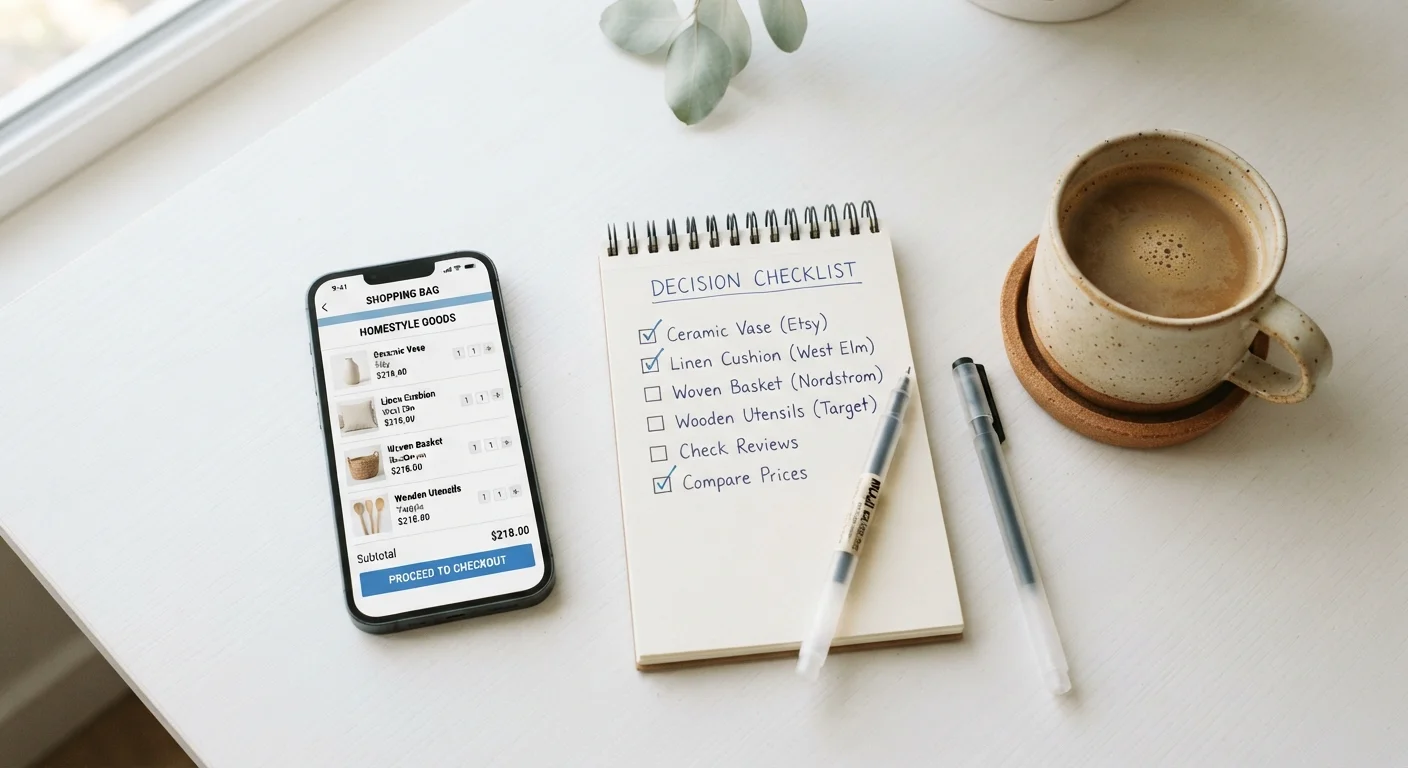
Before finalising any purchase, it's worth applying the same structured thinking you'd use for any non-essential buy. Our self-audit for smarter purchase decisions gives you a quick checklist to run through at checkout. Similarly, if you're building out a broader home toolkit beyond the garden, the DIY repair toolkit guide outlines which general household tools pull double duty and are worth the investment.