
Why New Gardeners Tend to Spend in the Wrong Order
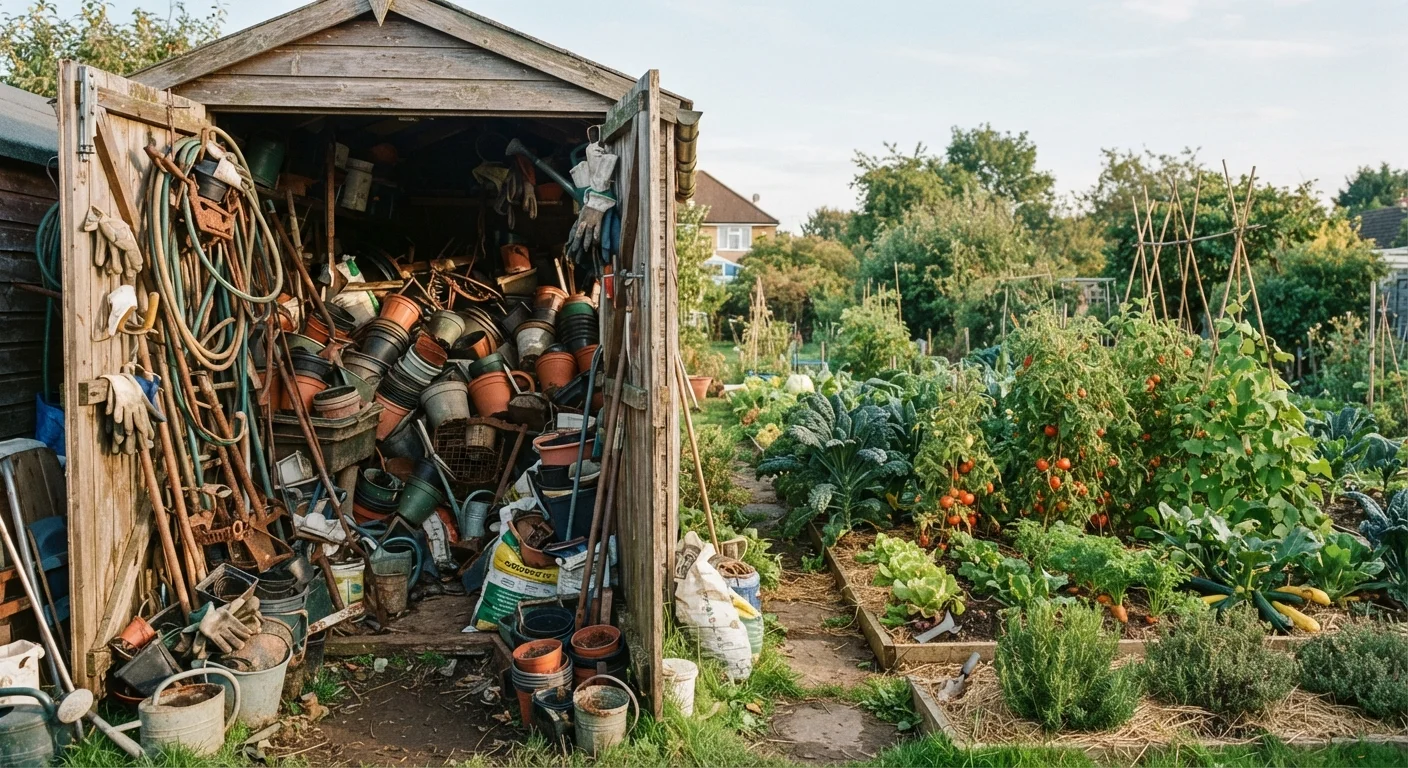
Budget gardening isn't just about spending less - it's about spending in the right sequence. Most overspending happens at the start, when enthusiasm outpaces experience and every product at the garden center seems essential. The result is a shed full of gadgets and containers while the plants themselves sit in thin, exhausted soil.
The good news is that these patterns are predictable and avoidable. Understanding where the money typically disappears - and why - puts you in a much stronger position before you spend a dollar. If you're starting out, what a shoestring garden actually requires is worth reading before you shop.
Don't Buy Tools You Haven't Needed Yet
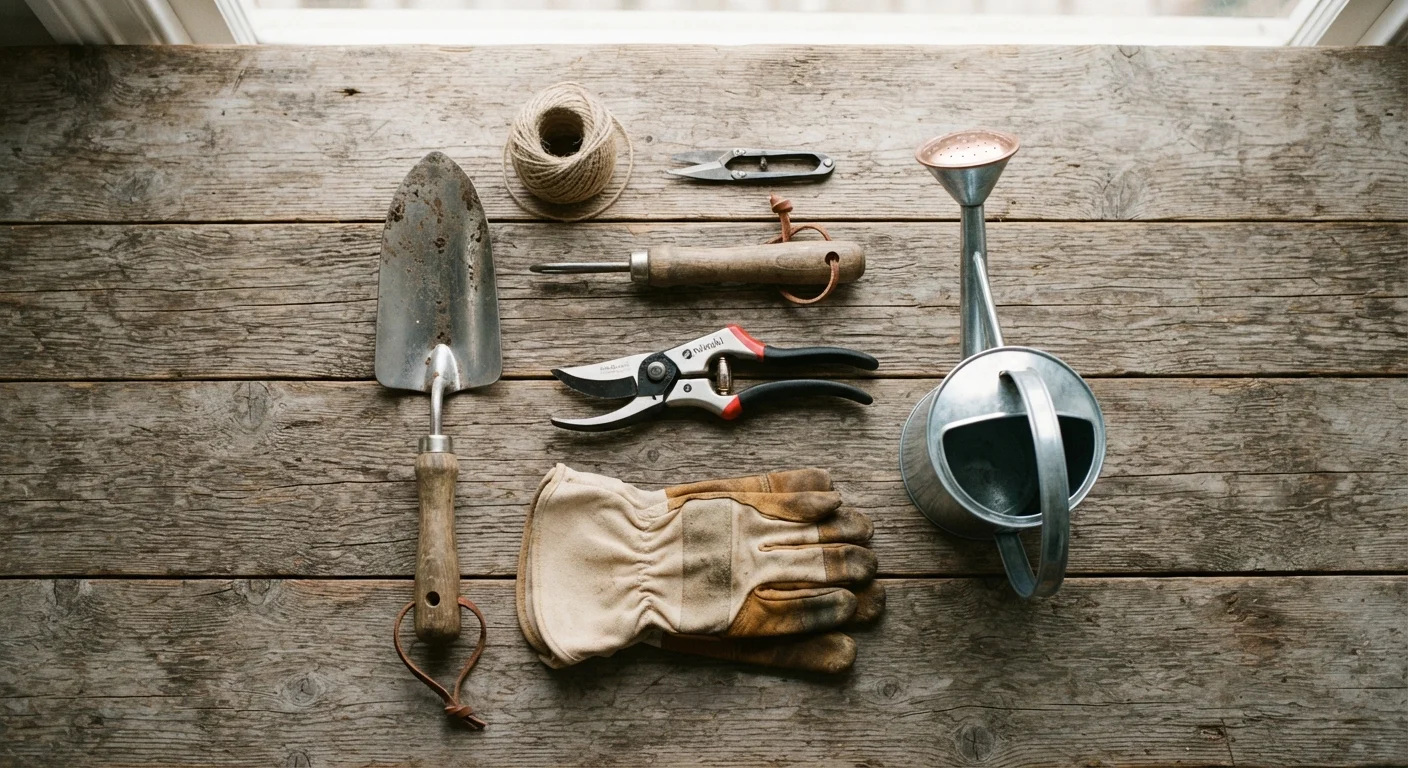
Many first-time gardeners purchase specialty tools - long-handled weeders, soil blockers, propagation mats - before they've grown a single plant. Most beginner gardens need only a trowel, a watering can, and basic gloves. Add tools only when you encounter a specific, recurring problem that a tool would genuinely solve.
The Most Common Budget Gardening Mistakes
These six mistakes show up repeatedly among first-time and returning gardeners alike. Each one is driven by understandable logic - but each quietly drains the budget without improving results.
Overspending on tools and equipment before planting anything.
Why it happens: Garden centers and online stores make tool shopping feel essential and exciting. New gardeners often equate having the right gear with being prepared.
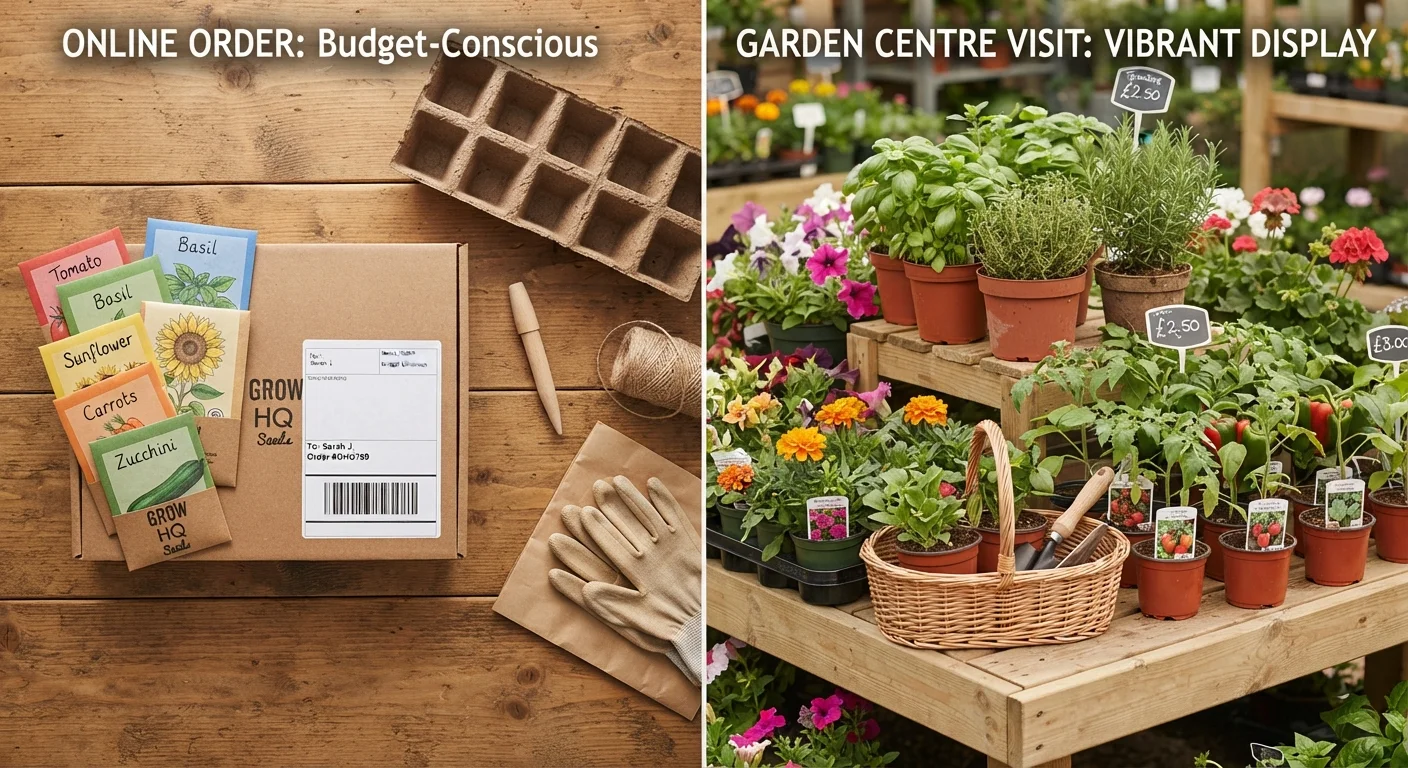
Buying seedlings for every plant instead of starting easy crops from seed.
Why it happens: Seedlings look immediately gratifying and feel like a shortcut - but the price difference compared to seeds adds up quickly across a full planting list.
Neglecting soil preparation while spending on everything else.
Why it happens: Soil improvement is invisible and undramatic. Spending on a watering system or raised bed frame feels more tangible than buying a bag of compost.
Starting with a garden that's too large to manage or afford.
Why it happens: Enthusiasm at the start of the season leads many gardeners to overestimate how much space they'll realistically maintain on a budget and schedule.
Defaulting to annuals when perennials would serve the budget better long-term.
Why it happens: Annuals are cheap and widely available in spring, making them the default choice - but their one-season lifespan means the cost resets every year.
Ignoring water costs when setting up a new garden.
Why it happens: Water bills aren't top of mind during the planning phase, especially for gardeners new to paying their own utility costs.
Soil Quality Is Non-Negotiable
Every other gardening expense depends on having decent soil. Skimping on compost or soil amendment while spending freely on tools or decorative containers is one of the costliest mistakes a new gardener can make. Healthy soil feeds plants, retains moisture, and reduces the need for fertilizers and replacement plants - all of which drain budgets fast.
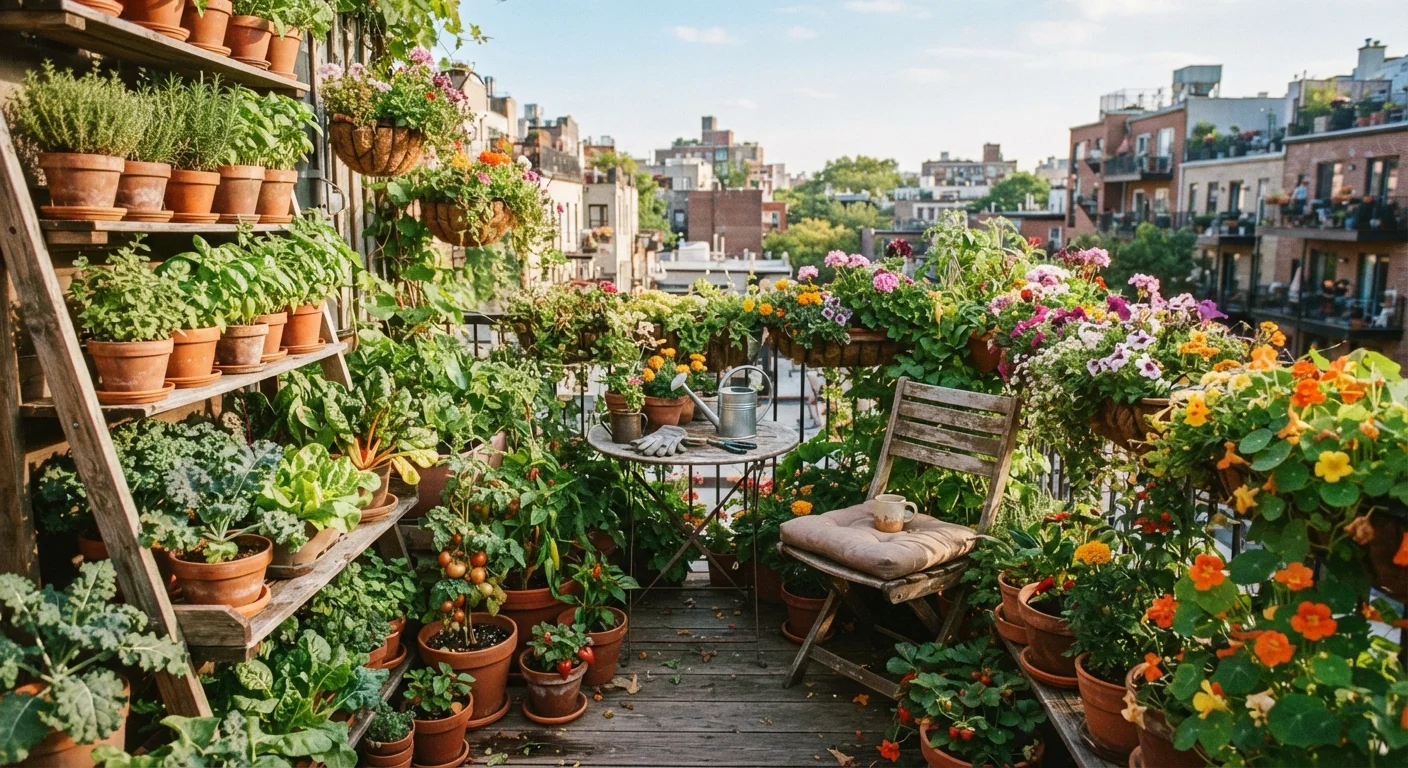
For gardeners weighing different setup options, the trade-offs between raised beds and in-ground planting and what containers genuinely cost are worth understanding before committing to a layout. Smarter sequencing - soil first, then plants, then tools as needed - is the foundation of a garden that stays within budget and actually thrives.
The same logic that applies here applies broadly to personal spending: smarter everyday spending habits can help reinforce the discipline of prioritizing what genuinely delivers value over what simply feels satisfying to buy.