
Why Free Pest Control Works Better Than You'd Expect
Pest control products line garden center shelves and promise quick fixes - but many of the most effective pest management strategies cost absolutely nothing. Whether you're growing food on an apartment balcony or managing a backyard plot, the principles are the same: reduce habitat for pests, attract their natural enemies, and use physical barriers before damage starts.
These methods take a little more observation and patience than spraying a product, but they build long-term garden resilience rather than creating a cycle of dependency on inputs. If you're just getting started, our guide to starting a garden on a shoestring covers what you genuinely need versus what's just marketing noise.
Use physical collars to stop cutworms and slugs
Cutworms sever seedlings at soil level overnight, and slugs can devastate young transplants. A simple collar - a toilet paper tube, a section cut from a plastic bottle, or a ring of cardboard - pushed an inch into the soil around each seedling creates a barrier that stops these crawling pests cold. No special materials required; save rolls and containers as you use them.
For slugs specifically, a ring of crushed eggshells or dry coffee grounds around vulnerable plants creates a surface they're reluctant to cross. Both materials are household byproducts that would otherwise go in the trash.
A cardboard collar pushed into soil around seedlings stops cutworms before they can cause damage.
Hand-pick pests during morning rounds
It sounds basic, but consistent hand-picking is one of the most effective controls for caterpillars, beetles, aphid colonies, and slug populations. The key is timing: early morning when pests are slower and easier to spot. Drop them into a jar of soapy water to prevent escape.
For aphid clusters on stems, a firm spray of water from a hose dislodges most of them and disrupts their feeding. Many won't find their way back. This approach costs nothing and, done consistently two or three times a week, keeps populations from reaching damaging levels.
Consistent early-morning hand-picking prevents pest populations from reaching levels that damage plants.
Practice crop rotation to break pest cycles
Many soil-dwelling pests and fungal pathogens are plant-family specific. Tomato hornworm eggs, cabbage root flies, and onion maggots all target the same plant families season after season if those families stay in the same bed. Moving plant families to a different location each year interrupts this cycle and reduces population build-up in the soil.
A simple rule: don't plant the same plant family in the same bed more than once every three years. Keep a rough sketch of your layout each season - even a quick phone photo of a hand-drawn plan works fine.
Moving plant families to different beds each year prevents soil-dwelling pests from building up.
Plant companions that confuse or repel pests
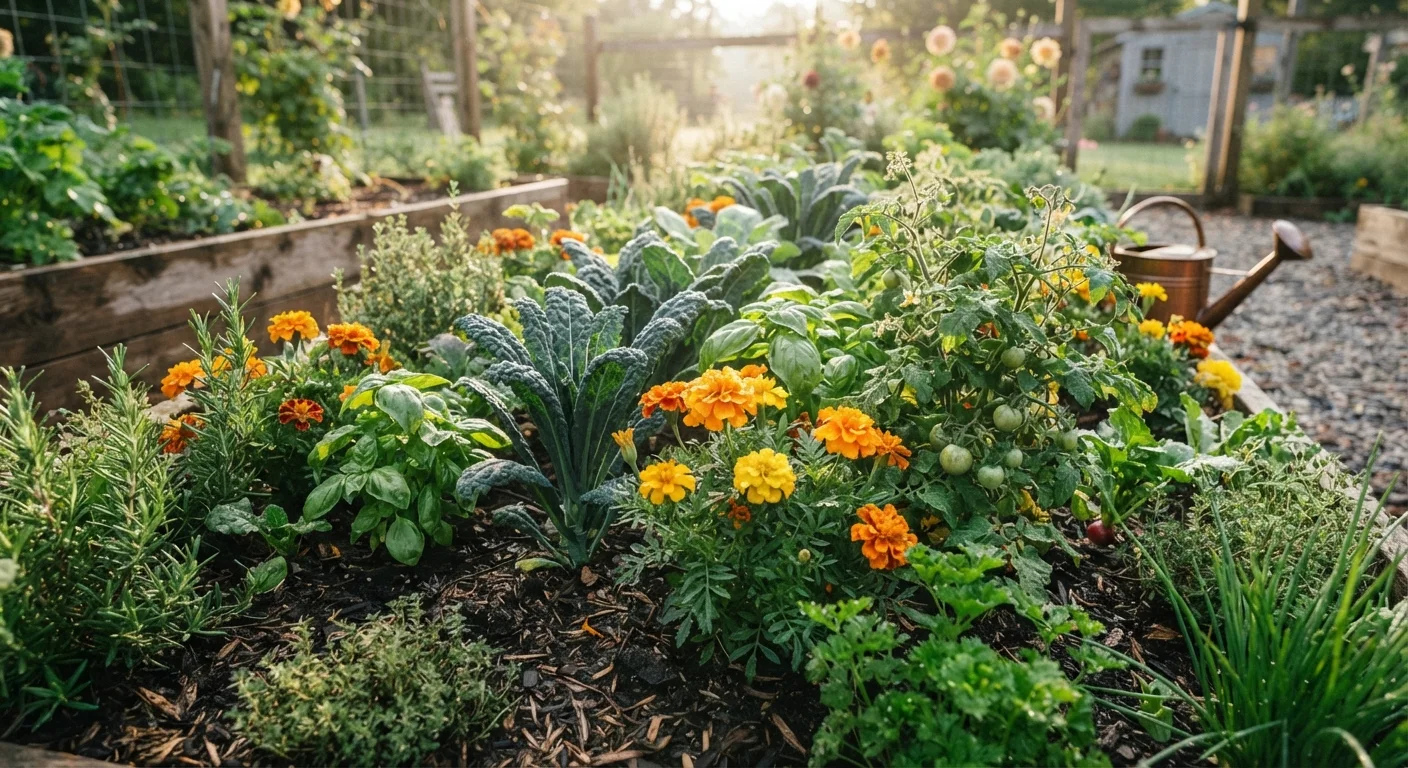
Companion planting is the practice of growing certain plants near each other for mutual benefit. Many herbs and flowers emit scents that interfere with pests' ability to locate their host plants. Basil planted near tomatoes is widely used to deter aphids and whiteflies. Strong-smelling alliums like chives or garlic planted near carrots help mask the scent that attracts carrot flies.
Marigolds - especially the French variety - release compounds from their roots that suppress nematodes and their strong scent deters aphids and whiteflies above ground. If you already grow any of these plants, you already have companion planting resources. Save seed from year to year and you'll never need to buy them again. Plant swaps and Freecycle are also great ways to source companion plants for free.
Marigolds and aromatic herbs confuse pest navigation, protecting nearby crops without any cost.
Create habitat for beneficial insects
Ladybugs, lacewings, ground beetles, and parasitic wasps are voracious predators of aphids, caterpillars, and other common garden pests. Attracting them costs nothing - they need shelter, water, and flowering plants that provide pollen and nectar.
Let a corner of your garden go slightly wild with small-flowered plants like fennel, dill, or yarrow - all of which are strong attractors for beneficial insects. A shallow dish of water with a few pebbles for landing sites gives them a water source. Avoid disturbing mulched or leaf-covered soil in this area, as many beneficials overwinter in ground debris. A garden that supports predator populations naturally regulates pest pressure over time.
A small wild patch with flowering herbs and a water source draws pest-eating insects that work for free.
Use row covers made from repurposed fabric
Row covers physically exclude flying insects - cabbage white butterflies, carrot flies, and squash vine borers - before they can lay eggs on your plants. Commercial floating row cover fabric exists, but old sheer curtains, fine netting from packaging, or even cut-up old bedsheets can serve the same purpose for many pests.
Drape the fabric loosely over plants and secure the edges with rocks, soil, or clips. Leave enough slack for plants to grow underneath. The important step is timing: covers work only if they're in place before pests arrive, so put them on at transplanting or when plants first emerge. Remove briefly for pollination if you're growing fruiting crops like squash, then replace. This method pairs well with smart watering practices since covered beds also retain soil moisture longer.
Old sheer curtains draped over beds physically exclude egg-laying insects at zero cost.
Building a Garden That Defends Itself
The methods above work best when layered together. A garden that combines companion planting, physical barriers, regular hand-picking, and a welcoming environment for beneficial insects is far more resilient than one that relies on any single approach. Think of it as building a system, not solving individual outbreaks.
Start with observation, not intervention
Before acting on a pest problem, spend a few days watching when and where damage occurs. Many 'pest problems' are minor and self-resolving once beneficial predators find the food source. Acting too quickly - even with free methods - can disrupt the natural balance you're trying to build. A brief observation period helps you target the right pest at the right life stage, which makes any intervention far more effective.
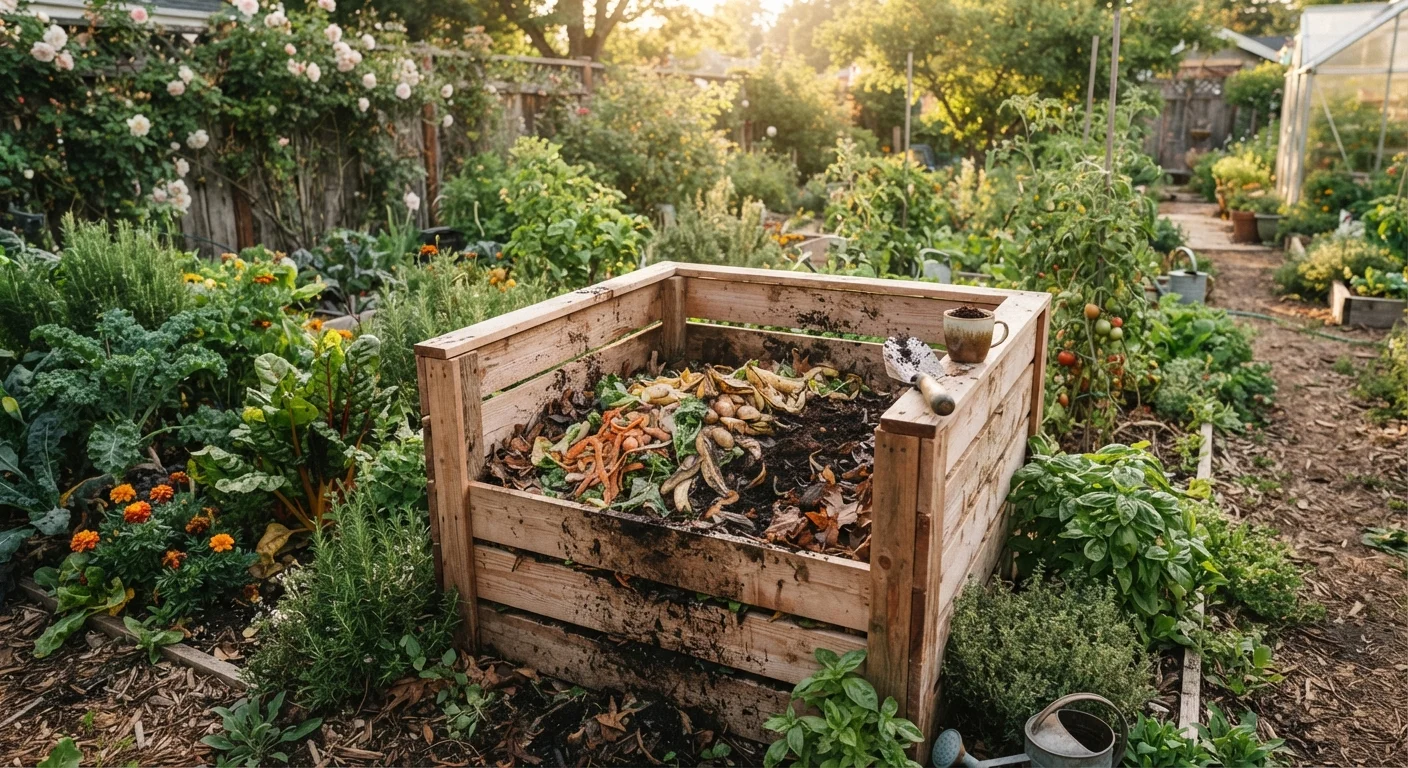
Healthy soil also plays a role - stressed plants attract more pests. If your soil needs work, home composting is a free way to improve it over time. And if you're gardening in containers or shared spaces, the same pest control principles apply - see our renter-friendly gardening guide for tailored advice.