
Why Laundry Is Worth a Second Look on Your Energy Bill
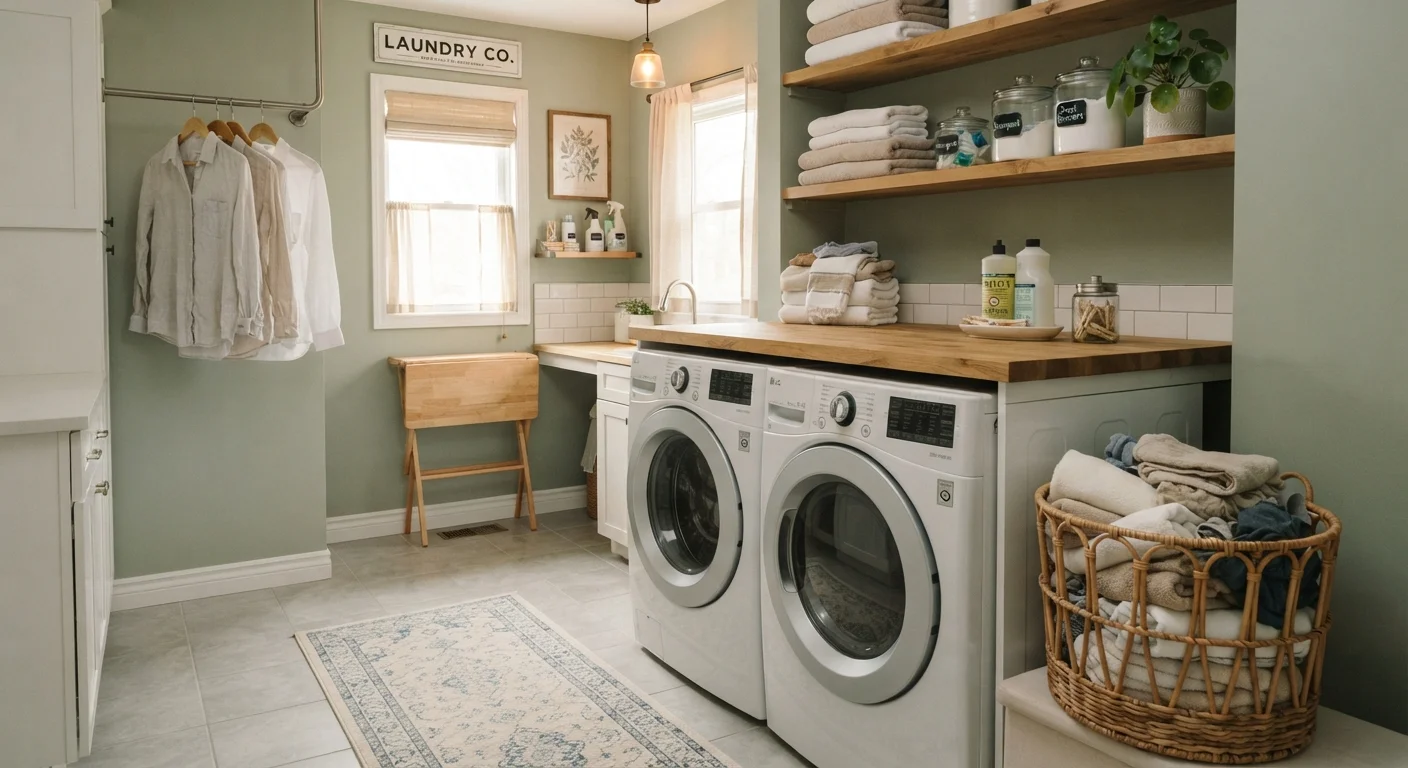
Laundry is one of those household tasks that runs on autopilot - load, press start, move on. But washing machines and dryers together represent a significant share of home energy consumption, and the habits you've built around them may be quietly adding to your monthly costs without you noticing.
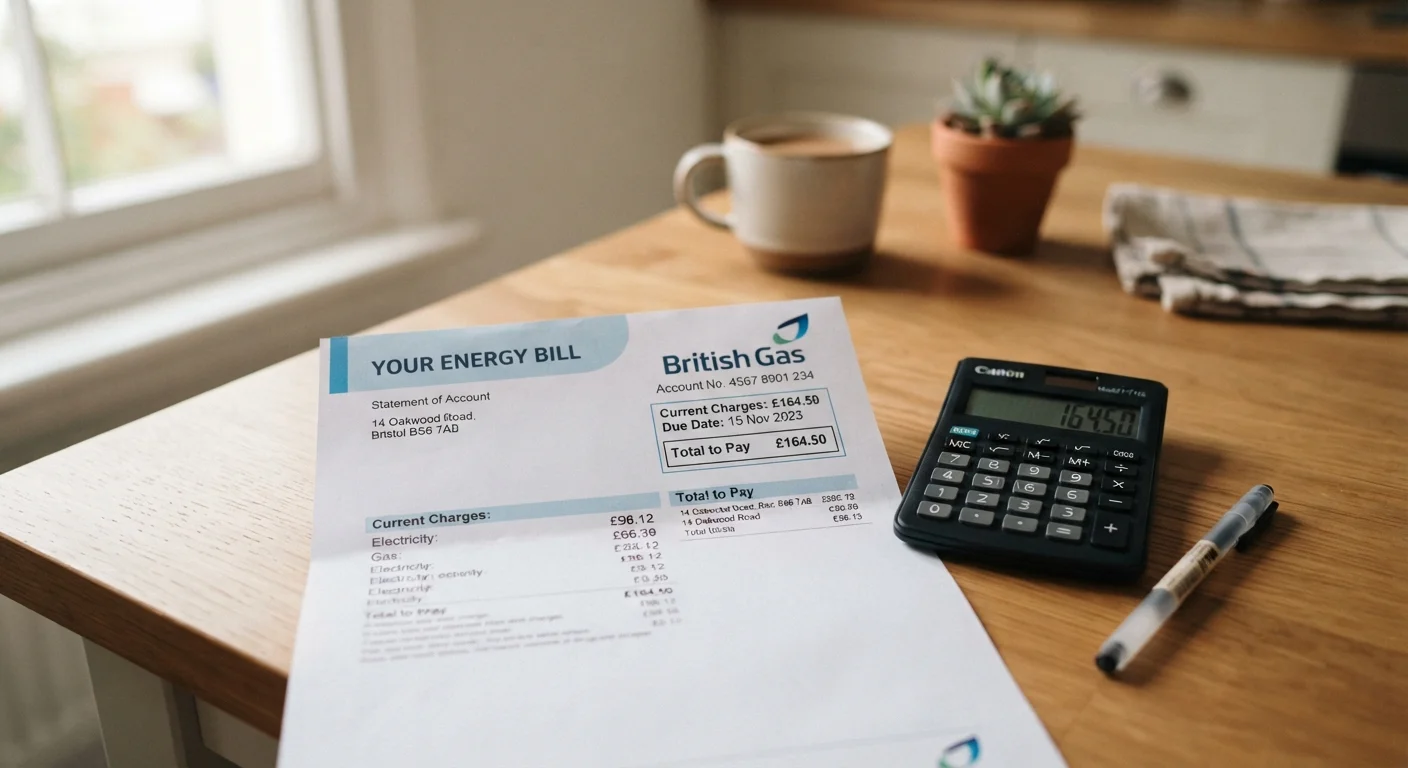
The good news is that laundry-related savings don't require new appliances or major lifestyle changes. They come from adjusting settings, timing, and routines you probably already have. For budget-conscious households, even modest reductions in per-load energy use add up meaningfully over a full year. See how laundry fits into your overall home energy picture with our breakdown of what drives your utility bill.
~90%
Of washing machine energy used on heating water
The U.S. Department of Energy estimates that roughly 90% of the energy a washing machine uses goes toward heating water, not running the motor.
5,000W
Typical electric dryer wattage per cycle
According to the U.S. Energy Information Administration, electric dryers are among the highest energy-consuming household appliances in regular use.
~$100+
Annual dryer operating cost for average household
Energy cost estimates for household dryers vary by region and usage frequency, but annual costs can exceed $100 for typical families running multiple loads per week.
Common Laundry Mistakes That Cost You More
Most energy waste in the laundry room comes from a handful of repeated habits - not a single big error. The mistakes below are the most common culprits, along with practical ways to change course without disrupting your routine.
Washing clothes in hot water by default, regardless of fabric type or soil level.
Why it happens: Hot water is perceived as more hygienic and effective, so many households use it as the standard setting without questioning it.
Running the washing machine with small or half-full loads multiple times a week.
Why it happens: It's tempting to wash a few items as needed, especially when you want something specific clean quickly.
Leaving the dryer running well past the point clothes are actually dry.
Why it happens: People often set a timer and walk away, or rely on preset cycles that don't account for varying load sizes or fabric types.
Neglecting the lint trap and failing to clean dryer ducts regularly.
Why it happens: Lint trap cleaning is easy to forget, and duct maintenance feels like an infrequent or unnecessary chore.
Skipping air-drying options entirely, even for lighter items.
Why it happens: Air-drying takes longer and requires planning, so it's often passed over in favor of the convenience of the dryer.
Your Dryer Is an Energy Heavy-Hitter
Electric dryers are among the most energy-intensive household appliances, often consuming around 5,000 watts per cycle. Even small reductions in how often or how long you run it can translate to meaningful savings over a year. Treating dryer use as a cost center - not just a convenience - is the mindset shift that makes the most difference.
If you want to extend your energy-saving efforts beyond the laundry room, our guide on phantom electricity loads covers other appliances that quietly drain power throughout the day.
Don't Ignore Manufacturer Load Guidelines
Consistently overloading your washer or dryer can reduce cleaning effectiveness, cause mechanical strain, and shorten appliance lifespan. An appliance failure or repair bill will far outweigh any short-term time savings. Check your machine's manual for recommended load capacity and stick to it.
For a broader look at reducing utility costs across your whole home without major sacrifices, the guide to cutting utility bills comfortably offers practical, evidence-based strategies worth reading alongside this one.