
Why Your Bill Keeps Creeping Up Even When You're Careful
You switched off the lights. You shortened your showers. You even adjusted the thermostat. Yet your electricity bill still seems stubbornly high. Phantom loads are often the invisible culprit that careful households miss entirely.
Unlike obvious energy uses - running the dishwasher, charging a laptop, blasting the air conditioner - phantom loads happen silently and continuously. Every device that stays plugged into a wall outlet maintains at least a minimal electrical connection, and many draw significantly more than you might expect. A cable box, for example, can consume nearly as much electricity while idle as it does during active use, because it is constantly refreshing program guides and maintaining a network connection.
This matters especially for renters and younger homeowners who may not have the option to upgrade appliances but can still control what stays plugged in. Understanding phantom loads is the first step toward eliminating them - and it pairs naturally with a broader look at everyday spending leaks that quietly erode your monthly budget.
5-10%
Of home electricity used by standby devices
According to the U.S. Department of Energy, standby power accounts for a meaningful share of total residential electricity consumption.
$100+
Estimated annual standby power cost per household
Lawrence Berkeley National Laboratory research has estimated that standby power costs U.S. households roughly $100 or more per year on average.
40+
Average number of devices with standby draw per home
Studies on residential electronics have found that modern homes commonly have dozens of devices maintaining a continuous electrical connection at any given time.
The Worst Offenders in Most Homes
Not all standby draws are equal. Some devices sip a barely measurable trickle; others consume watts comparable to a constantly burning light bulb. Knowing which categories to prioritize helps you cut the most waste with the least effort.
- Cable and satellite boxes: Often cited as among the highest standby consumers in the home, sometimes drawing 15-30 W even when the screen is off.
- Gaming consoles: Older or mid-generation consoles can draw 10-20 W in standby, particularly if they are set to download updates overnight.
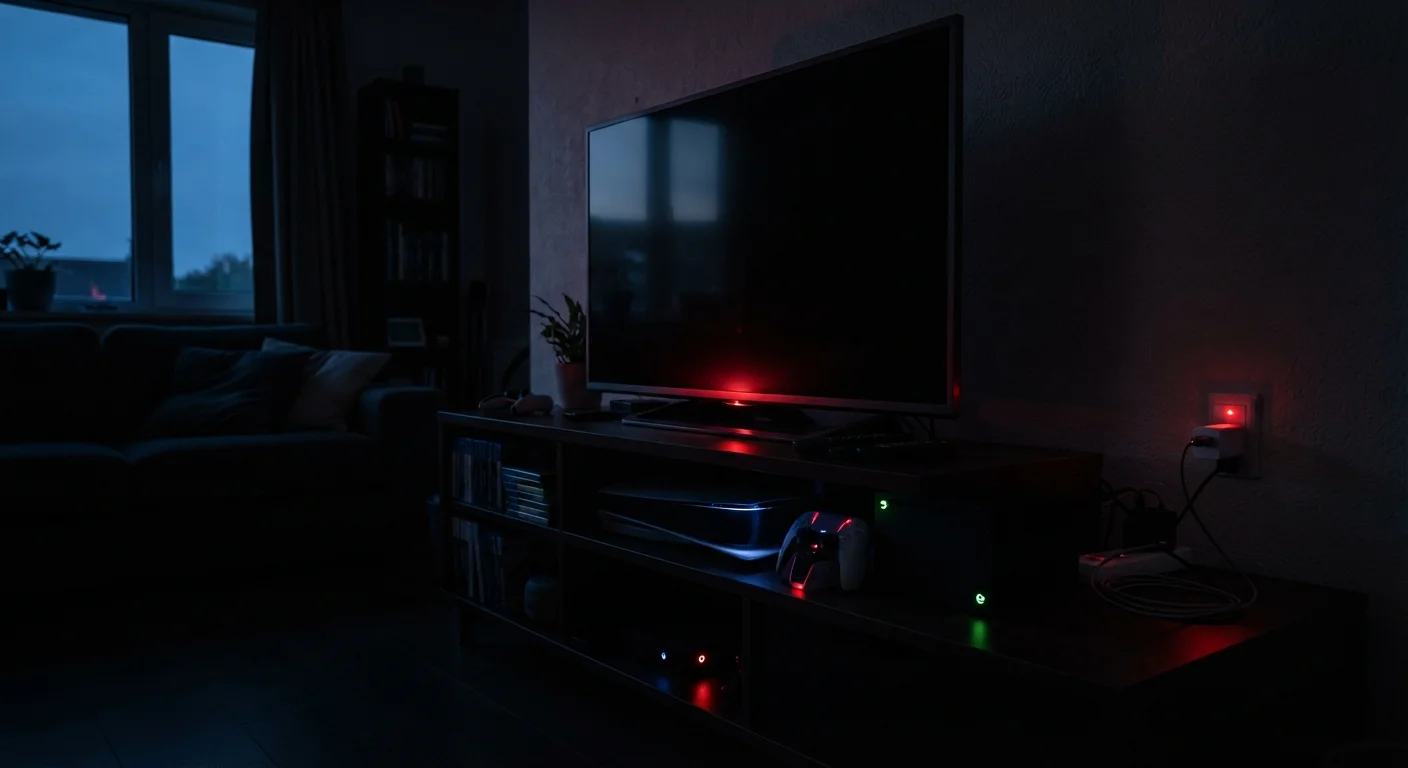
- Home entertainment clusters: A TV, soundbar, streaming stick, and game console all idling together can collectively draw 30-50 W around the clock.
- Desktop computers and monitors: Sleep mode still draws power, and monitors left in standby add to the total.
- Chargers without devices: A phone charger plugged into the wall with nothing attached still draws a small but continuous load.
- Appliances with displays or clocks: Microwaves, coffee makers, and ovens with digital displays run their electronics 24/7.
For a deeper look at how these loads fit into your home's overall energy picture, a room-by-room energy audit is an effective way to spot what you may be overlooking.
Practical Steps to Cut Phantom Loads Without the Hassle
Eliminating phantom loads does not require expensive upgrades or inconvenient lifestyle changes. A few targeted habits and low-cost tools handle most of the problem.
Use switched power strips
Grouping your entertainment system or home office setup on a power strip with an on/off switch means you can cut power to five or six devices with a single click. This is the single highest-impact action most households can take.
Enable aggressive power management settings
On computers, tablets, and smart TVs, check the power settings. Many devices ship with manufacturer defaults that favor convenience over efficiency - adjusting sleep timers and disabling "instant on" features reduces standby draw without much inconvenience.
Unplug chargers and small appliances when not in use
This takes seconds and costs nothing. Chargers, toasters, coffee makers, and countertop appliances do not need to stay plugged in between uses.
Prioritize the highest-draw devices first
Use a plug-in energy monitor to identify which devices draw the most in standby. Focusing effort on the top three or four offenders typically captures the bulk of the savings. This approach complements other cost-reduction strategies covered in our guide to cutting utility bills without sacrificing comfort.
Start With Your Entertainment Center
If you can only make one change, put your TV, cable box, and gaming console on a switched power strip and turn it off when the room is not in use. Entertainment clusters are typically the single largest source of phantom loads in the home and the easiest to address as a group.
It is also worth checking whether any beliefs you hold about home energy are actually working against you - common misconceptions are covered in our piece on home energy myths that keep bills high.